


Language
ENG
Enter Keywords...

NEW
 Home / News / industy news / Are JIC and AN Fittings Compatible? Yes, With These Important Caveats Explained
Are JIC and AN Fittings Compatible? Yes, With These Important Caveats Explained
 2026.09.07
 industy news
Yes, JIC and AN fittings are compatible in the vast majority of hydraulic applications because both use the same 37° flare sealing angle and the same UNF inch threads. The practical answer, however, has an important qualification: AN fittings are machined to tighter military tolerances than JIC fittings, and the more demanding the application, the more that tolerance difference matters. This article explains exactly where JIC and AN fittings interchange safely, where they do not, and what to check before you assemble a mixed connection.
What Are JIC Fittings?
JIC stands for Joint Industry Council, and fittings with that designation are governed by SAE J514, the commercial standard for 37° flared connections. A JIC fitting seals through metal-to-metal contact between a 37° flared cone on the male end and a matched 37° seat inside the female swivel nut. The threads are Unified National Fine (UNF), measured in inches, and this sealing system is among the most common in industrial hydraulics.
JIC fittings appear in construction equipment, agricultural machinery, machine tools, injection molding presses, and general fluid power circuits. They are manufactured to commercial tolerances, typically with a Class 2 thread fit. That level of accuracy is sufficient for systems that operate within their rated pressure range and experience normal vibration, but it is not the same as the precision of a military-grade fitting.
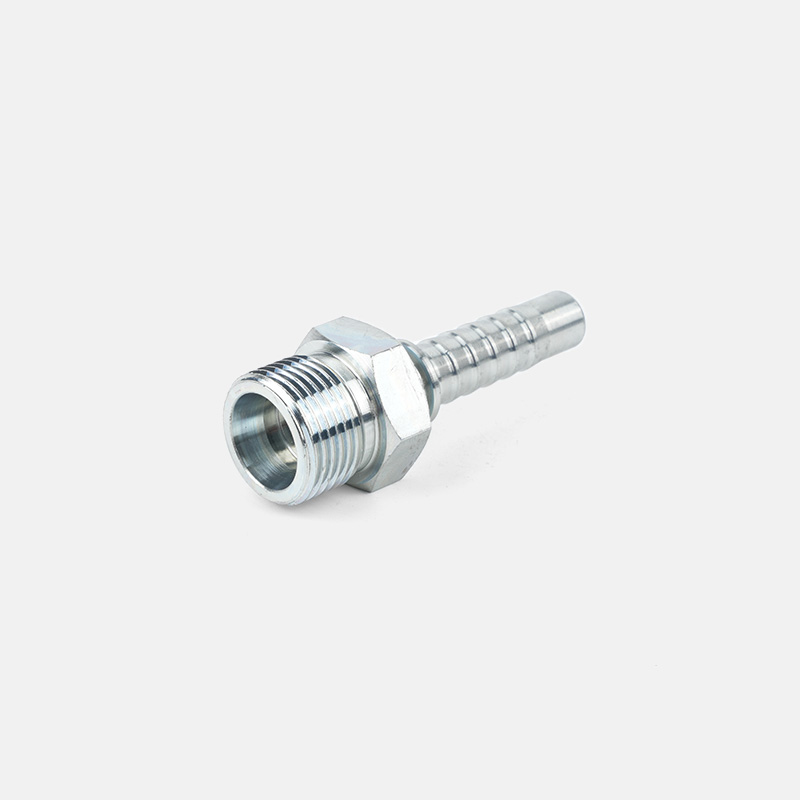
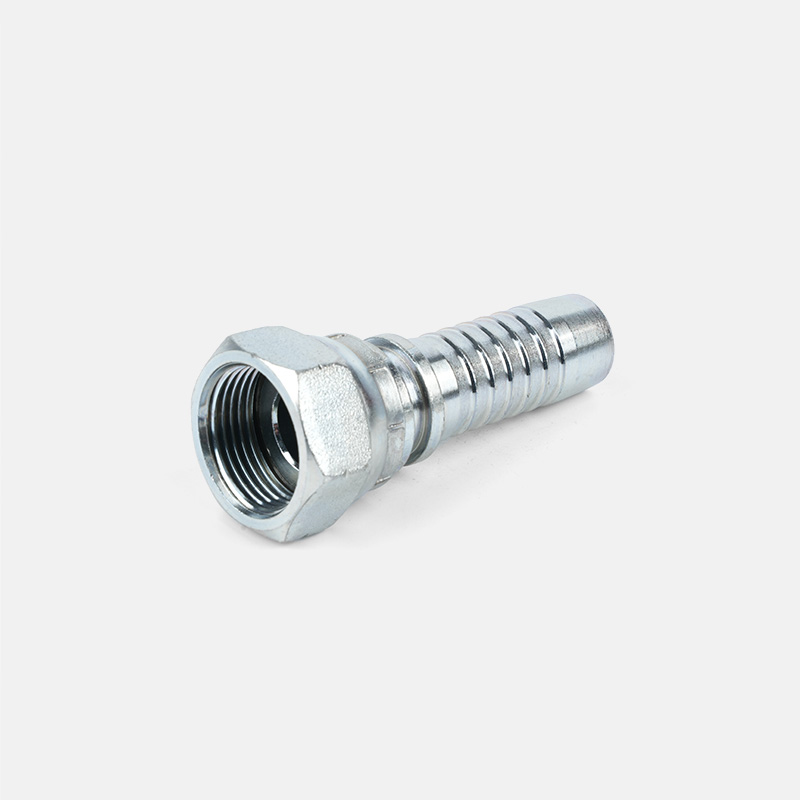
For industrial buyers, JIC remains a practical first choice because it balances cost, availability, and performance. Our JIC 37° male fittings are machined to SAE J514 dimensions and plated for corrosion resistance, making them a reliable building block for hoses, tubes, and adapters.
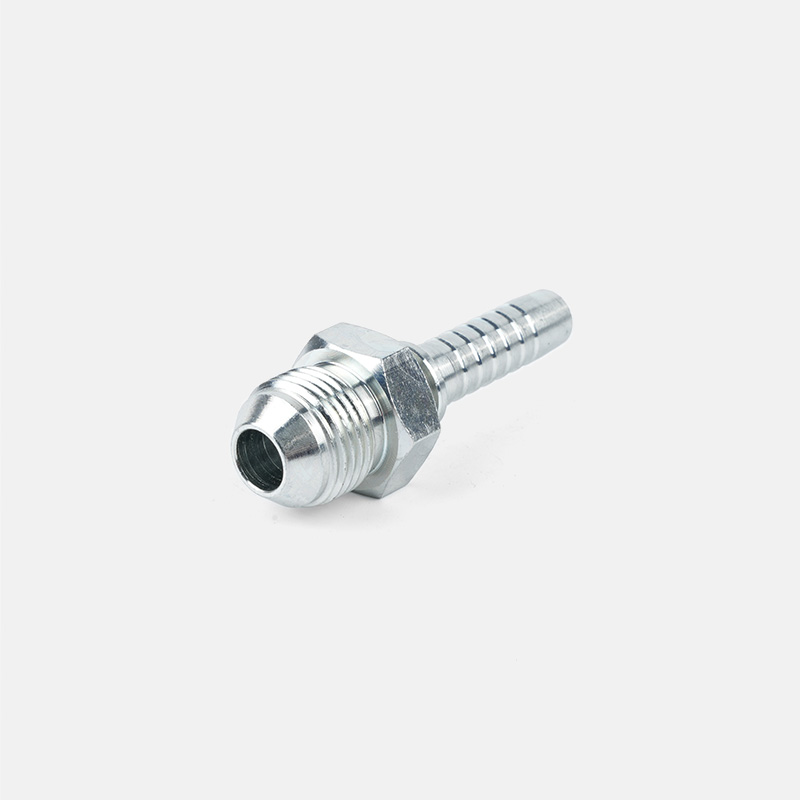 Wholesale Jic 37 Male Fittings Suppliers, Factory - Zhejiang Tianxiang Machine FZhejiang Tianxiang Machine Fittings Co.,Ltd. is China Wholesale Jic 37 Male Fittings Suppliers and Jic 37 Male Fittings Factory, details:...View Product →
What Are AN Fittings?
AN stands for Army-Navy, a designation that dates back to World War II, when the U.S. military standardized high-performance fittings for aircraft fluid systems. Modern AN fittings are covered by military and aerospace specifications such as MIL-F-5509 and the AS4841 series. Like JIC, an AN fitting uses a 37° flare sealing surface and UNF threads, and the nominal dimensions are essentially identical to JIC.
The critical difference is manufacturing precision. AN fittings are machined with a Class 3 thread fit, which means tighter clearance, more controlled pitch diameter, and closer attention to surface finish. They are also subject to stricter material traceability and inspection requirements. That is why AN fittings remain the default for aerospace, racing, and defense: the extra precision is a safety margin first and a performance feature second.
Key Differences Between JIC and AN Fittings
Both families share the same sealing geometry, but the specifications around that geometry are different. The table below summarizes the main distinctions in a single view.
| Aspect | JIC Fitting | AN Fitting |
|---|---|---|
| Governing standard | SAE J514 | MIL-F-5509 / AS4841 |
| Sealing angle | 37° flare | 37° flare |
| Thread form | UNF (inch) | UNF (inch) |
| Thread fit class | Class 2 | Class 3 |
| Material control | Commercial grades | Stricter, traceable grades |
| Typical applications | Industrial hydraulics | Aerospace, motorsport, defense |
| Relative cost | Lower | Higher |
| Interchangeability | Fits AN seat | Fits JIC seat |
The shared 37° angle is the reason the two families physically connect. The thread fit class is the reason the connection quality can differ.
Can You Connect JIC to AN?
Yes. A JIC male will thread into an AN female swivel, and an AN male will thread into a JIC female swivel, because the threads and the 37° sealing geometry are dimensionally matched. In low-pressure circuits, return lines, test ports, and other non-critical connections, a mixed assembly will seal and function without incident.
The caveats are real, and they fall into three categories:
- Thread fit. A Class 2 JIC thread has more clearance than a Class 3 AN thread. Under sustained vibration, the JIC thread can loosen slightly, and that loosening is enough to turn a reliable seal into a slow leak.
- Pressure rating. Always rate a mixed assembly to the lower of the two component ratings. If the JIC side is rated to 4000 psi and the AN side to 5000 psi, the assembly is a 4000 psi connection.
- Material compatibility. Economy JIC fittings may use softer steel or less corrosion-resistant plating. In a demanding environment, the AN specification is part of the safety case, so downgrading that side with a commercial part is a risk.
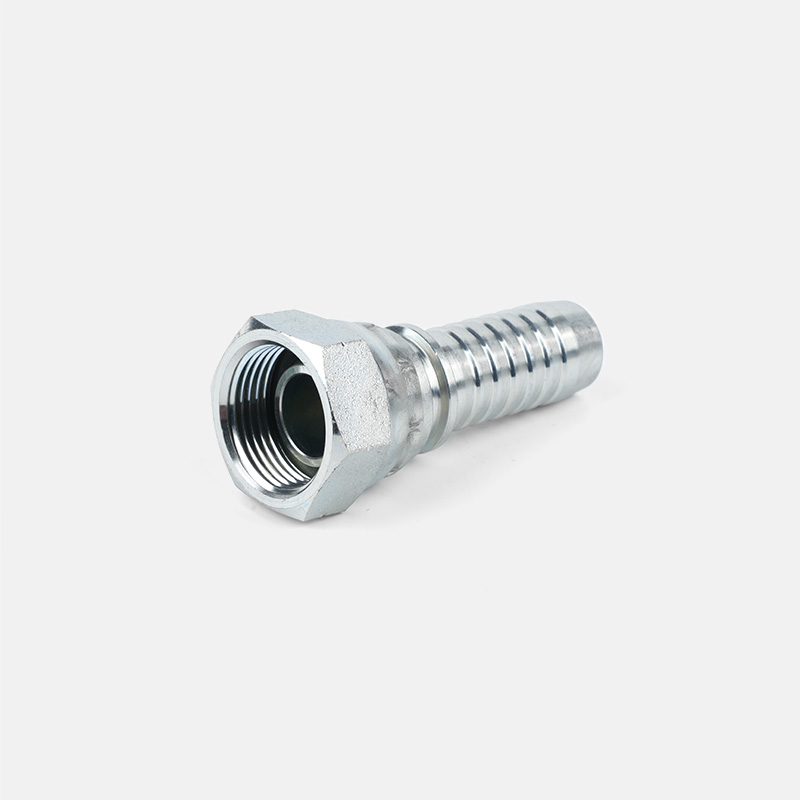
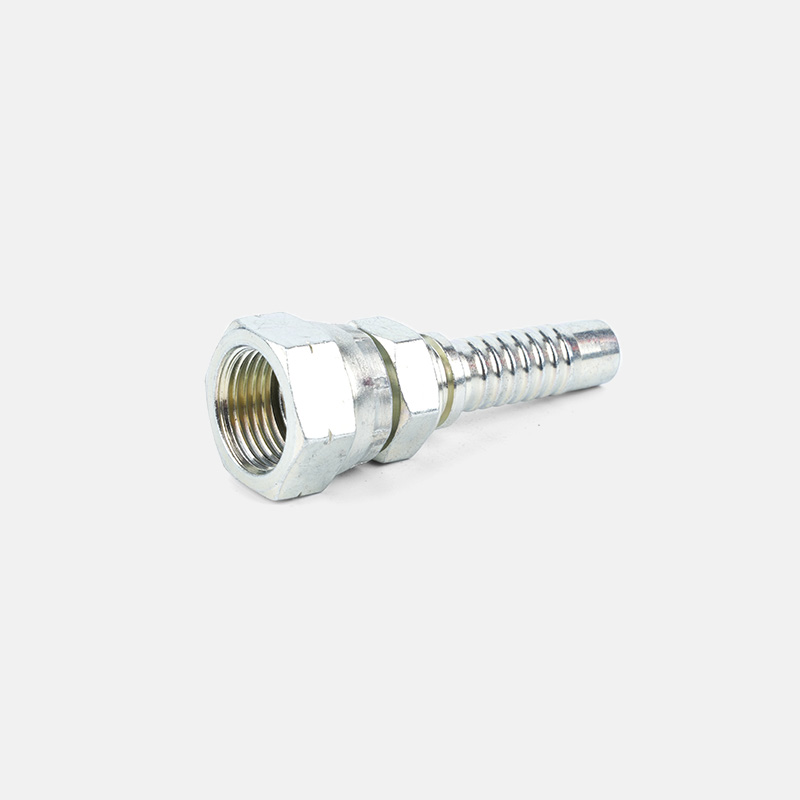
On the female side, the same 37° seat holds true, and a properly machined JIC female swivel will accept an AN male stud without modification. Our JIC female 74° cone seat fittings follow the SAE J514 contour exactly, which is what makes the interchange possible.
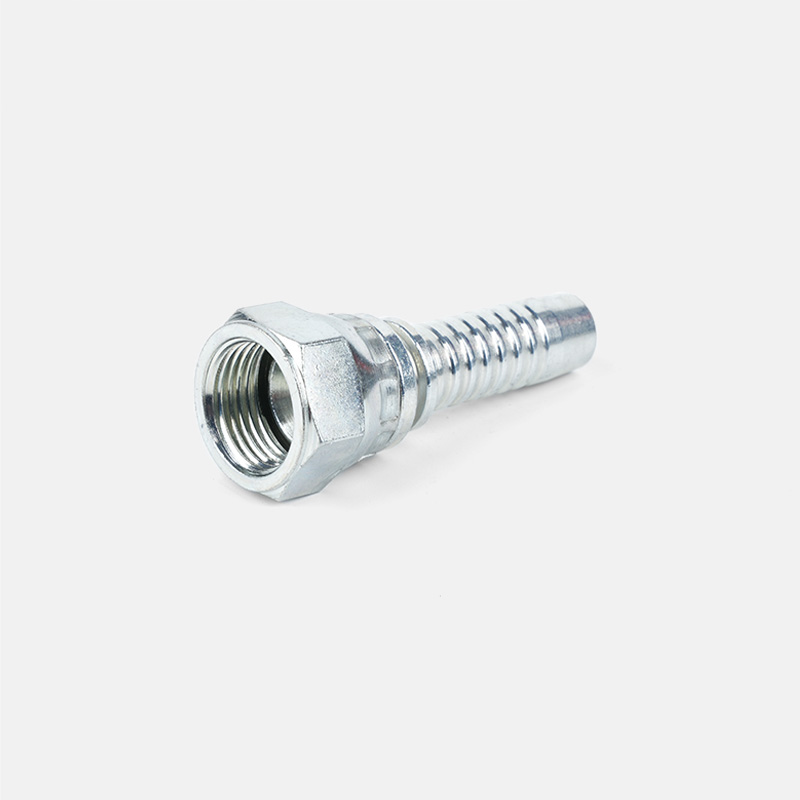 Wholesale JIC Female 74° Cone Seat Suppliers, Factory - Zhejiang Tianxiang MachiZhejiang Tianxiang Machine Fittings Co.,Ltd. is China Wholesale JIC Female 74° Cone Seat Suppliers and JIC Female 74° Cone Seat Factory, ...View Product →
For personnel who work with both standards daily, the practical message is direct: mixing is an engineering decision, not a convenience. When the application is a stationary hydraulic station with mild vibration, you can connect them with confidence. When the connection spends its life on a vibrating mobile boom, use matching standards and verify the rating of both components.
When Mixing JIC and AN Is Not Recommended
There are clear situations where mixing the two standards is a bad idea:
- Aerospace and flight control systems, where military or aerospace specifications are mandatory.
- High-pressure hydraulic circuits above 5000 psi, where a small thread fit difference can cause premature wear and leakage.
- Applications with severe vibration, rapid thermal cycling, or repeated pressure spikes.
- Brake, steering, and fuel systems in vehicles, where a leak is a fire or safety hazard.
- Any system governed by insurance, regulatory, or customer specifications that explicitly require AN fittings.
If the original design calls for AN and you replace one side with a JIC fitting, you have changed the thread fit class and the material specification of a safety-critical joint. The same caution applies in reverse: do not spec AN fittings into an industrial hydraulic system that was engineered around JIC if the only reason is branding or preference.
One more trap deserves attention: the 37° flare must not be confused with the 45° flare used in SAE J512 plumbing fittings. A 45° fitting forced into a 37° seat will leak immediately and can damage both sealing surfaces. Always confirm the angle before assembly.
Practical Selection and Installation Guidance
Whether you are a maintenance technician or a purchasing manager, the same verification steps eliminate most compatibility failures:
- Measure the thread size and pitch with a thread gauge. Dash sizes follow UNF: -4 is 7/16-20, -6 is 9/16-18, -8 is 3/4-16, and so on.
- Confirm that both sealing surfaces are 37° before assembly.
- Check the thread fit class of both components. If one side is a precision aerospace fitting rated for high pressure, the other side should carry the same class.
- Inspect the plating and base material. Zinc-plated carbon steel is standard for industrial JIC fittings; stainless steel is preferred for marine, chemical, and washdown environments.
- Lubricate the threads lightly and torque to the manufacturer's value. Overtightening deforms the flare; undertightening causes leaks.
- For permanent or high-pressure joints, follow a documented installation procedure. Our guide on how to properly install and maintain hydraulic hose fittings covers torque tables, inspection steps, and common field mistakes.
The simplest way to avoid compatibility questions is to source both sides of a connection from one manufacturer. When the thread class, sealing angle, and plating are applied under the same quality system, the assembly is predictable.
Sourcing Quality JIC Fittings
As a manufacturer of hydraulic fittings since 1999, we see the JIC-versus-AN question constantly. Our position is practical: a quality JIC fitting machined to SAE J514 will seal correctly against an AN counterpart in most industrial hydraulic applications. The danger is not the JIC standard itself but the poorly machined fittings that miss dimensional and finish tolerances.
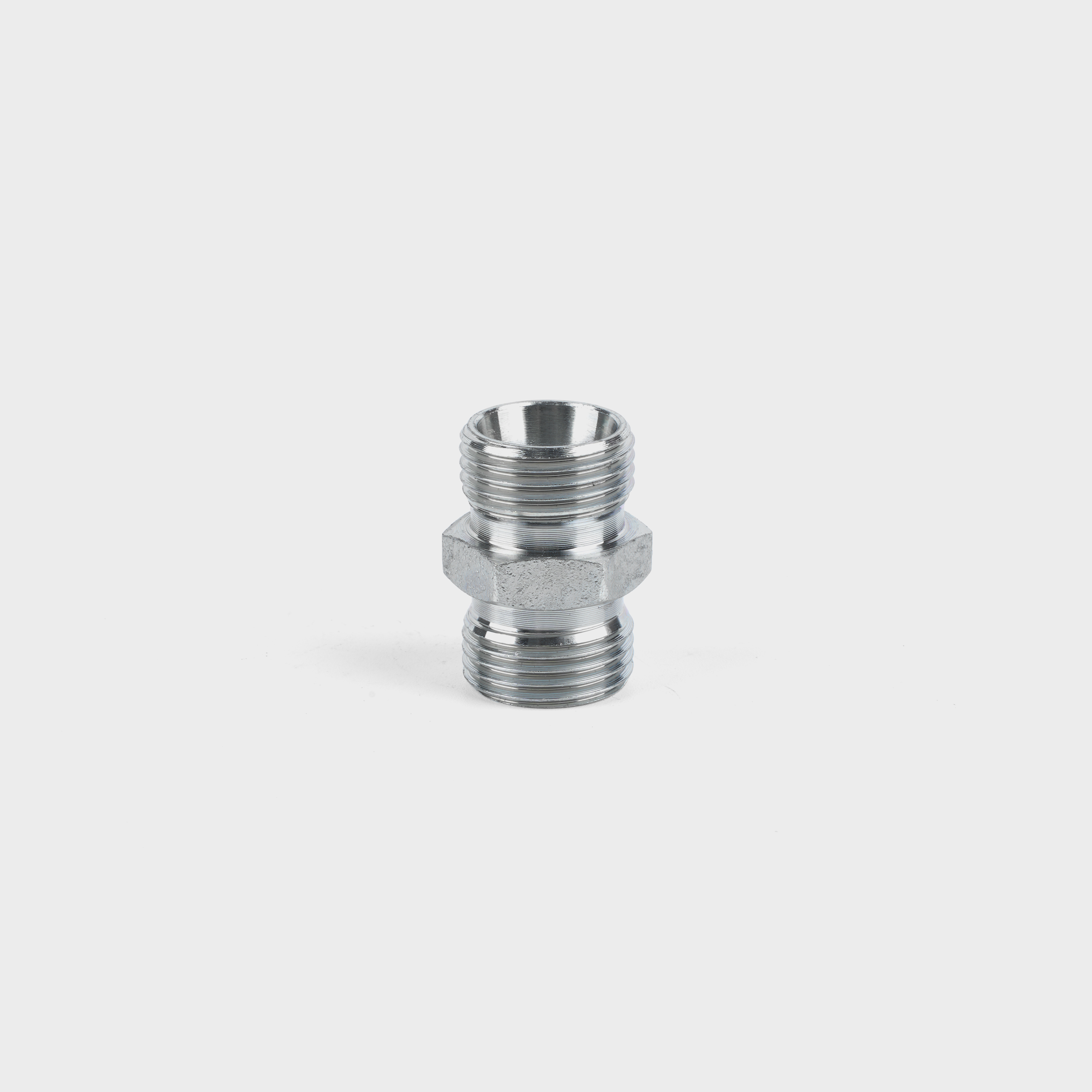
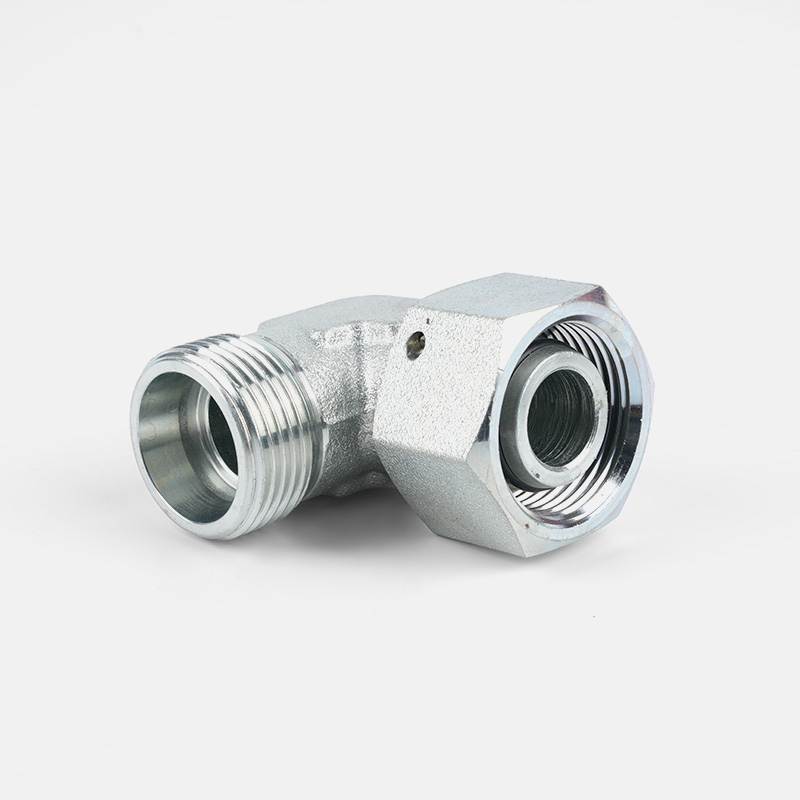
When you evaluate a JIC fitting supplier, ask about dimensional inspection of the 37° seat, plating quality, and material traceability. The impact of material selection and surface treatment on fitting reliability is often underestimated until a corrosion failure or a plating flake contaminates the system. For transitions between JIC and other thread standards, the JIC 37° adapter series provides straight, elbow, tee, and bulkhead options that preserve the 37° sealing angle on every flow path.
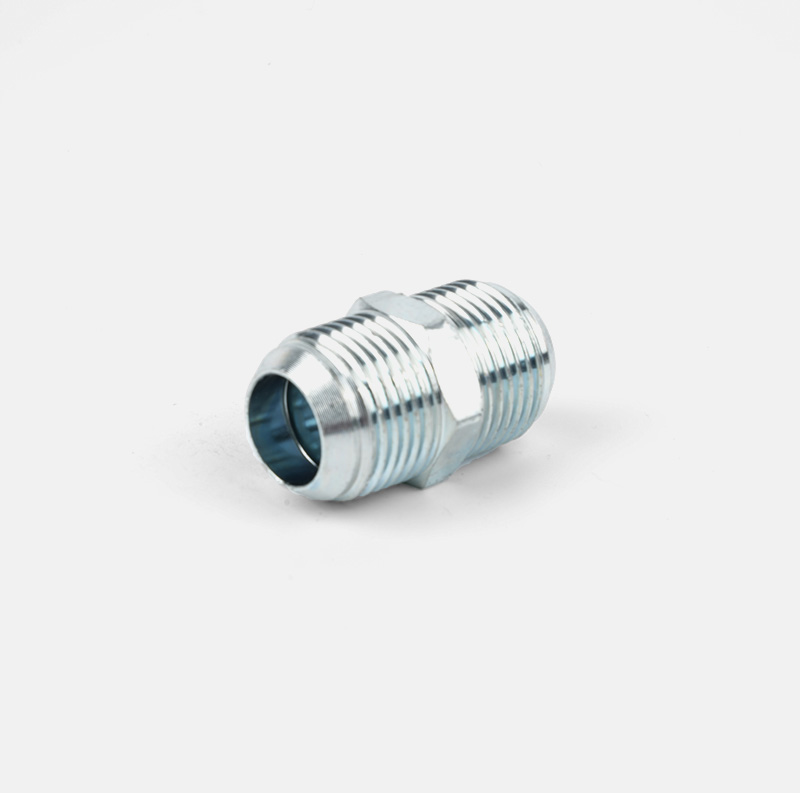 Wholesale Jic 37 Adapters-1J Suppliers, Factory - Zhejiang Tianxiang Machine FitZhejiang Tianxiang Machine Fittings Co.,Ltd. is China Wholesale Jic 37 Adapters-1J Suppliers and Jic 37 Adapters-1J Factory, details:1J-J...View Product →
The bottom line is direct: JIC and AN fittings are compatible in most applications, but compatibility must be confirmed at the component level, not assumed at the catalog level. Match the thread size, confirm the 37° angle, respect the pressure rating, and when in doubt, contact the manufacturer with the part numbers before you assemble the system.


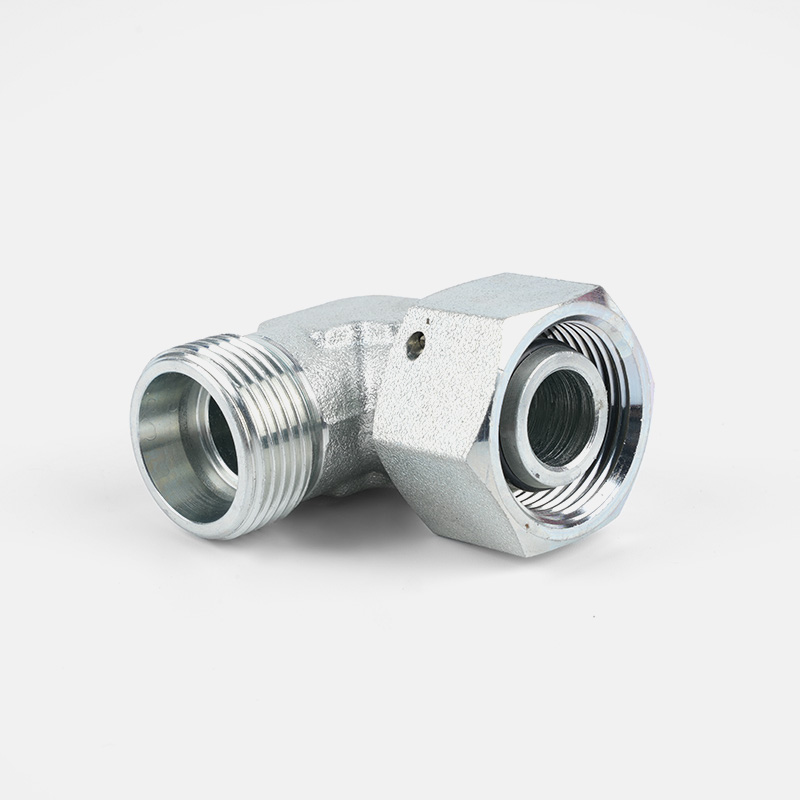

Custom hydraulic accessories
From concept to production, we can create the products you want
Products
Contact Information
-

Tel: +86-159-6851-8588
-

E-mail: [email protected]
-

Add:Zhu Jia Station Village, Diankou Town, Zhuji City , Zhejiang Province, China
