


Language
ENG
Enter Keywords...

NEW
 Home / News / industy news / Code 62 Hydraulic Flanges: The 6000 PSI SAE Standard Explained in Detail
Code 62 Hydraulic Flanges: The 6000 PSI SAE Standard Explained in Detail
 2026.11.02
 industy news
If you spend much time around high-pressure hydraulic systems, you have probably heard the term “Code 62” used alongside SAE flanges. It is one of those shorthand labels that experienced technicians and engineers rely on, but it can be confusing if you are new to hydraulic connections. In simple terms, Code 62 refers to a 6000 PSI SAE four-bolt flange standard. It is designed for demanding pressure lines where reliability, sealing performance, and long service life are not optional. This guide explains what Code 62 means, how it differs from Code 61, where it is commonly used, and what to check before you buy or install one.
What Does “Code 62” Mean in Hydraulics?
Code 62 is part of the SAE J518 standard, which covers four-bolt flange connections for hydraulic fluid power systems. The code number indicates the pressure class of the flange. Code 61 is rated for 3000 PSI, while Code 62 is rated for 6000 PSI. In metric terms, that is roughly 210 bar for Code 61 and 420 bar for Code 62. The higher rating comes from a thicker and larger flange head, stronger bolts, and a more robust sealing interface.
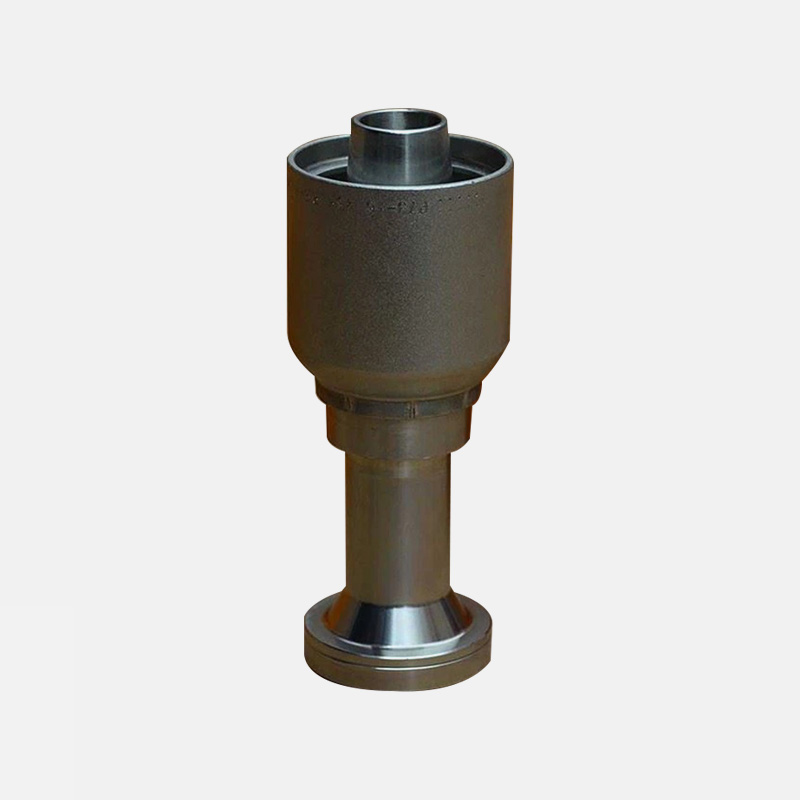
A typical Code 62 connection includes four main parts: the flange head on the tube or hose fitting, a split flange or one-piece flange, an O-ring, and four bolts. The O-ring sits in a groove on the flange face and provides the actual seal. The bolts clamp the flange against the port face, compressing the O-ring and creating a leak-free connection. Because the seal is captured and protected, Code 62 flanges handle pressure spikes and vibration better than many threaded connections.
- Four-bolt clamping for high separation force
- O-ring face seal for reliable leak protection
- Straight, 45-degree, and 90-degree configurations
- Common sizes from 1/2 inch to 2 inches, with larger sizes available
- Compatible with SAE J518 and ISO 6162 port patterns
Code 61 vs Code 62: Key Differences
Code 61 and Code 62 flanges often look similar at a glance, and in some sizes they share the same bolt hole spacing. However, they are not interchangeable in high-pressure applications. The most important difference is the pressure rating. Code 61 is intended for medium-pressure circuits, such as return lines and pilot lines. Code 62 is built for high-pressure supply lines, where the system may see continuous pressure near or above 3000 PSI.
| Feature | Code 61 | Code 62 |
|---|---|---|
| Pressure rating | 3000 PSI (about 210 bar) | 6000 PSI (about 420 bar) |
| Flange head size | Smaller, lighter | Larger, heavier |
| Typical use | Return, pilot, and medium-pressure lines | High-pressure supply and working lines |
| Bolt size | Generally smaller | Generally larger and stronger |
| Common sizes | 1/2 inch to 3 inches | 1/2 inch to 2 inches, with larger options |
Another difference is the flange face and head dimensions. Code 62 flanges have a larger outside diameter and a deeper cross-section to handle the higher load. If you try to use a Code 61 flange on a Code 62 port, the connection may not seal correctly under pressure. Always check the code marking on the port, the flange, or the original equipment documentation before ordering replacements.
 Straight SAE Code 62 Hydraulic Flange 6000 PSIA straight Code 62 SAE flange for hydraulic fluid systems, rated to 6000 PSI and compatible with one- or two-wire hoses.View Product →
Where Code 62 Flanges Are Used
Code 62 flanges are selected when the hydraulic system demands high pressure, high flow, and dependable sealing. They are common in mobile machinery, industrial equipment, and offshore systems. You will often find them on the pressure side of the circuit, where hose assemblies and tube lines must withstand repeated pressure spikes without leaking.
- Construction equipment, such as excavators, loaders, and cranes
- Mining machinery and drilling rigs
- Agricultural and forestry equipment
- Marine and offshore hydraulic systems
- Industrial presses, test stands, and power units
- Oil and gas equipment, including wellhead and choke controls
Because Code 62 connections can be assembled and disassembled without cutting or re-threading the tube, they are also popular in field service and maintenance. A damaged hose assembly can be replaced quickly, and the flange can be reused if it is in good condition. This makes Code 62 a practical choice for equipment that operates in remote locations or tight schedules.
 45-Degree SAE Code 62 Hydraulic Flange 6000 PSIA 45-degree Code 62 SAE flange for hydraulic systems, offered in stainless steel and built for secure, leak-resistant pipe connections.View Product →
Our 6000 PSI hydraulic flanges (Code 62) category includes straight, 45-degree, and 90-degree styles to fit common port and routing requirements.
Materials and Construction
Most Code 62 flanges are made from carbon steel, often with zinc plating, zinc-nickel plating, or another corrosion-resistant finish. Carbon steel offers an excellent balance of strength, machinability, and cost. For corrosive environments, stainless steel 316 is a common alternative. Stainless steel flanges are frequently used in marine, offshore, chemical, and food-processing applications where moisture or aggressive fluids are present.
The O-ring material is just as important as the flange material. Nitrile rubber (NBR) is the standard choice for petroleum-based hydraulic oils and normal temperature ranges. For higher temperatures or aggressive fluids, fluoroelastomer (FKM) O-rings are often specified. Some applications also require EPDM or other specialty compounds. Always confirm that the O-ring material is compatible with the hydraulic fluid, operating temperature, and external environment.
Quality differences between flanges can be significant. Forged flanges generally offer better grain structure and strength than cast flanges. Machining tolerances matter because the O-ring groove and face flatness affect sealing performance. A well-made flange will have a smooth, consistent finish and clearly marked size and pressure code. If you are sourcing flanges for a critical system, ask about material certificates, dimensional inspection, and surface treatment.
How to Choose the Right Code 62 Flange
Choosing the correct flange starts with the port and the pressure rating. You should never guess when high-pressure connections are involved. Use the following steps to narrow down your options.
- Confirm the port code. Check whether the port is Code 61 or Code 62. The two are not interchangeable at high pressure.
- Verify the pressure rating. Make sure the flange is rated for the maximum working pressure of the system, including pressure spikes.
- Choose the configuration. Straight flanges are used for in-line connections. 45-degree and 90-degree elbows help with routing in tight spaces.
- Select the material and finish. Carbon steel with zinc plating works for most standard systems. Stainless steel is better for corrosive environments.
- Match the O-ring. Use the correct size and material for the fluid and temperature range.
- Check the bolt length and thread. Bolts that are too long can bottom out, while bolts that are too short may not engage enough threads.
- Review the hose or tube assembly. The flange must match the hose size, pressure rating, and bend radius of the assembly.
If you are replacing a flange, measure the port size, bolt hole spacing, and flange head diameter before ordering. When in doubt, share a photo or drawing with your supplier. A small detail now can prevent a major leak later.
 90-Degree SAE Code 62 Hydraulic Elbow Flange 6000 PSIA 90-degree Code 62 SAE flange fitting for hydraulic fluid systems, rated to 6000 PSI and compatible with one- or two-wire hoses.View Product →
Installation and Maintenance Tips
Proper installation is essential for a leak-free Code 62 connection. Even a high-quality flange can fail if it is assembled incorrectly. The following practices will help you get the best performance.
- Clean the port face and flange head. Remove dirt, rust, old sealant, and pieces of the old O-ring.
- Lubricate the O-ring with a small amount of compatible hydraulic oil before assembly.
- Align the flange squarely with the port. Do not use the bolts to pull a misaligned joint together.
- Tighten the bolts in a cross pattern. Follow the recommended torque specification for the flange size.
- Pressurize the system slowly and check for leaks. Re-torque if necessary after the first heat cycle.
- Inspect the connection regularly for loose bolts, corrosion, or damaged O-rings.
For more detailed guidance, see our article on proper installation and maintenance of hydraulic hose fittings. Good habits in the field will extend the life of both the flange and the hose assembly.
Common Questions About Code 62
Is Code 62 the same as 6000 PSI?
In most hydraulic contexts, yes. Code 62 is the SAE J518 designation for the 6000 PSI flange class. You may also see it described as a high-pressure SAE flange or a 6000 PSI four-bolt flange.
Can I use a Code 61 flange on a Code 62 port?
No. Code 61 and Code 62 have different pressure ratings and flange head dimensions. Using the wrong flange can cause leaks, deformation, or a dangerous connection failure under pressure.
What sizes are available?
Common Code 62 sizes range from 1/2 inch to 2 inches, but larger sizes may be available depending on the manufacturer and port standard. Always confirm the size against the port and bolt pattern.
Do Code 62 flanges require a split flange?
Many Code 62 connections use a split flange that clamps around the flange head. One-piece flanges are also available for some sizes and configurations. The choice depends on the port, the tube or hose assembly, and the installation space.
Code 62 flanges are a dependable solution for high-pressure hydraulic connections. They provide a strong, serviceable joint that handles vibration and pressure spikes far better than many alternatives. Whether you are building a new hydraulic system, replacing a damaged hose assembly, or stocking spare parts, understanding the Code 62 standard helps you make the right choice. If you need help selecting the correct flange, O-ring, or bolt kit, our team is ready to assist with practical advice and reliable hydraulic fittings.

Custom hydraulic accessories
From concept to production, we can create the products you want
Products
Contact Information
-

Tel: +86-159-6851-8588
-

E-mail: [email protected]
-

Add:Zhu Jia Station Village, Diankou Town, Zhuji City , Zhejiang Province, China
