


Language
ENG
Enter Keywords...

NEW
 Home / News / industy news / AN vs JIC Fittings: Key Differences, Interchangeability and Selection Guide
AN vs JIC Fittings: Key Differences, Interchangeability and Selection Guide
 2026.10.26
 industy news
If you have ever stood at a parts counter, or scrolled through an online catalog, and been asked whether you need an AN fitting or a JIC fitting, you are in good company. The two names sit side by side in almost every hydraulic parts list, and on the bench they look nearly identical: the same 37-degree flare, the same hex sizes, and very often the same thread. That similarity is exactly why the question comes up so often, and why getting the answer wrong can end in a weeping joint, a cracked flare or a failed pressure test.
We machine 37-degree flare fittings every day in our workshops in Zhuji, and this is one of the questions we answer most often for customers in Italy, Spain, Brazil and more than twenty other countries. Here is a plain-spoken explanation of what separates the two standards, when they can be used together, and how to identify what is already installed on your machine.
What AN and JIC Really Mean
AN stands for Army-Navy. The designation comes from the United States military standards that grew out of aircraft hydraulic systems in the 1940s. The classic AN 37-degree flared tube fitting family, which includes parts such as the AN818 nut and the AN819 sleeve, was written around MIL-F-5509 and its successor specifications. Because it was created for aircraft, where weight and reliability are critical, the standard leans toward tight tolerances, controlled materials and full traceability from heat lot to finished part.
JIC stands for Joint Industry Council, an organisation that later became part of SAE International. The JIC 37-degree flare fitting is now covered by SAE J514, the standard that most industrial hydraulic suppliers work to. It uses the same 37-degree sealing cone, but the tolerances, material choices and documentation requirements belong to general industry rather than to aerospace.
Where AN and JIC Fittings Overlap
The overlap is larger than most people expect. Both systems use a 37-degree flare seat, both are sized by dash number, and both use the same Unified National Fine threads for a given tube size. That is why an AN hose end will often thread straight onto a JIC port, and the other way around.
| Dash Size | Tube OD (inch) | UNF Thread | Typical AN Nut | JIC Tube Size |
|---|---|---|---|---|
| -4 | 1/4 | 7/16-20 | AN818-4D | 1/4 in |
| -6 | 3/8 | 9/16-18 | AN818-6D | 3/8 in |
| -8 | 1/2 | 3/4-16 | AN818-8D | 1/2 in |
| -12 | 3/4 | 1 1/16-12 | AN818-12D | 3/4 in |
| -16 | 1 | 1 5/16-12 | AN818-16D | 1 in |
One detail that trips people up: in both systems the dash number refers to the tube outside diameter on tube fittings, but to the hose inside diameter on hose ends. Ordering a "-6" and expecting the other meaning is a common source of mismatched parts.
Where AN and JIC Fittings Differ
The sealing geometry is the same, but the manufacturing tolerance and the paperwork behind it are not. An AN nut is machined to a tighter thread class than a JIC nut, and the flare angle is held to a narrower band.
| Feature | AN (Army-Navy) | JIC (SAE J514) |
|---|---|---|
| Origin | Military and aerospace specifications | Industrial fluid power standard |
| Thread class | Class 3A / 3B, tighter fit | Class 2A / 2B, commercial fit |
| Flare tolerance | Narrower band | Slightly wider band |
| Common material | Aluminium 2024 / 7075, also steel | Steel, also stainless and brass |
| Traceability | Heat lot certificates typical | Usually commercial paperwork |
| Relative price | Higher | Lower |
| Typical use | Aerospace, motorsport, critical systems | Machinery, mobile equipment, general hydraulics |
Can You Use AN and JIC Fittings Together?
In the field, people do it all the time on low-pressure return lines and shop-built test rigs. In a certified or safety-critical system, the answer is no, and here is why.
- Thread class mismatch: an AN nut on a JIC fitting can feel tight before the flare has seated, which gives a false torque reading and an under-tightened joint.
- Mixed materials: an aluminium AN nut against a steel JIC fitting invites galling and behaves differently as temperatures change.
- Documentation: an aerospace or motorsport inspection will ask for the correct standard and for traceability that a JIC part simply does not carry.
- Liability: if a joint fails, "they looked the same" is not a defence anyone wants to rely on.
The safe habit is to keep the nut, the sleeve and the fitting body from the same standard, and to replace a complete joint rather than half of one.
Fittings That Look Similar but Are Not the Same
AN and JIC are not the only pair that gets confused. Before you order, rule out these neighbours:
- SAE 45-degree flare (SAE J512): visually close to a 37-degree fitting, but the cone is 45 degrees and it will not seal against a 37-degree seat.
- NPT: a tapered pipe thread that seals on the threads with sealant, not on a flare.
- ORFS (SAE J1453): a flat face with an O-ring, often chosen for higher pressure and better leakage control.
- Metric 24-degree cone and BSP 60-degree cone: standard outside North America and not interchangeable with either AN or JIC.
How to Identify an Unknown Fitting
When a machine arrives with no documentation, a few minutes with basic tools settles the question.
- Measure the thread with a pitch gauge or a thread identification set and note the size and pitch.
- Measure the tube outside diameter with calipers and convert it to a dash number.
- Check the seat angle with a flare gauge, or compare it against a known 37-degree fitting.
- Look for markings stamped on the nut hex, such as a dash number, a manufacturer code or a standard reference.
- Confirm the seat style: 37-degree cone, 45-degree cone, flat face with O-ring, or tapered pipe thread.
If anything is still unclear, a photo next to a ruler and a caliper reading across the thread is usually enough for us to identify a part.
Choosing Between AN and JIC for Your Project
For industrial machinery, mobile equipment, mining and general fluid power, JIC is almost always the right answer. It is widely stocked, less expensive, and available in steel with working pressures that suit 3000 to 6000 psi systems. Choose AN only when a drawing or specification explicitly calls for it, or when you genuinely need the tighter thread class and the traceability that comes with it.
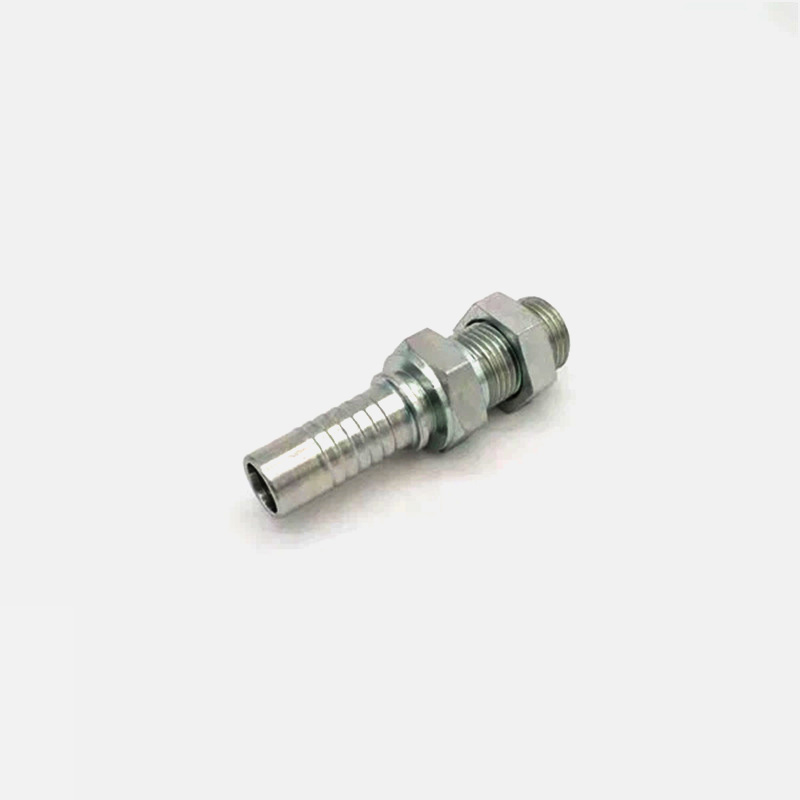
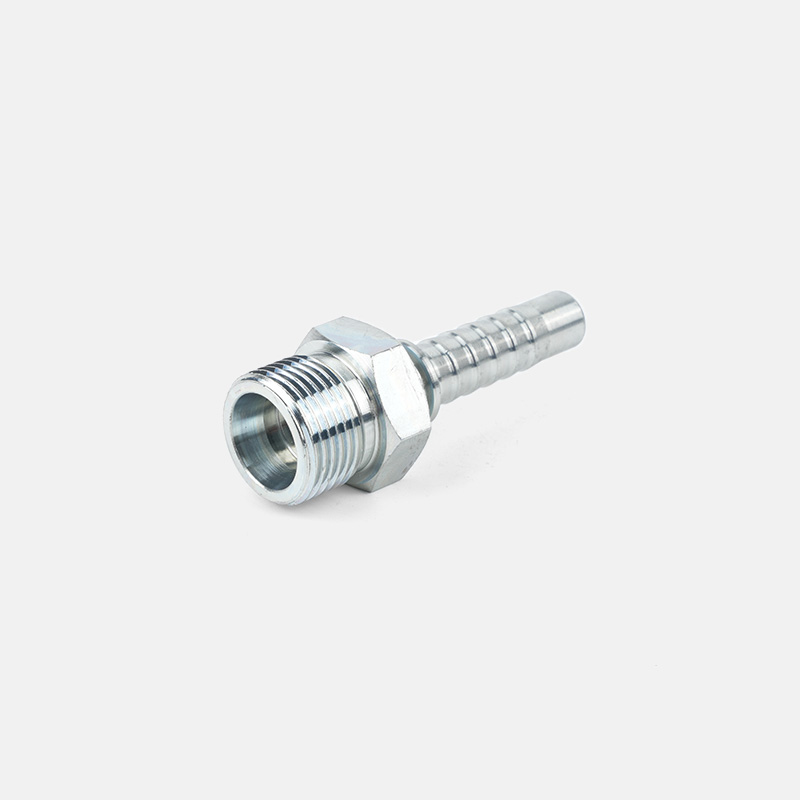
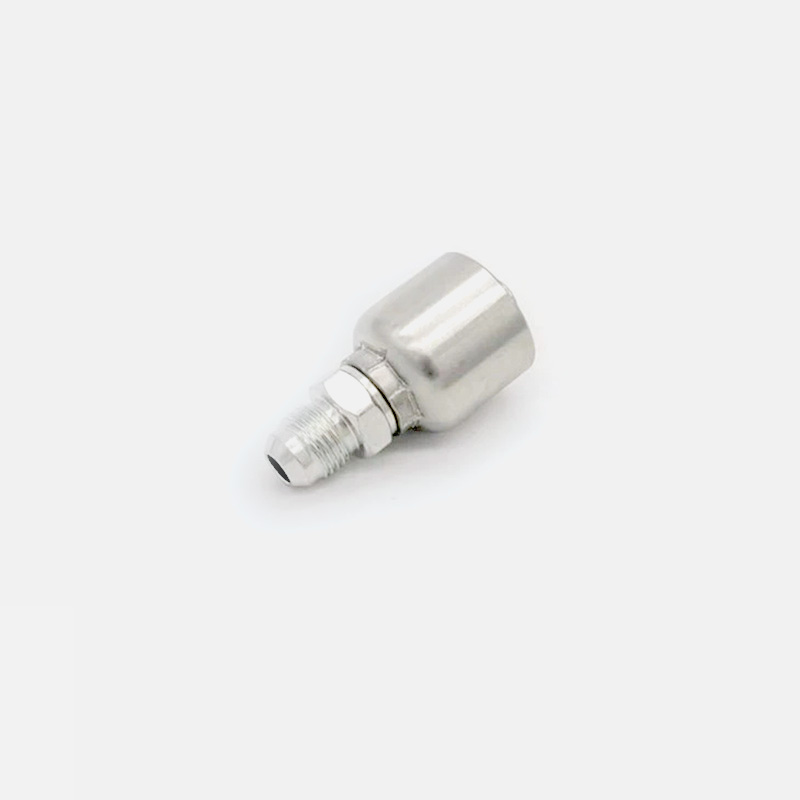
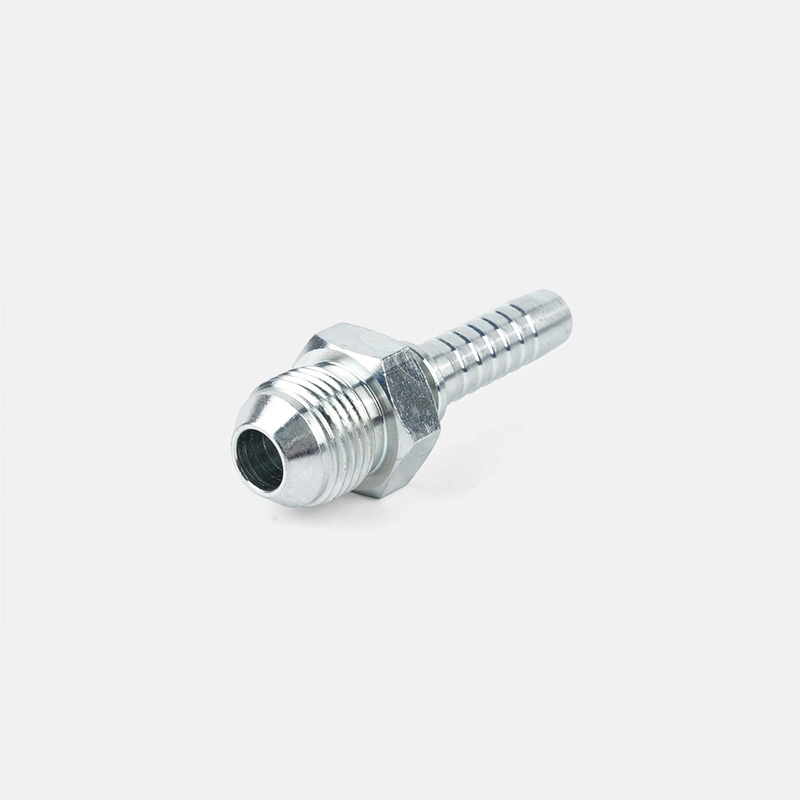 Jic 37 Male FittingsCompany Profile Established in 1999, Zhejiang Tianxiang Machine Fittings Co., Ltd. is China Jic 37 Male Fittings Suppliers and Jic 37 Male Fittings Factory , integrati...View Product →
Our own range covers the JIC side of the family in depth, alongside NPT, ORFS, BSP and metric 24-degree cone fittings. If you would like to compare thread forms and configurations before ordering, you can browse our hydraulic hose fittings and adapters by standard and connection type.
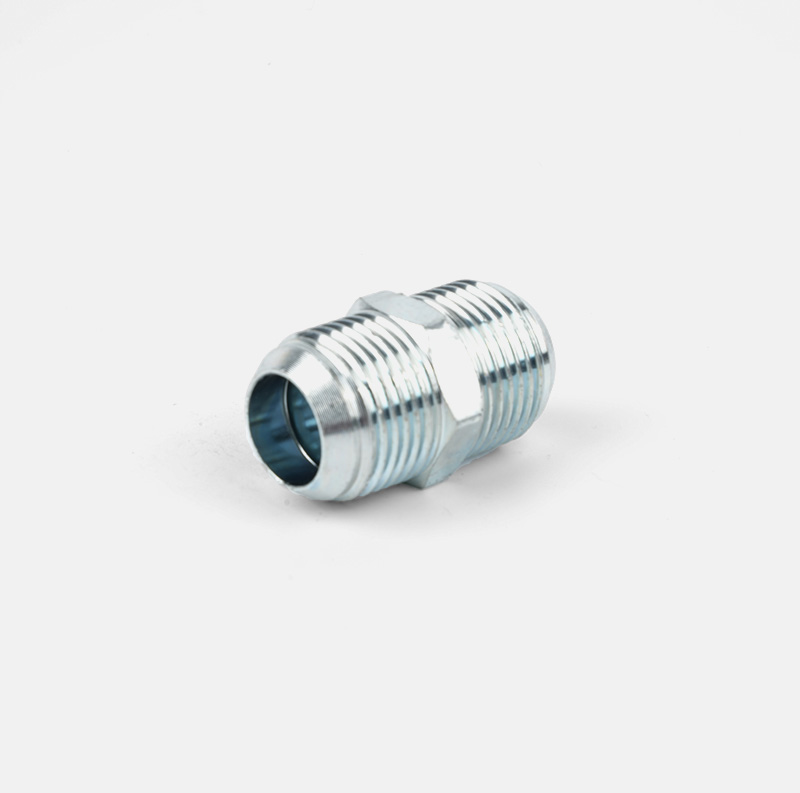 Jic 37 Adapters-1JCompany Profile Established in 1999, Zhejiang Tianxiang Machine Fittings Co., Ltd. is China Jic 37 Adapters-1J Suppliers and Jic 37 Adapters-1J Factory , integrating R...View Product →
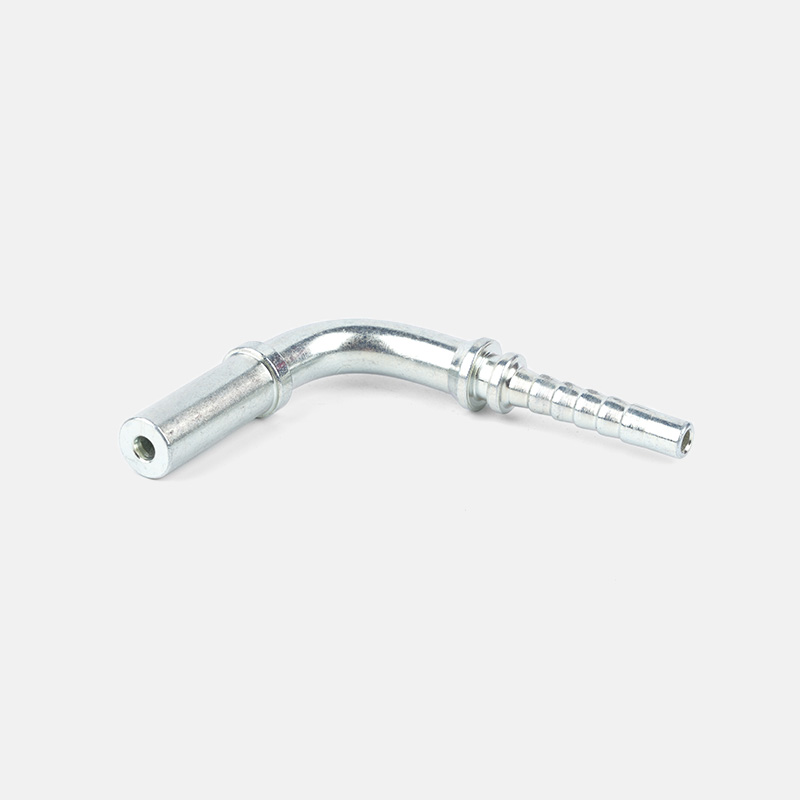
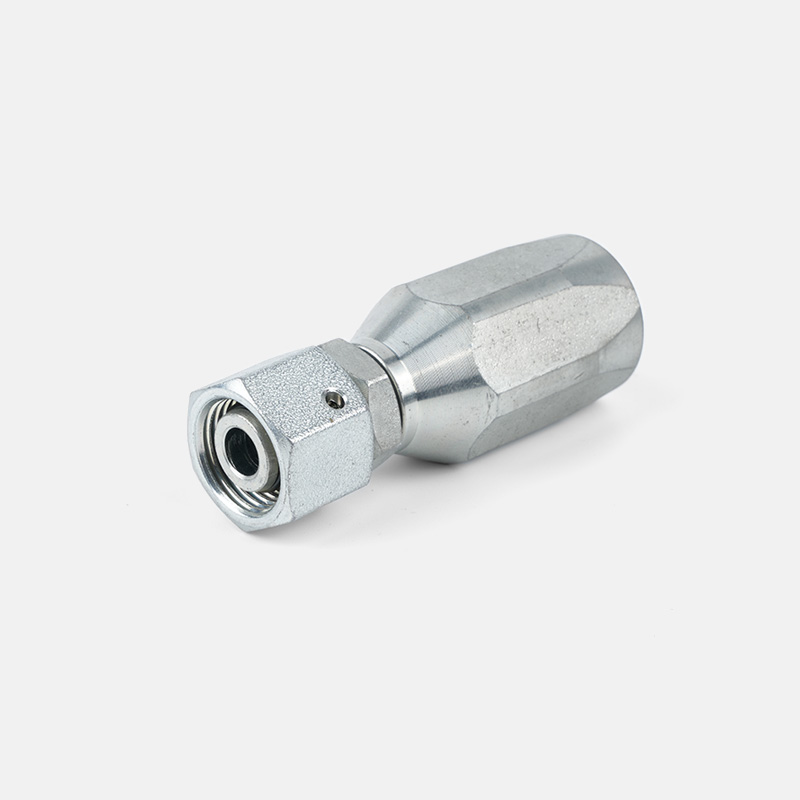
JIC 37-degree adapters are available as straights, 45-degree and 90-degree elbows, tees, bulkhead fittings and plugs, which makes it straightforward to build a complete circuit without mixing standards. For hose assemblies we also supply JIC female swivel ends with the 74-degree included cone, the counterpart that seats against the male flare.
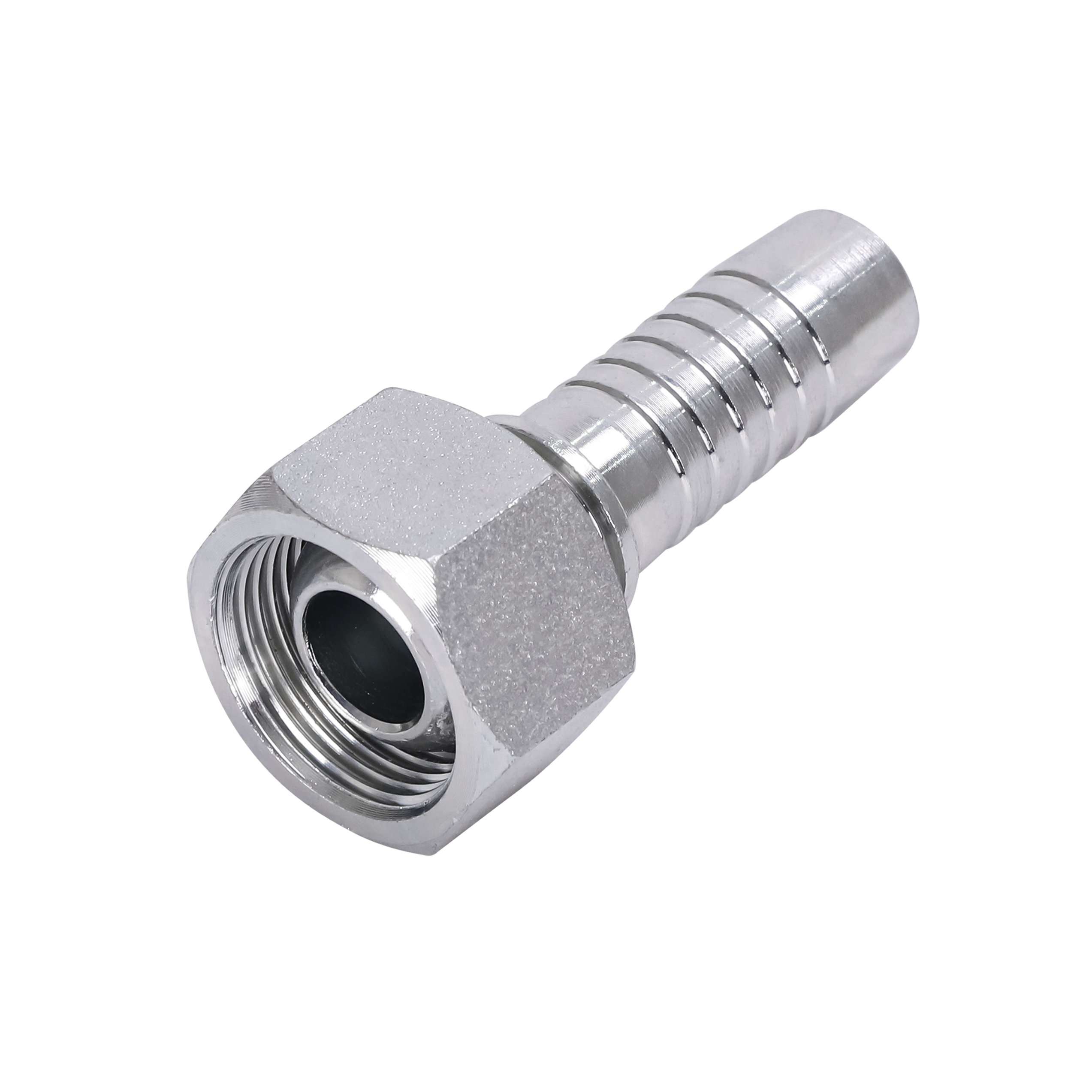
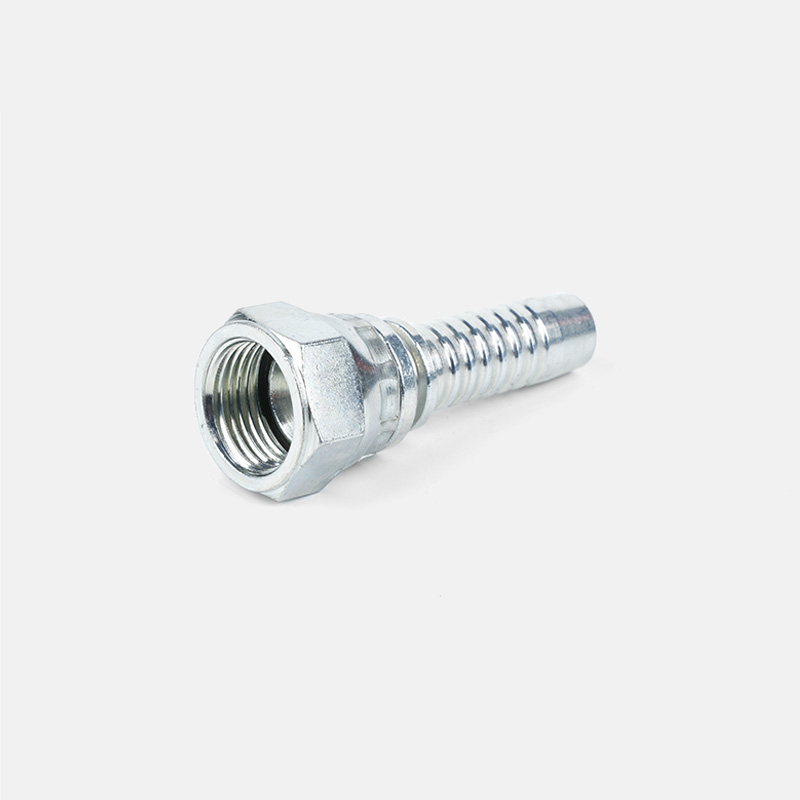 JIC Female 74° Cone Seat Hose Fitting Series 26711This JIC female 74° cone seat hose fitting completes hydraulic hose assemblies as the counterpart to male flare ends, with multiple size and material options.View Product →
Assembly and Maintenance Notes
Whichever standard you settle on, the joint will only perform as well as it is assembled. Keep the flare and the seat clean and free of burrs, align the tube so the nut starts by hand, and lubricate the threads lightly with clean hydraulic oil. Hand-tight plus about a quarter turn is a common field rule for 37-degree flare fittings, but always check the torque table for the specific size and material, because aluminium AN fittings need noticeably less torque than steel JIC parts.
Inspect the flare for cracks or a rolled edge whenever a joint is opened, and replace any nut whose threads are flattened or galled. Our guide on how to properly install and maintain hydraulic hose fittings walks through the same steps in more detail.
AN and JIC fittings were built around the same 37-degree flare, and in many sizes they will physically connect. What separates them is tolerance, material control and paperwork, and those are exactly the things that decide whether a joint survives a pressure spike at minus twenty degrees on a machine that cannot afford downtime. Match the standard to the application, keep both halves of every joint consistent, and the AN versus JIC question becomes a simple one to answer.
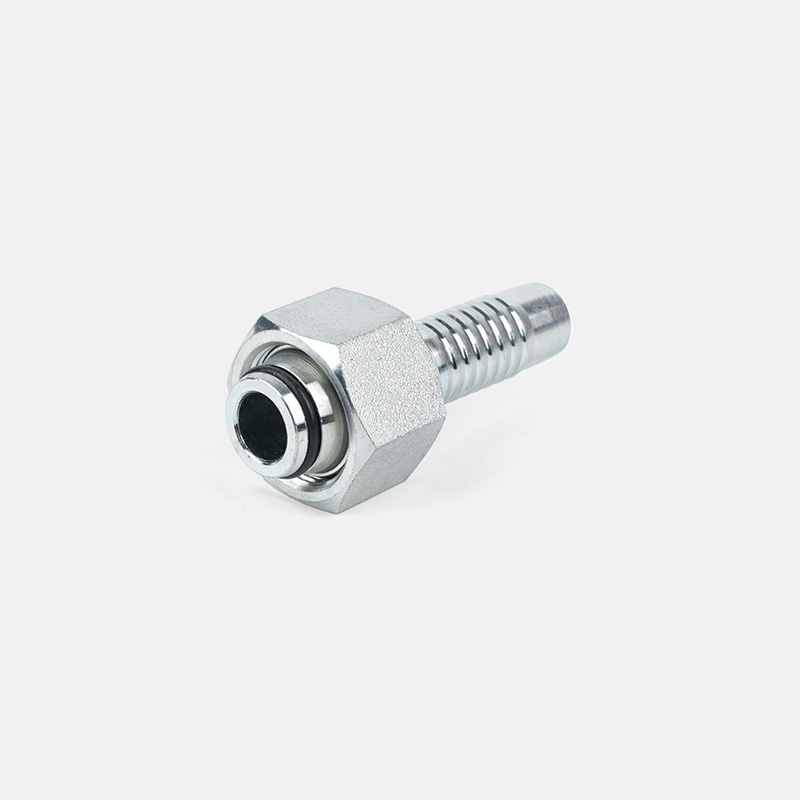


Custom hydraulic accessories
From concept to production, we can create the products you want
Products
Contact Information
-

Tel: +86-159-6851-8588
-

E-mail: [email protected]
-

Add:Zhu Jia Station Village, Diankou Town, Zhuji City , Zhejiang Province, China
