


Language
ENG
Enter Keywords...

NEW
 Home / News / industy news / Understanding AN to JIC Hydraulic Fittings: Compatibility and Key Differences
Understanding AN to JIC Hydraulic Fittings: Compatibility and Key Differences
 2026.10.19
 industy news
If you have spent any time around motorsport, hydraulic systems, or high-pressure fluid transfer, you have likely come across the terms AN and JIC. Many professionals use them as if they were the same, and in many cases they do mate together. But the truth is more nuanced. With over two decades in the hydraulic fittings industry, we at Zhejiang Tianxiang have supplied thousands of customers worldwide with connections that must seal reliably under pressure. In this article, we will break down what AN and JIC fittings are, where they differ, and how to make the right choice for your application.
What Are AN and JIC Fittings?
Both AN (Army-Navy) and JIC (Joint Industry Council) refer to a 37° flared connection system that uses a male cone and female flare seat to create a metal-to-metal seal. The threads are Unified Fine (UNF) with a 60° thread form. Historically, AN was developed for military and aerospace use under strict tolerances, while JIC became the industrial standard for general hydraulic applications. Dimensionally, they are identical – the same thread pitch, seat angle, and overall dimensions. The critical difference lies in the manufacturing tolerance.
AN fittings are held to tighter tolerances (typically Class 2 or 3, with closer thread fits) and more rigorous inspection standards. JIC fittings, while using the same dimensional blueprint, are allowed a wider tolerance range. This makes JIC more cost‑effective for industrial and automotive use, while AN is preferred when ultimate reliability and leak‑tightness are non‑negotiable – such as in aircraft fuel lines or high‑performance racing.
Are AN and JIC Interchangeable?
The short answer is: Yes, in most practical situations, AN and JIC male/female parts will physically connect and seal because the 37° seat angles and UNF threads match. However, the long answer depends on the application. Because AN parts have tighter threads and stricter surface finish, a JIC male fitting may feel slightly looser when threaded into an AN female, and vice versa. In low‑pressure fluid transfer like oil or fuel, this rarely causes problems. In high‑pressure hydraulic systems (over 3,000 psi), the looser fit can increase the risk of leakage over time, especially under vibration or thermal cycling.
For permanent or high‑demand circuits, we recommend matching like with like – AN to AN or JIC to JIC. For temporary repairs or field substitutions, a JIC‑to‑AN connection will work, but inspect the seal regularly. The table below illustrates the most common sizes and their UNF thread designations.
| Dash Size | Nominal Tube OD (inch) | Thread (UNF) | Thread Pitch (TPI) |
|---|---|---|---|
| -4 | 1/4 | 7/16-20 | 20 |
| -6 | 3/8 | 9/16-18 | 18 |
| -8 | 1/2 | 3/4-16 | 16 |
| -10 | 5/8 | 7/8-14 | 14 |
| -12 | 3/4 | 1-1/16-12 | 12 |
| -16 | 1 | 1-5/16-12 | 12 |
How to Identify AN vs. JIC Parts
On the component itself, markings are the most reliable indicator. AN fittings are usually stamped with “AN” or “MS” (Military Standard) followed by the dash size. JIC fittings may have “JIC”, “SAE”, or simply the thread size. If an identification number is not visible, check the thread class: AN typically uses Class 3A (external) or 3B (internal), while JIC uses Class 2A/2B. You can also examine the surface finish – AN parts often have a smoother, more uniform plating.
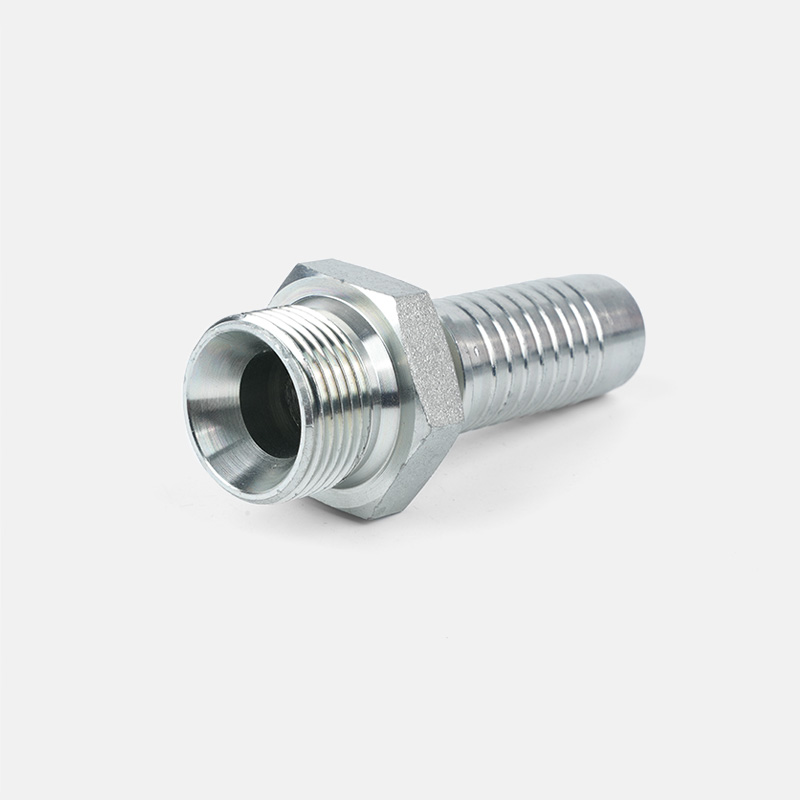
If you are working with existing hoses and need to verify compatibility, our 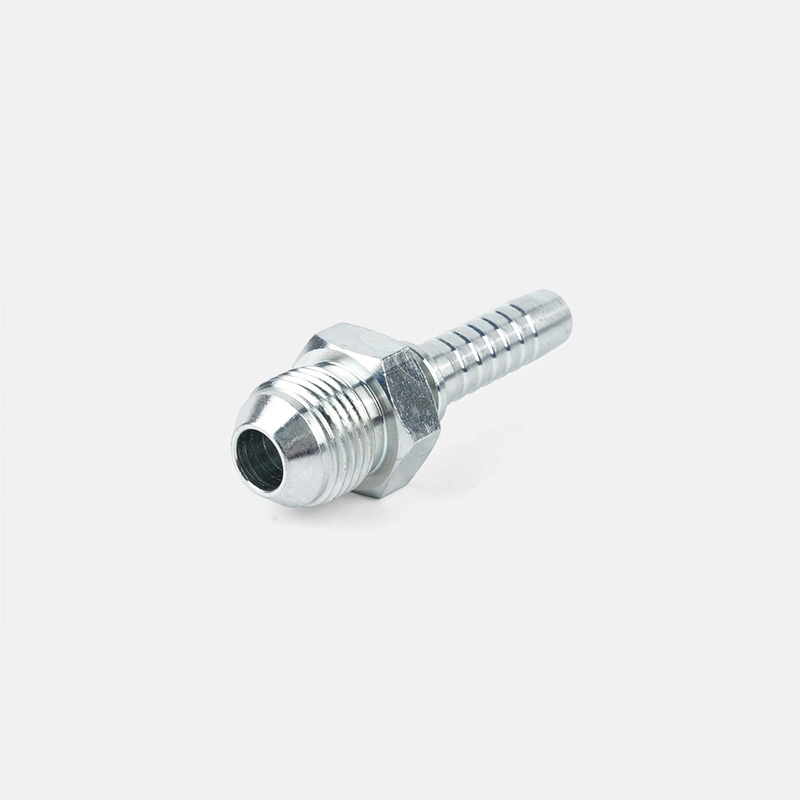 JIC 37° Male Fittings for Hydraulic Tube ConnectionsThese SAE J514-compliant 37-degree flare fittings provide a reliable seal for medium-pressure systems, bridging the cost gap between AN strictness and JIC economy.View Product →JIC 37° male fittings and
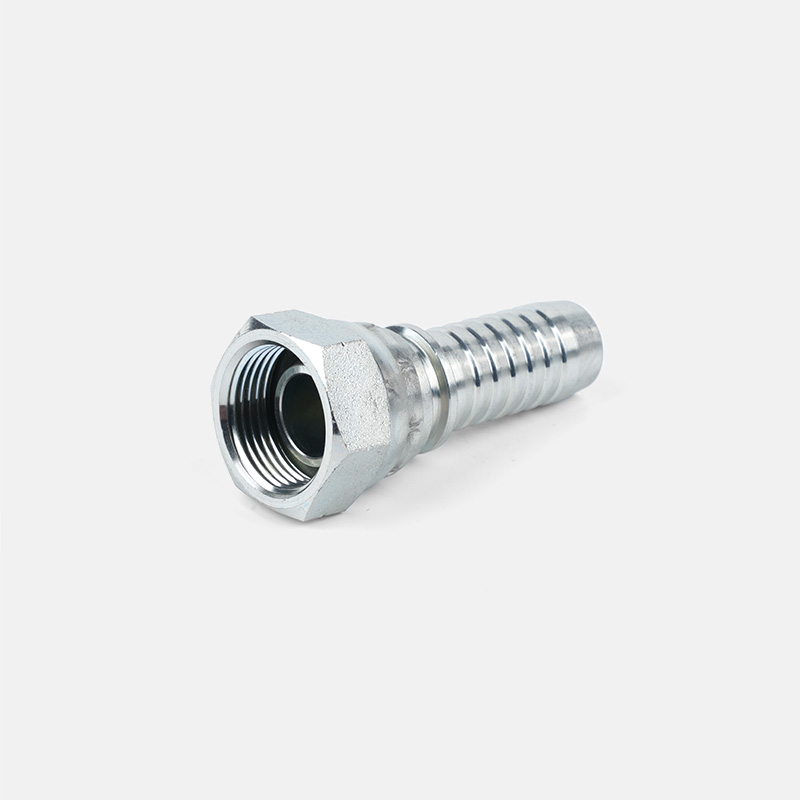
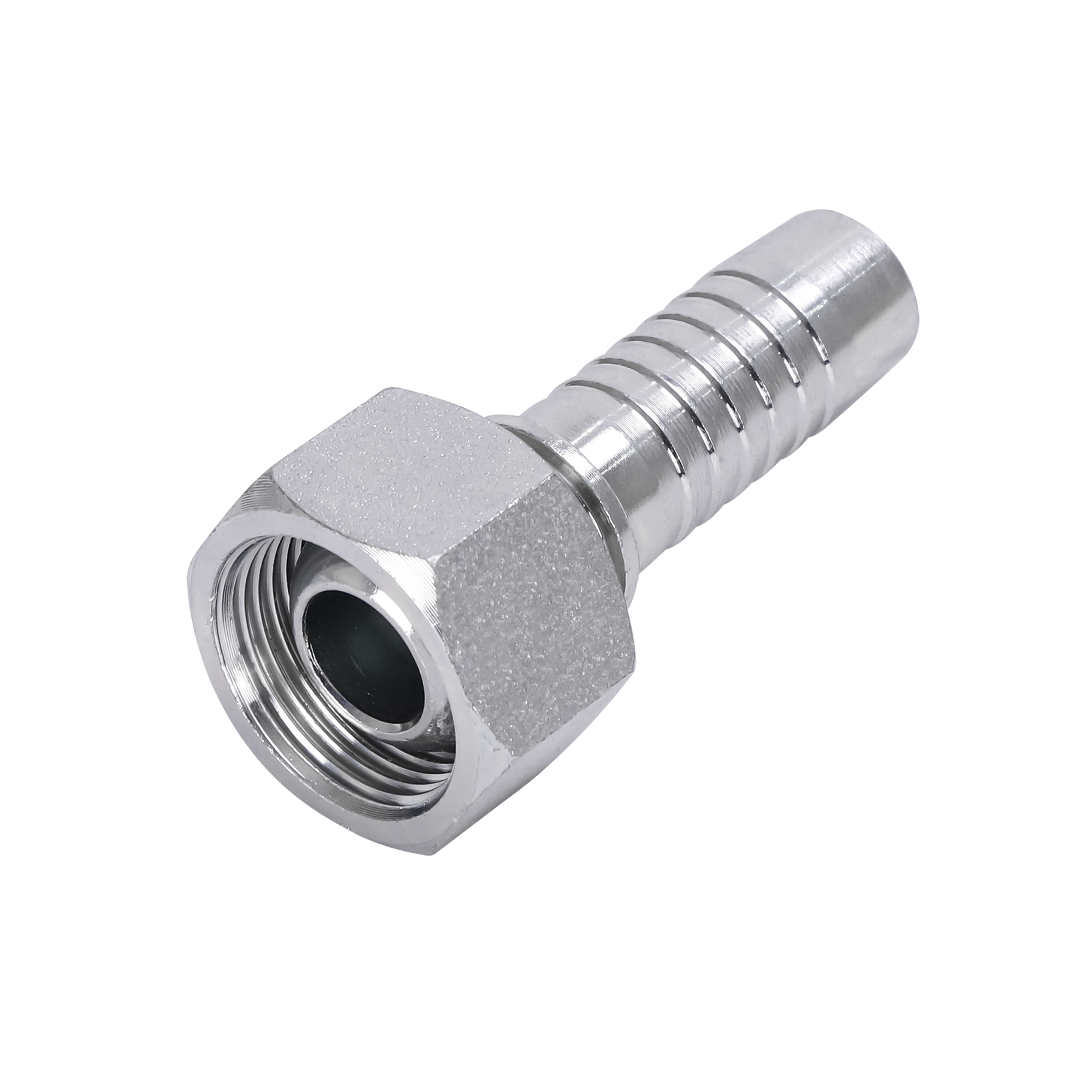
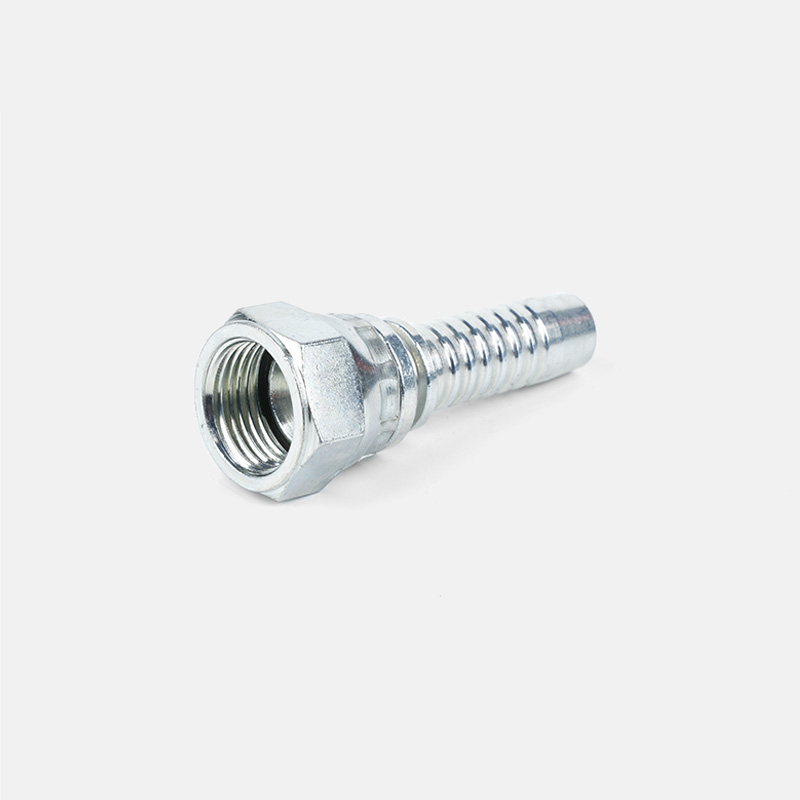 JIC Female 74° Cone Seat FittingsPrecision-machined female fittings with a 74-degree cone seat that mate with JIC male ends, ensuring leak-proof joints for hydraulic and fuel lines.View Product →JIC female 74° cone seat fittings offer precise tolerances that bridge the gap between AN strictness and JIC economy. We also stock
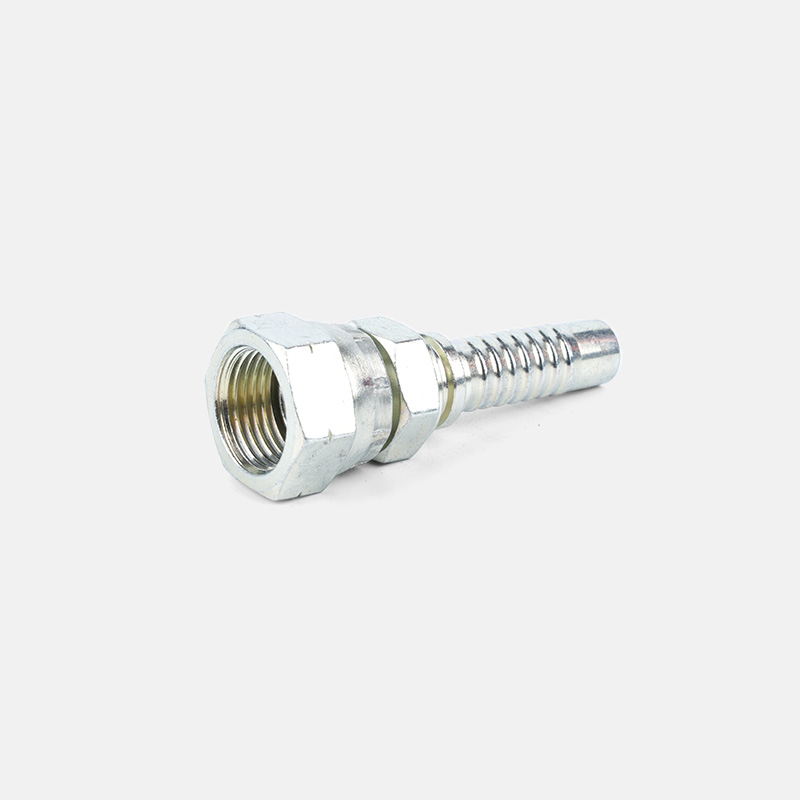
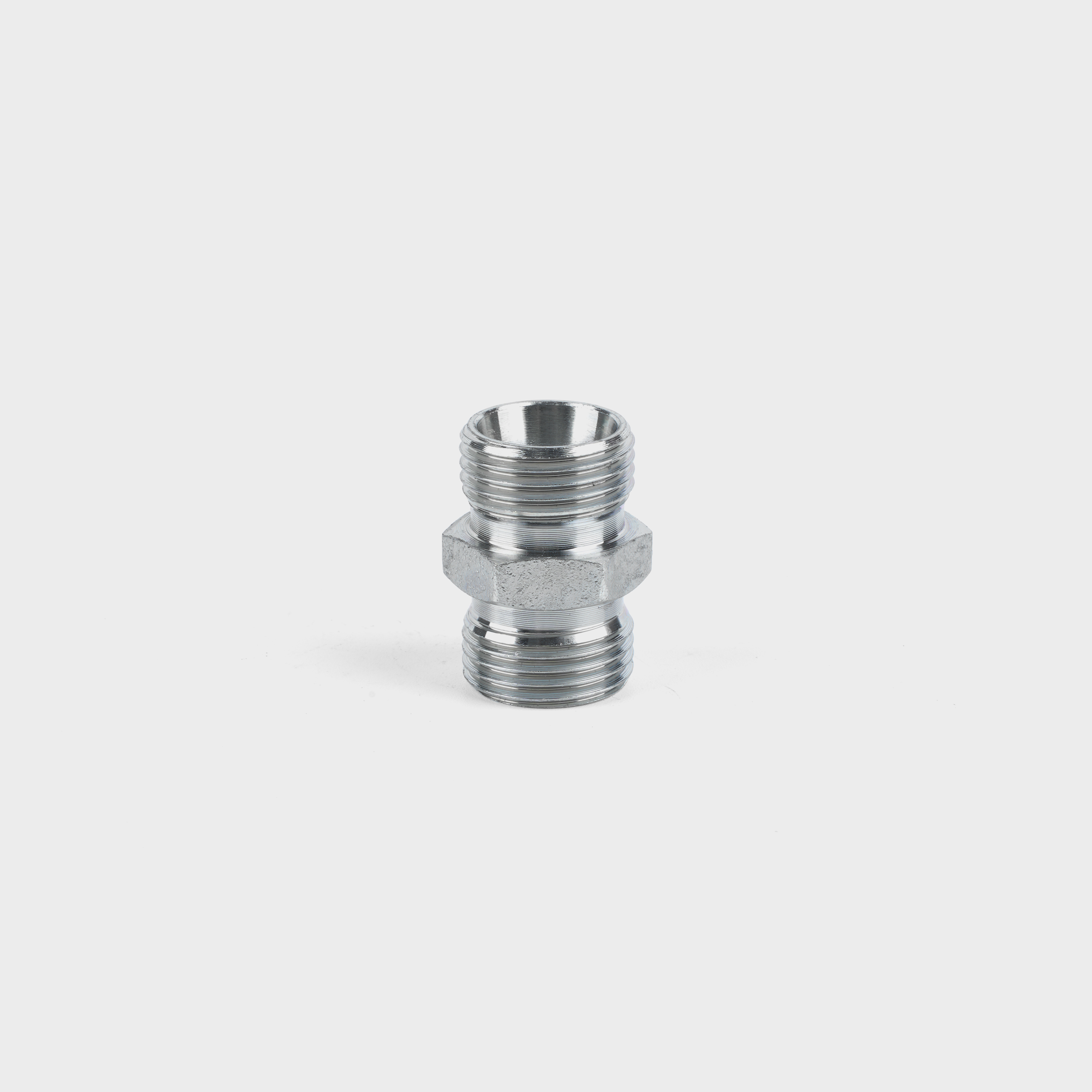
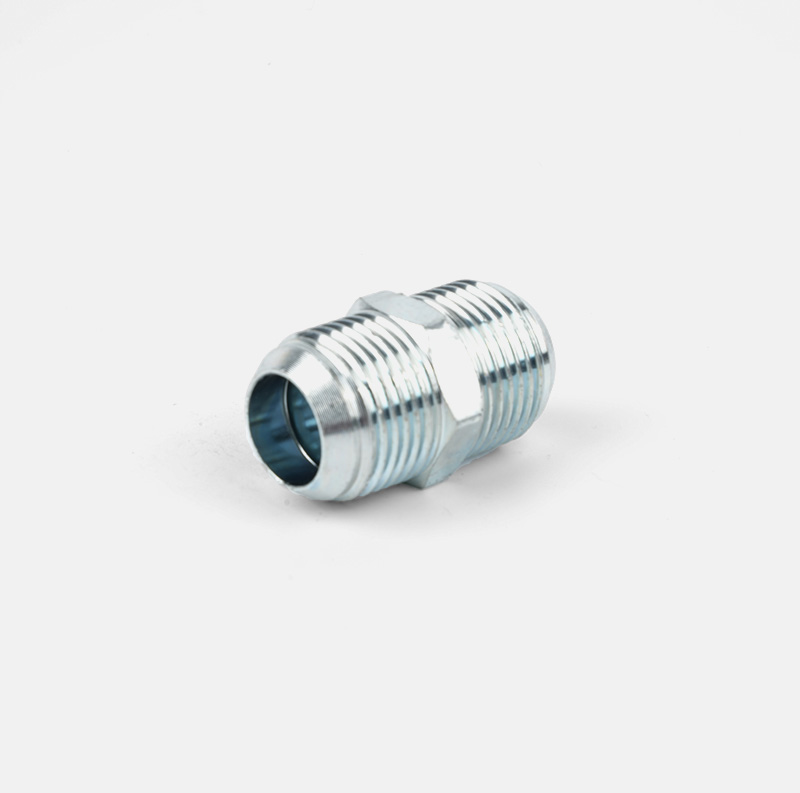 JIC 37° Male Adapters for Hydraulic LinesStraight hex nipples with dual JIC threads for connecting hoses and pipes in high-pressure systems, ideal for standard conversion or extension.View Product →JIC 37° adapters for converting between standards or connecting to port adapters.
Application Considerations – Which One Should You Choose?
For Motorsport and High‑Performance Vehicles
The aftermarket often uses the term “AN” loosely, but many “‑AN” hoses and fittings on the market are actually manufactured to JIC tolerances because they are less expensive. That is perfectly fine for oil coolers, fuel lines, and catch can systems where pressures stay under 500 psi. If you are building a race car that must survive extended high‑temperature runs, we recommend sourcing genuine AN‑certified components for peace of mind.
For Industrial Hydraulics
JIC is the predominant standard in construction equipment, agricultural machinery, and general manufacturing. The lower cost and wide availability make it the go‑to choice for OEMs and repair shops. With proper installation and maintenance, JIC fittings handle thousands of cycles without issue. For a deeper dive into installation best practices, check our guide on how to properly install and maintain hydraulic hose fittings.
For Aerospace and Defense
Here, AN (or its modern equivalent MS/NAS) is mandatory. The tighter tolerances, stricter material certification, and traceability requirements are non‑negotiable in flight‑critical systems. Never substitute JIC for AN in aviation without explicit engineering approval.
Material Selection and Surface Treatment Matter
Whether you choose AN or JIC, the material and coating play a huge role in performance. Carbon steel with zinc plating is the most common for JIC fittings, offering good corrosion resistance for indoor and general outdoor use. For environments with high moisture, salt spray, or chemical exposure, stainless steel (316SS) or trivalent passivation should be considered. AN fittings are often made of aluminum or stainless steel to save weight in aerospace, but heavy‑duty industrial applications may benefit from steel. We recommend reviewing our technical article on material selection and surface treatment of reusable fittings for a complete comparison.
Final Thoughts
Understanding the relationship between AN and JIC fittings empowers you to make informed decisions for your system’s safety, budget, and longevity. While they are dimensionally identical and often interchangeable, the tolerance gap creates real differences in high‑stress applications. At Jiangru Import & Export, we manufacture both JIC and high‑precision fittings that meet or exceed SAE J514 and MIL‑F‑5509 specifications. Our team of over 120 technicians and 300 CNC machines ensures that every part delivers consistent performance – whether you need standard JIC for your fleet or tighter‑tolerance parts for specialised equipment.
If you have questions about a specific application or need help selecting the right product, feel free to contact us – we are here to support you with customised solutions and 24/7 after‑sales service.
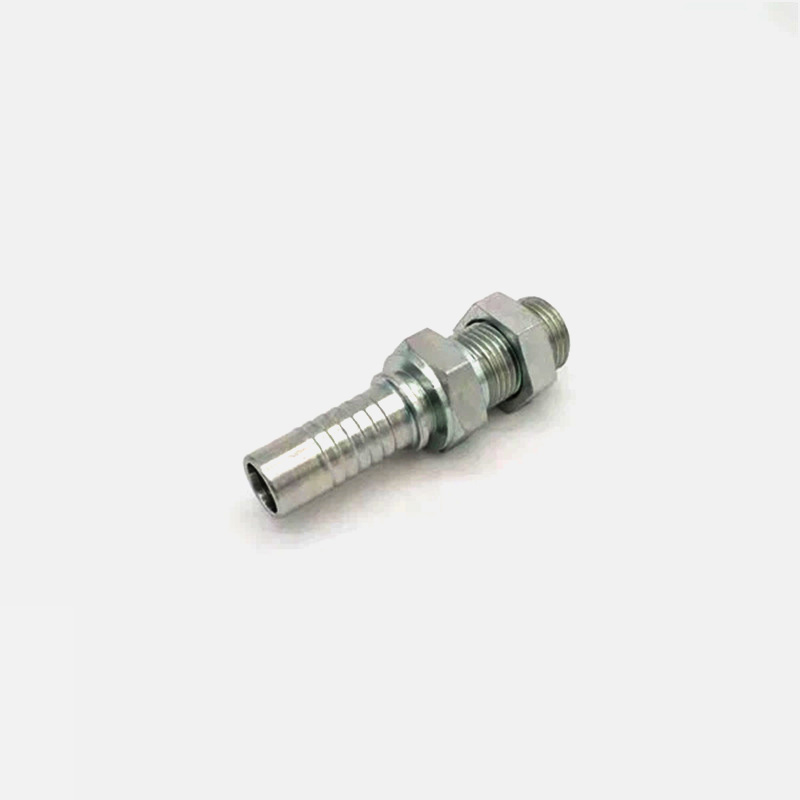

Custom hydraulic accessories
From concept to production, we can create the products you want
Products
Contact Information
-

Tel: +86-159-6851-8588
-

E-mail: [email protected]
-

Add:Zhu Jia Station Village, Diankou Town, Zhuji City , Zhejiang Province, China
