


Language
ENG
Enter Keywords...

NEW
 Home / News / industy news / SAE 100R1 Hose Explained: Specs, Fittings, and Selection Tips for Hydraulics
SAE 100R1 Hose Explained: Specs, Fittings, and Selection Tips for Hydraulics
 2026.10.12
 industy news
If you work with hydraulic systems, you have likely come across SAE 100R1 hose on datasheets, replacement lists, or hose assembly drawings. The short version: 100R1 is a wire-reinforced rubber hose designed for medium-pressure hydraulic lines. But the hose itself is only half of a reliable assembly. The fitting, ferrule, and crimping method determine whether the connection leaks, fails early, or delivers years of service. Understanding what 100R1 actually specifies, and how to pair it with the correct fittings, saves you from costly downtime and safety incidents.
What Is SAE 100R1 Hose?
SAE 100R1 is a hydraulic hose standard defined by the Society of Automotive Engineers. It describes a flexible hose made of synthetic rubber with a single layer of braided high-tensile steel wire. This construction gives it a good balance of strength, flexibility, and cost, which is why it appears in countless mobile and industrial hydraulic applications.
The standard is performance-based rather than dimension-only. It specifies maximum working pressure, minimum burst pressure, temperature range, and minimum bend radius for each dash size. A hose labeled 100R1 must meet those values regardless of the exact rubber compound or braid pattern used by the manufacturer.
One important distinction: SAE 100R1 is often compared to SAE 100R2, which uses two layers of wire braid. For the same dash size, 100R2 offers roughly double the working pressure. If your system pressure sits comfortably within 100R1 limits, the single-wire hose gives you lower cost, lighter weight, and better flexibility. If you need extra pressure margin or are replacing an existing 100R2 assembly, do not downgrade without checking the full operating envelope.
| Dash Size | Hose OD (mm) | Working Pressure (MPa) | Min. Burst Pressure (MPa) | Min. Bend Radius (mm) |
|---|---|---|---|---|
| -04 (1/4") | 12.7 | 20.7 | 82.8 | 50.8 |
| -06 (3/8") | 15.9 | 15.9 | 63.4 | 63.5 |
| -08 (1/2") | 19.0 | 13.8 | 55.2 | 76.2 |
| -12 (3/4") | 25.4 | 10.3 | 41.4 | 101.6 |
| -16 (1") | 31.8 | 8.6 | 34.5 | 127.0 |
Construction and Material Characteristics
A typical SAE 100R1 hose has three layers: a synthetic rubber inner tube that carries the fluid, one braided steel wire reinforcement layer, and an oil- and weather-resistant synthetic rubber cover. The inner tube must be compatible with petroleum-based hydraulic fluids, water-glycol fluids, and most industrial lubricating oils. It is not generally rated for vegetable oils, biodiesel, or severe chemical service unless the manufacturer explicitly states otherwise.
The single wire braid gives 100R1 its pressure rating while keeping the hose relatively flexible. Compared to spiral-wound hoses used in ultra-high-pressure applications, 100R1 is easier to route in tight spaces and requires less force during installation. That flexibility also makes it a common choice for return lines, case drain lines, and medium-pressure pressure lines on agricultural equipment, construction machinery, and material handling equipment.
Temperature range is another purchasing consideration. Most 100R1 hoses are rated for -40°C to +100°C for continuous hydraulic oil service, with some manufacturers allowing intermittent operation up to +125°C. If your equipment runs near the upper limit for extended periods, check the hose brand's data sheet rather than assuming the standard guarantees that margin. The SAE standard sets a minimum performance level; premium compounds may offer wider ranges or better abrasion resistance.
Choosing the Right Fittings for 100R1 Hose
Selecting the correct fitting is as important as selecting the hose itself. A 100R1 hose assembly fails most often at the connection point, not in the middle of the hose run. The fitting must match the hose's nominal diameter, the thread standard of the port, and the crimping style used by your assembly equipment.
There are two primary attachment methods for 100R1 hose: skive and non-skive. In a skive-type connection, the outer rubber cover is removed before crimping so the ferrule grips the wire braid directly. This creates a very strong mechanical bond and is common in heavy-duty applications. In a non-skive (or "no-skive") connection, the cover is left intact, and the ferrule is designed to bite through the cover and grip the reinforcement layer during crimping. Non-skive fittings speed up assembly and reduce labor time because you eliminate the skiving step.
For 100R1 hoses that meet EN853 1SN or SAE 100R1AT requirements, a non-skive ferrule is often the most efficient choice. These ferrules are manufactured to precise internal geometries that match the hose's cover thickness and braid diameter. Using the wrong ferrule, or mixing ferrules from different manufacturers, can lead to insufficient grip and sudden fitting blow-off under pressure.
When you need a replacement assembly, compatibility matters. A ferrule made for SAE 100R1AT hose is engineered specifically for that hose's dimensions. If your hose is a different brand but the same specification, the ferrule may still work, but you should verify the crimp diameter range with a micrometer and perform a burst test on a sample assembly. Field experience shows that small differences in rubber hardness or braid tension change the optimal crimp diameter.
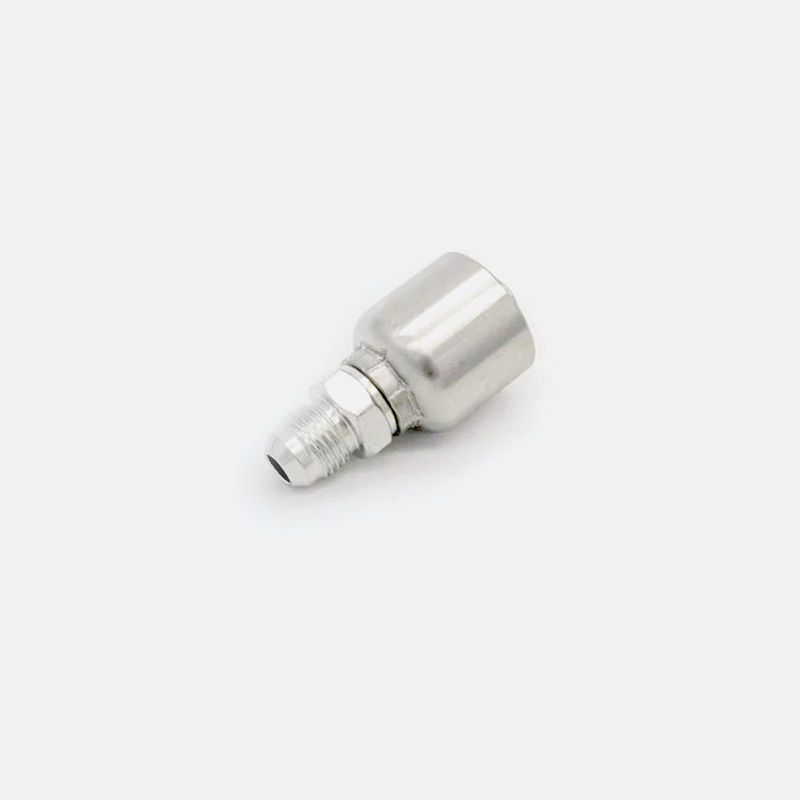
For maintenance teams that assemble hoses in-house, using a matching ferrule and fitting system simplifies inventory. The 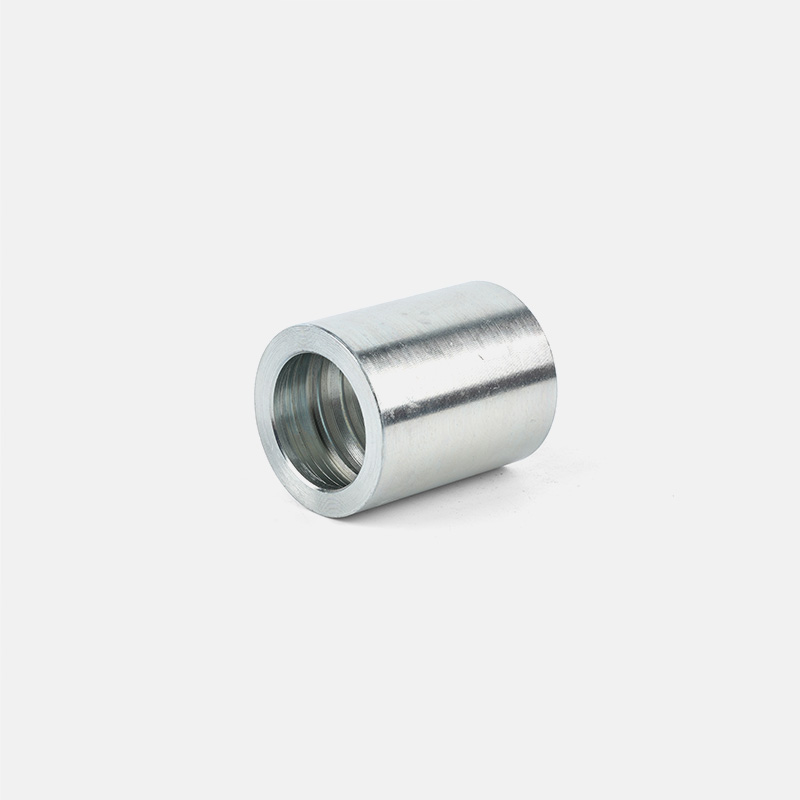 SAE 100R1AT / EN853 Non-Skive Ferrules for Single-Wire Braid HoseThese ferrules match 1SN single-wire braid hoses and work with standard crimping machines, simplifying in-house hose assembly. Pair them with the right fitting end configurations for your pump, valve, or cylinder.View Product → is a direct example of a component designed for this exact hose class. It suits single-wire braid hoses in the 1SN category and pairs with standard crimping machines.
Standard Options for 100R1 Hose Fittings
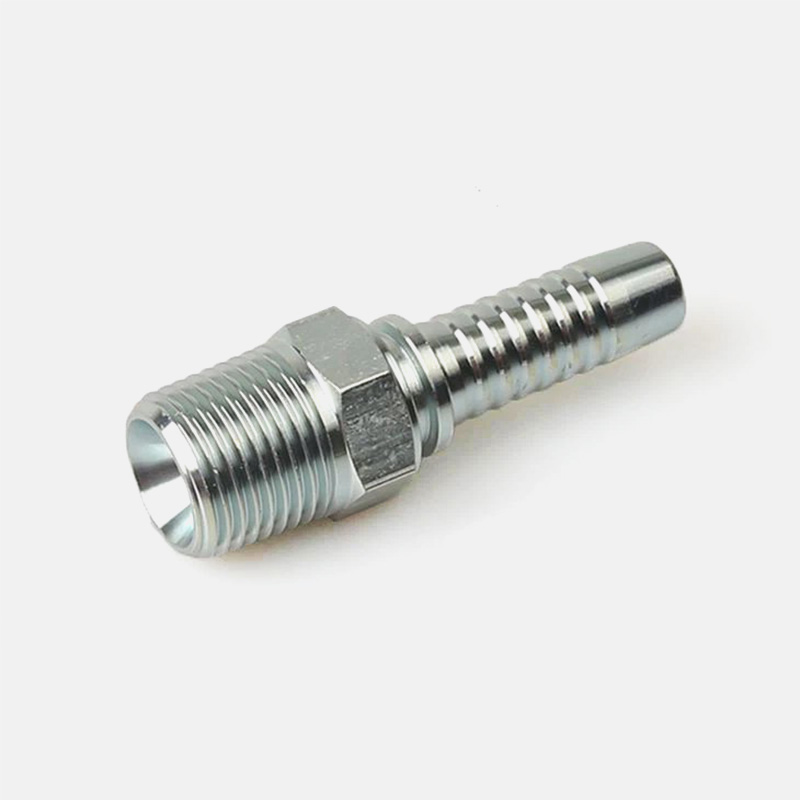
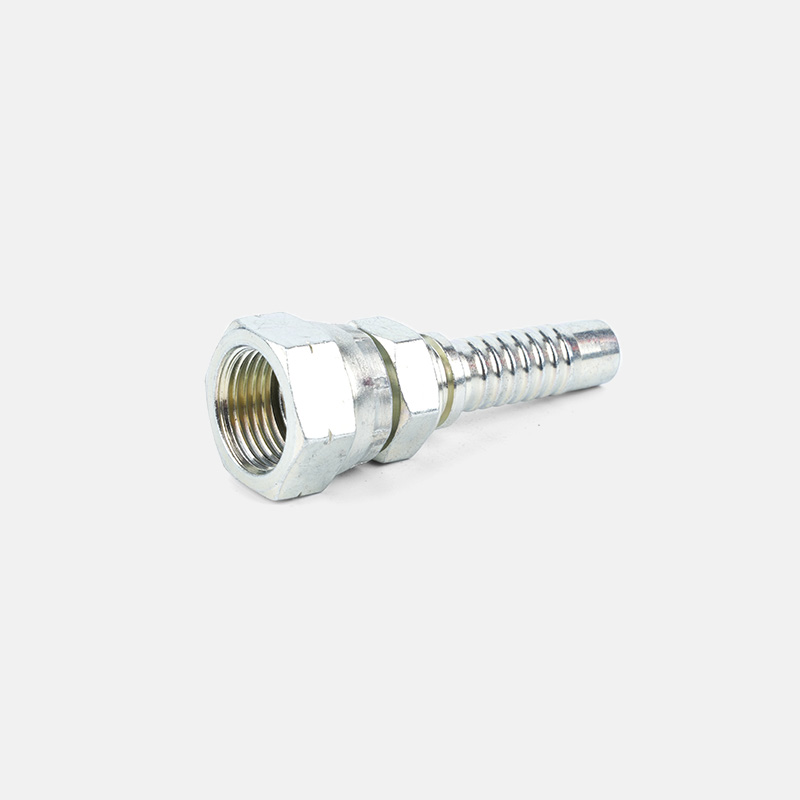
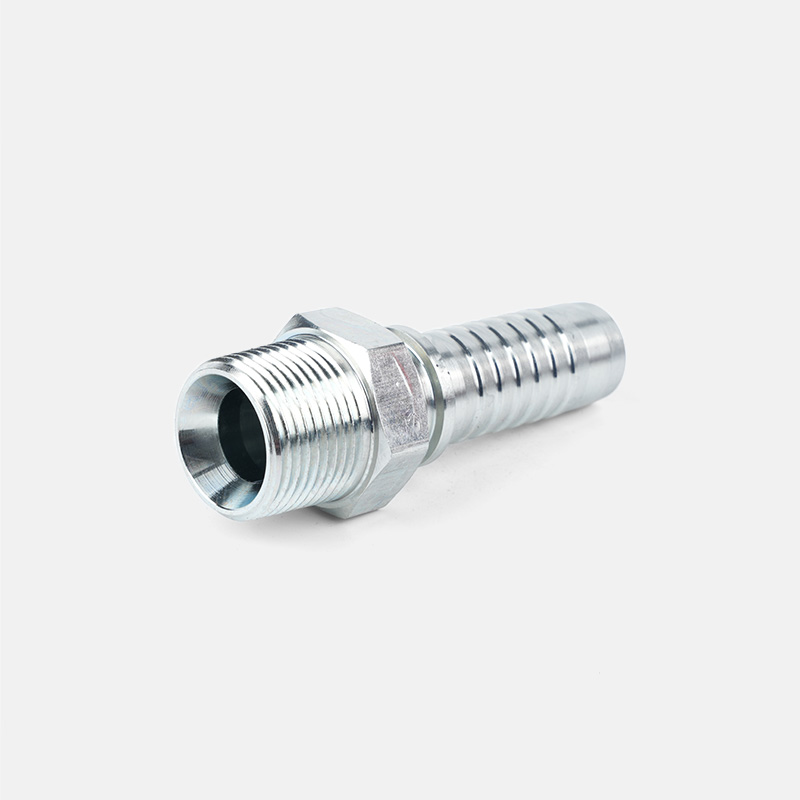
100R1 hose assemblies use the same fitting end configurations as other hydraulic hoses. The choice depends on the port type on your pump, valve, cylinder, or motor. Common options include:
- JIC 37° flared fittings for general-purpose industrial connections
- NPT tapered pipe threads for low-pressure and intermediate hydraulic lines
- BSPP and BSPT fittings for European and Asian equipment
- Metric 24° cone fittings for DIN-standard machinery
- ORFS flat-face O-ring fittings for high-pressure, leak-resistant connections
- Flange connections for large-diameter, high-pressure systems
When replacing a hose on existing equipment, never guess the thread type from visual inspection alone. A JIC male fitting and a BSPP male fitting can look nearly identical at a glance, but mixing them will damage the threads and cause leaks. Use a thread gauge or consult the original equipment manufacturer's parts list.
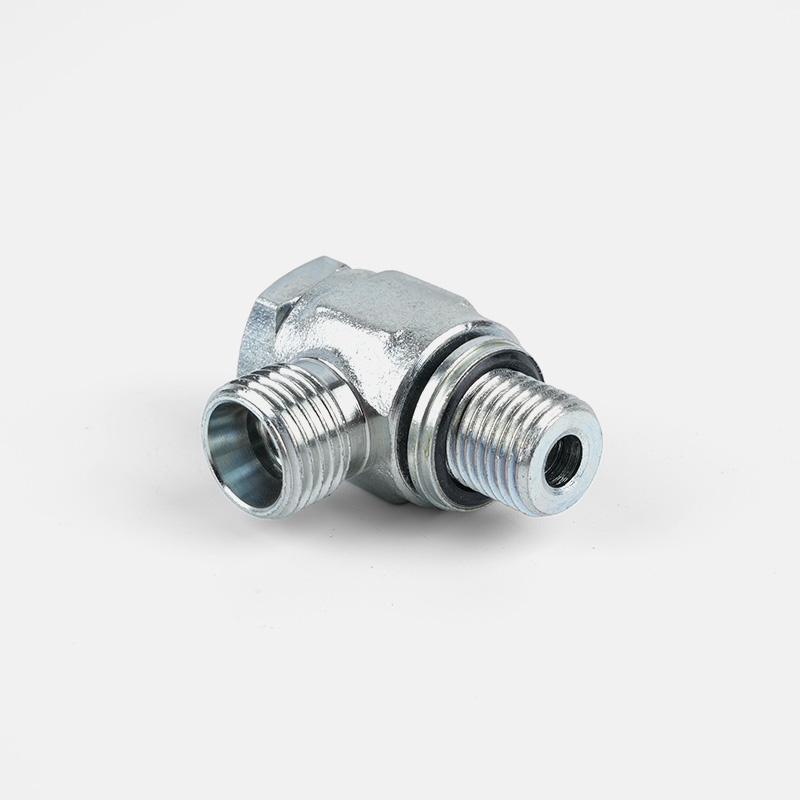
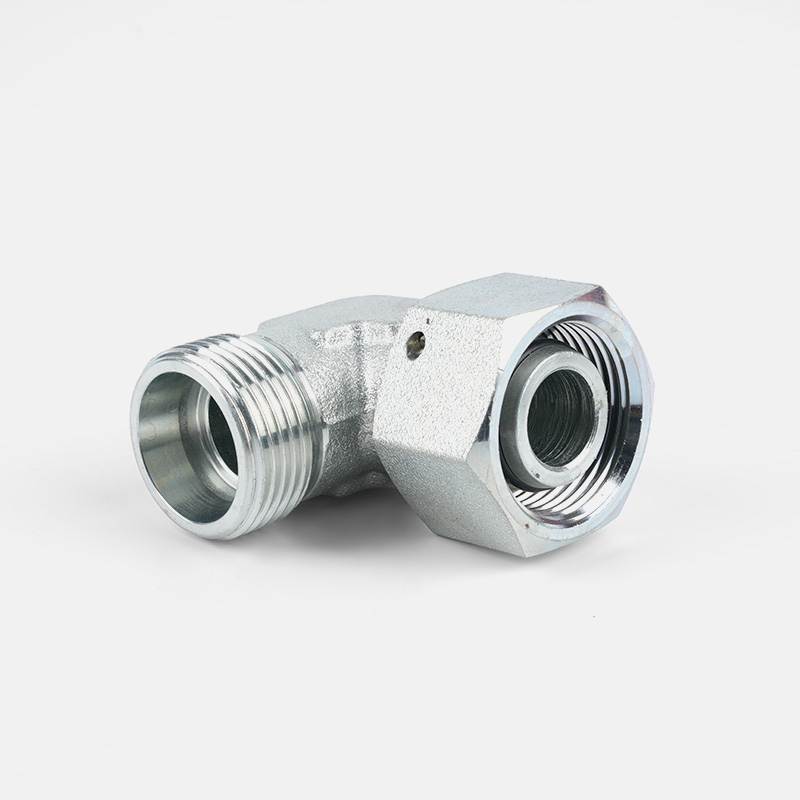
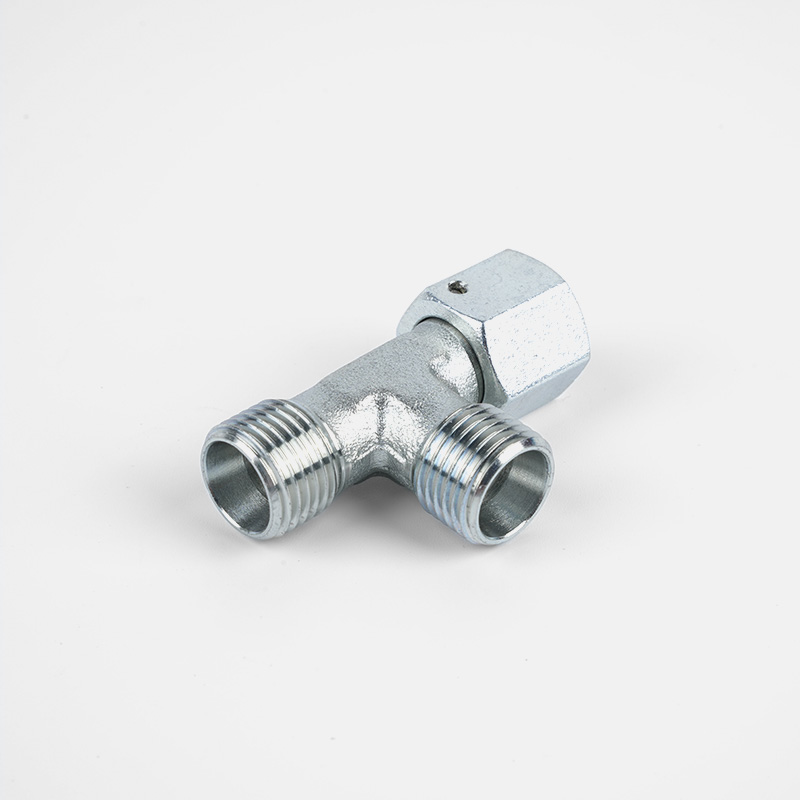
For metric machines, the 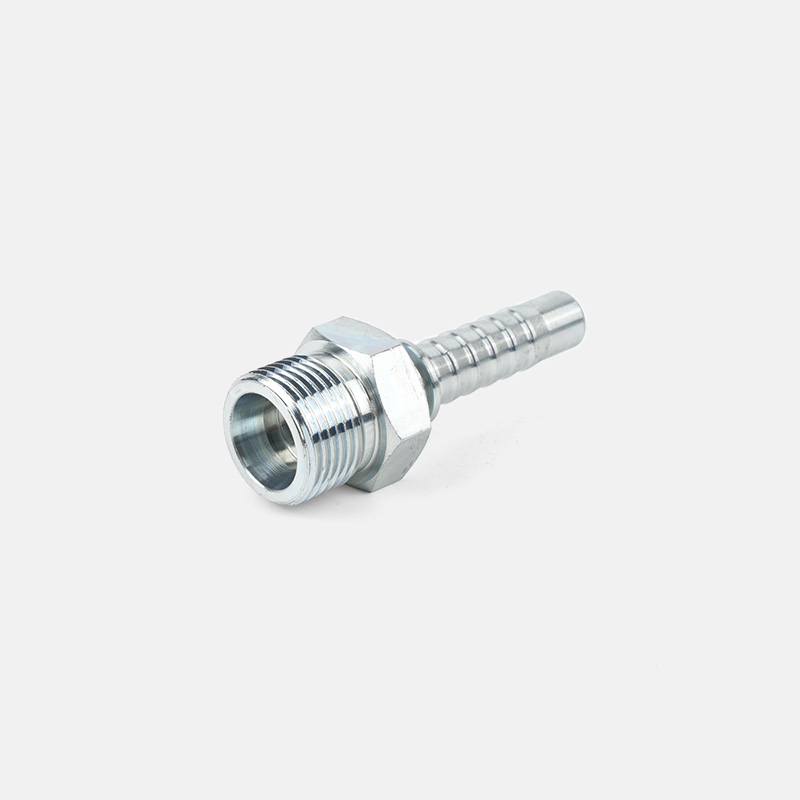 Metric DIN Hydraulic Fittings with 24° Cone SealThese fittings cover straight, elbow, and tee configurations for medium-pressure 100R1 circuits on European machinery. Standardizing on them reduces inventory and training across mixed fleets, while their forged carbon steel and zinc finish provide durability.View Product → cover a wide range of straight, elbow, and tee configurations with 24° cone sealing. These are common on European excavators, tractors, and industrial power units that use 100R1 hose for medium-pressure circuits. If you maintain mixed fleets, standardizing on a small set of fitting types reduces spare parts inventory and training time.
Crimping and Assembly Considerations
A 100R1 hose assembly is only as strong as its crimp. The crimp diameter must fall within the ferrule manufacturer's recommended range, and the crimp should be applied evenly around the circumference. Even a small deviation can cause the fitting to leak, spin, or pull out under impulse pressure.
Before crimping, cut the hose square with a sharp hose saw. A ragged cut leaves uneven cover and braid lengths, which can prevent the fitting from seating fully. Measure the cut length precisely if you are building a hose to a specific routing dimension. Remember that the fitting shank occupies part of the overall length, so the hose must be longer than the finished assembly by the depth of the fitting.
After crimping, check the ferrule diameter with a caliper at several points around its circumference. The variation should be within the tolerances specified by the ferrule manufacturer. Mark the assembly with the crimp date, hose spec, and fitting type so your maintenance records remain traceable.
For detailed guidance on fitting installation, thread sealing, and torque values, see our guide on installing and maintaining hydraulic hose fittings. It covers common mistakes like overtightening, cross-threading, and using the wrong seal tape.
Routine Inspection and Failure Signs
100R1 hose assemblies should be inspected regularly, especially in mobile equipment subject to vibration, abrasion, and weather exposure. Look for these warning signs:
- Cracks or hardening in the outer cover, which indicate ozone or heat damage
- Soft or bulging spots along the hose, suggesting inner tube separation or braid fatigue
- Kinks or flattening at bend points, often caused by routing with too small a bend radius
- Fluid seepage around the ferrule, which usually means an incorrect crimp diameter or damaged fitting seat
- Corrosion on the wire braid at the cut end, a sign that the cover was nicked during assembly
Replace any hose that shows these symptoms rather than waiting for a scheduled service interval. A catastrophic hose burst at 20 MPa can cause serious injury and damage nearby components. The cost of a replacement assembly is almost always lower than the cost of unplanned downtime and cleanup.
Common Applications of 100R1 Hose
Because of its combination of pressure capacity, flexibility, and cost, 100R1 hose appears in a wide range of equipment:
- Agricultural tractors and implements for implement lift circuits and steering lines
- Construction equipment such as skid steer loaders, mini excavators, and compactors
- Material handling equipment including forklifts and pallet jacks
- Industrial machinery with hydraulic power units and lubrication systems
- Truck and trailer hydraulic systems for dump bodies and lift gates
- Machine tool coolant and lubrication lines that operate at moderate pressure
In these applications, 100R1 hose often pairs with steel fittings such as JIC 37°, BSP, or metric 24° configurations. The hose's rubber cover resists the mild abrasion and weather exposure typical of outdoor equipment, though adding a spring guard or protective sleeve is recommended in high-wear areas.
For applications that involve frequent flexing, such as hydraulic cylinders on articulated equipment, verify the minimum bend radius and dynamic fatigue rating of the specific hose you choose. Some 100R1 hoses have a tighter bend radius than others due to differences in rubber compound and braid construction.
Cost and Lead Time Considerations
100R1 hose is generally more economical than 100R2 or spiral-reinforced hoses. The single braid layer uses less steel and fewer manufacturing steps, which lowers the raw material cost. This price advantage makes it attractive for original equipment manufacturers building high-volume machines and for maintenance teams that stock spare assemblies.
However, the cheaper per-meter price does not justify using 100R1 in a system that requires higher pressure. Exceeding the working pressure rating leads to early fatigue failure. Impulse testing, which simulates repeated pressure spikes, is one of the key qualifying tests for SAE 100R1. A hose that passes at the rated pressure may still fail prematurely if the system has pressure spikes well above the nominal rating. Install a pressure gauge or use a data logger if you suspect transient spikes in your circuit.
From a spare parts perspective, keeping a small inventory of 100R1 hose by the meter and matching ferrules allows your workshop to build custom-length assemblies on demand. This approach reduces waiting time compared to ordering pre-made assemblies from a distributor. Just be sure that your crimping machine is calibrated and your operators are trained to follow the ferrule manufacturer's specifications.
Making the Right Choice for Your System
The key takeaway is simple: SAE 100R1 hose is a proven, reliable medium-pressure hydraulic hose when selected and assembled correctly. Know the pressure, temperature, and fluid compatibility requirements of your system. Choose the hose size based on flow velocity, not just the port size. Match the fitting type to the port thread exactly. Use the correct ferrule and crimp data for your specific hose brand.
If you are building assemblies in-house, invest in a quality crimping machine and keep its dies clean and calibrated. If you are ordering assemblies from a supplier, ask for test certificates or at least confirm that the crimp diameters are documented. A small amount of attention at the selection stage prevents leaks, equipment damage, and personal injury later.
For teams working with 100R1AT or EN853 1SN hoses, the non-skive ferrule route reduces assembly time and simplifies training because it eliminates the skiving operation. Combining that ferrule with compatible hose and fittings gives you a dependable assembly for most medium-pressure hydraulic circuits.
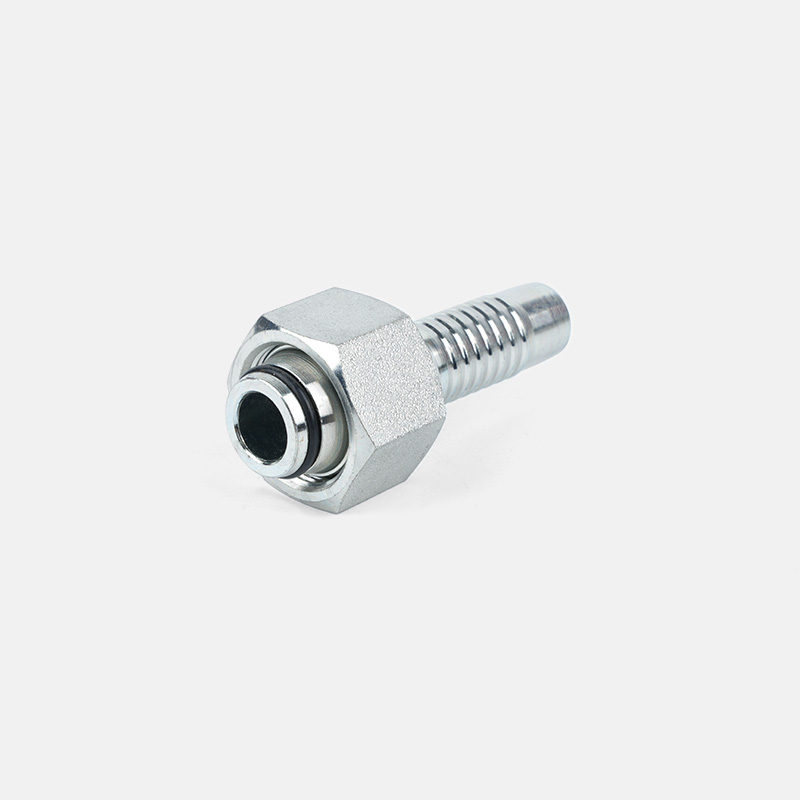
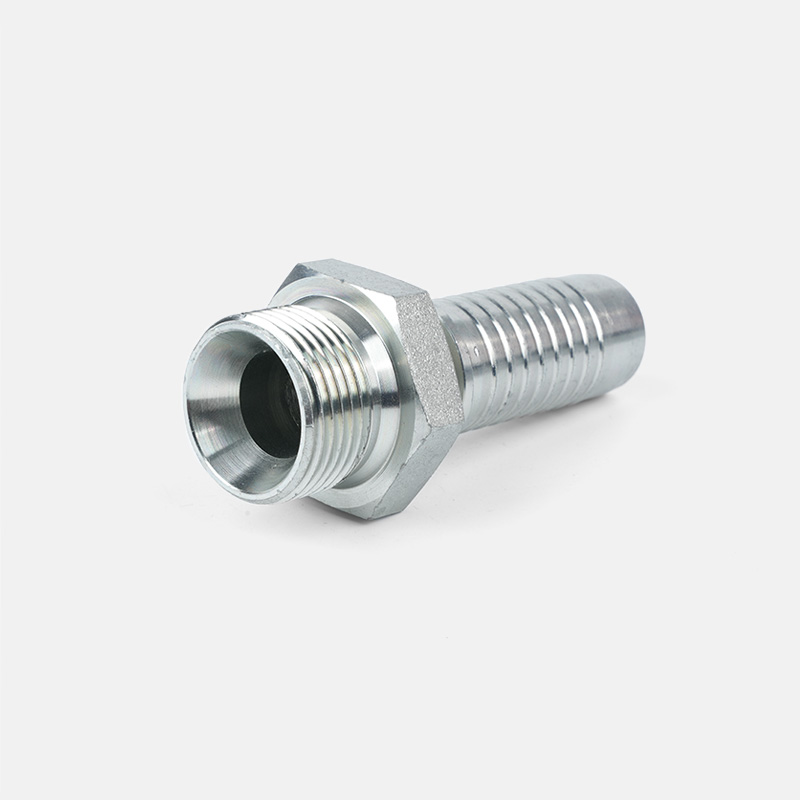

Custom hydraulic accessories
From concept to production, we can create the products you want
Products
Contact Information
-

Tel: +86-159-6851-8588
-

E-mail: [email protected]
-

Add:Zhu Jia Station Village, Diankou Town, Zhuji City , Zhejiang Province, China
