


Language
ENG
Enter Keywords...

NEW
 Home / News / industy news / DIN Fittings Explained: A Complete Guide to Types, Identification, and Selection
DIN Fittings Explained: A Complete Guide to Types, Identification, and Selection
 2026.10.05
 industy news
Hydraulic systems that leak at the connection point are rarely suffering from a bad hose. More often, the fitting itself has been ordered with the wrong standard, the wrong series, or the wrong thread. DIN fittings follow the German Industrial Standard, and they are widely used in European and international machinery. Yet the difference between a DIN 2353 L-series and an S-series fitting is not always obvious. Before you place another order, understanding how these components are classified, measured, and installed will help you avoid the two most common procurement errors: selecting the wrong pressure class and identifying the wrong thread form.
What DIN Fittings Are and Why the Standard Matters
DIN fittings are hydraulic connectors designed to join tubes, hoses, and pipes in hydraulic systems. The designation DIN, or Deutsches Institut für Normung, points to a set of German industrial standards. In the hydraulic world, the most relevant standard for tube fittings is DIN 2353, which covers 24° cone compression fittings. These fittings create a seal by compressing a cutting ring onto the tube wall as the nut is tightened, pushing the ring into the 24° cone inside the fitting body.
The DIN standard matters because it defines geometric dimensions, thread types, and pressure ratings. Without a common reference, a tube fitting from one manufacturer might not match the mating part from another. When you buy a DIN fitting, you are buying a component that has been designed to match the threaded port, the tube outside diameter, and the wall thickness of your system. The standard also specifies the relationship between series and pressure capacity, which allows you to compare components across suppliers.
The practical implication of this standard is that a DIN fitting is a complete system. The body, the cutting ring, and the retaining nut are designed together. A component from one manufacturer may be physically compatible with another, but performance under pressure can vary based on material hardness, cone surface finish, and thread tolerances.
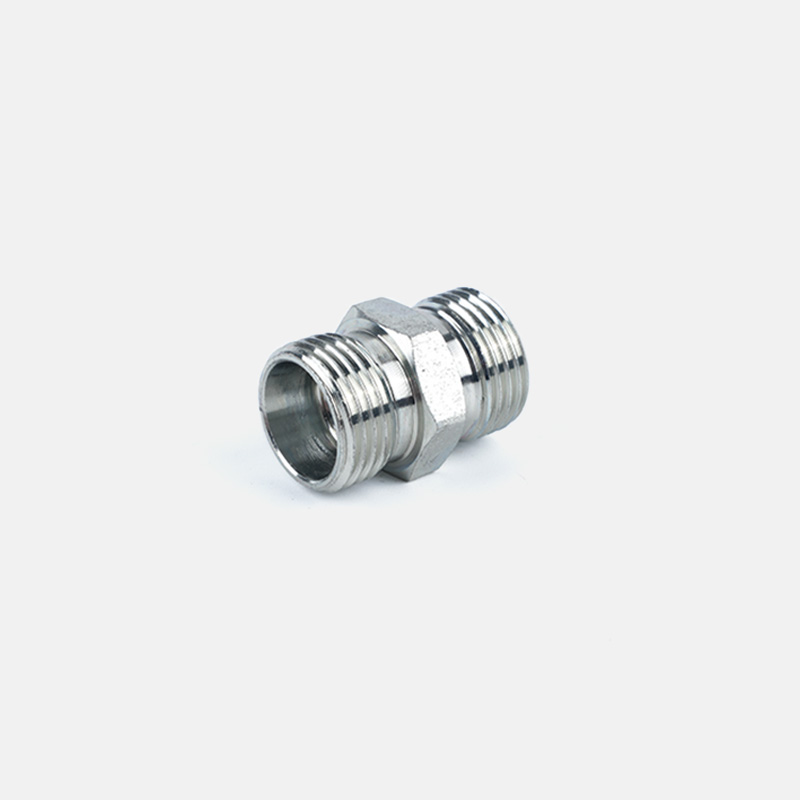 Din Hydraulic AdaptersSpecification ATTRIBUTES DESCRIPTION PRODUCT NAME DIN HEX NIPPLE PLACE OF ORIGIN CHINA BRAND NAME TIANXIANG ITEM NUMBER 1C, 1D, 1C-RN, 1D-RN MATERIAL CARBON STEEL 20#,...View Product →
Core Components of a DIN 2353 Connection
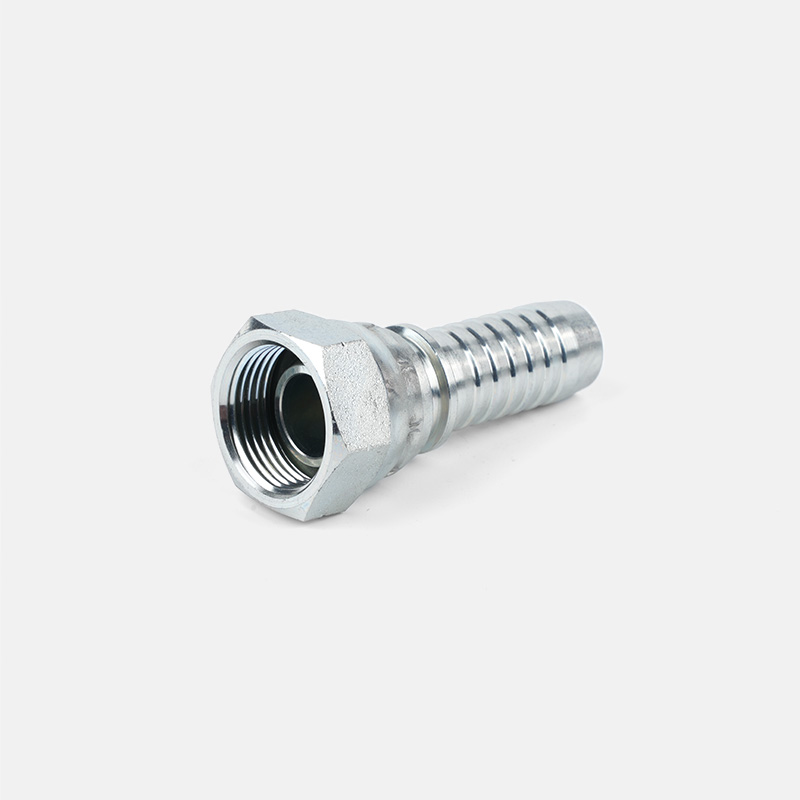
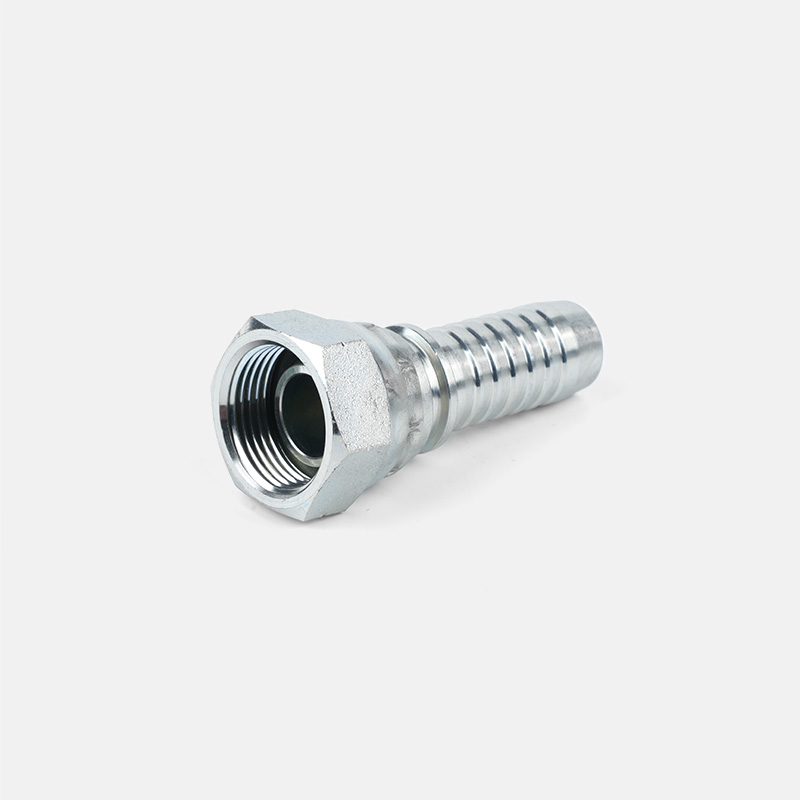
A complete DIN 2353 tube fitting assembly consists of three parts. The fitting body contains the threaded end that connects to the port, as well as the 24° cone that receives the tube. The cutting ring is the sealing element. When you tighten the nut, the ring moves forward and bites into the tube surface, creating both a mechanical and a leak-resistant connection. The retaining nut holds the ring in place and applies the compression force.
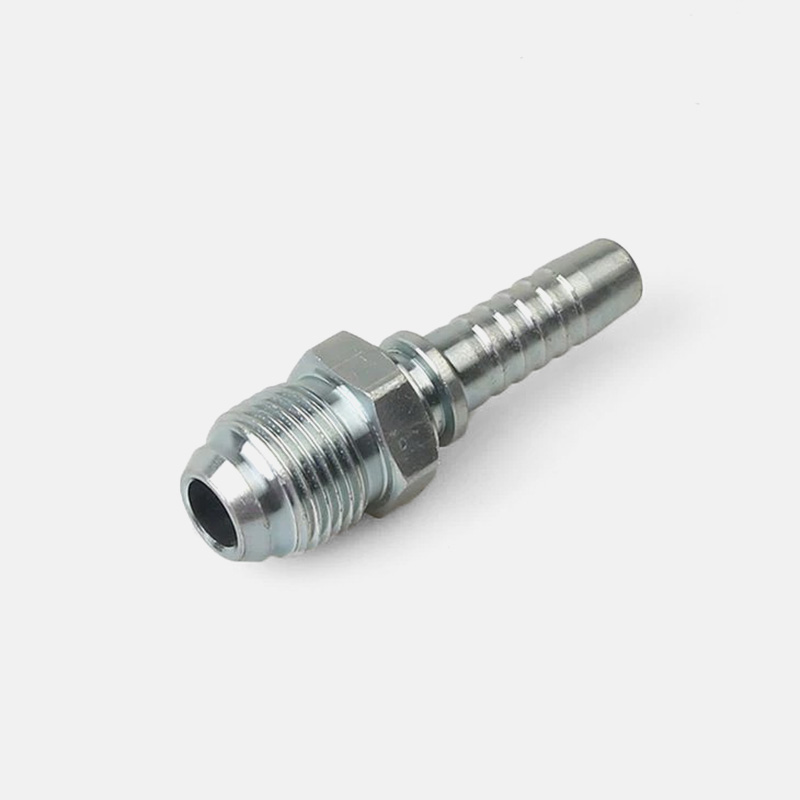
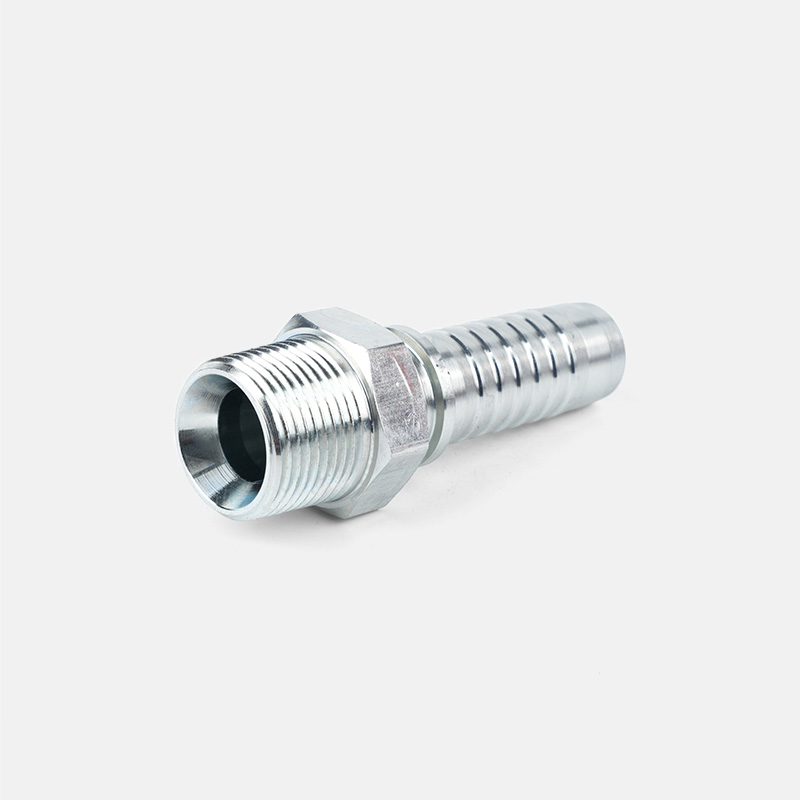
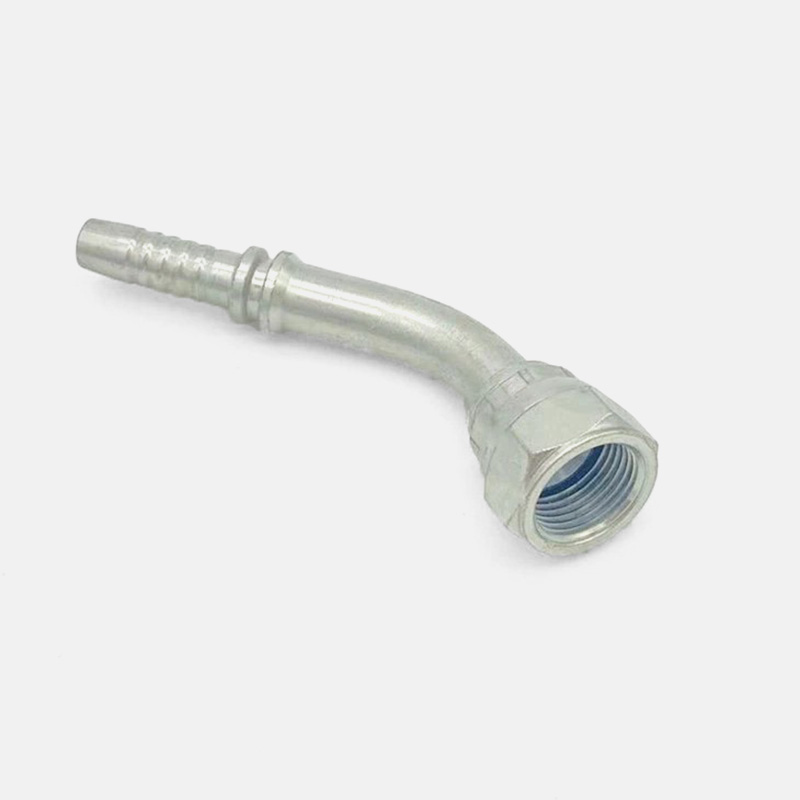
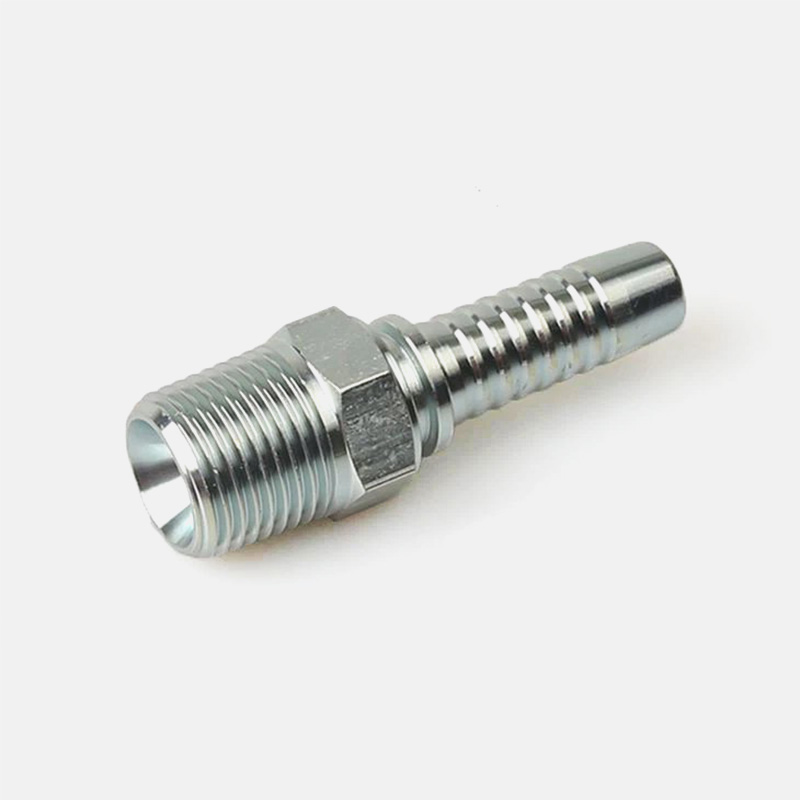
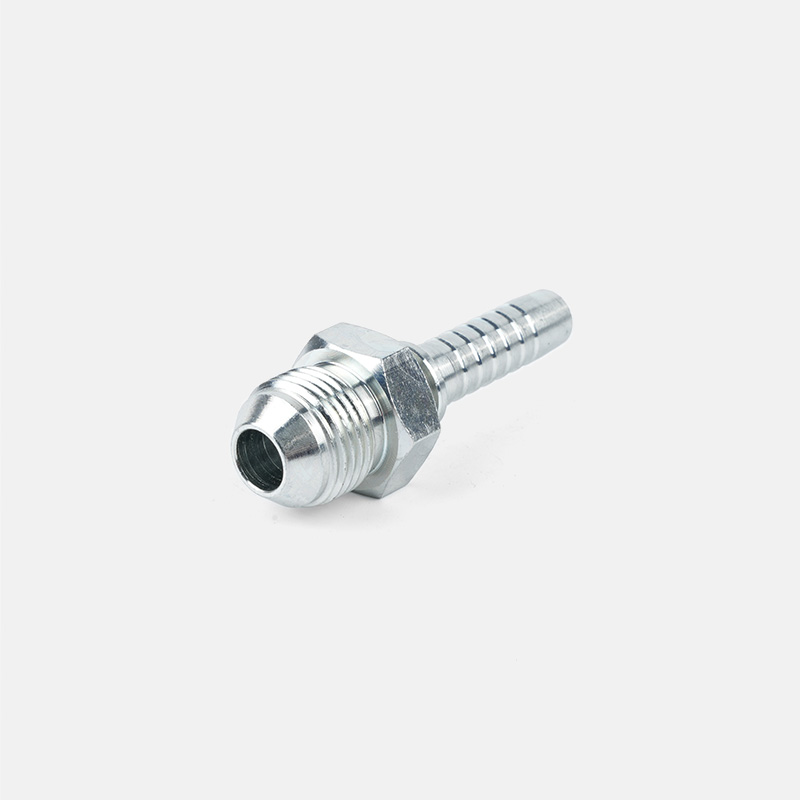
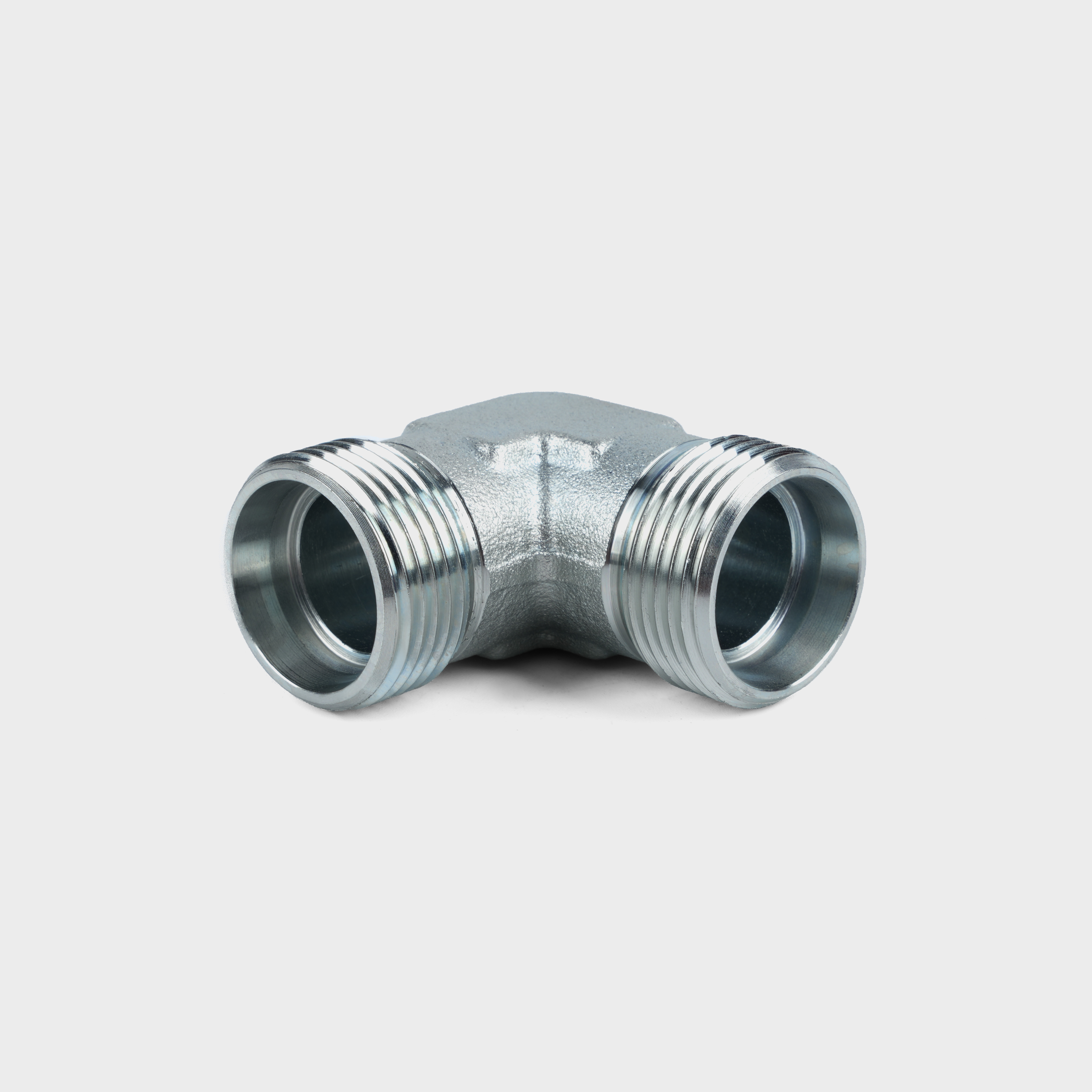
Each component has a specific function, and the body is normally available in straight, elbow, tee, and bulkhead configurations. For example, an elbow fitting allows a change of direction without adding a separate adaptor. Some bodies also include a male thread on one end and a 24° cone on the other, which lets the fitting transition from a threaded port to a tube connection. In production, suppliers typically offer complete DIN assemblies that include the body, the cutting ring, and the nut, usually identified by a suffix added to the part number.
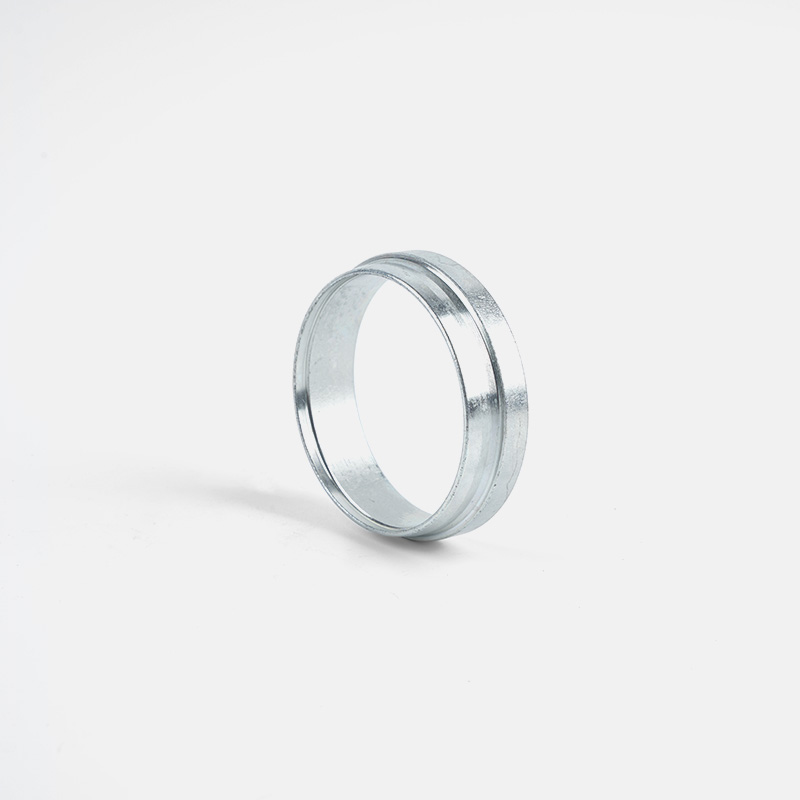 Cutting RingRecommended ProductsView Product →
Series, Pressure Classes, and Sizing
DIN 2353 fittings are divided into three series according to tube wall thickness: LL for very light, L for standard light, and S for heavy. The series determines the maximum working pressure. An S-series fitting has a thicker wall and supports a higher pressure than the same nominal size in the L series. This is the first specification to confirm with your supplier before ordering, because mixing series can lead to premature failure.
Aside from the series, the tube outside diameter is the primary way to select a fitting. A 12 mm tube requires a fitting designed for 12 mm outside diameter, not a fitting for 12 mm nominal thread. The pressure rating also depends on the tube material and wall thickness, so the fitting alone does not guarantee the system pressure limit. The complete assembly must be rated consistently to sustain the operating pressure.
For helping you verify the series, a quick reference table can be helpful. The table below shows common DIN tube outside diameters and their matching L and S series pressure ratings as a starting point.
| Tube Outside Diameter | L Series Working Pressure (bar) | S Series Working Pressure (bar) |
|---|---|---|
| 6 mm | 315 | 630 |
| 10 mm | 315 | 630 |
| 16 mm | 250 | 630 |
| 25 mm | 160 | 400 |
| 38 mm | 160 | 315 |
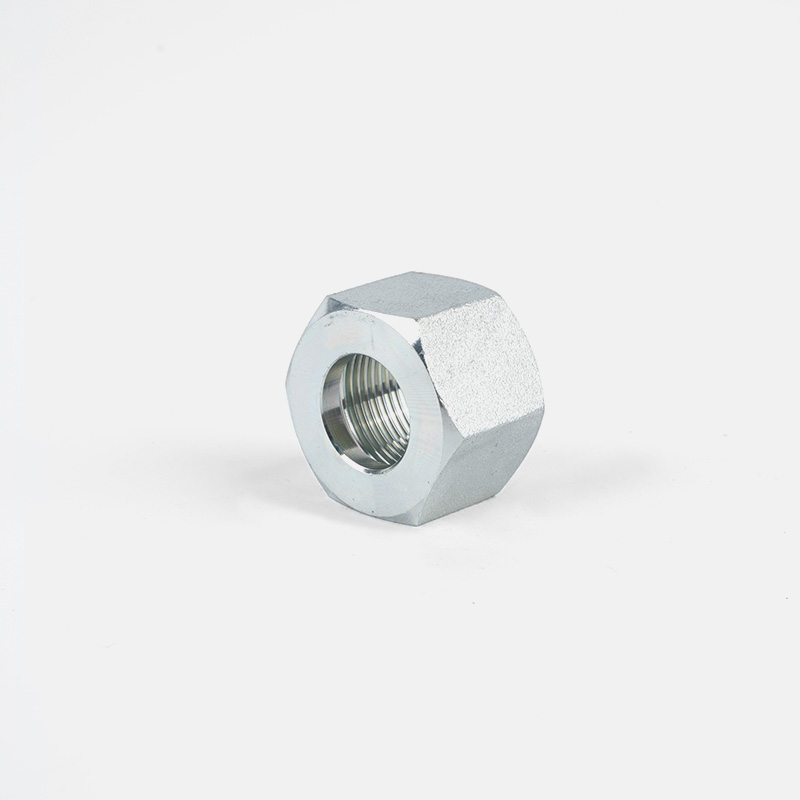 Retaining Nut NL/NSSpecification PART NO. THREAD TUBE O.D. DIMENSIONS Mpa E C d S2 NL-12 M12x1.5 6 14.5 6 14 LView Product →
How to Identify and Measure DIN Fittings
When you hold a DIN tube fitting in your hand, you can verify its identification by checking the thread, the cone angle, and the marking on the nut or body. The male thread on a DIN fitting is typically metric, either M or G depending on the port connection. ISO 6149 and DIN 3852 are common port thread standards. The thread diameter and pitch must match your port before installation begins.
You can also measure the tube that will be inserted. Calipers are the simplest tool. Measure the outside diameter of the tube and record the value. Then compare it with the manufacturer's size charts to identify the correct fitting size. The 24° cone angle is a defining feature of DIN 2353, and it is important not to substitute an SAE 37° flare fitting in a DIN system.
Markings are usually stamped on the nut or the fitting body. On a typical assembly, the nut may display the tube size and series, for example G 12 L. If the marking is worn or missing, threading the nut onto the fitting body can still provide a confirmation when the fit leaves little clearance. However, the most reliable method is to use a thread gauge or to confirm the part number with the supplier's catalog.
Installation Practices That Prevent Leaks
Correct installation of a DIN fitting starts with a clean, properly sized tube. The tube end must be square relative to the fitting axis. A slightly chamfered edge helps the cutting ring bite evenly. After placing the nut and ring on the tube, you insert the tube into the fitting body until it touches the internal stop. Then you tighten the nut to the recommended torque or until the fitting reaches a set number of turns. Over-tightening distorts the cutting ring and can cause stress cracks.
Many manufacturers offer a pre-set installation method. In this process, the fitting is tightened to a prescribed depth, released, and then locked with a gauge or a torque wrench. This method reduces installation time while maintaining repeatability. When assembling with a test gauge, verify that the dimension between the nut and the tube end falls within the tolerance range.
Maintenance on DIN fittings should include a visual check of the cone surface. If you see cuts, scratches, or discoloration, replace the cutting ring and nut together. Reusing a damaged ring will not produce the same sealing force. Also, keep in mind that the initial tightening force will decrease over time with thermal cycling. Regular hydraulic fitting inspection is part of routine equipment maintenance. For a broader look at maintenance practices, an internal guide on hydraulic hose fitting installation and maintenance can offer additional context.
Material, Surface Treatment, and Procurement Considerations
DIN fittings are generally manufactured from carbon steel, though stainless steel and brass variants are also available for corrosive environments. Carbon steel fittings are commonly zinc-plated to protect against rust. The surface treatment determines how well the fitting survives in humid, salty, or chemically aggressive applications. For outdoor machinery, a zinc-nickel coating may offer longer corrosion resistance than a standard zinc-plated finish.
When sourcing DIN fittings, confirm the material grade, the pressure series, and the surface coating with the supplier. A fitting that has the right dimensions but the wrong material may fail quickly under pressure. Similarly, a fitting that lacks proper surface treatment can corrode at the ring bite point and lose sealing function.
Selecting the wrong fit can also affect installation. For example, carbon steel fittings with a very hard cutting ring require more assembly force, while stainless steel assemblies may require different lubrication to avoid galling. Material selection and surface treatment are just as important as thread identification. A related consideration in fitting selection is discussed in an article on material selection and surface treatment of reusable fittings, which highlights how coating and hardness affect long-term performance.
Finally, consider the procurement process itself. You need to specify the exact tube outside diameter, series, thread type, and material. A clear specification will prevent delays at the assembly line. If you are not sure about the complete part number, it is always safer to confirm with an engineering expert than to assume that an L series will handle a high-pressure application designed for S series. The cost of a failed fitting replacement is always higher than the cost of a careful specification review.
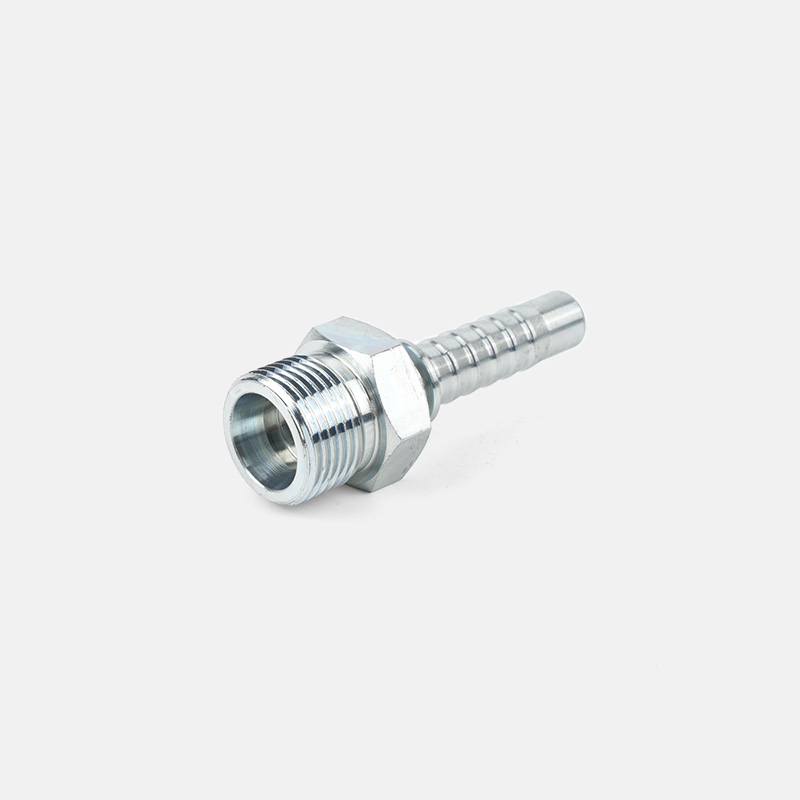

Custom hydraulic accessories
From concept to production, we can create the products you want
Products
Contact Information
-

Tel: +86-159-6851-8588
-

E-mail: [email protected]
-

Add:Zhu Jia Station Village, Diankou Town, Zhuji City , Zhejiang Province, China
