


Language
ENG
Enter Keywords...

NEW
 Home / News / industy news / British Standard Pipe Taper (BSPT) Threads: A Practical Selection Guide
British Standard Pipe Taper (BSPT) Threads: A Practical Selection Guide
 2026.09.28
 industy news
A maintenance engineer is checking a leaking hydraulic connection on a press machine. The fitting is labeled as a British thread and the coupling looks close to a 1/2" thread, but there is no way to tell whether it is a BSPT or an NPT just by looking at it. In reality, the two are not interchangeable: BSPT uses a 55° thread angle and a 1:16 taper, while NPT uses a 60° thread angle. Choosing the wrong standard means a leak, an unplanned stop, and a reorder.
This guide explains what British Standard Pipe Taper (BSPT) is, how it compares with BSPP and NPT, what dimensions matter in practice, and what to check before purchasing fittings.
What Is British Standard Pipe Taper (BSPT)?
BSPT is one of the two variants in the British Standard Pipe (BSP) family. The parallel version is called BSPP (British Standard Pipe Parallel) and uses a G thread form. The tapered version is BSPT, which is also called R in ISO 7 for external threads and Rc for internal threads. The thread angle is 55°, and the taper is 1:16, meaning the diameter changes by one unit for every 16 units along the thread axis.
The taper is what makes BSPT a pressure-tight, self-sealing thread. When a male BSPT thread is screwed into a female BSPT thread, the interference between the flanks creates a seal without a washer or O-ring. That feature is useful in hydraulic systems but also creates a common pitfall: if a BSPT male is fitted to a parallel female port from another standard, the seal will not be reliable.
The BSP standard family at a glance
ISO 7 covers pressure-tight tapered threads (BSPT), while ISO 228 covers parallel threads (BSPP/G). In a pressure-tight joint, the thread itself provides the seal. In a parallel joint, the seal comes from a flat face, an O-ring, or a bonded washer. For hydraulic fittings, this distinction matters because you can often identify the type of connection by looking at the port face.
BSPT Thread Dimensions and Standards
BSPT thread sizes are still called by their nominal pipe size, which refers to the nominal bore rather than the actual physical diameter. For example, a 1/2" BSPT thread has an outside diameter of about 20.96 mm at the gauge plane, not 12.7 mm. That is why checking a dimension table is always safer than estimating from the pipe size label.
The table below shows the most common BSPT sizes, the threads per inch (TPI), and the reference major and minor diameters at the gauge plane. The taper remains 1:16 for all sizes.
| Nominal Size | TPI | Major OD (mm) | Minor ID (mm) | Taper |
|---|---|---|---|---|
| 1/8 in | 28 | 9.73 | 8.57 | 1:16 |
| 1/4 in | 19 | 13.16 | 11.44 | 1:16 |
| 3/8 in | 19 | 16.66 | 14.95 | 1:16 |
| 1/2 in | 14 | 20.96 | 18.63 | 1:16 |
| 3/4 in | 14 | 26.44 | 24.12 | 1:16 |
| 1 in | 11 | 33.25 | 30.29 | 1:16 |
The gauge plane is the reference point where the thread diameter meets the standard. Because of the taper, the actual diameter at a distance from the gauge plane will be slightly larger or smaller. When you measure a BSPT thread in the field, you should measure the major diameter at the end of the thread and then compare it with the table to confirm the size class.
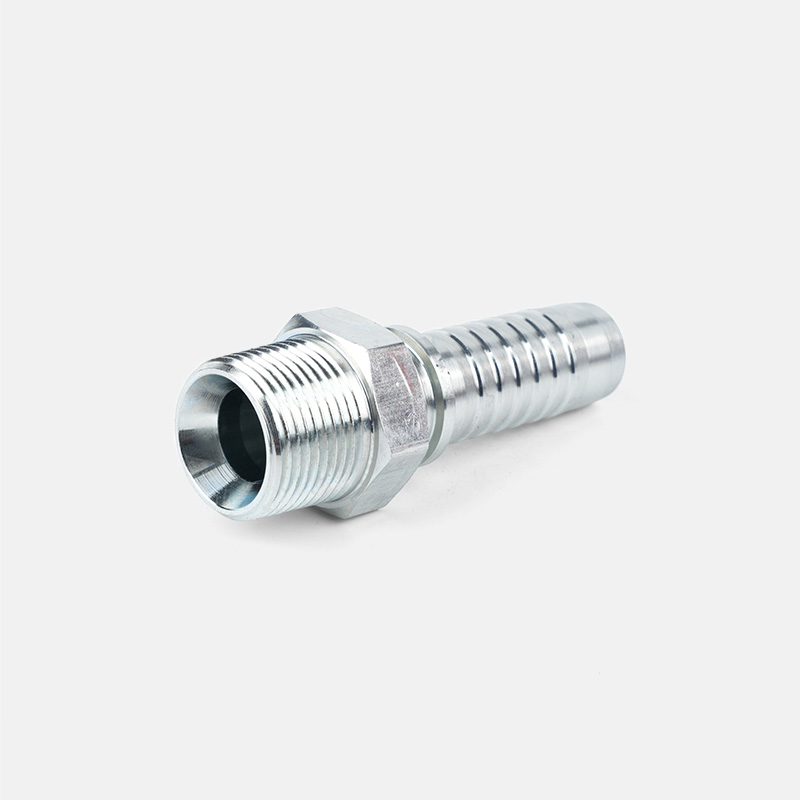
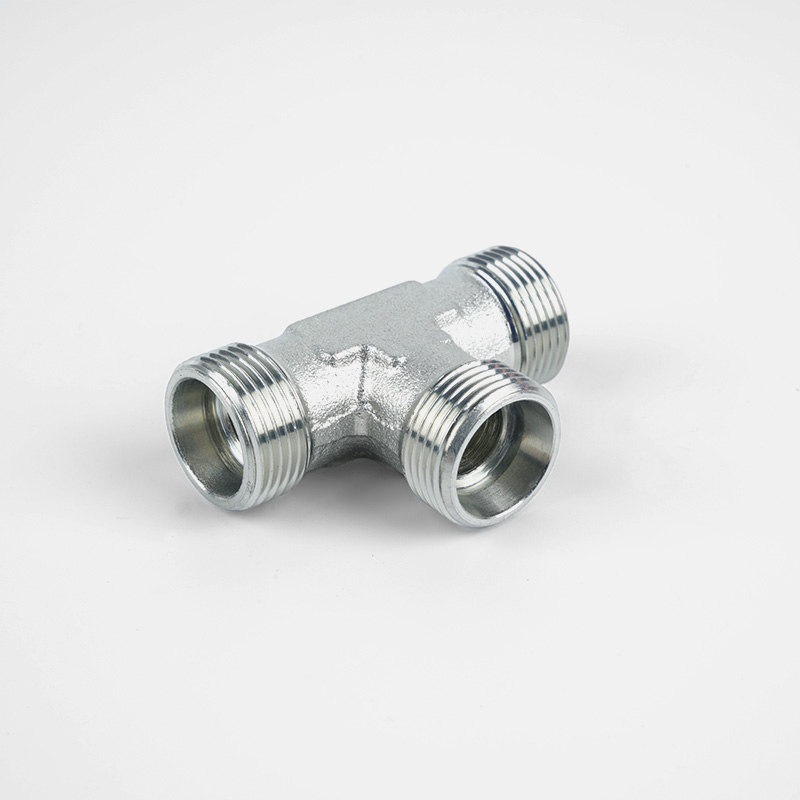
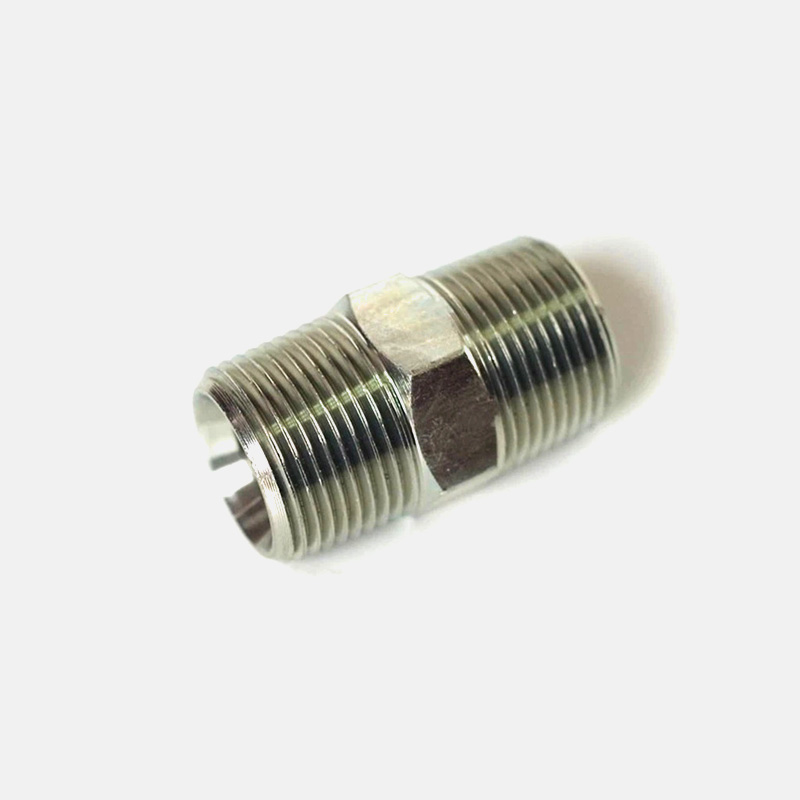 BSPT 90-Degree Elbow Adapter for Pipe ConnectionsThis BSPT 90-degree elbow adapter is made of carbon steel or stainless steel with forged and CNC-machined construction, providing reliable sealing in tapered thread systems. It helps avoid mismatched thread standards by ensuring correct BSPT mating in hydraulic or pneumatic assemblies.View Product →
BSPT vs BSPP vs NPT: Key Differences
For procurement and maintenance teams, the difference between BSPT and NPT is the leading cause of wrong orders. Both are tapered pipe threads, but they are not compatible:
- BSPT: 55° thread angle, 1:16 taper, pressure seal through thread interference.
- BSPP: 55° thread angle, parallel, requires an O-ring, gasket, or flat face for sealing.
- NPT: 60° thread angle, 1:16 taper, pressure seal through thread interference.
In practice, you cannot swap BSPT and NPT male fittings. The 5° difference in the thread angle means that the flanks do not match correctly. Even if the threads can be started by hand, contact will be uneven, and the joint will leak under pressure. This is more important with high-pressure hydraulic systems where a small leak can quickly damage components or present a safety risk.
BSPP is also not directly replaceable with BSPT. A male BSPT thread will partially seal in a female BSPP port in some low-pressure applications, but it is not a reliable or repeatable joint. In hydraulic applications, the correct practice is to use a BSPP male with a sealing washer or to change to a BSPT adapter if the port allows.
How to Identify BSPT Threads in the Field
Before ordering a replacement fitting, use these four checks to confirm that the thread is BSPT.
- Measure the thread angle with a thread gauge. A 55° gauge matches BSPT and BSPP; a 60° gauge matches NPT and metric threads.
- Check the taper. Measure the major diameter at two points along the thread. A 1:16 taper means a diameter change of approximately 1.6 mm over a 25 mm length.
- Compare the major diameter with a BSPT table. For example, a 1/2" BSPT thread has a major diameter of 20.96 mm at the gauge plane.
- Look at the port or fitting design. BSPT threads usually have a tapered appearance on the male side; BSPP male threads are parallel and often use a sealing washer or O-ring in the female port.
One additional clue is the thread crest. BSPT threads have rounded crests and roots in the ISO 7 form, while NPT threads have flat crests in some machine applications. However, this visual clue is less reliable when surface treatment is present, so always use a gauge when possible.
BSPT Fittings in Hydraulic Systems: Applications and Selection
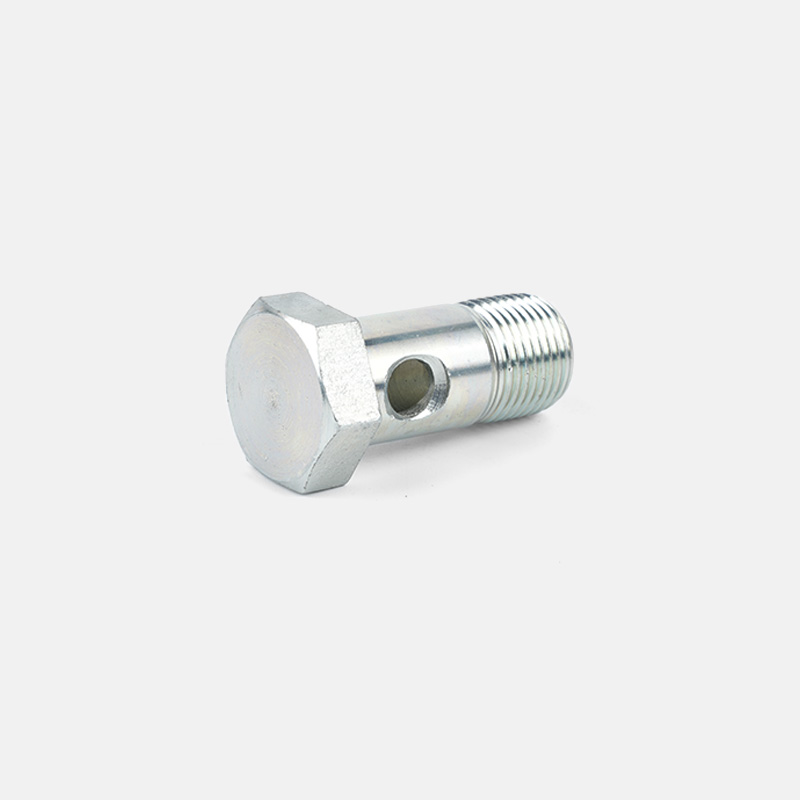
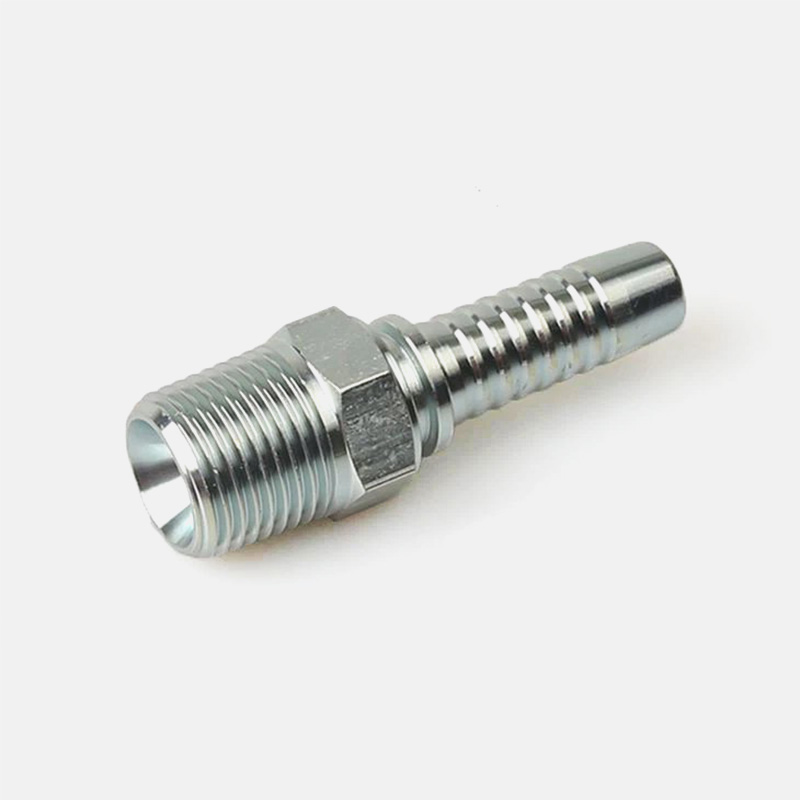
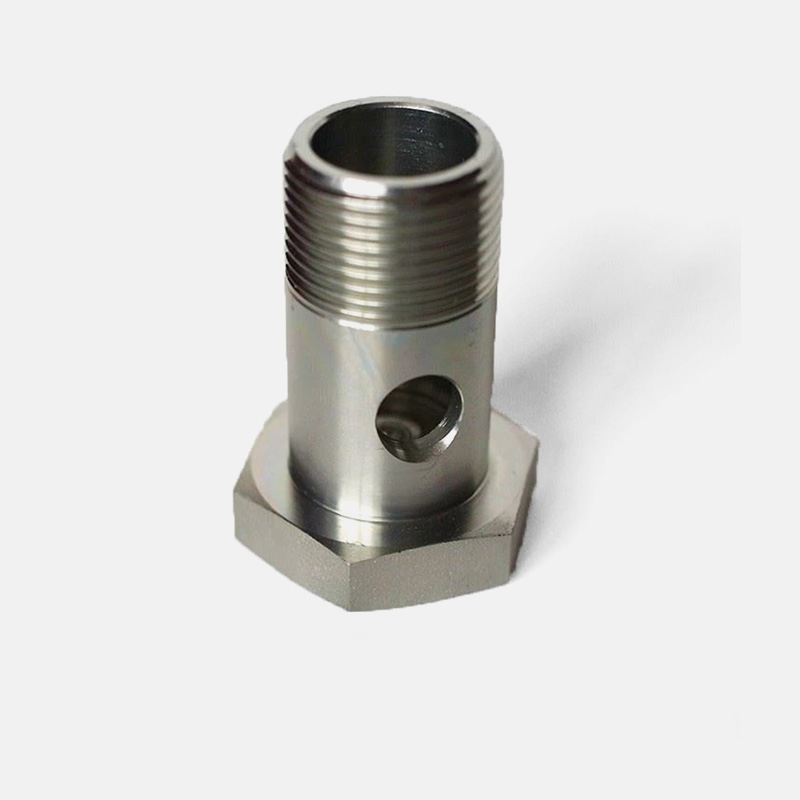
BSPT is common in mobile machinery, industrial hydraulic equipment, and systems designed to British or European standards. Fittings are available as hose adapters, reusable fittings, one-piece hydraulic fittings, and banjo fittings. When selecting a BSPT fitting, consider the following factors.
- Pressure rating: the thread size and material determine the maximum working pressure. A 1/4" BSPT in carbon steel can handle much higher pressure than the same size in brass for low-pressure utility lines.
- Material and surface treatment: carbon steel with zinc plating is the standard choice for hydraulic systems. Stainless steel is preferred for corrosive environments or media such as water and detergents.
- Hose type compatibility: BSPT hose fittings must match the hose construction (1SN, 2SN, 4SP, 4SH, or multispiral) and the corresponding ferrule or sleeve. The fitting tail and ferrule are designed together to create a proper crimp.
- Angle and form: BSPT adapters are available in straight, 45°, 90° elbow, tee, and bulkhead configurations. Choosing the correct angle reduces the need for extra flexible hose and keeps the assembly compact.
In our factory, the most common issue we see is a customer ordering a BSPT fitting only to discover that the port is actually BSPP or NPT. That is why we recommend sending drawings or fitting samples before mass production. Checking the port face, the thread form, and the existing coupling saves days of delays and avoids returning a shipment.
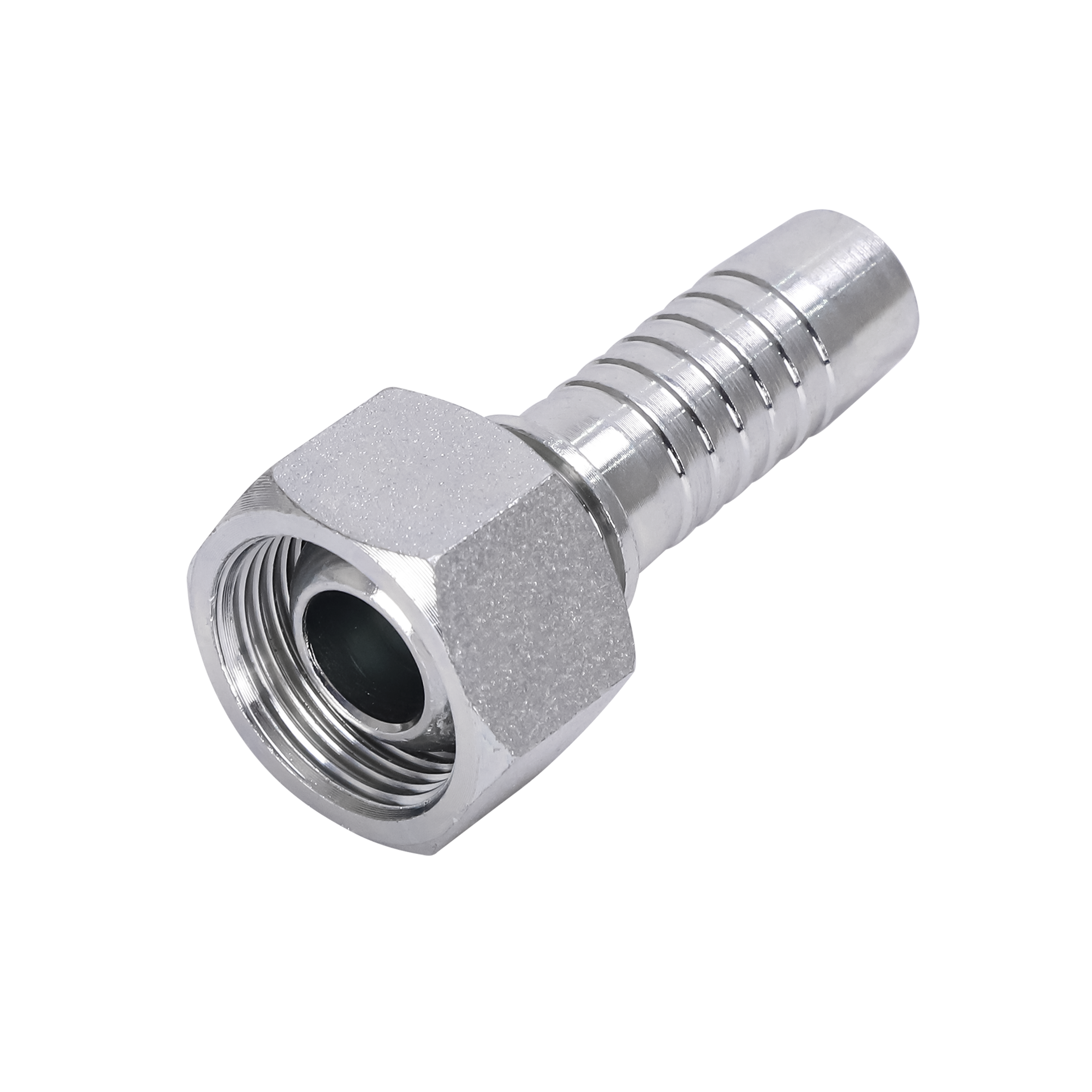
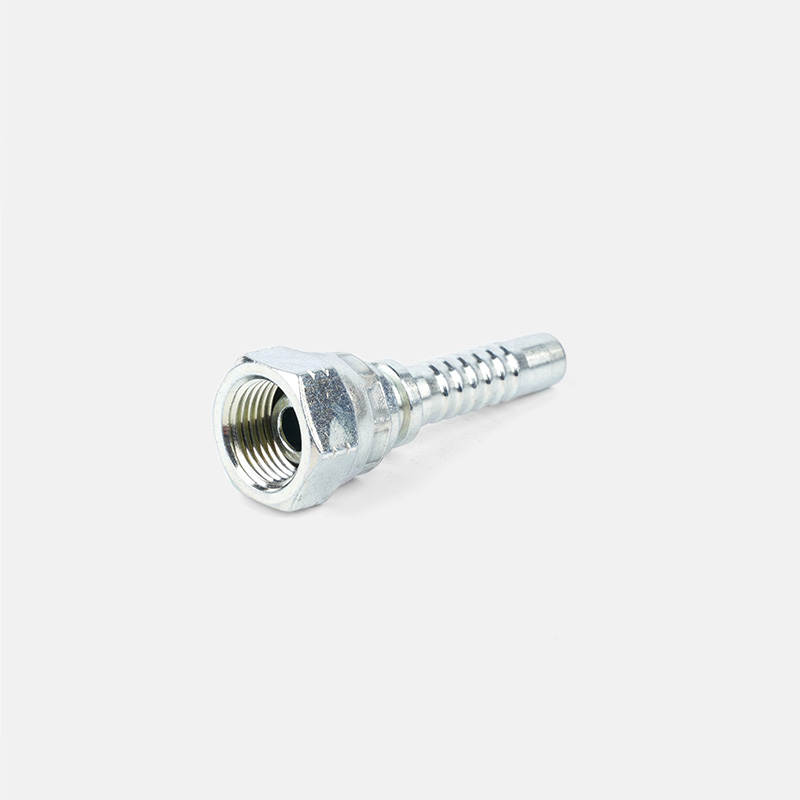
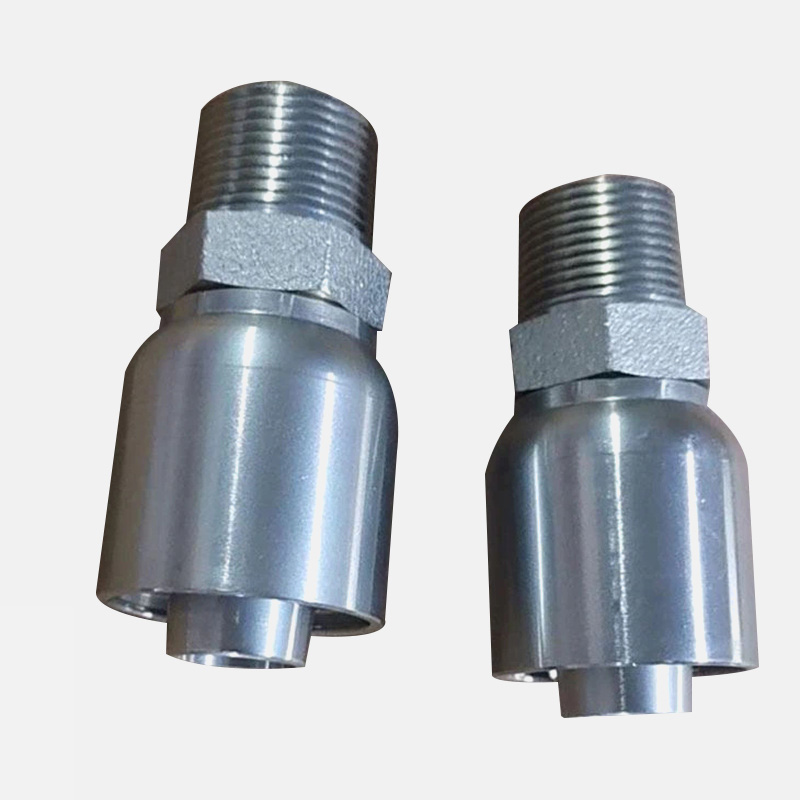
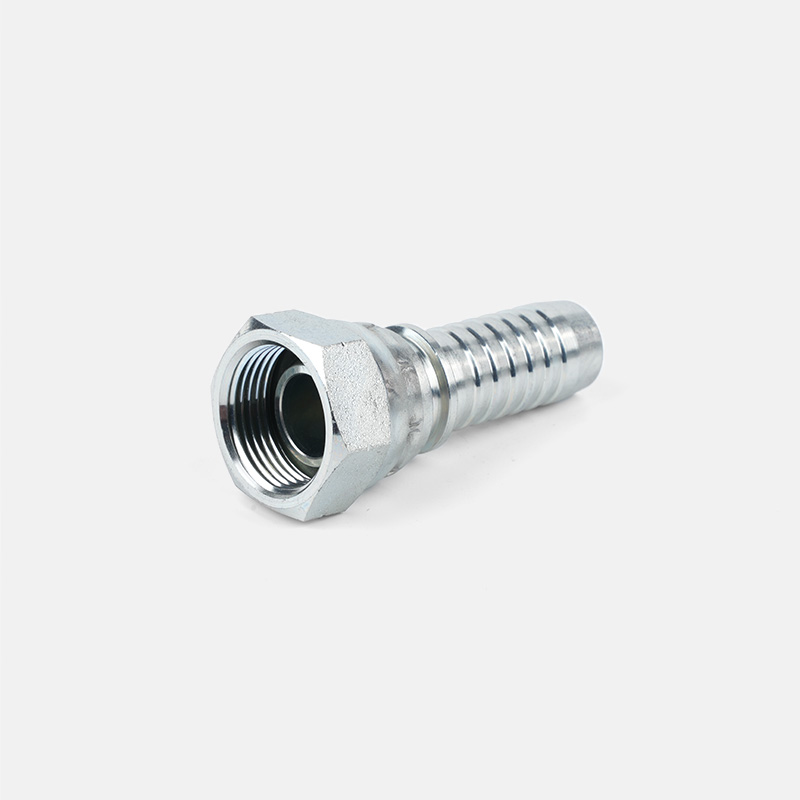 BSP 60-Degree Cone Female Hose FittingThis female hose fitting features a 60-degree cone seat for secure hose connections. Proper installation with PTFE tape and torque control is essential for leak-free performance, making it a dependable choice for BSP systems requiring precise sealing.View Product →
Installation and Maintenance Considerations for BSPT Connections
BSPT connections seal by thread interference, so installation quality has a direct impact on leak-free operation. Clean the threads before assembly and inspect the crest and root for damage. Use PTFE tape or a suitable thread sealant on the male thread, applying two or three wraps in the direction of tightening. Tighten with a torque wrench where possible; the recommended torque depends on the thread size and material. Over-tightening can distort the threads and make the joint impossible to seal.
During maintenance, check the joint after the first pressure cycle and then at regular intervals. In hydraulic systems, vibration and thermal cycling can loosen threaded joints, so a re-torque program is often necessary. If a fitting shows signs of corrosion, replace it immediately rather than tightening past the recommended torque. For a full installation and maintenance process, see our guide on how to properly install and maintain hydraulic hose fittings.
What to Check When Buying BSPT Fittings
Purchasing BSPT fittings from a factory involves more than verifying the thread size. A responsible supplier should be able to provide the following information:
- Thread specification: confirm the exact standard (ISO 7 for BSPT), the thread size, and the direction (right-hand by default for hydraulic tube fittings).
- Material grade and certificate: carbon steel or stainless steel, and the relevant mechanical properties for the intended pressure range.
- Surface treatment: zinc plating, hot-dip galvanizing, or nickel plating, including the thickness and any salt spray test data.
- Production tolerance: ensure the thread is machined to gauge limits. A fitting that is slightly oversized will be difficult to install; a slightly undersized thread may not seal.
- Consistency across batches: the thread gauges used in production and the ability to supply traceable reference samples.
One purchasing mistake worth avoiding is accepting a BSPT male from one supplier and a BSPT female from another without verifying that both are made to the same standard. Although both are called BSPT, ISO 7 thread forms have specific tolerances that affect the actual sealing contact. A reliable supplier will offer mating fittings and document the standards.
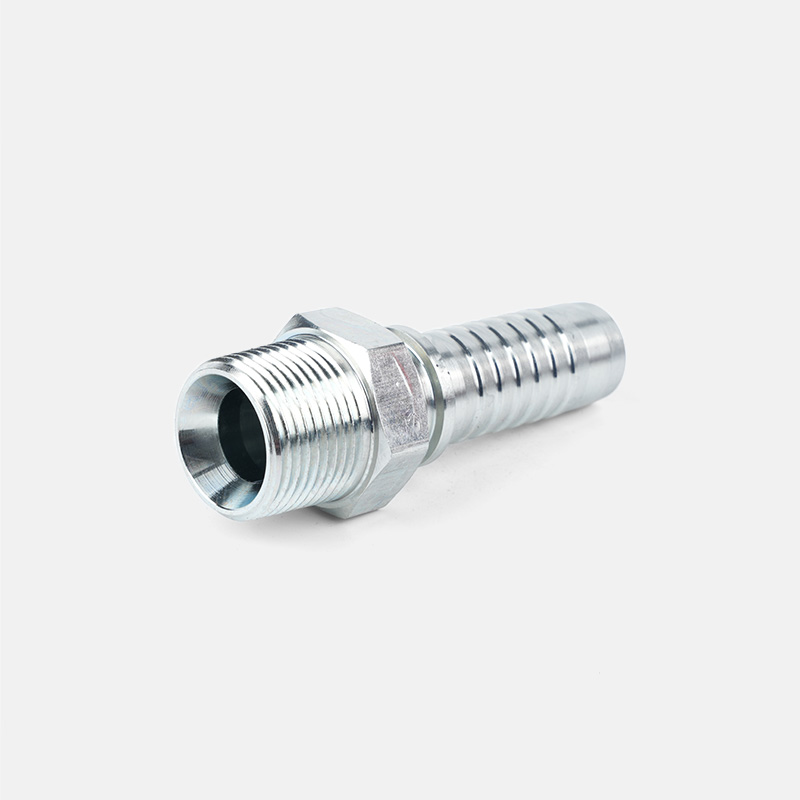
For applications where a 60° cone seat is needed, a BSP male adapter with a 60° cone seat is commonly used with hose couplings and quick-connect systems. Check the cone angle and the material before placing an order.
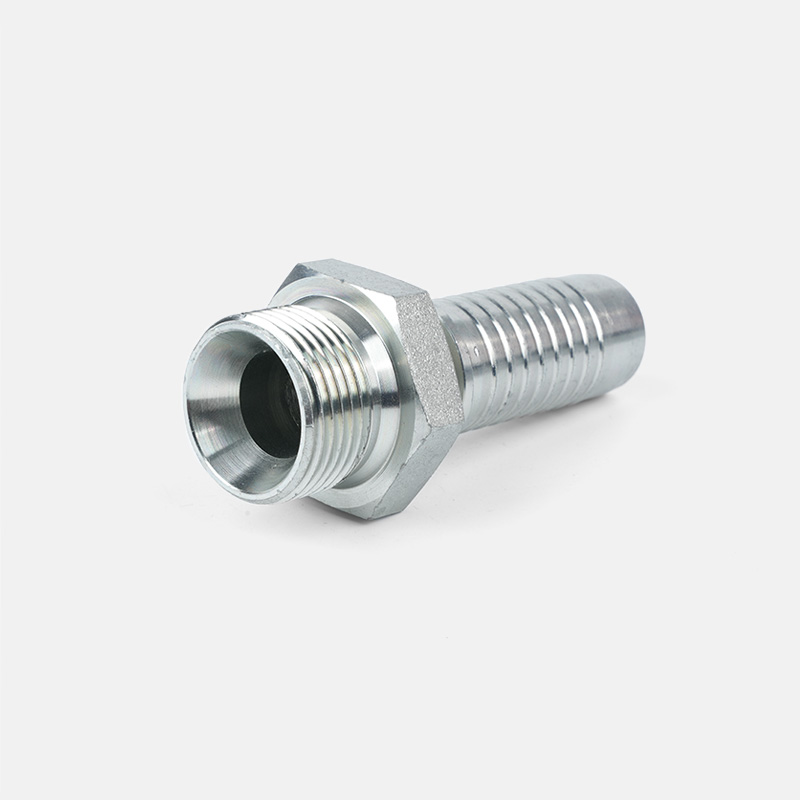
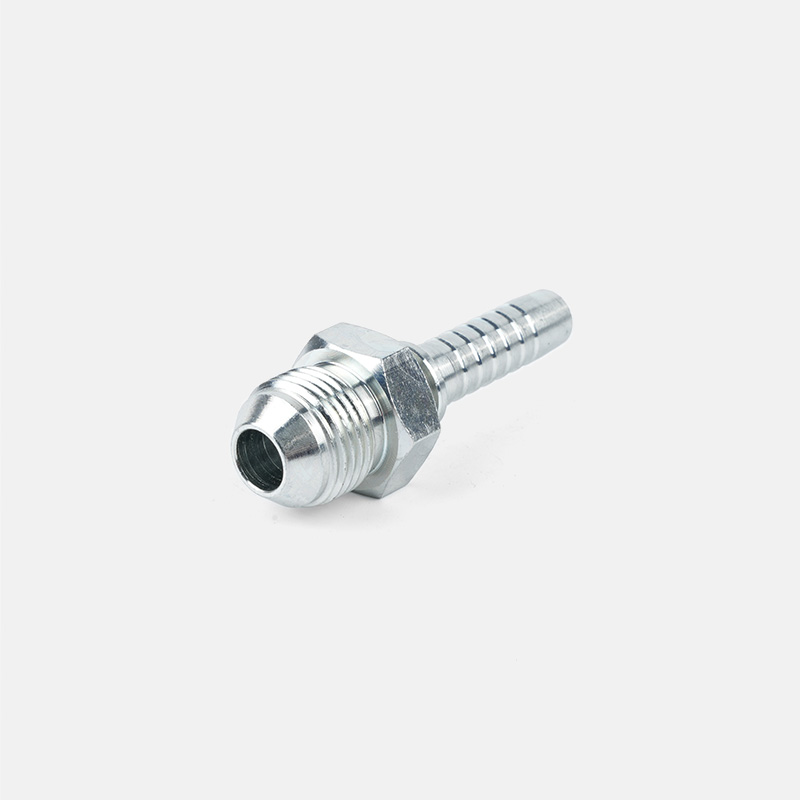
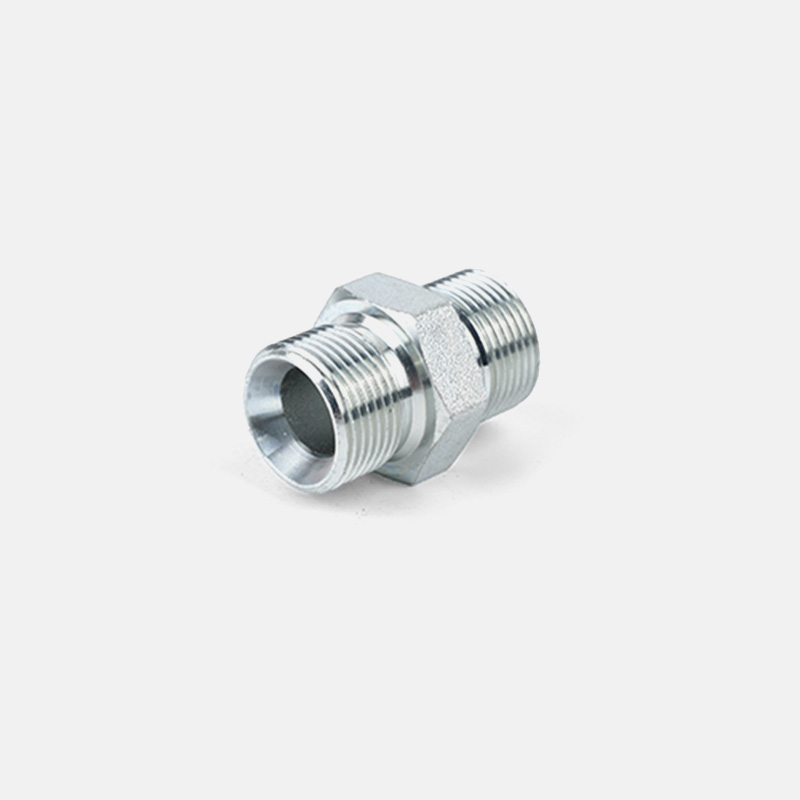 BSP Male 60-Degree Cone Seat AdapterThis male adapter with a 60-degree cone seat is designed for use with hose couplings and quick-connect systems. Verify the cone angle and material to ensure compatibility with your application, reducing the risk of misalignment or leakage.View Product →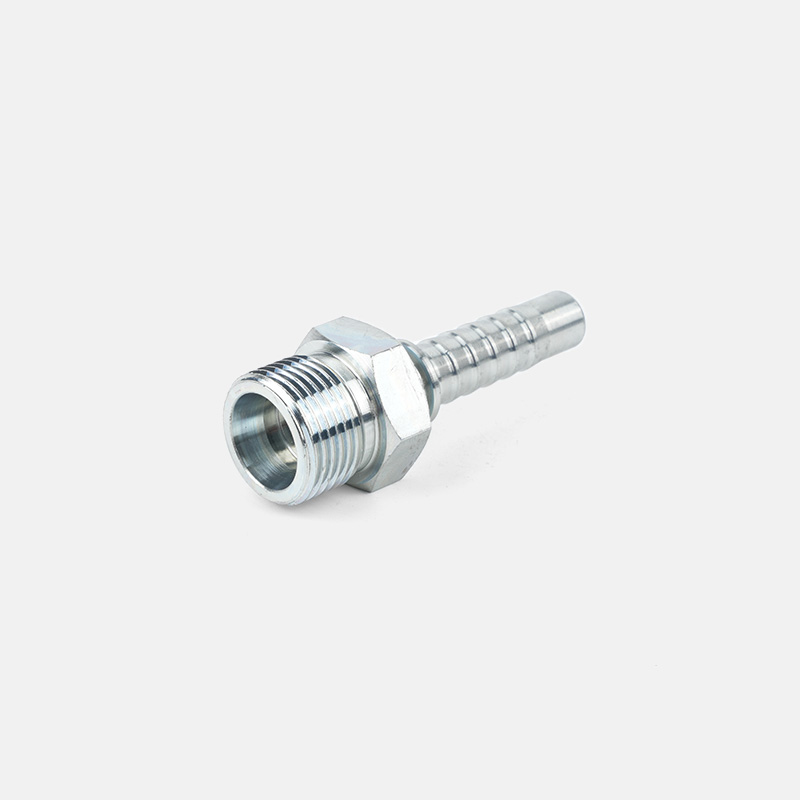

Custom hydraulic accessories
From concept to production, we can create the products you want
Products
Contact Information
-

Tel: +86-159-6851-8588
-

E-mail: [email protected]
-

Add:Zhu Jia Station Village, Diankou Town, Zhuji City , Zhejiang Province, China
