


Language
ENG
Enter Keywords...

NEW
 Home / News / industy news / AN vs JIC Fittings: Key Differences, Tolerances, and Interchangeability
AN vs JIC Fittings: Key Differences, Tolerances, and Interchangeability
 2026.09.21
 industy news
In a hydraulic system, the choice between AN and JIC fittings often comes down to one question: can you use one where the other is specified? The short answer is yes, in many cases, but only if you understand the trade-offs. Both designs use the same 37-degree flare and the same UNF thread form, so they can physically mate. The difference is in tolerance class, material specification, and the operating environment the fitting was designed for.
At our manufacturing partner, this question comes up every week from buyers who are trying to rationalize spare parts or reduce the number of fitting categories in their warehouse. Knowing the actual differences helps you avoid leaks, torque issues, and unnecessary inventory.
The Shared Geometry: Why AN and JIC Look Interchangeable
AN (Army-Navy) and JIC (Joint Industry Council) fittings both rely on a conical flare of 37 degrees. When the male flared end is pulled against the female seat by tightened threads, a metal-to-metal seal forms. This is why a -4 AN male fitting will thread into a -4 JIC female fitting, and vice versa.
The thread pitch is also identical because both use the Unified National Fine (UNF) series. For example, the widely used -4 size is 7/16-20 UNF, and the -12 size is 1-1/16-12 UNF. As a result, the two families are dimensionally compatible at the thread root.
That compatibility is the reason so many technicians assume AN and JIC are the same thing. In everyday shop practice, they often are. When a trailer from an automotive application uses a JIC fitting with a slight leak, an AN fitting may be the closest available replacement. For low-pressure lines, this substitution works. But it does not mean you can ignore the standard on the drawing.
AN fittings also carry a visual clue. Most AN nuts are stamped with the letters AN, and the dash size is clearly embossed. JIC nuts rarely have such markings, so the only reliable way to know your part is to measure thread pitch and seat angle. Long-term reliability always depends on proper installation and maintenance. Proper installation and maintenance reduce the chance of many of these problems.
The Real Difference: Tolerance, Material, and Standards
AN fittings were originally developed for military aircraft, where weight, pressure, and reliability were non-negotiable. To meet those demands, the standards were written with tighter tolerances and stricter material requirements. JIC fittings were standardized for industrial applications, where economy and availability became more important than an extra margin of precision.
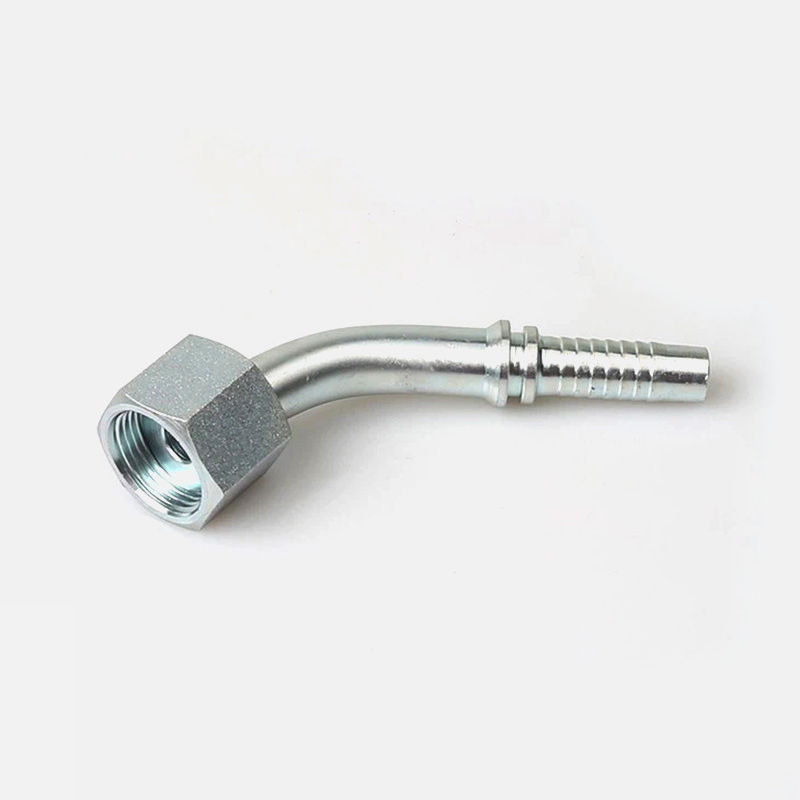
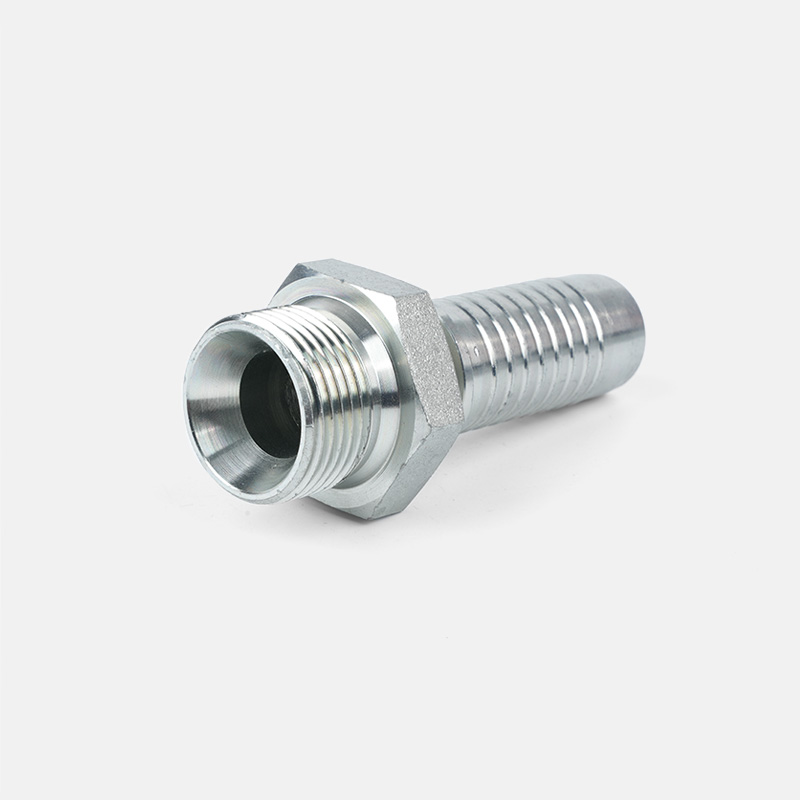
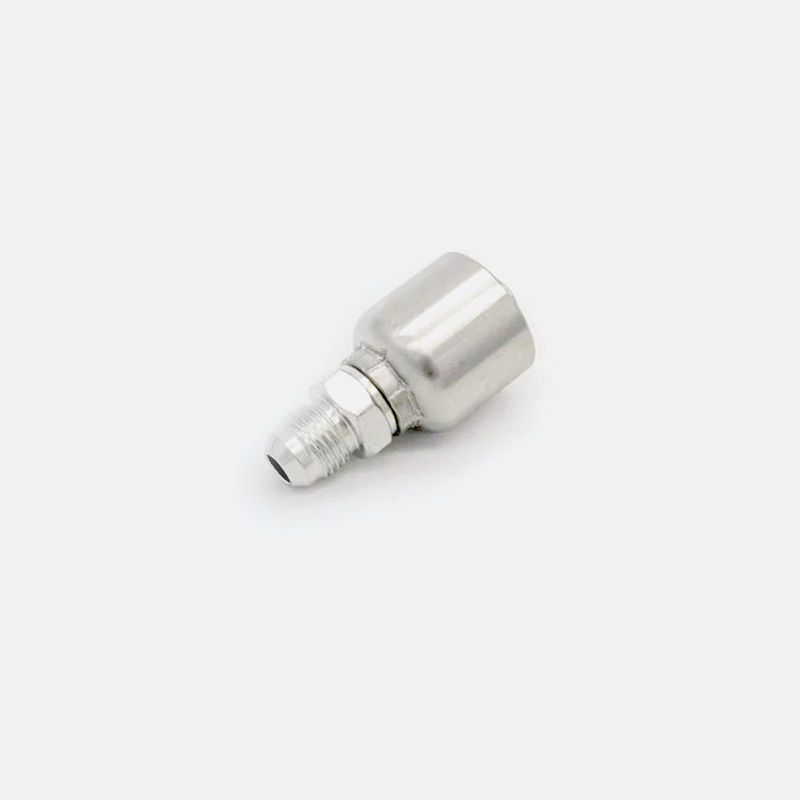
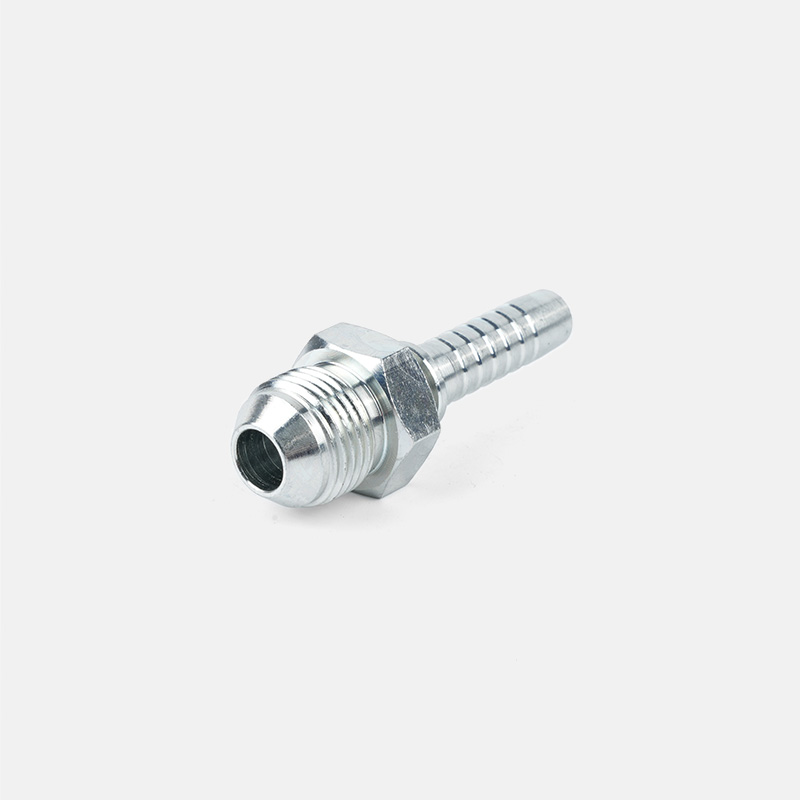 JIC 37° Male Fittings for Industrial Hydraulic SystemsThese fittings comply with SAE J514 and feature a 37-degree flare seat, providing reliable leak-proof connections. Suitable for high-pressure applications and available in carbon or stainless steel.View Product →
This is not just a theoretical distinction. It changes how a fitting behaves on the bench and in the field. The standard for AN is MIL-DTL-83734 for aerospace-grade fittings, while JIC is covered by SAE J514. Both use the same 37-degree seat concept, but the thread fit is not the same.
| Characteristic | AN (Army-Navy) | JIC |
|---|---|---|
| Thread fit class | 3A male / 3B female | 2A male / 2B female |
| Seat angle | 37 degrees | 37 degrees |
| Thread form | UNF | UNF |
| Main standard | MIL-DTL-83734 / AS standards | SAE J514 |
| Material grade | Military-grade carbon steel, corrosion-resistant alloys | Commercial carbon steel, stainless steel |
| Traceability | Mandatory batch and lot tracking | Not always required |
| Typical application | Aircraft, aerospace, high-performance motorsport | Agricultural machinery, industrial equipment, hydraulic power units |
The tighter tolerance class affects how the threads tighten. A Class 3A/3B fit has controlled allowance that reduces thread-to-thread play. Class 2A/2B provides a slightly looser fit, which helps with quick assembly in high-volume manufacturing. For a critical connection exposed to vibration or thermal cycling, the AN tolerance might be worth the added cost. For a simple pressure line on a stationary machine, JIC is normally enough.
Surface finish is another difference you can feel. AN components are often anodized or cadmium plated for corrosion resistance, while JIC fittings from commercial sources may use a simpler zinc plating. In a humid environment, that difference shows up quickly as red rust on the hex nut and can make future disassembly difficult.
Can You Mix AN and JIC Fittings?
Because the sealing surface is identical, you can connect an AN male to a JIC female. The threads will engage, and the cone will seat. In many low-pressure or non-safety-critical applications, the connection will hold without leaking. This is why the debate keeps coming up in workshops.
However, mixing the two creates a few practical risks. The first is thread tolerance. If your system uses an AN female and you install a JIC male, the looser 2A thread may allow more vibration-induced loosening. The second is material. AN fittings are normally made of higher-grade metals and are less likely to deform under repeated assembly. A commercial JIC nut may show galling after numerous cycles.
The third risk is traceability. In aviation, a fitting must be identifiable back to its heat lot. If a maintenance manual calls for an AN fitting, substituting a JIC part without documentation breaks the inspection chain and may invalidate the approval of the modification.
So the practical rule is simple: use the standard that the system designer calls for. If the drawing says AN, order AN. If the drawing says JIC, JIC is acceptable for most industrial uses.
How to Choose Between AN and JIC Fittings
Start with the operating environment. If the hose will see high pressure, external vibration, or significant temperature swings, the added thread precision of AN is a real benefit. In aircraft engine bays or racing applications, every fitting is often inspected visually and mechanically; the tighter tolerance shows up in consistent stripping torque.
For industrial hydraulics, JIC is the workhorse. It is manufactured in large volumes, widely stocked, and cost-effective. The 37-degree flare makes it suitable for piping and soft hose alike, and it can be adapted to ORFS or BSP with the right converter. When you need to transition from a JIC fitting to a different port, choose a reliable adapter. Our JIC 37° adapters are machined with the same 37-degree flare and UNF threads that match standard JIC port sizes.
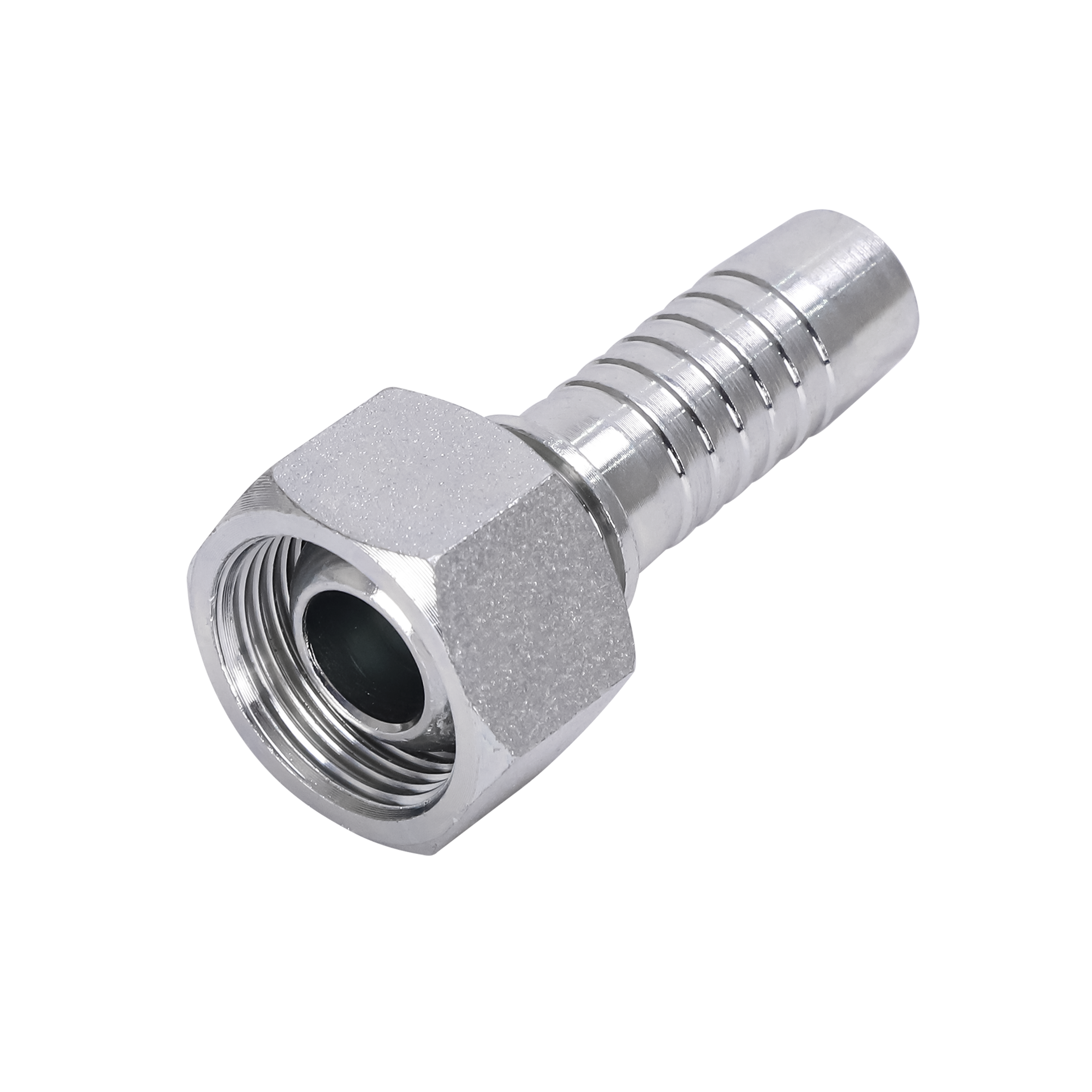
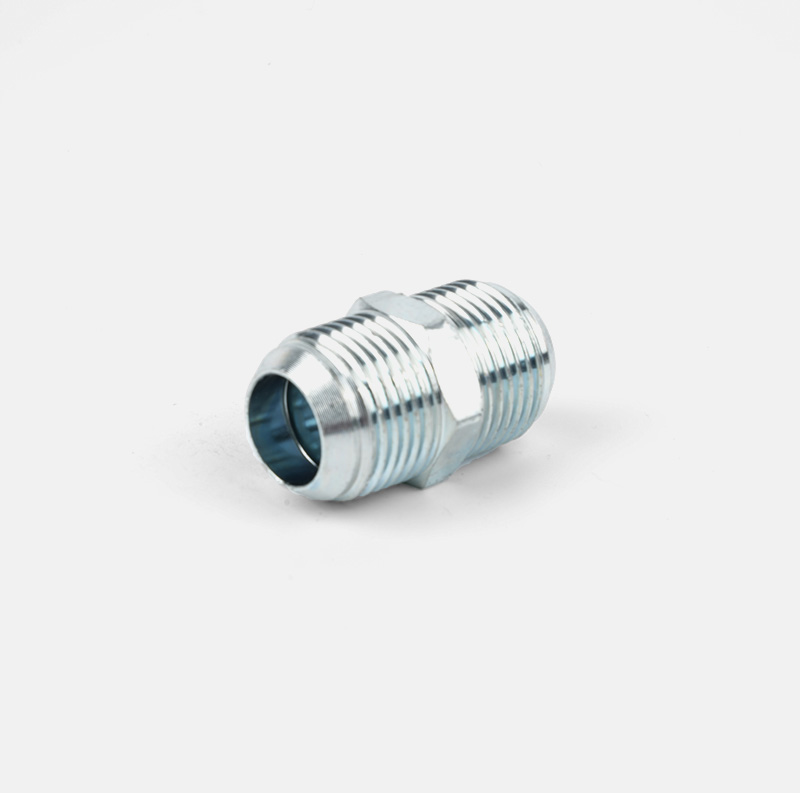 JIC 37° Adapters for Standardizing Hydraulic ConnectionsStraight adapters with dual JIC threads ensure seamless transitions between JIC ports and hoses. Machined to precise tolerances for leak-free performance in industrial fluid systems.View Product →
The best decision is to standardize within your system. Do not switch between AN and JIC on different lines in the same assembly, because that introduces more spare-part categories and increases the chance of a wrong part at the bench. If you are unsure, keep a tapered thread gauge and a digital caliper in the workshop to verify the connection before final assembly.
Practical Procurement Considerations
From a sourcing perspective, the most important detail is to know which standard your drawing specifies. Many hydraulic hose assemblies mix adapters, swivel nuts, and flange fittings. We see customers ordering JIC fittings but then needing an adapter on the pump side; a simple error on thread tolerance can result in a line that looks correct but leaks under pressure.
When you procure fittings, ask your supplier about the tolerance class and material. Some catalog products are labelled "JIC" but are manufactured to looser standards. If you are building a machine that must export to the Middle East or Europe, choose a manufacturer that documents the heat treatment and surface finish on the packing slip.
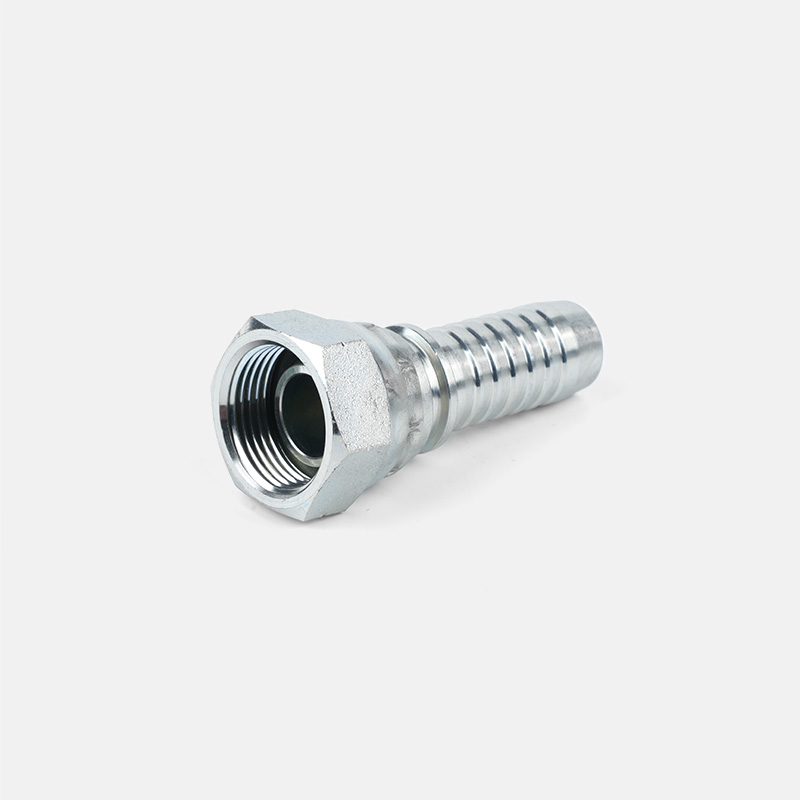
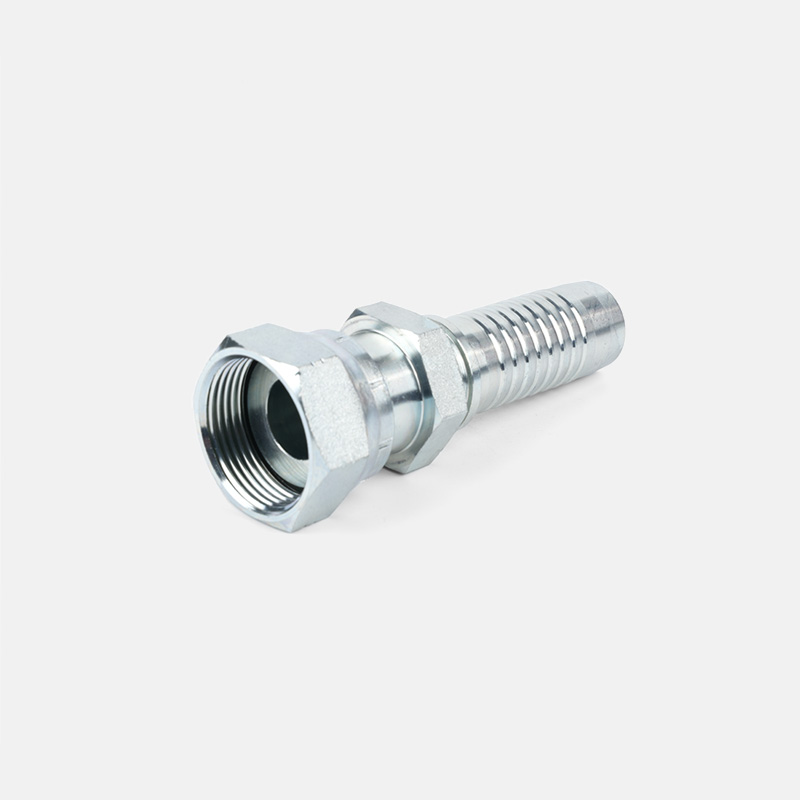
At our factory, we produce hydraulic hose fittings for both metric and American markets. Because we work with global buyers daily, we can supply JIC fittings in commercial or aerospace-compatible grades, and we can also provide the matching ferrules and adapters. For a female swivel on a hose end, the seat must be fully formed. The JIC female 74° cone seat is a typical part for this.
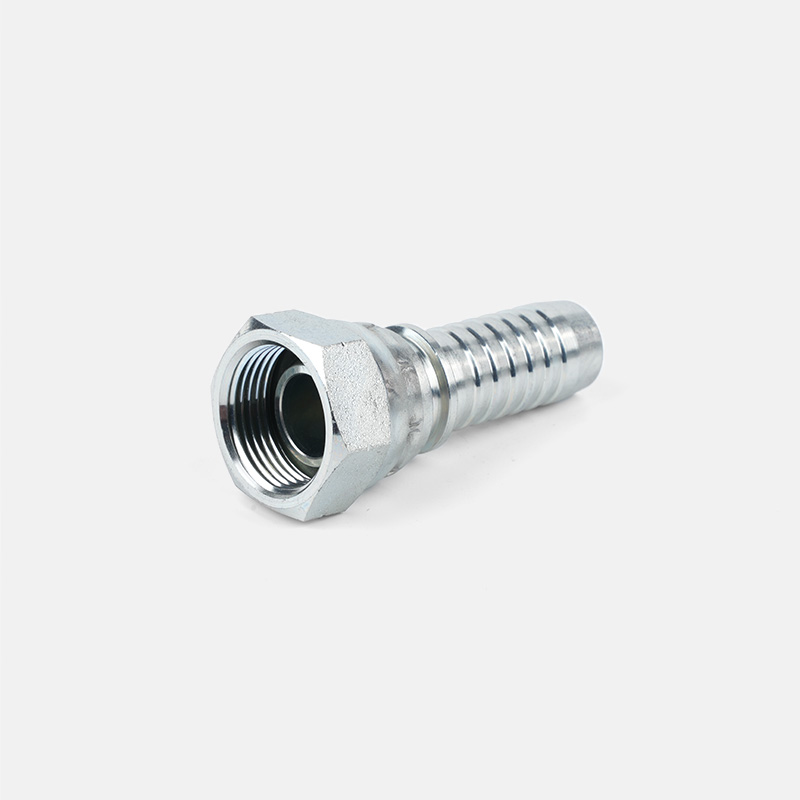
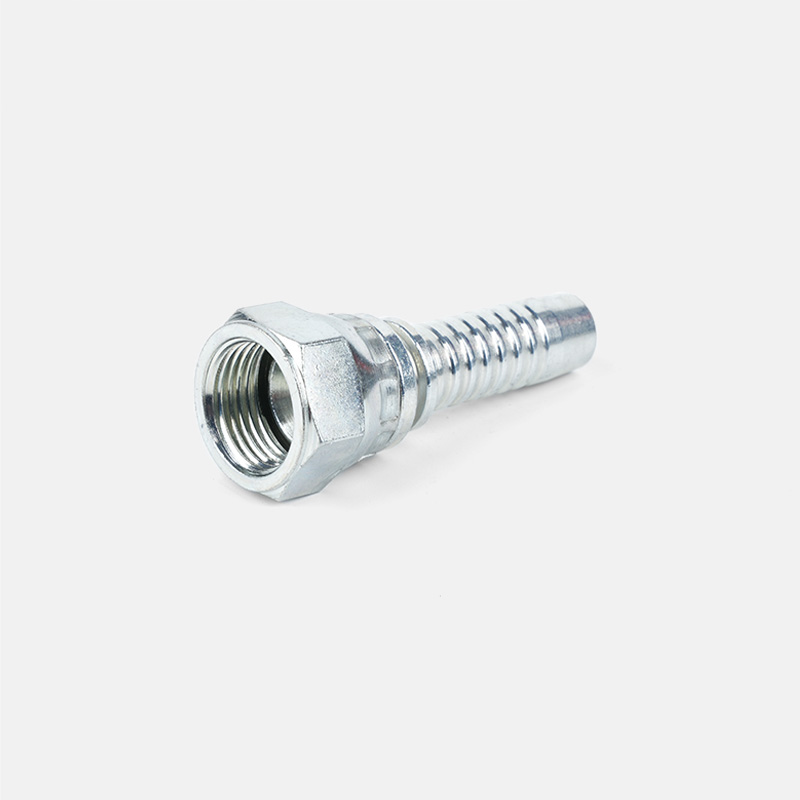 JIC Female 74° Cone Seat Fitting for Hose EndsDesigned with a 74-degree cone seat to match standard JIC male flare, offering a fully formed swivel connection for hydraulic hose assemblies. Available in various thread sizes.View Product →
If you want to explore the full range of hydraulic fittings we manufacture, visit our product catalog. Browse our hydraulic fittings for adapters, ferrules, flanges, and quick couplings.
When you are uncertain, the safest route is to order the exact standard called out on your drawing. If you are designing a system from scratch, choose one thread family and stick with it. For most industrial hydraulics, that family will be JIC; for aerospace and high-end racing, it will be AN. The 37-degree flare makes them friends, but their tolerance classes make them different in the field.
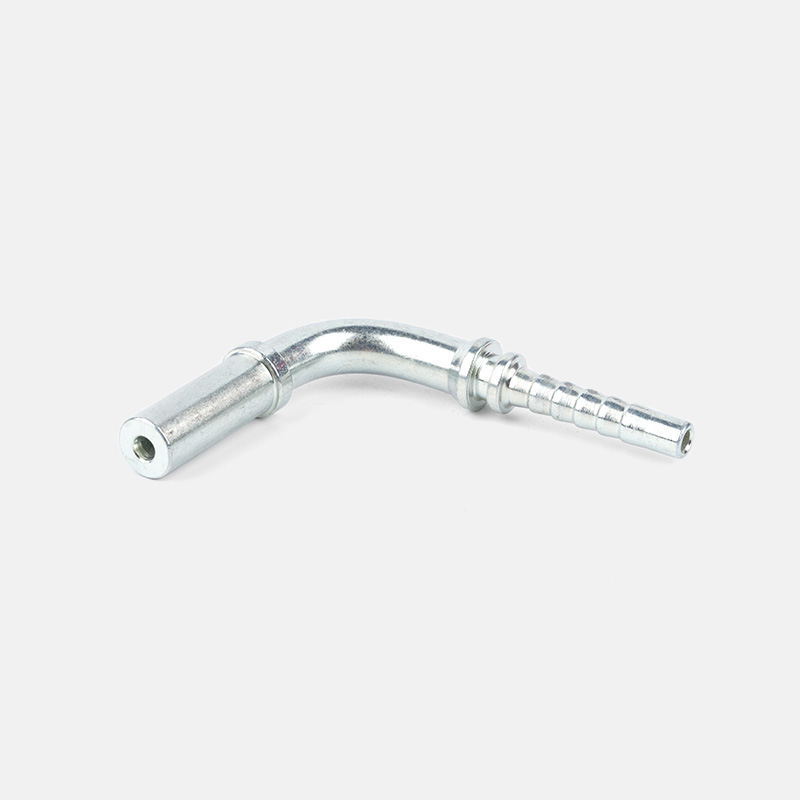


Custom hydraulic accessories
From concept to production, we can create the products you want
Products
Contact Information
-

Tel: +86-159-6851-8588
-

E-mail: [email protected]
-

Add:Zhu Jia Station Village, Diankou Town, Zhuji City , Zhejiang Province, China
