


Language
ENG
Enter Keywords...

NEW
 Home / News / industy news / How Can Hydraulic Adapters Prevent Leaks and Improve System Efficiency?
How Can Hydraulic Adapters Prevent Leaks and Improve System Efficiency?
 2026.03.23
 industy news
What Are Hydraulic Adapters and How Do They Work in Hydraulic Systems?
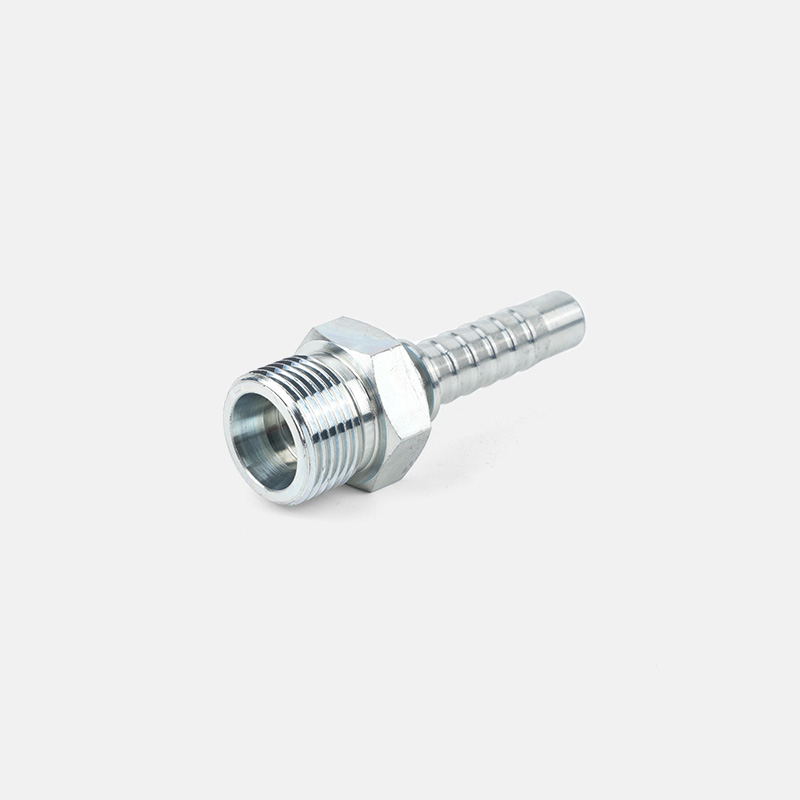
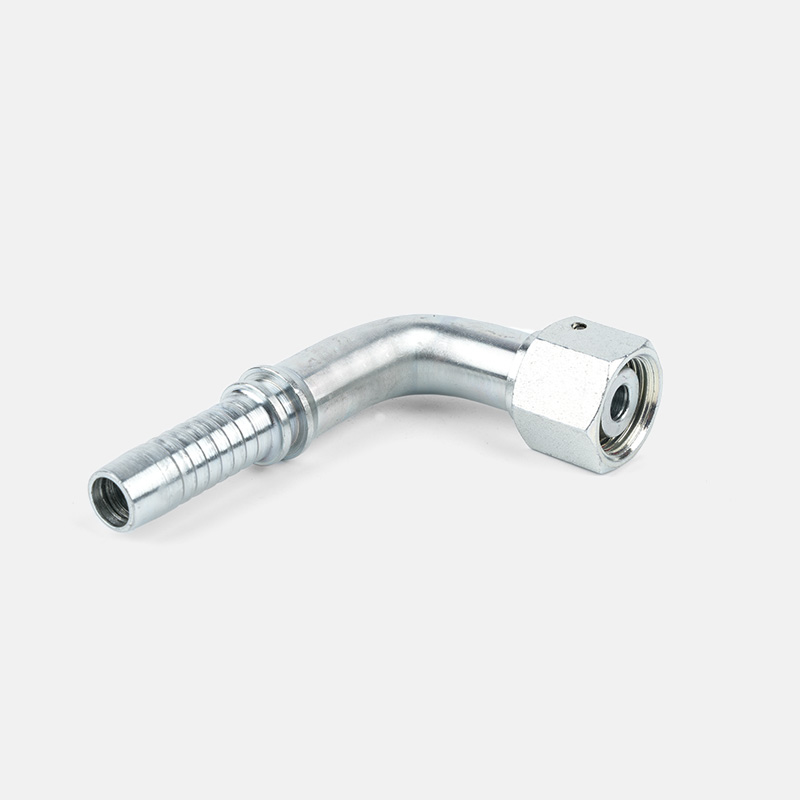
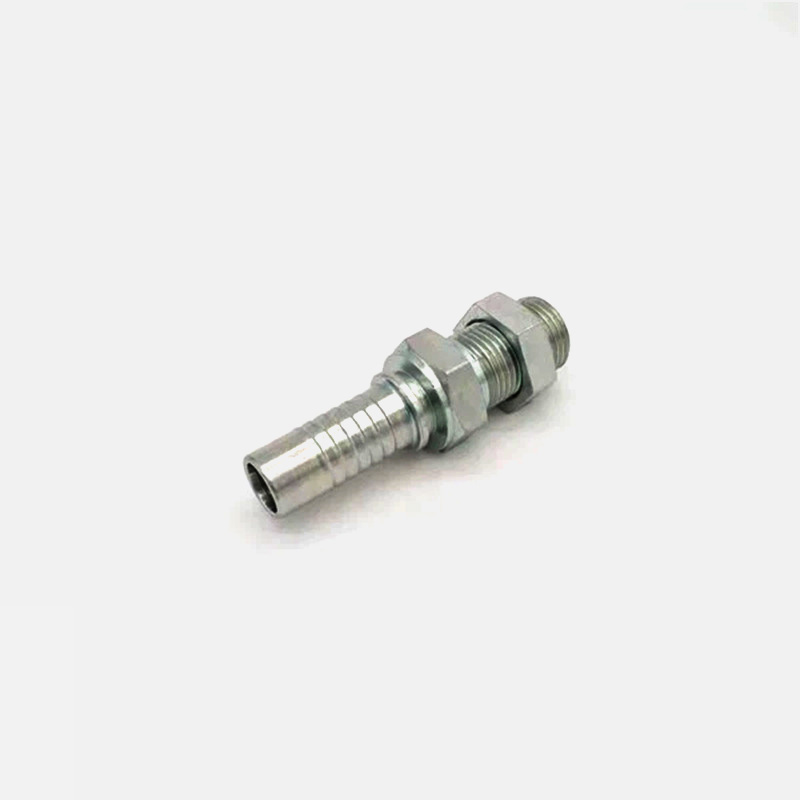
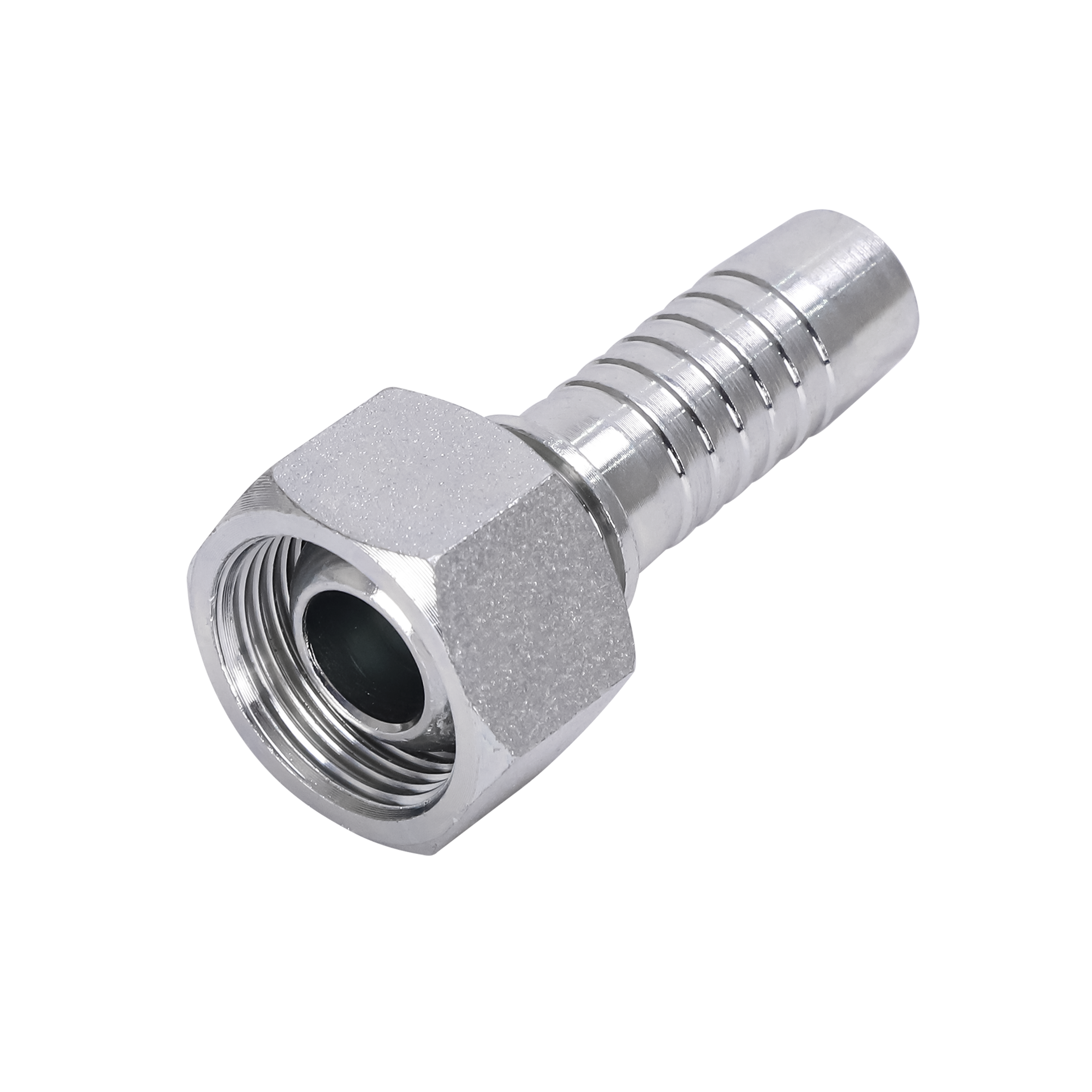
Hydraulic adapters are specialized components used to connect hydraulic hoses, tubes, and other fittings in fluid power systems. They ensure that fluid flows smoothly between components while maintaining a secure, leak-free seal. These adapters are essential for creating customized hydraulic circuits, allowing connections between different thread types, sizes, and standards. Their precise engineering ensures high-pressure tolerance, minimizes fluid loss, and prevents contamination, which is critical for system reliability and efficiency. In modern hydraulic applications, adapters enable seamless integration of pumps, valves, actuators, and other equipment.
Hydraulic adapters work by providing a tight interface between system components, often using threads, O-rings, or face seals. Properly selected adapters prevent leaks, maintain system pressure, and support operational efficiency. Without these components, hydraulic systems would be prone to downtime, inefficiencies, and safety hazards due to fluid leakage or improper connections. They are widely used in industrial machinery, mobile equipment, construction vehicles, and agricultural machinery, making them an indispensable part of fluid power technology.
How Do You Choose the Right Hydraulic Adapter for Your Equipment?
Choosing the correct hydraulic adapter is crucial for system safety and performance. Key factors to consider include thread type (NPT, BSP, JIC, ORFS), pressure rating, material compatibility with hydraulic fluids, and the working environment. Selecting the wrong adapter can lead to leaks, damage to equipment, and decreased efficiency. For high-pressure systems, it is recommended to use adapters rated for the maximum expected pressure and temperature. Additionally, modular designs allow easier replacement and maintenance without disrupting the entire system.
Considerations for Selection
Ensure that the adapter's material matches your system requirements. Common materials include carbon steel, stainless steel, aluminum, and brass, each with unique properties. Stainless steel is ideal for corrosive environments, while carbon steel offers high strength at lower cost. Always check compatibility with hydraulic fluid and operating temperature ranges.
Table: Key Factors When Choosing Hydraulic Adapters
| Factor | Recommendation |
|---|---|
| Thread Type | Match system standard (NPT, BSP, JIC, ORFS) |
| Pressure Rating | Choose adapters rated above maximum system pressure |
| Material | Match environmental and fluid requirements |
| Size Compatibility | Ensure proper hose/tube fit to prevent leaks |
What Are the Key Benefits of Using High-Quality Hydraulic Adapters?
High-quality hydraulic adapters provide several advantages that enhance system reliability, safety, and performance. First, they prevent leaks, which is essential for maintaining system pressure and fluid efficiency. Second, they reduce downtime by ensuring secure and reliable connections that do not require frequent maintenance or replacement. Third, quality adapters are designed to withstand high pressures, vibrations, and extreme temperatures, reducing the risk of system failures. By using high-quality adapters, companies save on maintenance costs, reduce environmental hazards, and improve operational efficiency.
Additionally, premium adapters often feature corrosion-resistant materials and precision-engineered threads that maintain tight seals over extended periods. They allow for flexible system design and can be used to connect components with different thread standards. In industrial, mobile, and agricultural applications, high-quality adapters are essential for minimizing equipment wear and ensuring safety for operators and the environment.
How Can Hydraulic Adapters Prevent Leaks and Improve System Efficiency?
Hydraulic adapters prevent leaks by using precise threads, O-ring seals, or metal-to-metal interfaces, ensuring that hydraulic fluid remains contained under high pressure. Properly sealed connections maintain system pressure, which improves overall efficiency by reducing energy losses from pumps compensating for leaks. Leaks not only reduce efficiency but also increase operational costs and pose environmental hazards. High-quality adapters minimize these risks, ensuring reliable and efficient hydraulic system operation.
Sealing Techniques and Efficiency
Common sealing techniques include O-ring face seals (ORFS), tapered threads, and metal-to-metal contact. Each method provides specific advantages depending on pressure levels, vibration, and fluid type. ORFS seals are ideal for high-pressure, vibration-prone systems, while metal-to-metal contacts excel in extreme temperature and high-load conditions. Properly installed adapters reduce downtime and maintenance needs, contributing to improved system efficiency.
Table: Hydraulic Adapter Sealing Methods
| Sealing Method | Advantages |
|---|---|
| O-ring Face Seal (ORFS) | High pressure, vibration-resistant, chemical-resistant |
| Tapered Threads | Simple, reliable, widely available |
| Metal-to-Metal | Durable, long-lasting, suitable for extreme environments |
What Are the Most Common Types of Hydraulic Adapters and Their Applications?
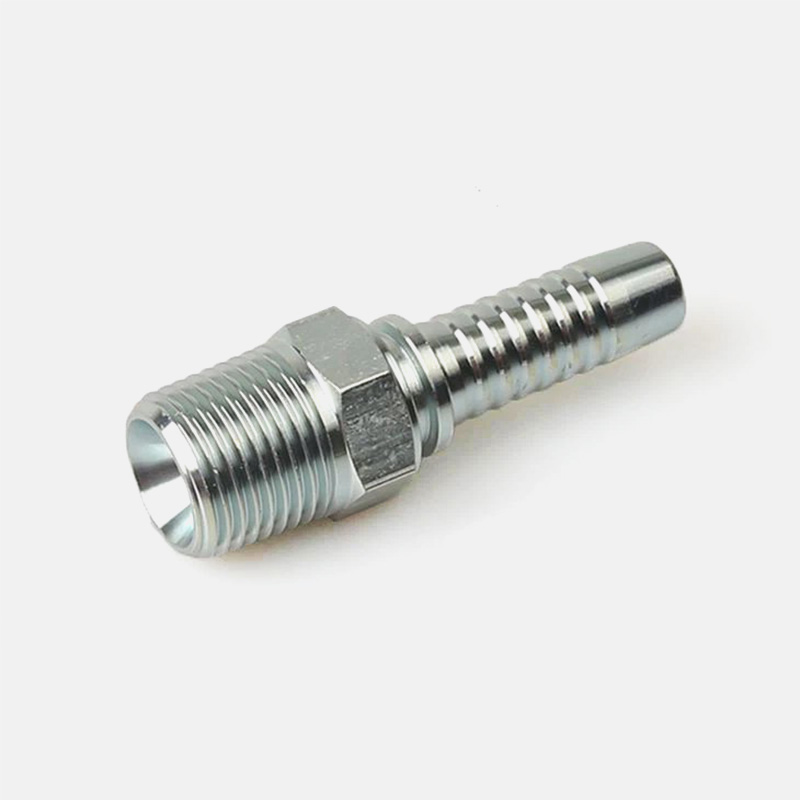
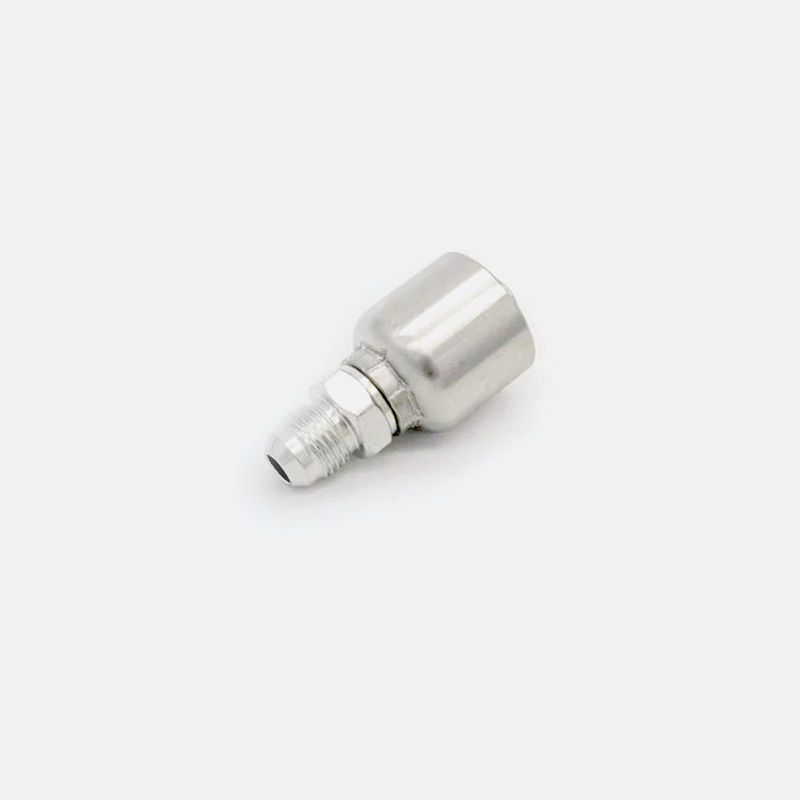
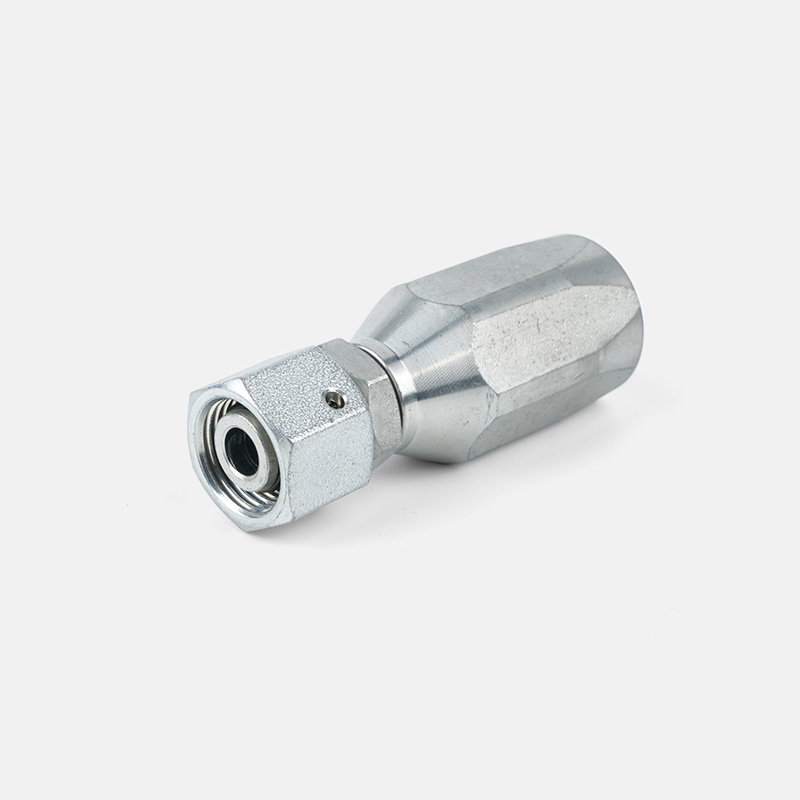
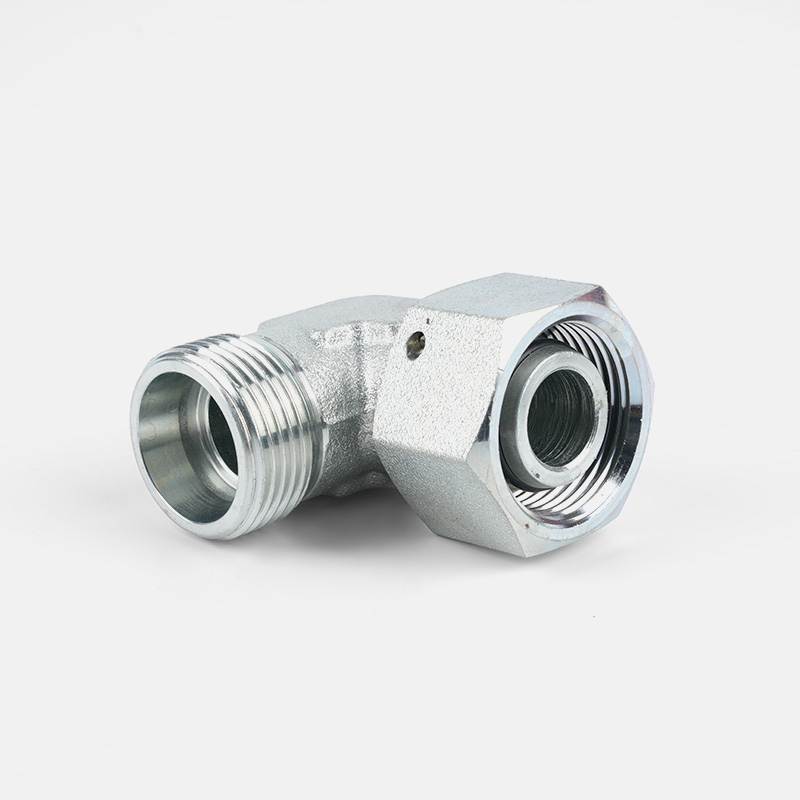
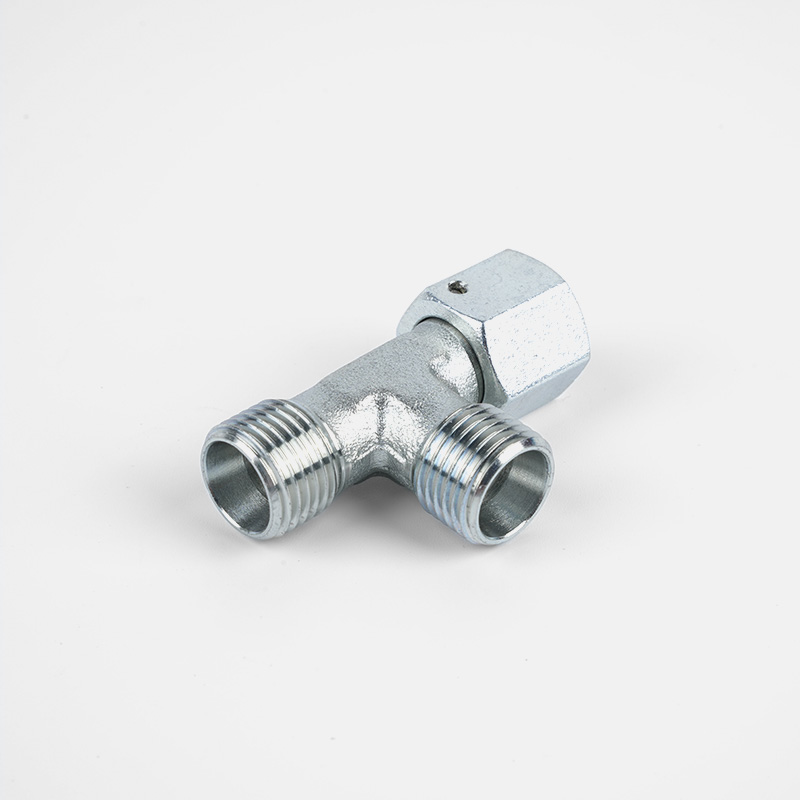
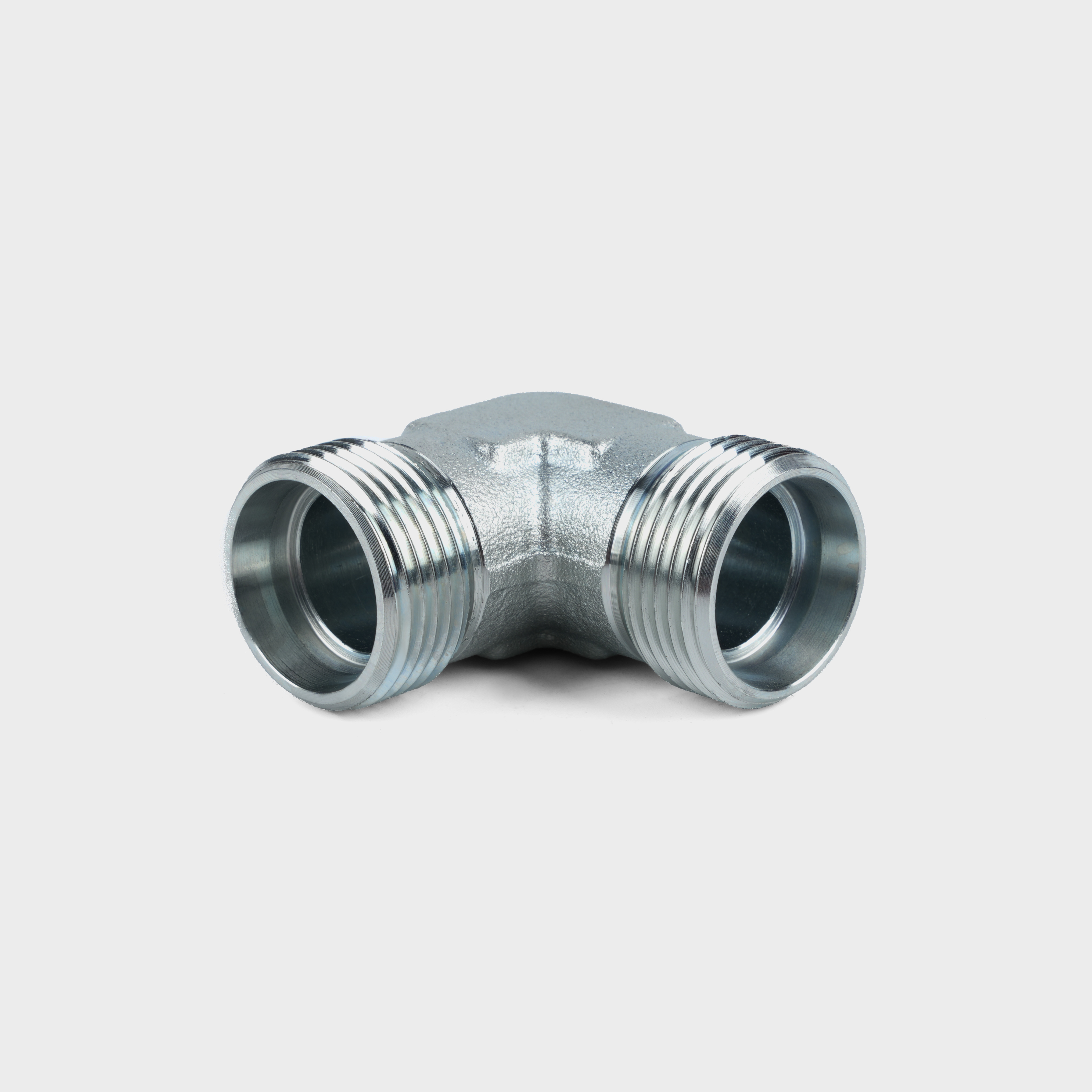
Hydraulic adapters come in various types, including straight, elbow, tee, and cross adapters, each serving specific purposes. Straight adapters connect two lines in a direct configuration, elbow adapters allow directional changes, and tee adapters create branch lines. These adapters are used in industrial machinery, construction equipment, agricultural vehicles, and mobile hydraulic systems. Choosing the appropriate type ensures proper fluid routing, prevents leaks, and enhances system reliability.
Material selection also matters: stainless steel is preferred for corrosive environments, while carbon steel offers high strength for standard applications. Brass adapters are lightweight and suitable for low-pressure systems. Using the correct adapter type and material combination maximizes efficiency and ensures the hydraulic system operates safely under all conditions.
How Do Material Choices Affect the Performance of Hydraulic Adapters?
The material of a hydraulic adapter directly influences its performance, durability, and resistance to corrosion. Common materials include carbon steel, stainless steel, aluminum, and brass. Carbon steel is strong and cost-effective but may require coating to prevent corrosion. Stainless steel is highly resistant to corrosion, chemicals, and temperature extremes, making it ideal for marine, food, and chemical applications. Aluminum and brass are lightweight and resistant to certain fluids, suitable for mobile or low-pressure systems. Selecting the right material ensures leak prevention, longer service life, and system efficiency.
Can Hydraulic Adapters Be Used in High-Pressure or Extreme Temperature Environments?
Yes, high-quality hydraulic adapters are designed to handle extreme conditions. ORFS and JIC adapters, for example, can withstand pressures above 3,000 psi. Materials like stainless steel maintain structural integrity under temperature extremes, from freezing cold to high-heat operations. Using adapters rated for your system conditions prevents leaks, maintains pressure, and enhances safety. Correct installation and periodic inspection further ensure reliable operation in challenging environments.
How Do You Properly Install and Maintain Hydraulic Adapters for Long-Term Use?
Proper installation is essential to maximize the lifespan and efficiency of hydraulic adapters. Adapters should be torqued according to manufacturer specifications to prevent over-tightening or loosening. Align connections to avoid stress on threads or hoses, and inspect O-rings or seals before installation. Routine maintenance, including cleaning, lubrication, and inspection for wear or damage, ensures long-term performance. Proper maintenance reduces downtime, prevents leaks, and improves system efficiency.
Are There Industry Standards to Consider When Selecting Hydraulic Adapters?
Hydraulic adapters are subject to industry standards, such as SAE, ISO, and DIN, which define thread types, pressure ratings, and dimensional tolerances. Compliance with these standards ensures compatibility between components and reliable performance. Using adapters that meet recognized standards reduces the risk of leaks, improves system safety, and ensures the hydraulic system operates efficiently. It also simplifies sourcing replacements and enhances reliability across multiple systems.
How Do Hydraulic Adapters Impact Safety and Reliability in Hydraulic Systems?
Hydraulic adapters directly affect the safety and reliability of hydraulic systems. Secure, leak-free connections prevent fluid loss, maintain system pressure, and reduce the risk of equipment failure. Reliable adapters also protect operators from potential hazards such as high-pressure fluid leaks. By selecting high-quality adapters, maintaining proper installation, and following industry standards, hydraulic systems achieve optimal performance, longer service life, and reduced operational risks.
FAQ
How often should hydraulic adapters be inspected?
Inspection every 3–6 months is recommended for industrial systems, or more frequently in harsh environments, to check for wear, corrosion, or leaks.
Can hydraulic adapters be used in mobile equipment?
Yes, they are widely used in construction, agricultural, and mobile hydraulic systems due to their durability and flexibility.
What happens if the wrong adapter type is used?
Using the wrong adapter can lead to leaks, pressure loss, equipment damage, and safety hazards.
Do material and design choices affect efficiency?
Absolutely. Proper material and design choices prevent leaks, maintain system pressure, and reduce energy losses, improving overall efficiency.
References
- Parker Hannifin – Hydraulic Fittings & Adapters Guide
- Fluid Power Journal – Leak Prevention in Hydraulic Systems
- International Fluid Power Society – Hydraulic System Maintenance and Efficiency
- SAE International – Material Selection for Hydraulic Components

Custom hydraulic accessories
From concept to production, we can create the products you want
Products
Contact Information
-

Tel: +86-159-6851-8588
-

E-mail: [email protected]
-

Add:Zhu Jia Station Village, Diankou Town, Zhuji City , Zhejiang Province, China
