


Language
ENG
Enter Keywords...

NEW
 Home / News / industy news / How to Choose and Install the Right Hydraulic Fittings? The Ultimate Guide
How to Choose and Install the Right Hydraulic Fittings? The Ultimate Guide
 2026.02.02
 industy news
In the world of fluid power systems, hydraulic fittings serve as the critical interface between components. Whether you are dealing with high-pressure excavators or precision industrial machinery, selecting the correct connector is the difference between seamless operation and a catastrophic leak.
Comprehensive Selection Criteria for Hydraulic Connectors
Choosing a fitting involves more than matching thread sizes. It requires an understanding of the mechanical stresses and chemical environments the system will endure.
1. The STAMPED Protocol for Selection
The industry-standard STAMPED method ensures that every technical variable is accounted for before a purchase is made.
- Size: This refers to the inside diameter of the hose and the dash size of the fitting. Dash sizes are measured in sixteenths of an inch.
- Temperature: You must consider both the fluid temperature and the ambient environmental temperature. Extreme cold requires specialized seals, while high heat may necessitate stainless steel over carbon steel.
- Application: Identify if the system involves high-frequency pressure spikes, constant vibration, or mechanical movement.
- Material: Standard fittings are often carbon steel with zinc plating, but corrosive environments (such as marine or chemical processing) require 316 Stainless Steel or Brass.
- Pressure: The working pressure of the fitting must be equal to or higher than the maximum system pressure, including potential surges.
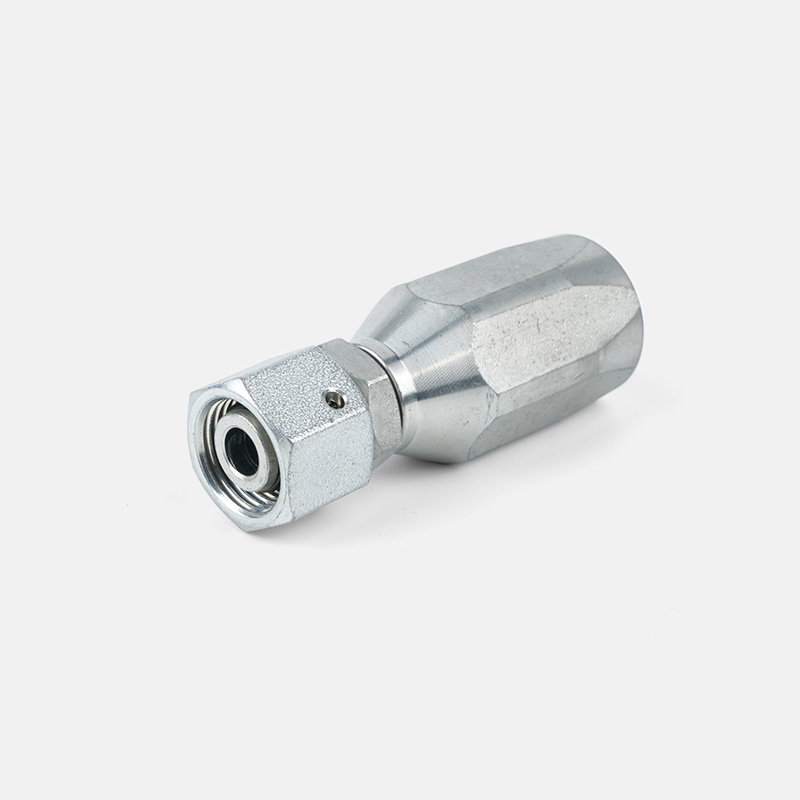
- Ends: This involves identifying the specific thread type, such as JIC 37-degree flare or O-Ring Face Seal.
- Delivery: Ensure the fitting is compatible with the specific type of hydraulic fluid, especially fire-resistant or bio-degradable oils.
2. Mastering Thread Identification and Standards
Identifying hydraulic threads is a vital skill for preventing cross-threading and leaks.
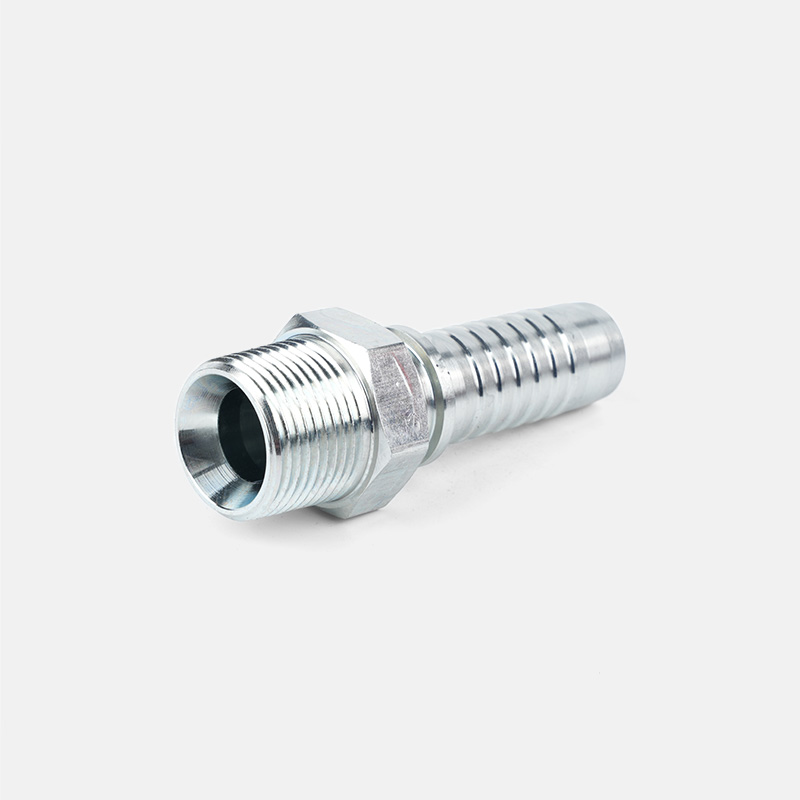
- Tapered Threads: These include NPT (National Pipe Tapered) and BSPT. They seal by the interference fit between the male and female threads, often requiring a sealant like Teflon tape or pipe dope.
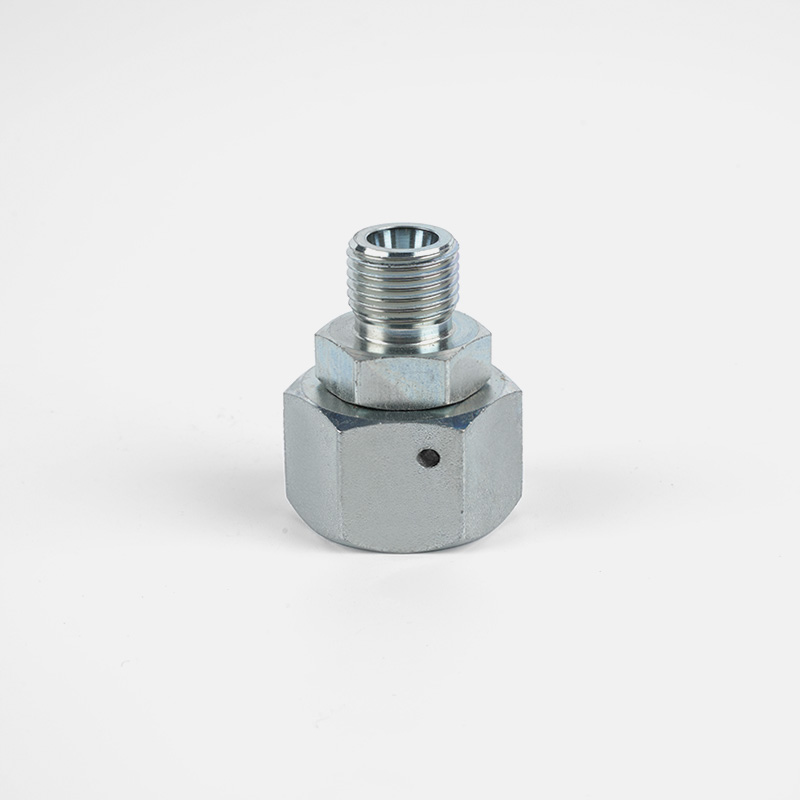
- Parallel Threads: These include SAE ORB and BSPP. These threads do not seal on the thread itself but use an O-ring or a bonded washer to create a leak-proof barrier.
Professional Installation Techniques for Leak-Free Systems
Proper installation is as important as the quality of the component. Follow these steps to ensure a professional-grade assembly.
3. Pre-Installation Inspection and Cleaning
Contamination is the primary cause of hydraulic component failure.
- Visual Check: Inspect the fitting for any signs of oxidation, burrs, or damaged threads. Even a microscopic nick on a flare surface can cause a high-pressure leak.
- Contamination Control: Ensure the hose and fitting are blown out with clean air or capped until the moment of assembly to prevent dust from entering the system.
4. The Proper Lubrication Process
Lubrication is often overlooked but essential for a perfect seal.
- O-Ring Lubrication: Always apply a thin film of clean hydraulic oil to O-rings before installation. This prevents the seal from pinching or tearing when the nut is tightened.
- Thread Galling Prevention: For stainless steel fittings, lubrication is critical to prevent galling, which is the cold-welding of threads due to friction.
5. Tightening Procedures: Flats From Finger Tight
Over-tightening is a common mistake that leads to cracked nuts and crushed flares. The Flats From Finger Tight (FFFT) method is the professional standard.
- Step 1: Tighten the nut by hand until it is snug against the seating surface.
- Step 2: Use a marker to draw a line across the nut and the fitting body.
- Step 3: Use a wrench to turn the nut the specific number of flats (sides of the hex nut) recommended by the manufacturer. For example, a JIC fitting typically requires 1.5 to 2 flats beyond finger tight.
Comparison of Global Hydraulic Fitting Standards
Understanding the differences between international standards is crucial for global equipment maintenance.
| Fitting Standard | Sealing Mechanism | Pressure Rating | Common Region/Industry |
|---|---|---|---|
| JIC (SAE J514) | 37 Degree Flare | Medium to High | North America / Agriculture |
| ORFS (SAE J1453) | O-Ring Face Seal | Very High | Construction Machinery |
| BSPP (ISO 228-1) | Bonded Washer/Seal | Medium | Europe / Industrial |
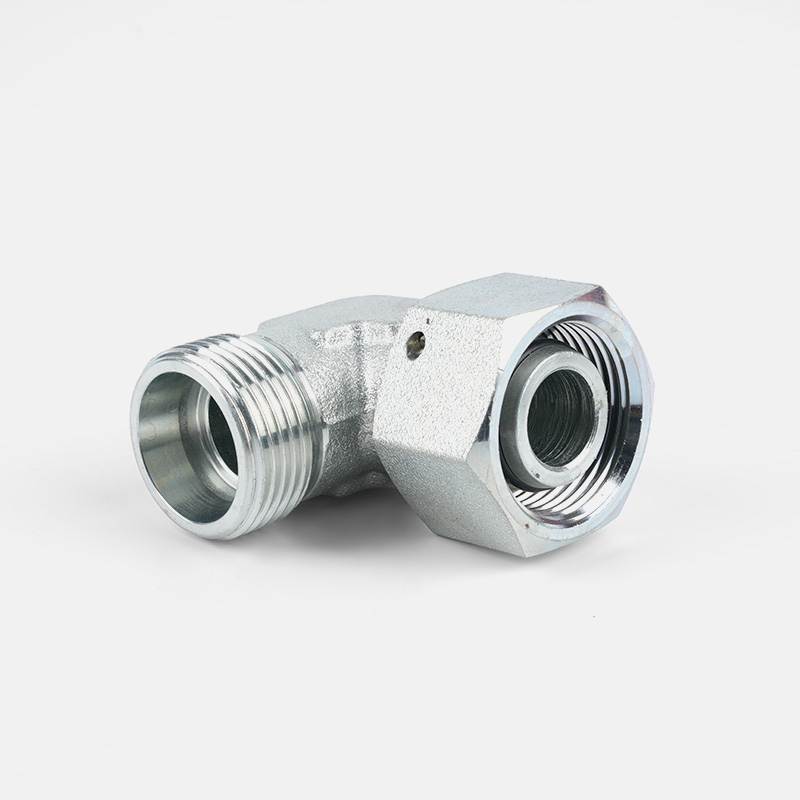
| DIN (ISO 8434-1) | 24 Degree Cone | High | Germany / Manufacturing |
| NPT (ANSI B1.20.1) | Tapered Thread | Low to Medium | General Plumbing / US Legacy |
Frequently Asked Questions (FAQ)
Q1: Can I use Teflon tape on all hydraulic fittings?
No. Teflon tape should only be used on tapered threads like NPT. It should never be used on parallel threads or flared fittings (like JIC or ORFS), as bits of tape can break off and clog sensitive valves or pumps.
Q2: How do I know if a fitting is JIC or SAE 45-degree flare?
While they look similar, the flare angle is different. JIC uses a 37-degree angle, while SAE uses a 45-degree angle. Using a flare gauge is the only reliable way to distinguish between the two.
Q3: Why do my fittings keep leaking even after I tighten them further?
This is likely due to over-torque. Once a flare is crushed or a nut is cracked, further tightening will only worsen the leak. The fitting must be replaced.
References and Technical Resources
- SAE International Standard J514: Hydraulic Tube Fittings.
- ISO 8434-1: Metallic tube connections for fluid power and general use.
- National Fluid Power Association (NFPA) Guide to Leak-Free Hydraulic Connections.
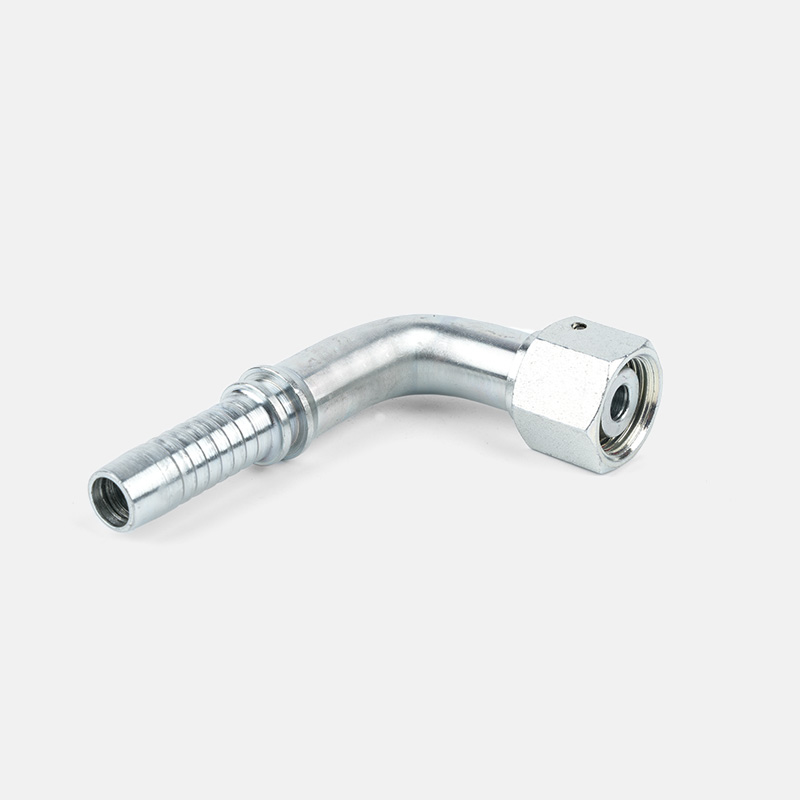
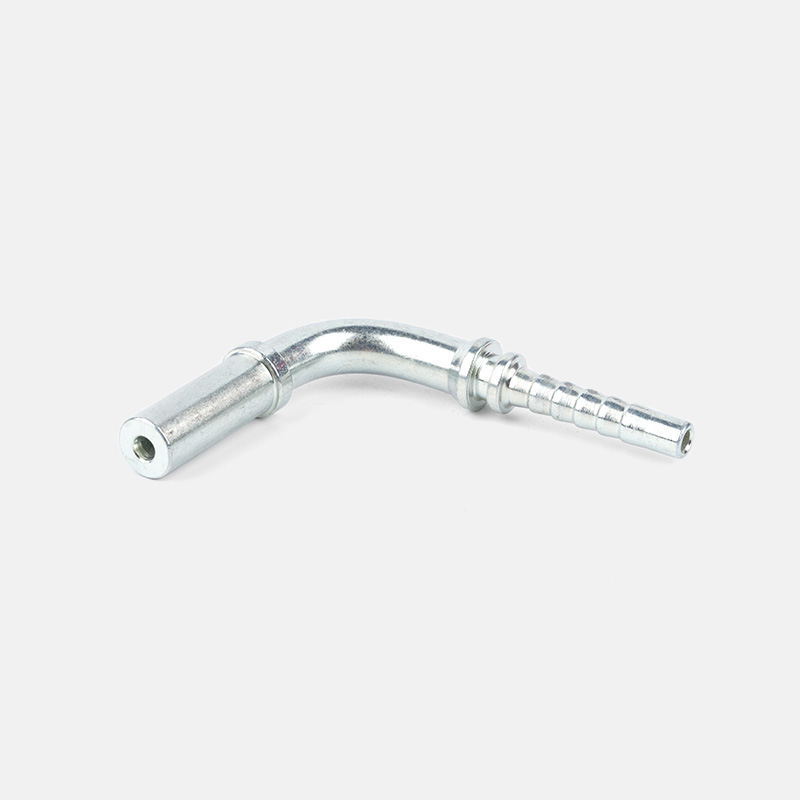
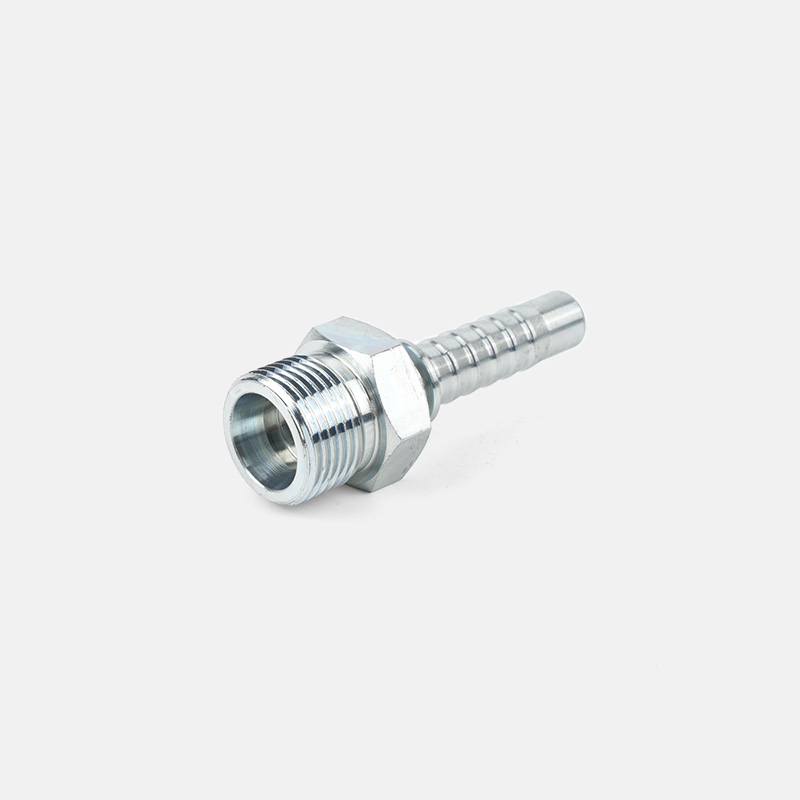
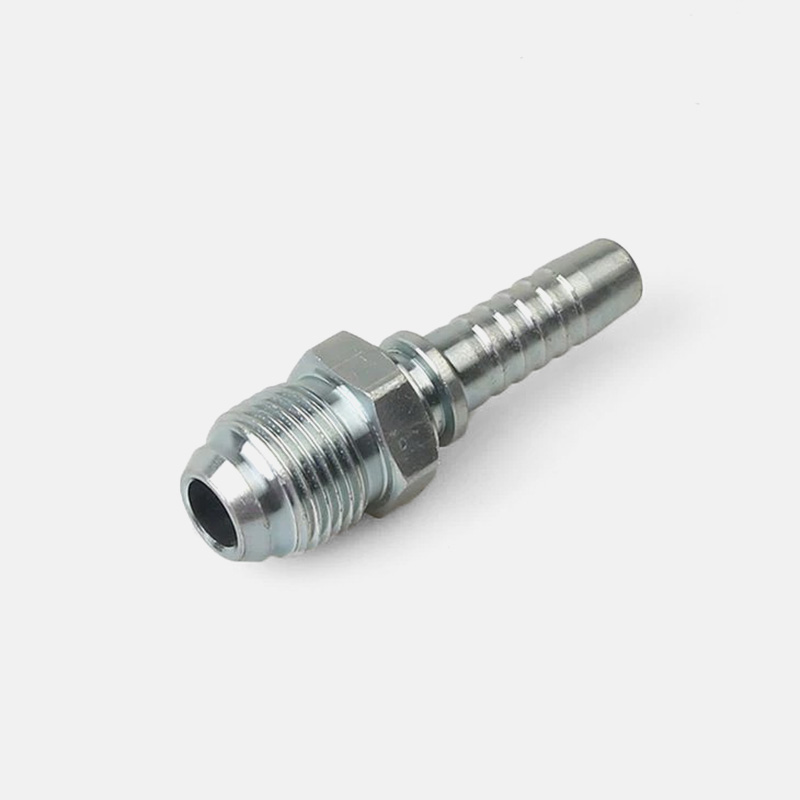

Custom hydraulic accessories
From concept to production, we can create the products you want
Products
Contact Information
-

Tel: +86-159-6851-8588
-

E-mail: [email protected]
-

Add:Zhu Jia Station Village, Diankou Town, Zhuji City , Zhejiang Province, China
