


Language
ENG
Enter Keywords...

NEW

How to identify and prevent leaks in metric hose fittings?
 2025.12.01
 industy news
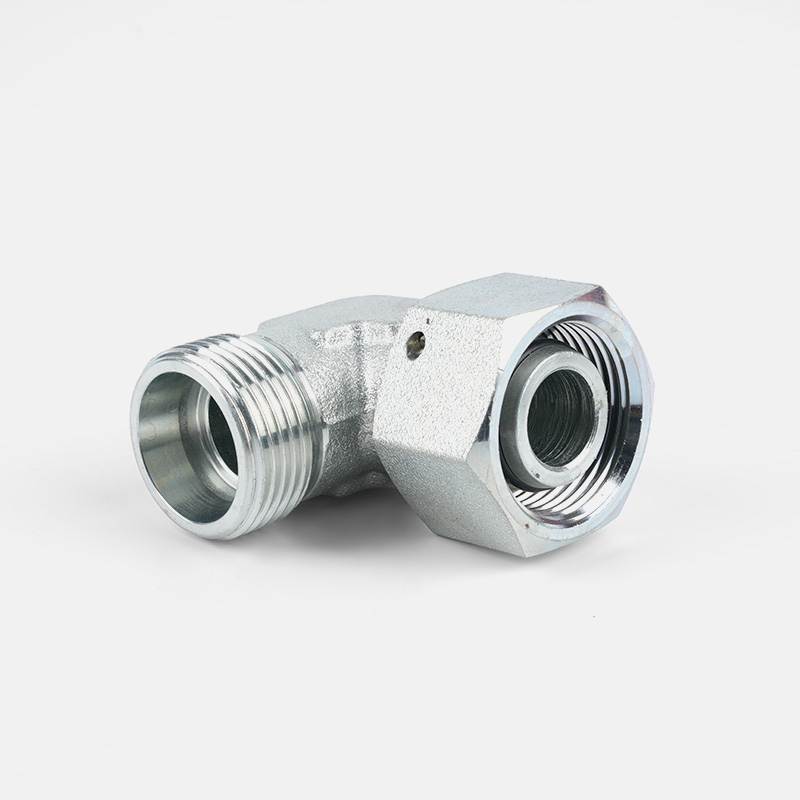
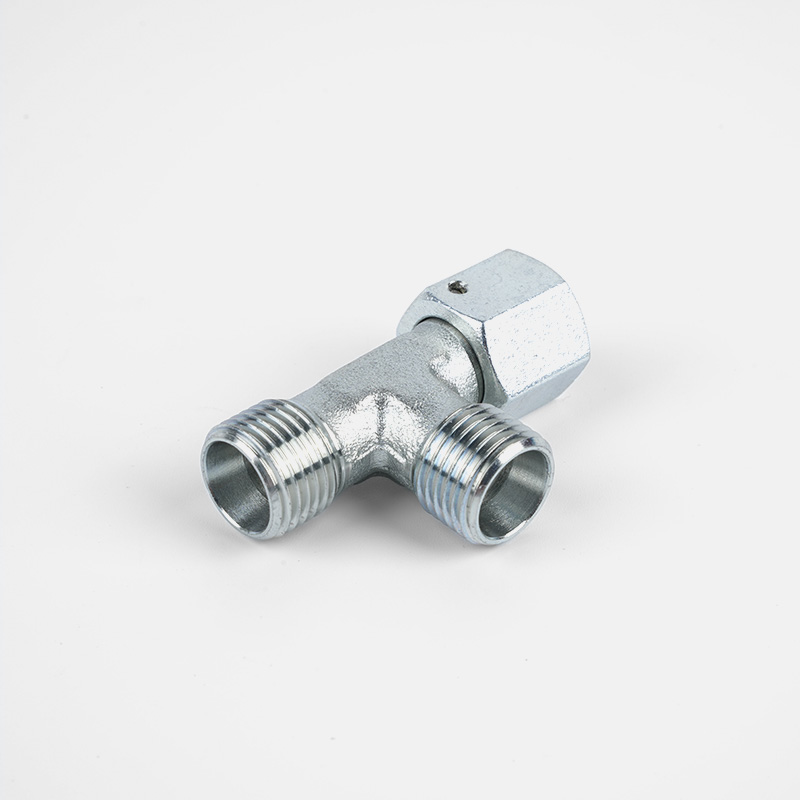
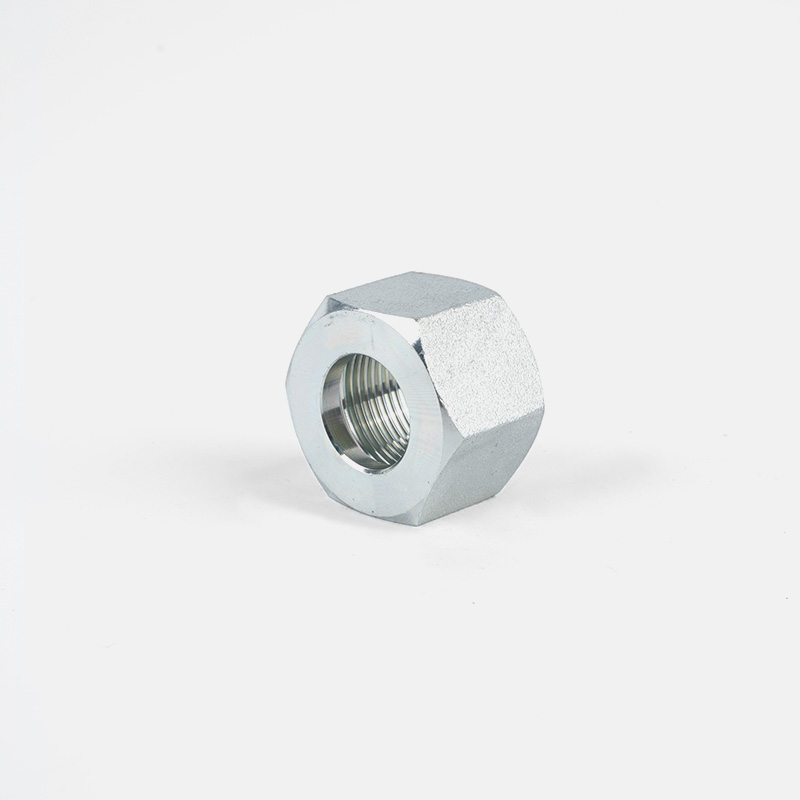
Metric hose fittings are critical components in hydraulic and fluid transfer systems. Leaks in the system not only lead to wasted fluid and environmental pollution but, more importantly, can cause reduced efficiency, equipment failure, and even serious safety accidents.
1. Precise Leak Identification Techniques
Effectively identifying a leak is the first step, especially in complex industrial environments. Different leak sizes require different detection methods, and it is essential to ensure that all inspections are conducted under safe conditions.
1.1. Primary Visual and Tactile Inspection (Non-Pressurized State)
- Oil Stains and Wet Areas: Look for abnormal oil residue, a wet feeling, or dirt mixed with oil accumulated around the fitting body, nut, or hose surface.
- Puddles and Dripping: Confirm the location and frequency of dripping, which helps determine the severity of the leak.
- Hose-to-Fitting Interface: Closely examine the crimped area where the hose meets the fitting for any obvious fluid seepage.
- Unusual Odors: Certain hydraulic fluids may emit a distinctive burnt or unusual odor when leaking or exposed to high temperatures.
1.2. Advanced and Professional Detection Methods (Pressurized or During Professional Maintenance)
| Method Name | Detection Principle | Advantages | Applicable Scenarios |
|---|---|---|---|
| Bubble Solution Test | A solution is sprayed onto the suspected area; escaping fluid/gas forms visible bubbles. | Low cost, simple operation, sensitive to minor leaks. | Pinpointing micro-leaks, especially suitable for gas or low-viscosity fluids. |
| Fluorescent Dye Method | Dye is mixed into the hydraulic fluid, which glows under UV light when leaked. | Extremely high accuracy, identifies seepage invisible to the naked eye, non-destructive testing. | Complex piping, hard-to-reach areas, system-wide diagnostics. |
| Ultrasonic Detection | Listens for the high-frequency sound waves generated as high-pressure fluid escapes through a small gap. | Non-contact, unaffected by ambient noise (via filtering), allows for quick scanning. | Noisy industrial environments, pre-warning of imminent high-pressure leaks. |
| Pressure Hold Test | Applying test pressure to a section of piping and monitoring the decay of the pressure gauge reading over time. | Quantitative diagnosis, confirms the overall sealing performance of a new system. | Commissioning of new installations or systems after a major overhaul. |
Important Note: Always wear appropriate Personal Protective Equipment (PPE) when using any detection method. Never place your hands or skin near a running, pressurized hydraulic system; even a fine spray of high-pressure oil can cause injection injuries.
2. Root Cause Analysis of Leaks
Understanding the root cause of a leak is essential for taking targeted preventative measures. Metric fitting leaks are typically attributed to the following three areas:
2.1. Critical Installation Errors
- Improper Torque (Under- or Over-Torqueing): This is the most common cause of leaks.
- Under-Torqueing: Sealing elements (like O-rings, ferrules, or metal cone faces) are not compressed sufficiently to the design stress, leading to poor sealing.
- Over-Torqueing: Permanently deforms or damages the threads, fitting body, or sealing element. For ferrule fittings, over-tightening can cause the ferrule to over-bite the tube wall or fracture.
- Cross-threading: Threads are incorrectly engaged due to misalignment during tightening, severely damaging the threads and causing seal failure.
- Contaminated Installation Environment: Even minute amounts of dirt, metal chips, or welding slag entering the sealing cone or O-ring groove will create a leak path.
2.2. Component Aging and Compatibility Issues
- Seal Aging and Contamination:
- O-Rings: Elastomer materials (e.g., Nitrile NBR) harden, shrink, or degrade over time due to heat or fluid contamination, losing elasticity.
- Contamination: Particulate matter abrades or scratches the metal sealing cone surface.
- Mixed Standards: Although Metric and some Imperial standards (like BSP) may appear similar, subtle differences in thread angle, pitch, or sealing method (e.g., Metric 60° cone vs. Imperial 30° cone) will result in incompatible seals.
- Vibration Fatigue: Continuous machine vibration can gradually loosen the nuts and ferrules and lead to metal fatigue at the fitting or hose crimp interface.
2.3. System Operating Conditions Exceeding Design Limits
- Pressure Spikes: Rapid valve switching or pump load changes can create momentary pressures several times higher than the system’s rated working pressure, which can permanently deform fittings or cause seal failure.
- Thermal Cycling: Rapid and drastic changes in system temperature cause differential thermal expansion between the fitting metal and the seal material, accelerating seal fatigue and loosening.
3. Effective Leak Prevention Strategies
Leak prevention strategies must cover the entire process from design and installation to maintenance.
3.1. Prevention at the Design and Selection Stage
- Standard Consistency: Insist on using a uniform metric standard throughout the system (e.g., DIN 24° Light Series L or Heavy Series S), and ensure all replacement parts strictly comply with this standard.
- Compatibility Verification: For different fluids (e.g., special oils, water-glycol), ensure the O-ring and seal materials have chemical compatibility.
- Pressure Margin: Select fittings and hose assemblies whose rated working pressure is at least 25% higher than the system’s maximum working pressure to account for potential pressure spikes.
3.2. Strict Installation Protocols
- Use of Torque Wrench: A calibrated torque wrench must be used, following the specific torque values provided by the manufacturer for the fitting size and material. This is the most crucial step in preventing leaks.
- Lubrication and Cleanliness: Apply a thin film of compatible fluid or a recommended sealant/lubricant to the threads and sealing cone during installation to reduce friction, ensure torque translates effectively into clamping force, and prevent thread galling.
- Correct Pre-assembly Steps: For compression (ferrule) fittings, follow the two-step method: “pre-assembly (to achieve initial ferrule bite), then final tightening.”
3.3. System Maintenance and Monitoring
- “Hot” Check and Cold Re-Torque: After the system has been run for the first time and reached operating temperature, allow it to cool to ambient temperature, and then re-check the torque on critical fitting nuts. Thermal cycling can cause initial loosening.
- Regular Seal Replacement: During system overhauls or hose replacement, always use new O-rings, washers, or ferrules, even if the old ones appear to be in good condition.
- Hose Routing Inspection: Ensure the hose bend radius meets requirements and that the hose routing is designed to prevent excessive tension, twisting, or side loads at the fitting connection, which accelerate fitting fatigue and leakage.
By strictly following the identification and prevention measures listed above, you can significantly extend the lifespan of your metric hose fittings, minimize hydraulic system failure due to leaks, and ensure safe and efficient operation.
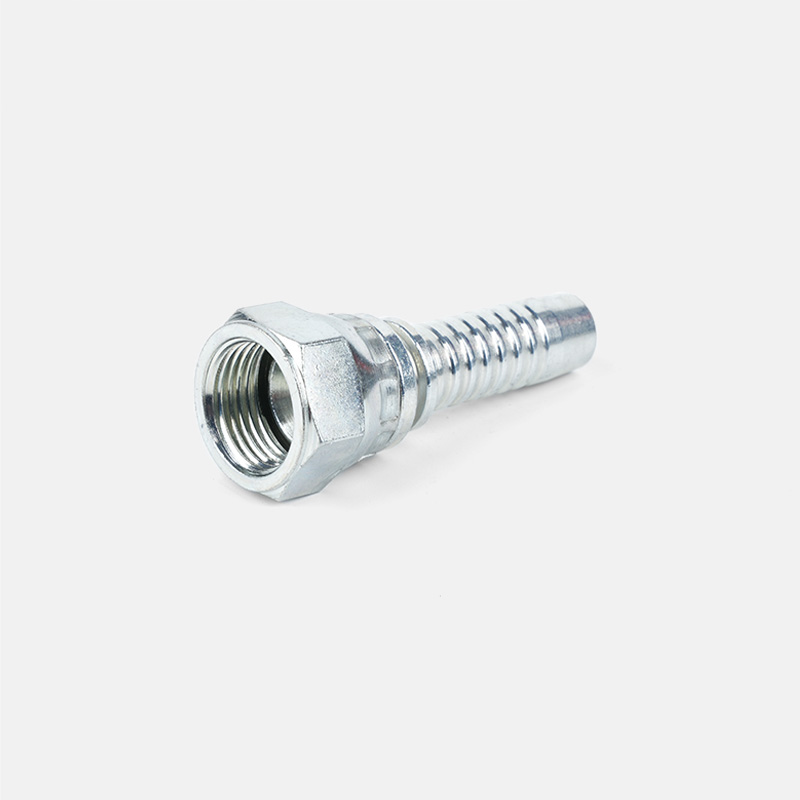
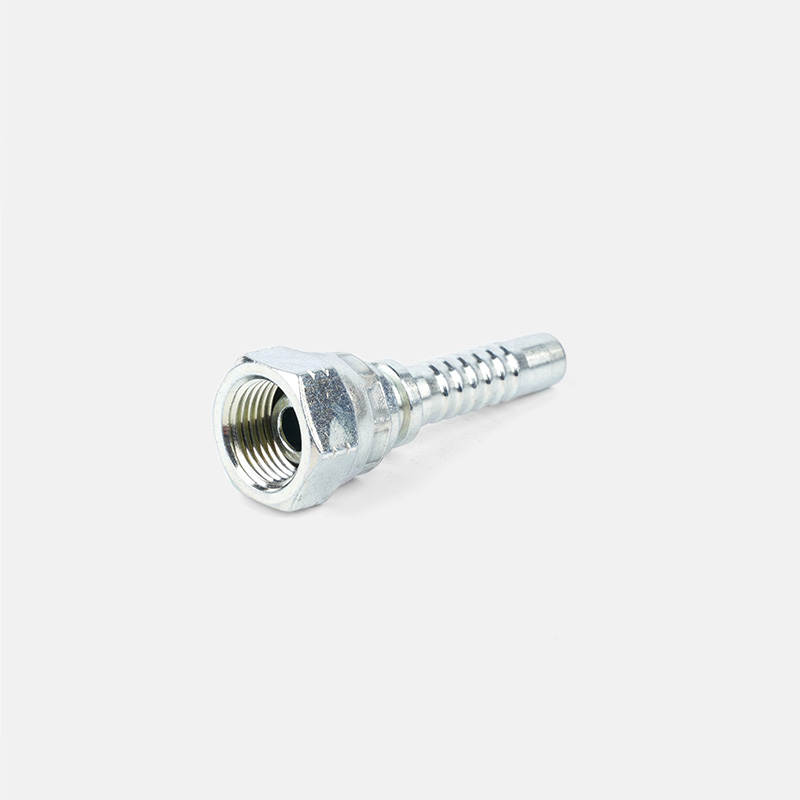
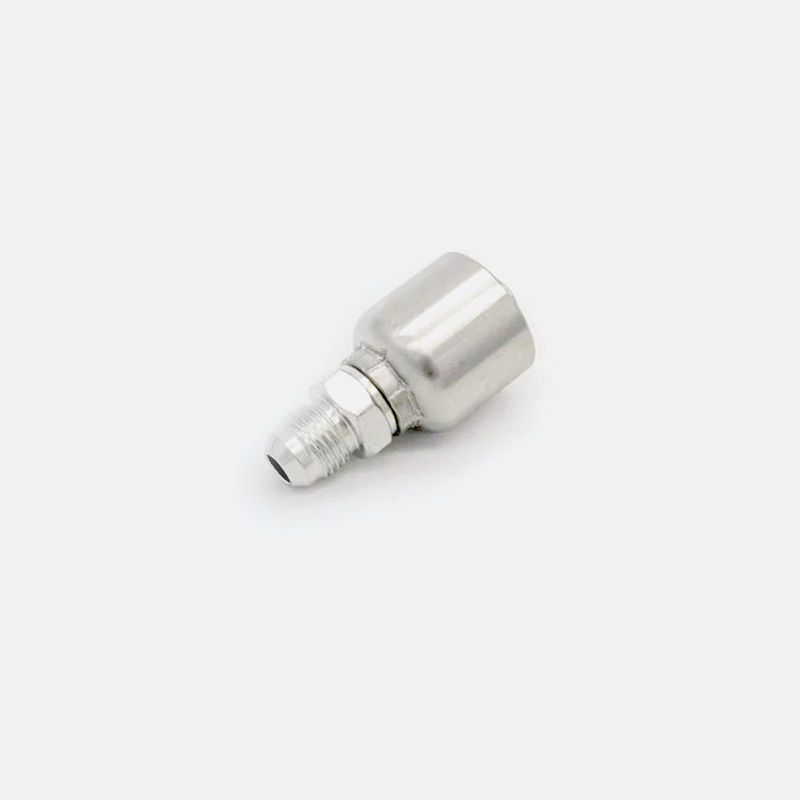
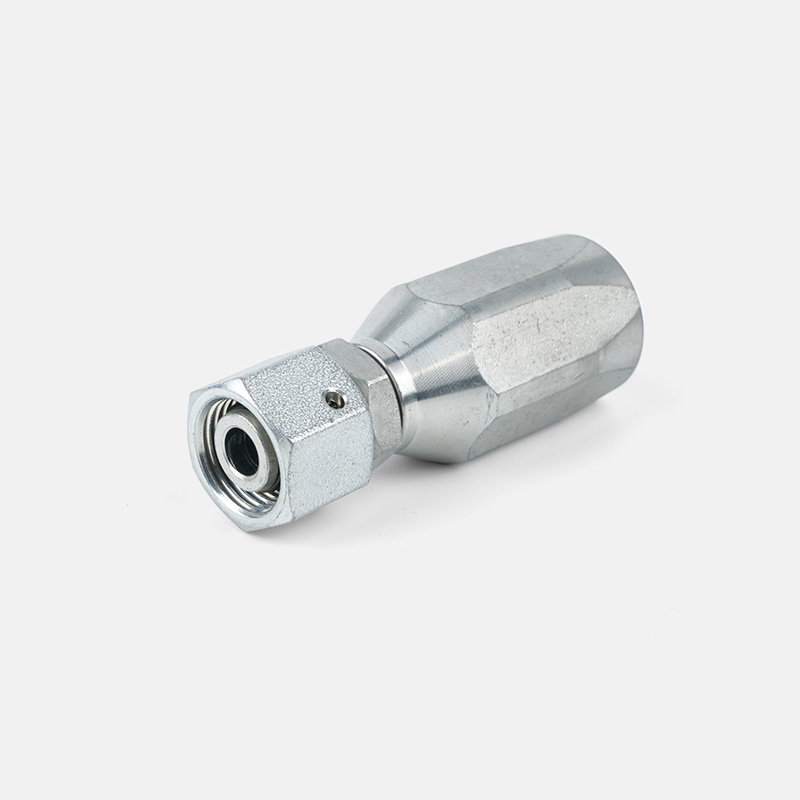

Custom hydraulic accessories
From concept to production, we can create the products you want
Products
Contact Information
-

Tel: +86-159-6851-8588
-

E-mail: [email protected]
-

Add:Zhu Jia Station Village, Diankou Town, Zhuji City , Zhejiang Province, China
