


Language
ENG
Enter Keywords...

NEW
 Home / News / industy news / Hydraulic Adapters Buying Guide: Thread Standards, Sizing, and Compatibility
Hydraulic Adapters Buying Guide: Thread Standards, Sizing, and Compatibility
 2026.07.27
 industy news
Quick Answer
What Matters Most When Buying Hydraulic Adapters
The single most important factor when buying hydraulic adapters is matching the thread standard and connection type on both ends of the fitting to the ports and hoses already in your system. A hydraulic adapter that looks correct in size but uses the wrong thread family, such as NPT instead of BSPP, will either fail to seal or damage the port threads even if it physically screws in partway.
In short: identify the thread standard first, confirm the nominal size and thread pitch second, and only then compare material grade and pressure rating. Skipping the thread identification step is the leading cause of on site leaks and warranty claims in hydraulic systems.
This guide walks through the thread standards you will encounter, how to measure and size an adapter correctly, which materials suit which operating conditions, and the compatibility rules that prevent mismatched fittings from causing failures in the field.
Thread Standards
Common Hydraulic Adapter Thread Standards Explained
Hydraulic systems around the world use several distinct thread families, and mixing them up is the number one sourcing mistake buyers make. Below is a breakdown of the standards you are most likely to encounter.
| Thread Standard | Common Name | Typical Region | Seal Method |
| NPT | National Pipe Tapered | United States | Tapered thread seals on contact, often needs thread sealant |
| NPTF | Dryseal National Pipe Tapered | United States | Tapered thread, designed to seal without sealant |
| BSPP | British Standard Pipe Parallel | Europe, Asia, Australia | Parallel thread with a bonded seal washer or O ring face |
| BSPT | British Standard Pipe Tapered | Europe, Asia | Tapered thread seals on contact, similar to NPT in function |
| JIC 37 Degree | Joint Industry Council | United States, widely exported | 37 degree flare seats metal to metal |
| ORFS | O Ring Face Seal | United States, Europe | Flat face with O ring, very leak resistant |
| Metric DIN | Deutsches Institut fur Normung | Germany, broader Europe | Parallel thread with O ring or bite type sealing |
A common error is assuming that a fitting marked with a size such as one half inch will always match another fitting of the same marked size. NPT and BSPP fittings both use inch based size markings but their actual thread pitch and taper angle differ, so a one half inch NPT adapter will not properly seal against a one half inch BSPP port even though both appear compatible at first glance.
Sizing
How to Correctly Size a Hydraulic Adapter
Sizing errors are the second most common cause of returns after thread mismatches. Follow this measurement order every time you are unsure of an existing fitting.
- Measure the outside diameter of the male thread using calipers, taking the reading across the largest point of the threads.
- Count the number of threads per inch, or measure the thread pitch in millimeters if the fitting appears metric.
- Check whether the thread is tapered or parallel by looking for a visible narrowing toward the tip, since tapered threads like NPT will measure slightly smaller at the very end.
- Compare your measurements against a thread identification chart rather than relying on the nominal size stamped on the fitting, since stamped sizes can refer to nominal pipe size rather than actual thread diameter.
- Confirm the seal type, whether it is a face seal, a flare seal, or a thread sealant type, since two fittings with matching thread pitch can still fail if the sealing method differs.
| Nominal Size | NPT Actual OD | BSPP Actual OD | Threads Per Inch NPT |
| One quarter inch | 13.6 mm | 13.2 mm | 18 |
| Three eighths inch | 17.1 mm | 16.7 mm | 18 |
| One half inch | 21.3 mm | 20.9 mm | 14 |
| Three quarter inch | 26.7 mm | 26.4 mm | 14 |
Notice how close NPT and BSPP outside diameters are at every size, sometimes within half a millimeter. This is exactly why visual inspection alone leads buyers astray, and why a thread gauge or caliper measurement combined with a taper check is the only reliable method.
Materials
Material Grades and Their Impact on Adapter Performance
Once thread standard and size are confirmed, material grade determines how the adapter performs under pressure, temperature, and exposure to corrosive fluids or environments.
| Material | Typical Pressure Rating | Best Suited For |
| Carbon Steel, Zinc Plated | Up to 6000 psi depending on wall thickness | General industrial hydraulics, indoor or low corrosion settings |
| Stainless Steel 316 | Up to 6000 psi, varies by size | Marine, food processing, chemical exposure environments |
| Brass | Up to 1000 psi, lower pressure applications | Low pressure fluid transfer, non critical hydraulic lines |
| Forged Steel | Up to 10000 psi or higher in heavy duty designs | Mobile equipment, construction machinery, high pressure hydraulics |
Carbon steel with zinc plating remains the most widely used option for standard industrial equipment because it balances cost and performance well for pressures under 6000 psi, while stainless steel becomes necessary once the adapter will face saltwater, washdown cleaning chemicals, or outdoor weather exposure over a period of years. Forged steel adapters are typically specified on construction and agricultural machinery where sudden pressure spikes are common during operation.
Compatibility Rules
Compatibility Rules That Prevent Costly Mismatches
Even experienced buyers occasionally combine parts that look compatible but are not. The table below lists common combinations and whether they can be safely connected.
| Combination | Compatible | Reason |
| NPT male into NPT female | Yes | Same taper angle and thread pitch, seals on thread contact |
| NPT male into BSPP female | No | Different taper and thread pitch, will not seal reliably |
| JIC 37 degree male into ORFS female | No | Different sealing geometry, flare will not seat on flat face |
| Metric DIN male into BSPP female | No, in most cases | Different thread pitch even when outside diameter looks similar |
| Same standard, different material grades | Yes, with caution | Threads match but check pressure rating of the weaker material |
A frequent field mistake is forcing an NPT fitting into a BSPP port because the threads catch for the first two or three turns. The tapered NPT thread will bind against the parallel BSPP thread and can create a seal that appears tight initially but loosens under pressure cycling, leading to intermittent leaks that are difficult to diagnose after installation.
Common Mistakes
Frequent Buying Mistakes and How to Avoid Them
- Relying on nominal size alone. Always verify actual thread diameter and pitch rather than trusting a stamped fraction size, since nominal pipe sizes do not equal actual outside diameter.
- Ignoring taper versus parallel threads. A tapered and a parallel thread of the same nominal size will never seal correctly against each other regardless of how far they thread together.
- Overlooking pressure rating under dynamic load. A static pressure rating on a data sheet does not always reflect performance under pressure spikes common in mobile hydraulic equipment.
- Assuming all stainless adapters resist all chemicals. Certain acids and chlorides can still attack 316 stainless steel over long exposure periods, so checking a chemical compatibility chart is worthwhile for aggressive fluids.
- Mixing metric and imperial fittings without an adapter. Even when threads happen to catch, cross threading is common and can destroy both the fitting and the port over repeated use.
Buyer Checklist
Step by Step Checklist Before You Order
- Identify the thread standard on both the existing hose end and the port it connects to.
- Measure outside diameter and thread pitch directly rather than relying on stamped markings.
- Confirm whether the thread is tapered or parallel and note the sealing method required.
- Match the pressure rating of the adapter to the maximum working pressure of your system, not just the average operating pressure.
- Select a material grade suited to your environment, considering temperature, chemical exposure, and outdoor weathering.
- Request a sample or datasheet confirming pressure test results before committing to a bulk order for critical applications.
Reference Data
Reference Data Worth Keeping on Hand
37 degrees Flare angle used in JIC fittings, distinct from the 45 degree flare used in some older SAE designs
4 times Common safety factor applied between rated working pressure and burst pressure in quality adapters
0.5 mm Typical outside diameter difference between NPT and BSPP threads of the same nominal size
Keeping a printed thread identification chart near assembly stations remains one of the simplest ways to reduce mismatched installations, since visual comparison against a reference chart catches most errors before a fitting is torqued into place.
Key Takeaways
- Thread standard identification always comes before size and material selection, since a wrong thread family will fail regardless of how close the nominal size appears.
- NPT, BSPP, JIC, and ORFS are the most common standards and each uses a different sealing method that is not interchangeable with the others.
- Measuring actual outside diameter and thread pitch is more reliable than trusting stamped nominal sizes.
- Material grade should match the environment, with carbon steel for general use, stainless steel for corrosive or washdown settings, and forged steel for high pressure mobile equipment.
- A simple pre order checklist covering thread type, size verification, pressure rating, and material selection prevents the majority of costly mismatches in the field.
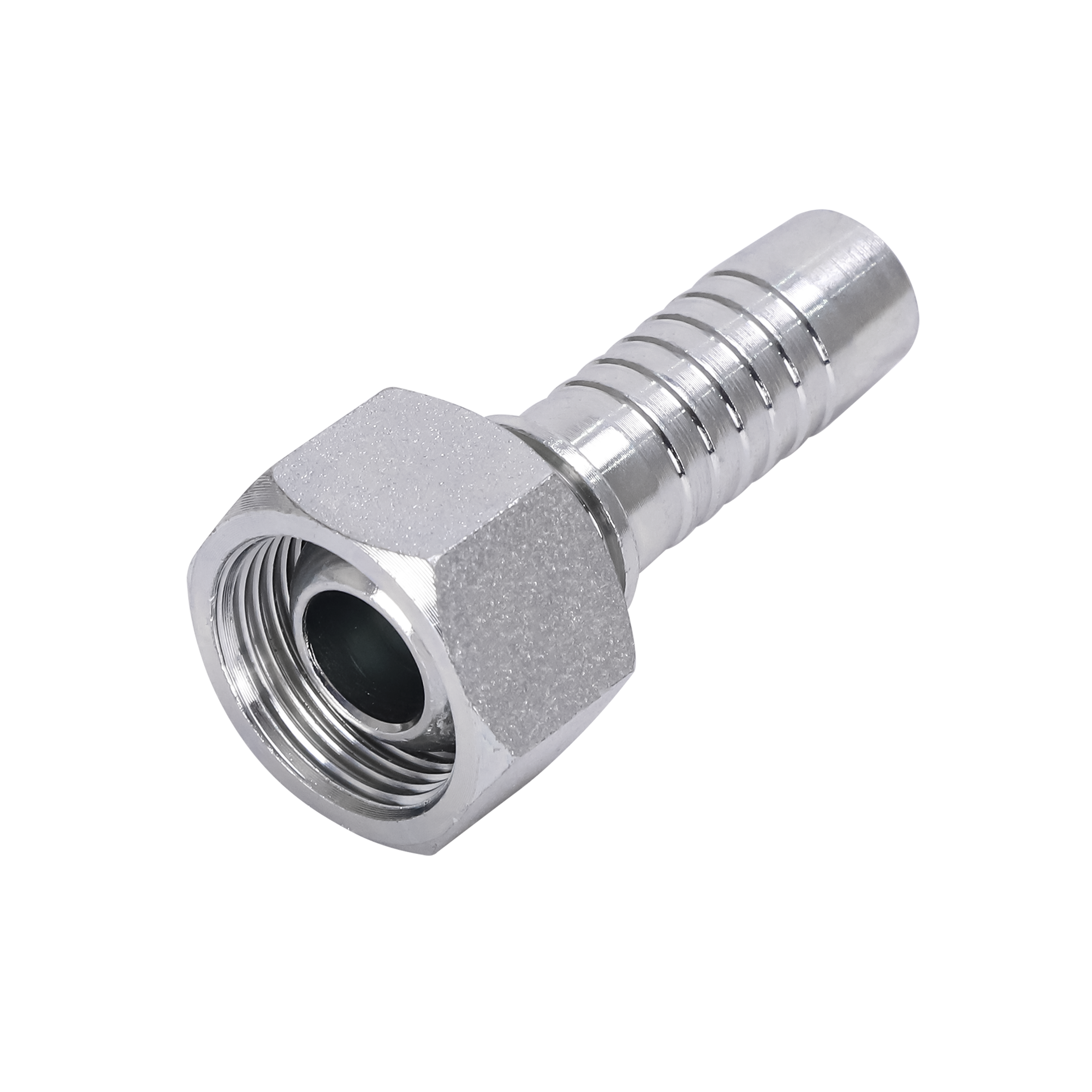
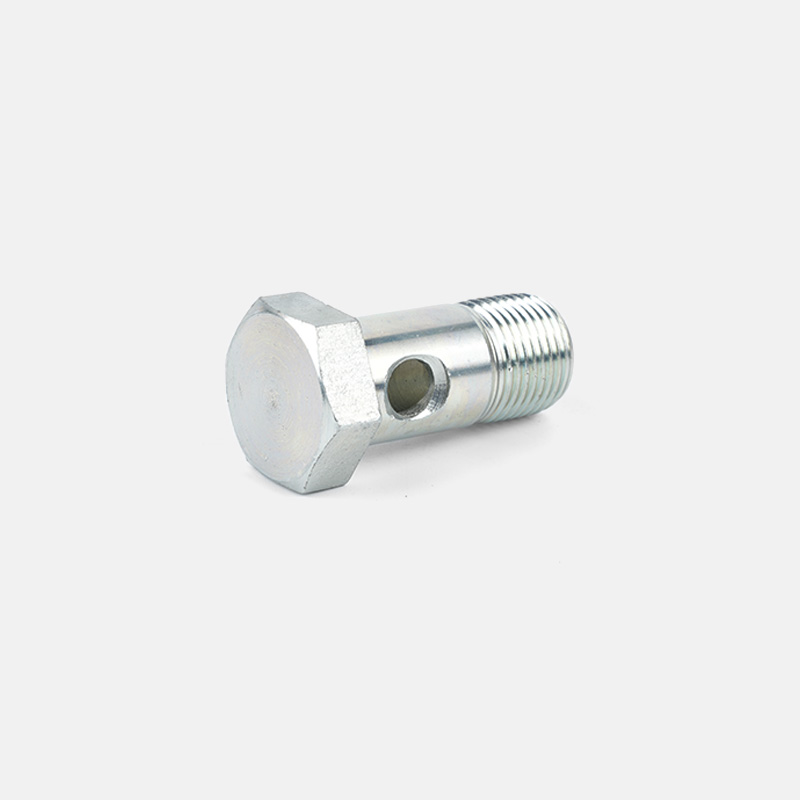
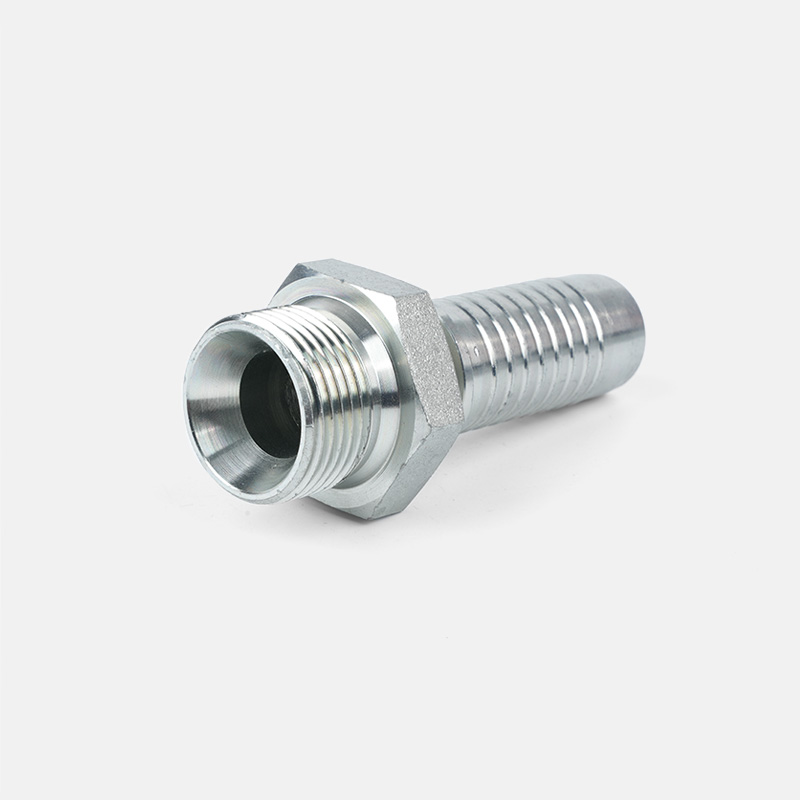
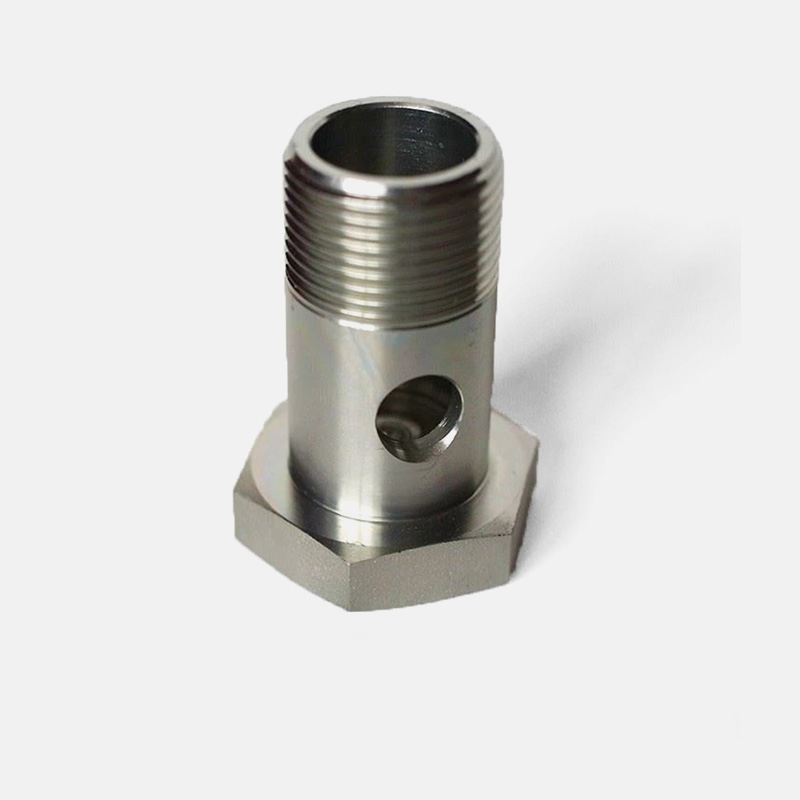

Custom hydraulic accessories
From concept to production, we can create the products you want
Products
Contact Information
-

Tel: +86-159-6851-8588
-

E-mail: [email protected]
-

Add:Zhu Jia Station Village, Diankou Town, Zhuji City , Zhejiang Province, China
