


Language
ENG
Enter Keywords...

NEW

What Is hydraulic hose fittings?
 2026.07.20
 industy news
Fluid Power Reference Guide
A practical breakdown of hydraulic hose fittings, hydraulic line fittings and hydraulic hose pipe systems, covering JIC, flange SAE, camlock fittings and hydraulic quick connect options for technicians, buyers and equipment owners.
Direct Answer
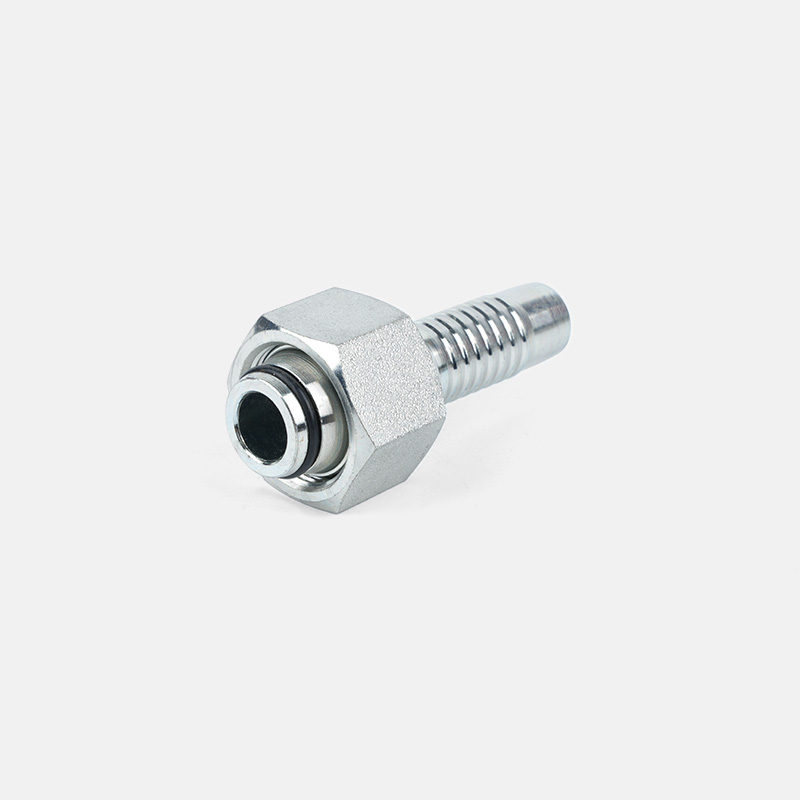
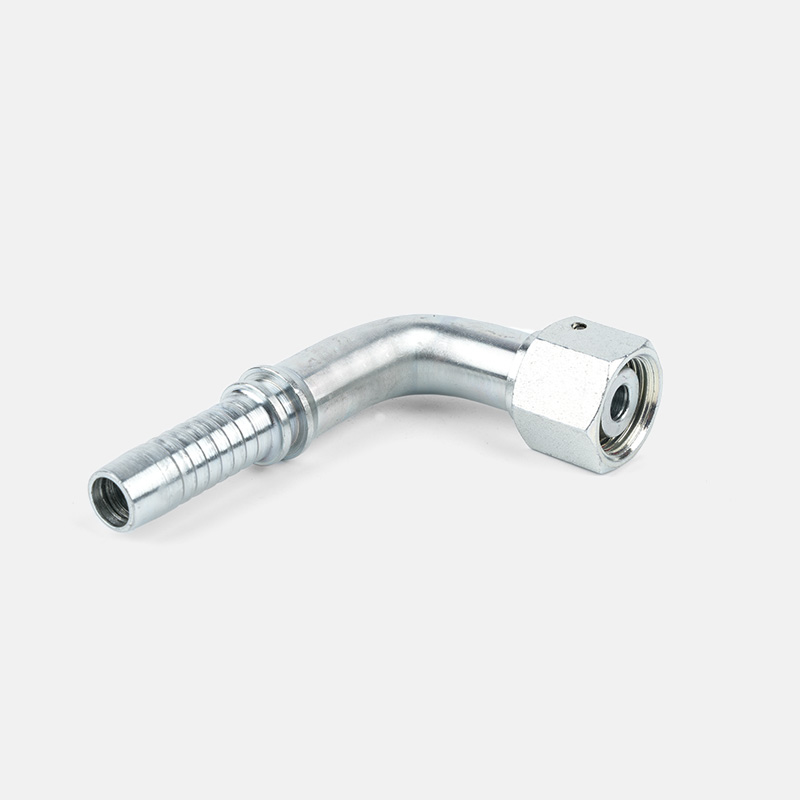
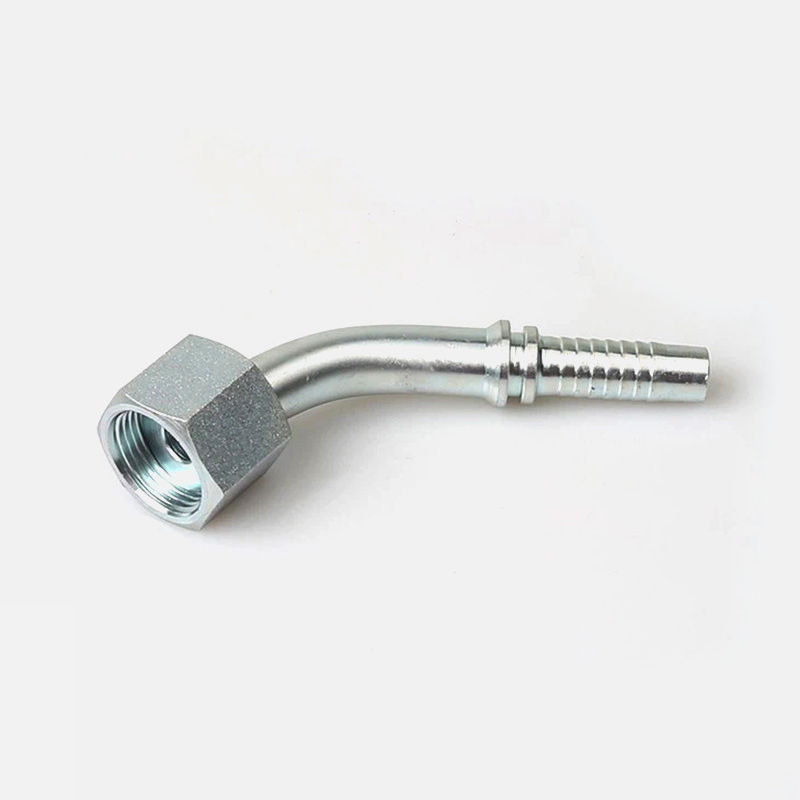
Hydraulic hose fittings are the metal connectors attached to the ends of a hydraulic hose that join the hose to a pump, cylinder, valve, motor or another hose. They seal the connection under high pressure, allow hydraulic fluid to flow without leaking, and let technicians route power from one point of a machine to another. A complete hydraulic hose fitting assembly generally has three parts: a fitting body that mates with the port or the next fitting, a ferrule or ring that is crimped or swaged around the hose, and a sealing method such as an O ring, a flare face or a gasket.
Common families of hydraulic hose fittings include JIC 37 degree flare fittings, ORFS O ring face seal fittings, NPT and BSP threaded fittings, flange SAE fittings for large bore high pressure lines, camlock fittings for fast tool free connections, and hydraulic quick connect fittings for equipment that needs to be attached and detached often. The right choice depends on the working pressure, the hose size, the fluid type, the equipment brand standard, and how often the connection needs to be broken.
Understanding Hydraulic Hose Fittings And Their Role In A System
A hydraulic system moves fluid under pressure to transmit power from a pump to an actuator, such as a cylinder or a motor. The hose carries that fluid, but the fitting is what actually makes the connection possible. Without a properly matched hydraulic hose fitting, even the strongest hose and the strongest pump cannot deliver a leak free, safe connection.
Every fitting in a hydraulic circuit has to do three jobs at once. First, it has to hold the hose securely so the assembly does not blow off under pressure spikes. Second, it has to seal the joint so fluid does not weep, drip or spray at the connection point. Third, it has to match the port or the mating fitting on the other side, whether that is a pump outlet, a cylinder port, a valve block or another hose end.
Because hydraulic systems can run anywhere from around 1500 psi in light duty mobile equipment up to 6000 psi or more in high pressure industrial presses and heavy construction machinery, the fitting is not a minor accessory. It is a safety critical component. A fitting rated below the system working pressure, or a fitting made from the wrong material for the fluid being used, is one of the most common causes of hydraulic failure in the field.
01
Connection
Joins the hose to a port, valve, pump, cylinder or another hose so fluid can travel through the circuit.
02
Sealing
Prevents fluid from leaking at the joint using a flare face, an O ring, a gasket or a metal to metal seal.
03
Retention
Holds the hose end in place under pressure, vibration, temperature swings and mechanical stress.
04
Compatibility
Matches thread type, angle and size so components from different brands and eras can still be connected.
Main Types Of Hydraulic Hose Fittings
Hydraulic hoses and fittings are grouped into families based on the sealing method and the thread or connection standard. Choosing among them usually comes down to what the equipment manufacturer specifies, what pressure the line runs at, and how the joint will be sealed. The table below compares the most common types found in industrial, agricultural, construction and marine hydraulic circuits.
| Fitting Type | Seal Method | Typical Pressure Range | Common Use Case |
|---|---|---|---|
| JIC 37 degree flare | Metal to metal cone seal at 37 degrees | Up to around 6000 psi | General industrial and mobile hydraulic circuits |
| ORFS O ring face seal | Rubber O ring compressed against a flat face | Up to around 6000 psi | High pressure, leak sensitive circuits and test stands |
| NPT national pipe thread | Tapered thread with sealant or tape | Moderate pressure applications | Ports on pumps, valves and older equipment in North America |
| BSP British standard pipe | Parallel thread with bonded seal washer or tapered thread | Moderate to high pressure | European and Asian manufactured equipment |
| Flange SAE 3000 and 6000 series | Bolted flange with O ring groove | Up to around 6000 psi and above | Large bore, high flow lines on excavators, cranes and presses |
| Camlock quick coupling | Cam arm lever with gasket seal | Low to moderate pressure | Tanker trucks, fuel transfer, irrigation and bulk fluid handling |
| Hydraulic quick connect | Push to connect ball or poppet valve | Wide range depending on series | Attachments that are swapped frequently, such as skid steer tools |
Most equipment does not rely on a single fitting type from end to end. A single machine may use JIC fittings on the pump side, ORFS fittings near sensitive valve blocks, flange SAE fittings on the largest return lines, and hydraulic quick connect fittings on the tool end where an operator swaps attachments in the field. Understanding how each type behaves under pressure is the difference between a clean, leak free hydraulic line fitting job and a callback.
Flange SAE Fittings Explained
A flange SAE fitting uses a flat flange head with two bolt holes, an O ring groove, and a split flange clamp or a four bolt flange to hold the joint together, instead of relying purely on threads. This design spreads clamping force over a wider surface, which is why flange SAE fittings are the preferred choice on the largest and highest flow lines in a hydraulic system, such as main pump lines on excavators, wheel loaders, cranes and hydraulic presses.
SAE flanges come in two main pressure classes. Code 61 flanges, sometimes called the 3000 psi series, are used for standard duty applications. Code 62 flanges, the 6000 psi series, use a thicker flange head and are used where working pressure and pressure spikes are significantly higher. Mixing these two classes, or bolting a Code 61 flange head against a Code 62 mating surface, is a common mistake that leads to leaks or bolt failure, so matching the correct code is essential.
Why Flange SAE Is Chosen Over Threaded Fittings
- Lower installation torque risk: large threaded fittings can be difficult to torque correctly without cross threading, while a flange bolts down evenly.
- Better vibration resistance: the flat clamp design resists loosening from constant machine vibration better than a single threaded joint of the same size.
- Easier large bore assembly: for hose sizes above 1 inch, flange connections are simpler to align and tighten than large diameter threads.
- Serviceability: a split flange clamp can be removed without rotating the hose, which matters when the hose is already routed through tight machine compartments.
Field Tip
When ordering flange SAE fittings, always confirm the bolt pattern size, the pressure code (61 or 62), and whether a four bolt flange head or a split flange clamp is required, since these are not interchangeable across brands without an adapter.
Camlock Fittings For Fast, Tool Free Connections
Camlock fittings, also written as cam and groove couplings, are quick disconnect fittings that use a pair of cam arms to lock a male and female half together in seconds, without wrenches or tools. They were originally developed for bulk liquid transfer and are widely used with hydraulic hose pipe assemblies that move fuel, water, chemicals, slurries and hydraulic oil in agricultural, construction, marine and industrial settings.
A camlock coupling consists of a male adapter with a groove, a female coupler with two cam arms, and a gasket that seals the joint once the arms are pressed down. Because the connection relies on a compressed gasket rather than threads, camlock fittings are rated for lower pressures than JIC or flange SAE fittings, but they make up for that with speed, since a full connection or disconnection can be completed in a few seconds even by an operator wearing gloves.
Common Camlock Materials And Where They Are Used
| Material | Best Suited For | Notes |
|---|---|---|
| Aluminum | Fuel transfer, general agricultural use | Lightweight and cost effective, not ideal for corrosive fluids |
| Stainless steel | Chemical transfer, food grade and marine use | High corrosion resistance, higher cost |
| Brass | Water transfer, irrigation | Good machinability, moderate corrosion resistance |
| Polypropylene | Aggressive chemicals, acids | Chemical resistant but lower mechanical strength |
When camlock fittings are used inside a true high pressure hydraulic hose fitting circuit, they are typically limited to the low pressure return side, drain lines, or temporary transfer tasks, rather than the main high pressure supply line. For the primary pressurized loop, JIC, ORFS or flange SAE fittings remain the standard choice.
JIC Hydraulic Fittings And How They Seal
JIC hydraulic fittings, short for Joint Industry Council, are among the most widely used fittings in North American hydraulic systems. They use a 37 degree flare seat that mates a male cone against a female flare, creating a metal to metal seal when the coupling nut is tightened. No rubber O ring is required for the seal itself, which makes JIC fittings tolerant of a wide range of fluid types and temperatures.
JIC threads are straight, not tapered, which means the seal comes entirely from the flare faces meeting correctly, not from thread compression. This is why over tightening a JIC connection does not necessarily improve the seal and can instead damage the flare surface. A correctly torqued JIC hydraulic fitting, tightened to the manufacturer specified value with a torque wrench, will seal reliably even under repeated pressure cycling.
Identifying A JIC Fitting
- Straight threads combined with a visible 37 degree flare inside the female half.
- A separate coupling nut that spins freely before assembly, rather than being fixed to the fitting body.
- No rubber seal visible at the flare face, since the seal is metal to metal.
- Sizing is expressed as a dash number, such as dash 6 or dash 8, corresponding to the hose inside diameter in sixteenths of an inch.
Because JIC hydraulic fittings are so common, they are frequently confused with SAE 45 degree flare fittings and with ORFS fittings, which look similar but are not interchangeable. Mixing a 37 degree JIC male with a 45 degree flare female will appear to thread together but will not seal correctly under pressure, so checking the flare angle with a protractor gauge before assembly is a worthwhile habit for any technician working with hydraulic line fittings regularly.
Hydraulic Quick Connect And Quick Connect Fittings
A hydraulic quick connect fitting, sometimes called a quick disconnect or QD, allows a hydraulic line to be attached and detached without tools and, on most modern designs, without significant fluid loss. This matters for equipment such as skid steers, loader attachments, agricultural implements and hydraulic test equipment, where the hose is connected and disconnected many times per day.
Inside a hydraulic quick connect fitting, a spring loaded ball or poppet valve closes automatically the moment the two halves separate, sealing the fluid inside both the hose and the port. This self sealing action is what distinguishes a true hydraulic quick connect fitting from a simple camlock coupling, which does not seal automatically when the arms are opened.
Choosing Between Quick Connect Series
- Flat face couplers: minimize air entry and spillage during connection, well suited for attachments that are swapped in dirty field conditions.
- Poppet valve couplers: a traditional design that is cost effective and widely available, though slightly more prone to air inclusion than flat face designs.
- ISO 16028 and ISO 7241 series: two common international standards, and confirming which one an attachment uses avoids ordering a coupler half that will not lock onto the mating half.
- Pressure and flow rating: match the quick connect series to both the working pressure and the flow rate of the circuit, since undersized couplers create excess heat and pressure drop.
Common Mistake
Connecting hydraulic quick connect fittings under residual pressure is one of the most frequent causes of coupler damage. Always relieve pressure in the circuit, or use a coupler rated for connection under residual pressure, before joining the two halves.
Hydraulic Line Fittings And Matching Hydraulic Hose Pipe
Hydraulic line fittings only work correctly when they are matched to the correct hydraulic hose pipe specification. A fitting rated for a two wire braid hose will not perform safely on a four spiral wire hose carrying a much higher working pressure, even if the fitting physically crimps onto the hose end. Matching starts with three numbers: the hose inside diameter, the hose construction, and the working pressure rating stamped on the hose layline.
| Hose Type | Construction | Typical Working Pressure |
|---|---|---|
| 1 wire braid | Single steel wire braid reinforcement | Up to around 2750 psi depending on bore size |
| 2 wire braid | Double steel wire braid reinforcement | Up to around 5800 psi depending on bore size |
| 1 spiral wire | Single spiral steel wire layer | Up to around 3600 psi depending on bore size |
| 4 spiral wire | Four spiral steel wire layers | Up to around 6000 psi and higher for large bore sizes |
Once the hose is selected, the hydraulic line fitting must be rated to the same or a higher working pressure, and the crimp specification, meaning the crimp diameter and the die used, must match both the fitting manufacturer and the hose manufacturer. Using a mismatched crimp die is a leading cause of hose fitting blow off, even when the correct hose and fitting are used individually.
Checklist For Matching Hydraulic Hoses And Fittings
- Confirm hose inside diameter matches the fitting stem size exactly.
- Confirm the hose working pressure meets or exceeds the system maximum operating pressure.
- Confirm the fitting end type, such as JIC, ORFS, NPT, BSP or flange SAE, matches the port on the equipment.
- Confirm the crimp specification from the fitting manufacturer for that specific hose construction.
- Confirm the fluid compatibility of the fitting material and any seal or O ring with the hydraulic fluid in use.
How To Choose The Right Hydraulic Hose Fittings For A Job
Selecting hydraulic hose fittings correctly involves more than picking a size that physically fits. The following factors should be reviewed together, since changing one, such as pressure rating, often changes the correct choice for another, such as fitting material.
A
Working Pressure
Identify the system maximum operating pressure, then select a fitting with a safety margin above that figure, not merely equal to it.
B
Fluid Type
Mineral oil, phosphate ester, water glycol and food grade fluids each require compatible seal and fitting materials.
C
Temperature Range
High ambient or fluid temperature can degrade certain seal compounds faster than the fitting body itself.
D
Vibration And Motion
Fittings on moving equipment need secure retention and, in many cases, a flexible hose length to absorb flex cycles.
E
Connection Frequency
Lines disconnected often are better served by hydraulic quick connect fittings than by fixed threaded joints.
F
Environment
Outdoor, marine or chemical exposure calls for corrosion resistant plating or stainless steel construction.
A useful rule many hydraulic technicians follow is to size the fitting and hose assembly for at least a 4 to 1 safety factor against burst pressure, meaning the assembly burst pressure should be at least four times the system working pressure. This margin accounts for pressure spikes, hose aging and minor installation imperfections that are common in real world equipment.
Installation And Common Failure Causes
Even correctly specified hydraulic hose fittings can fail if they are installed incorrectly. The list below covers the most frequent field issues reported across mobile, industrial and agricultural hydraulic systems.
- Under torque or over torque: both extremes damage the seal. Threaded fittings should always be tightened to the torque value specified by the manufacturer using a calibrated torque wrench.
- Twisted hose during installation: a hose that is twisted even slightly during routing loses a significant portion of its rated pressure capacity and its fatigue life.
- Incorrect bend radius: routing a hose tighter than its minimum bend radius stresses the reinforcement layer and shortens service life dramatically.
- Mismatched seal type: connecting a 37 degree JIC male to a 45 degree flare female, or forcing a metric fitting onto an imperial thread, may thread partially but will leak under pressure.
- Reused ferrules or worn O rings: ferrules and rubber seals are generally single use components and should be replaced whenever a fitting is reassembled.
- Contamination during assembly: dirt or metal shavings trapped in the fitting during crimping is a leading cause of premature valve and pump wear downstream.
Maintenance Reminder
Inspect hydraulic hose fittings regularly for signs of weeping at the joint, corrosion on the fitting body, cracking near the crimp collar, and any bulging of the hose cover close to the fitting, since these are early warning signs that typically appear well before a full failure.
NPT And BSP Threaded Fittings In Everyday Hydraulic Circuits
Alongside JIC, ORFS and flange SAE connections, a large share of the ports found on pumps, valves, cylinders and manifolds still use NPT or BSP pipe threads. Understanding how these two standards differ from each other, and from flare style fittings, prevents a surprisingly common problem on job sites: two fittings that look almost identical but were never designed to seal against one another.
NPT National Pipe Thread
NPT fittings use a tapered thread, which means the diameter of the thread narrows slightly toward the end of the fitting. As the male and female halves are tightened, the taper wedges the threads together, and the seal is created largely by that wedging action combined with thread sealant or PTFE tape. Because the seal depends on the thread engagement itself, NPT connections are sensitive to over tightening, which can crack a cast fitting body, and to under tightening, which leaves a path for fluid to weep along the thread root.
BSP British Standard Pipe
BSP fittings come in two forms that are easy to confuse. BSPT, the tapered version, behaves similarly to NPT and relies on thread wedging for its seal. BSPP, the parallel version, uses straight threads and instead seals with a bonded washer or an O ring at the base of the fitting, similar in spirit to how ORFS fittings seal at a flat face. A parallel BSPP fitting tightened without its sealing washer will not seal correctly regardless of torque, which is one of the more frequent mistakes technicians make when servicing equipment imported from outside North America.
| Standard | Thread Form | Sealing Method | Typical Origin Of Equipment |
|---|---|---|---|
| NPT | Tapered | Thread wedging plus sealant | North American manufactured machinery |
| BSPT | Tapered | Thread wedging plus sealant | European and Asian manufactured machinery |
| BSPP | Parallel | Bonded washer or O ring at the base | European and Asian manufactured machinery |
Because these thread forms can appear visually similar at a glance, many technicians keep a dedicated thread gauge in their toolbox specifically for hydraulic line fittings work, since guessing the standard from sight alone is a common source of cross threaded ports and stripped fittings.
Materials Used In Hydraulic Hose Fittings
The base material of a hydraulic hose fitting affects its strength, its resistance to corrosion, and how well it tolerates the fluid running through it. While carbon steel remains the most common choice for standard industrial and mobile equipment, several other materials are used depending on the operating environment.
01
Carbon Steel
The standard choice for most JIC, ORFS and flange SAE fittings, typically finished with a zinc or zinc nickel plating for basic corrosion protection.
02
Stainless Steel
Used where the fitting will be exposed to moisture, washdown chemicals, salt air or corrosive process fluids, such as marine and food processing equipment.
03
Brass
Common on lower pressure camlock fittings and quick connect bodies, valued for machinability and moderate corrosion resistance.
04
Plated Or Coated Finishes
Zinc, zinc nickel and PTFE coatings extend service life in outdoor or wet environments without the cost of full stainless construction.
Selecting a fitting material is not purely about corrosion resistance. The seal component inside the fitting, such as an O ring or a bonded washer, also has to be chemically compatible with the hydraulic fluid. A nitrile O ring, for example, performs well with standard mineral based hydraulic oil but degrades quickly in contact with certain fire resistant fluids, so the seal compound deserves the same attention as the metal body when specifying hydraulic hoses and fittings for a demanding application.
Reading A Hydraulic Fitting Size And Dash Number
Hydraulic hose fittings are usually marked with a dash number that indicates the nominal hose inside diameter in sixteenths of an inch. A dash 4 fitting corresponds to a quarter inch hose, a dash 8 fitting corresponds to a half inch hose, and a dash 16 fitting corresponds to a one inch hose. This system is used consistently across JIC, ORFS and many other fitting families, which makes it a fast way to cross reference parts between catalogs, even when the thread style differs.
| Dash Size | Approximate Hose Inside Diameter | Common Application |
|---|---|---|
| Dash 4 | One quarter inch | Pilot lines, gauge lines, low flow circuits |
| Dash 6 | Three eighths inch | Small cylinder and control circuits |
| Dash 8 | One half inch | General mobile and industrial hydraulic lines |
| Dash 12 | Three quarter inch | Main supply lines on mid size equipment |
| Dash 16 | One inch | High flow supply and return lines on large equipment |
Knowing how to read a dash number quickly is especially useful when comparing hydraulic quick connect fittings, hydraulic line fittings, and hose across different supplier catalogs, since it provides a common reference point even when brand specific part numbers vary.
Finding Hydraulic Fittings Near Me And Reliable Hydraulic Supplies
When equipment goes down, the search for hydraulic fittings near me or hydraulic supplies near me usually comes down to three priorities: correct specification in stock, fast turnaround, and a supplier who can verify pressure rating and fluid compatibility rather than just matching a thread by eye. Local hydraulic hose shops are valuable for emergency repairs and same day crimping, but for planned maintenance, bulk purchasing, or specialized items such as flange SAE fittings in less common sizes, working with a dedicated manufacturer often gives better pricing, more consistent quality control, and access to a broader size range than a small local counter can stock.
A strong supplier relationship for hydraulic hoses and fittings typically includes several things beyond just selling parts: technical support to confirm the correct part number, consistent batch quality so crimp specifications do not drift between orders, documentation such as pressure test certificates when required, and the ability to supply matching accessories such as ferrules, adapters, camlock fittings and hydraulic quick connect couplers from a single source.
Zhejiang Tianxiang Machine Fittings Co.,Ltd.
For businesses and technicians looking beyond a single local counter, Zhejiang Tianxiang Machine Fittings Co.,Ltd. manufactures a broad catalog of hydraulic hose fittings, including JIC hydraulic fittings, flange SAE fittings, camlock fittings, hydraulic quick connect fittings and general hydraulic line fittings for industrial, agricultural, construction and marine applications. The company focuses on consistent material quality, accurate thread and flare specifications, and the ability to supply both standard and custom sized fittings for hydraulic hoses and fittings programs of any scale.
- Wide range of JIC, ORFS, NPT, BSP and flange SAE fitting styles in common and specialty sizes.
- Camlock fittings and hydraulic quick connect couplers manufactured to standard dimensional specifications.
- Support for bulk orders, allowing distributors and workshops to reduce dependence on scattered local hydraulic supplies searches.
- Quality controlled manufacturing intended to keep crimp and thread specifications consistent across production batches.
Industries That Depend On Hydraulic Hose Fittings
Hydraulic power is used almost anywhere heavy force needs to be applied in a controlled, repeatable way, and hydraulic hose fittings are the connective tissue that makes each of these systems reliable. The specific fitting mix on any given machine tends to reflect the demands of its industry.
Construction And Earthmoving Equipment
Excavators, wheel loaders, bulldozers and cranes rely heavily on flange SAE fittings for main pump lines, JIC fittings throughout the control circuit, and increasingly ORFS fittings on newer machines where manufacturers want a more leak resistant seal near sensitive electronic valve blocks. These machines see constant vibration, wide temperature swings and frequent exposure to dirt and moisture, so fitting plating and seal quality matter as much as raw pressure rating.
Agriculture
Tractors, combines, sprayers and implements use a mix of hydraulic quick connect fittings, so operators can swap attachments in the field without tools, along with camlock fittings on tanks and transfer lines for fuel, water and chemical handling. Because agricultural equipment is often serviced in remote locations, availability of common hydraulic supplies near me is a real operational concern during planting and harvest seasons.
Manufacturing And Industrial Presses
Stationary industrial equipment such as injection molding machines, metal stamping presses and forging equipment typically runs at the higher end of the pressure spectrum, which is why flange SAE Code 62 fittings and heavy duty JIC hydraulic fittings are common on these systems. Because this equipment runs continuously in fixed locations, planned maintenance schedules and bulk purchasing of hydraulic line fittings from a manufacturer are often more practical than repeated local sourcing.
Marine And Offshore
Steering systems, winches, cranes and stabilizers on vessels operate in a corrosive salt water environment, so stainless steel fittings and corrosion resistant camlock fittings are standard for fluid transfer tasks, while JIC and ORFS fittings with marine grade plating are used throughout pressurized hydraulic circuits.
Transport And Fuel Handling
Tanker trucks, fuel depots and bulk liquid transfer operations are where camlock fittings see the heaviest use, since operators need to connect and disconnect large diameter hydraulic hose pipe assemblies quickly and safely between loads, often multiple times per shift.
Storage, Handling And Shelf Life Of Hydraulic Fittings
Even a correctly specified fitting can cause problems if it has been stored poorly before installation. Rubber seals inside ORFS, BSPP and quick connect fittings can degrade from prolonged exposure to sunlight, ozone or extreme temperature, and unplated fitting threads can begin to corrode in humid storage conditions faster than most people expect.
- Store fittings indoors, away from direct sunlight and away from equipment that generates ozone, such as electric motors or welding equipment.
- Keep original packaging or thread protectors in place until the fitting is ready to be installed, to prevent thread damage and contamination.
- Rotate stock so older inventory is used first, particularly for fittings with rubber seals that have a defined shelf life.
- Inspect O rings and gaskets for hardening, cracking or flat spots before installation, even on fittings that have never been used.
For businesses that keep a working inventory of hydraulic hoses and fittings on hand for maintenance or emergency repair, treating fitting storage with the same discipline as hose storage helps avoid installing a part that looks new but has already lost some of its sealing performance.
Frequently Asked Questions About Hydraulic Hose Fittings
What is the difference between JIC and ORFS hydraulic fittings
JIC fittings seal with a metal to metal 37 degree flare, while ORFS fittings seal with a rubber O ring compressed against a flat machined face. ORFS generally offers a more reliable seal under pressure cycling, while JIC is simpler and more widely available.
Can camlock fittings be used on high pressure hydraulic lines
Camlock fittings are generally rated for lower pressures than JIC, ORFS or flange SAE fittings, so they are more commonly used on low pressure transfer lines, drain lines or bulk fluid handling rather than the primary high pressure supply circuit.
How do I know what size hydraulic hose fitting I need
Match the fitting size to the hose inside diameter, which is usually expressed as a dash number in sixteenths of an inch, and confirm the thread type and pressure rating against the equipment manufacturer specification or the fitting stamped on the existing part.
What is a flange SAE fitting used for
Flange SAE fittings are used on large bore, high flow hydraulic lines such as main pump lines on excavators and cranes, where a bolted flange connection provides more even clamping force and better vibration resistance than a large threaded joint.
Why does a hydraulic quick connect fitting leak fluid when disconnected
A small amount of fluid loss during disconnection is normal on many quick connect designs, but excessive leakage usually points to a worn seal, contamination inside the coupler, or a mismatched series between the male and female halves.
How often should hydraulic hoses and fittings be replaced
Replacement intervals depend on operating pressure, duty cycle and environment, but hoses and fittings should always be inspected on a regular schedule and replaced immediately if weeping, cracking, corrosion or cover damage is found near the fitting.
Is it safe to mix fitting brands within the same hydraulic circuit
Most fittings built to the same recognized standard, such as JIC, ORFS, NPT, BSP or SAE flange, will mate correctly across brands because the dimensions are standardized. Crimp specifications for hose to fitting assembly are not always interchangeable between manufacturers, so the crimped joint itself should still follow the fitting maker instructions even when threads mate across brands without issue.
What causes a hydraulic fitting to corrode quickly
Corrosion typically accelerates when a plated carbon steel fitting is used in a wet, salty or chemically aggressive environment that its finish was not designed for. Switching to stainless steel, or a heavier zinc nickel plating, usually resolves repeated corrosion failures in outdoor, marine or washdown settings.
Hydraulic hose fittings are a small part of a hydraulic system by size, but they carry a disproportionate share of the responsibility for keeping that system safe and leak free. Whether the task involves selecting JIC hydraulic fittings for a new build, sourcing flange SAE fittings for a large excavator repair, choosing camlock fittings for a fuel transfer trailer, or setting up hydraulic quick connect fittings on a fleet of skid steer attachments, the same principles apply: match the fitting to the hose, match both to the working pressure and the fluid, and install every connection to the specified torque or crimp value. Getting these details right the first time is almost always faster and cheaper than diagnosing a failure after the fact.
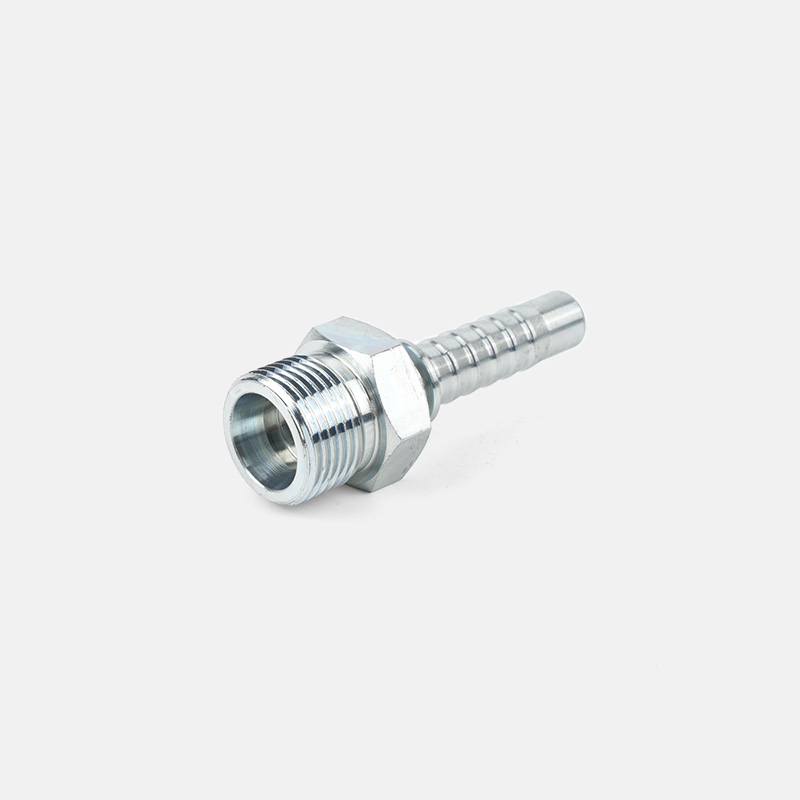
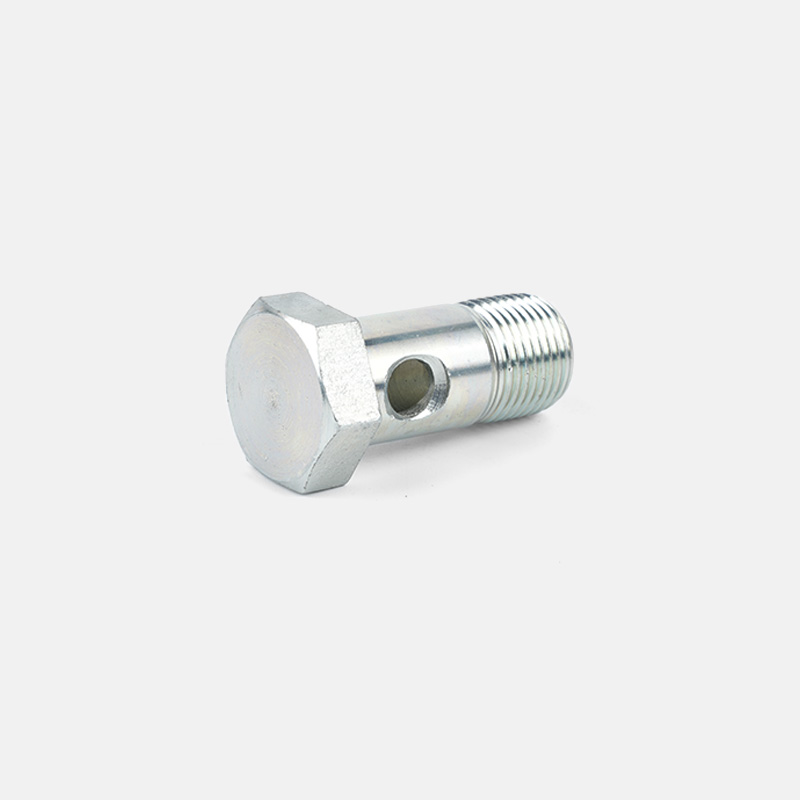
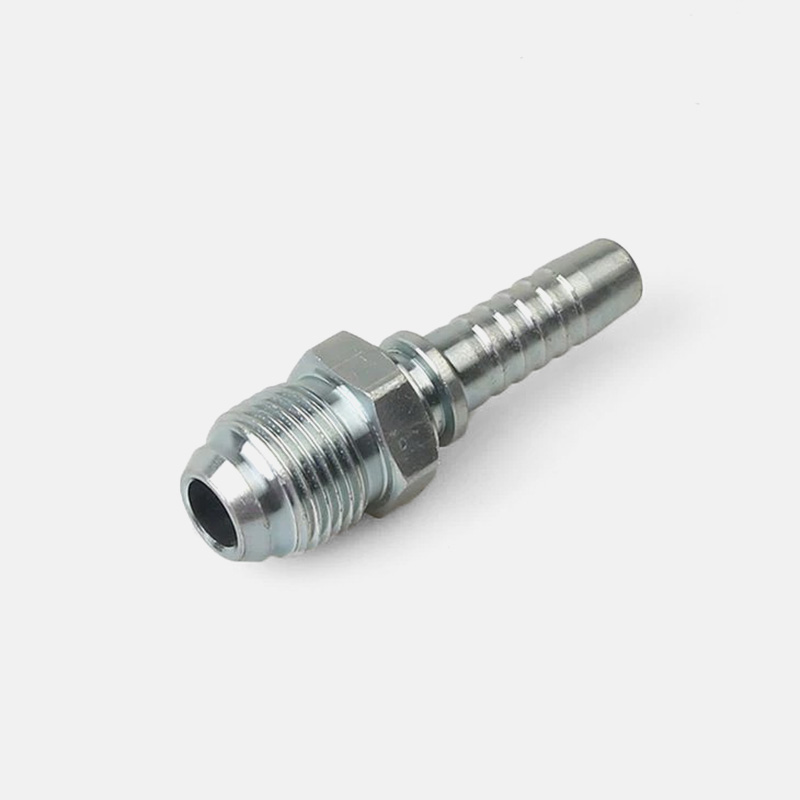
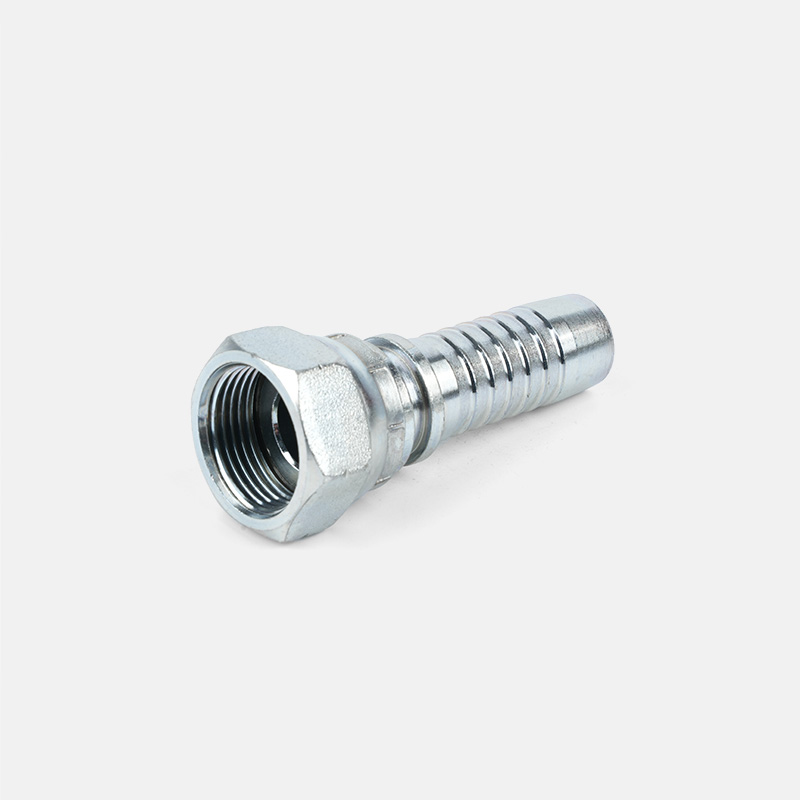
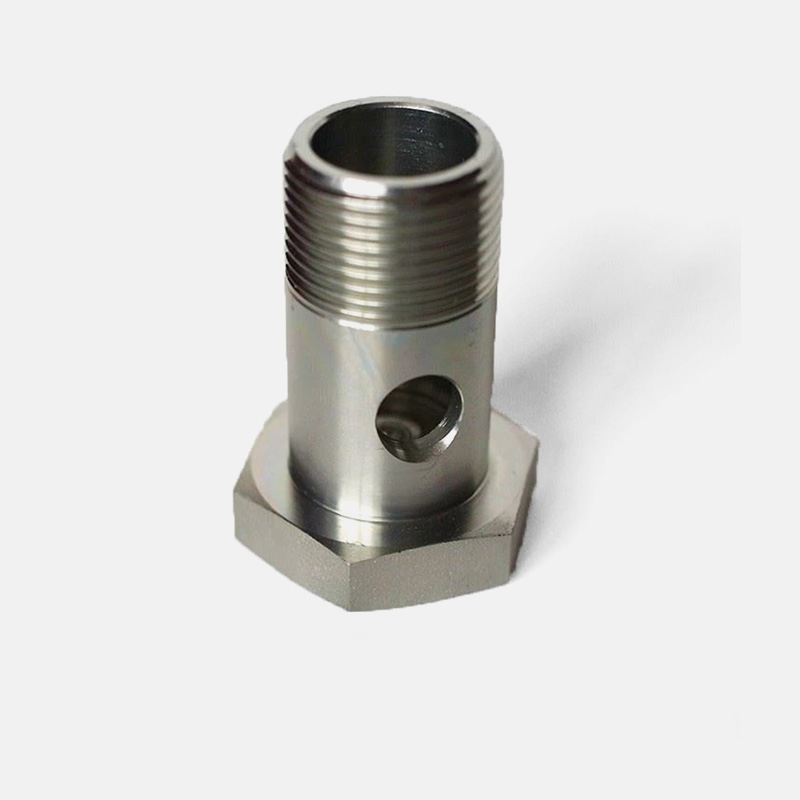
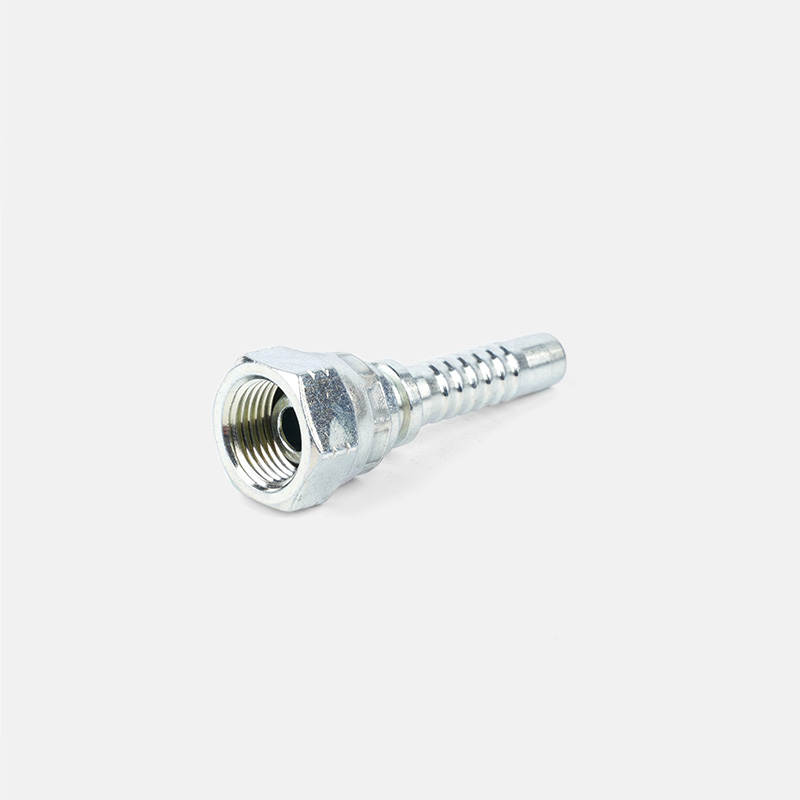
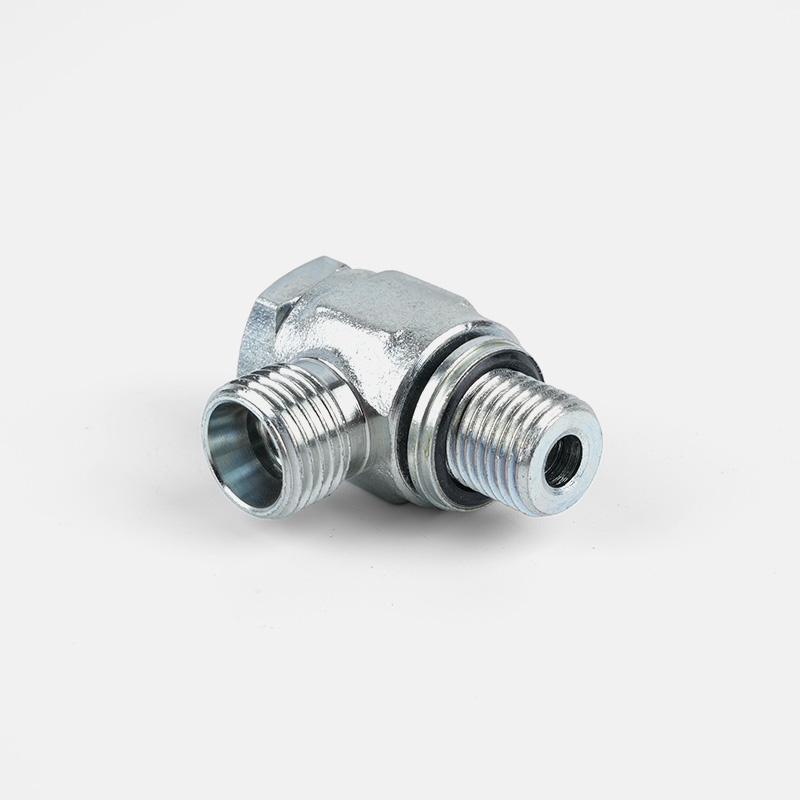
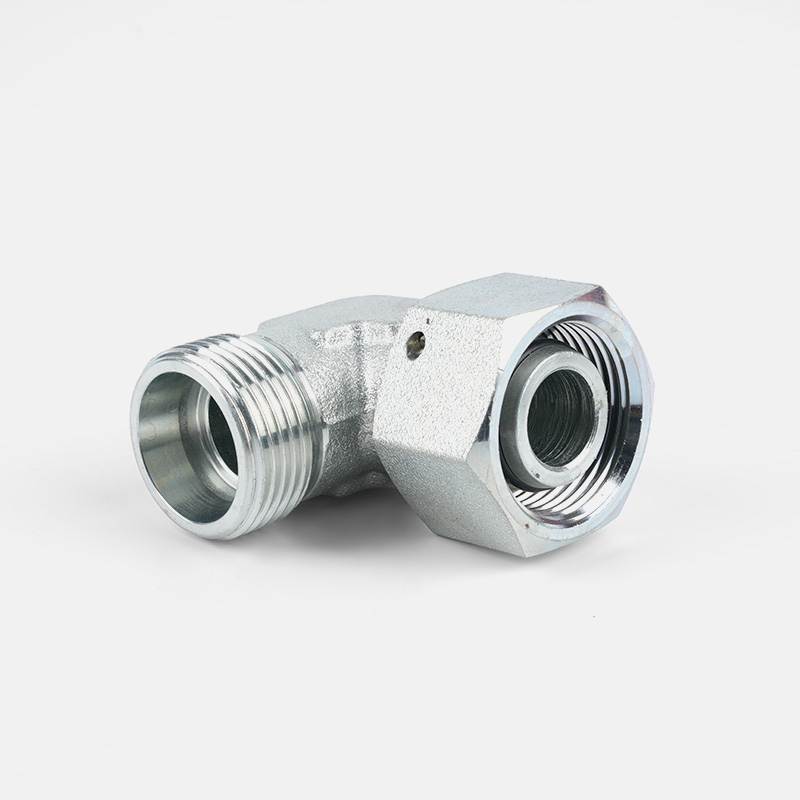

Custom hydraulic accessories
From concept to production, we can create the products you want
Products
Contact Information
-

Tel: +86-159-6851-8588
-

E-mail: [email protected]
-

Add:Zhu Jia Station Village, Diankou Town, Zhuji City , Zhejiang Province, China
