


Language
ENG
Enter Keywords...

NEW
 Home / News / industy news / What Are the Different Types of Hydraulic Hose Connectors and When Should You Use Each?
What Are the Different Types of Hydraulic Hose Connectors and When Should You Use Each?
 2026.05.04
 industy news
The short answer: hydraulic hose connectors fall into several major categories — threaded, flanged, quick-connect, crimp, and push-to-connect fittings — each engineered for specific pressure ranges, fluid types, installation conditions, and disconnection requirements. Using the wrong connector type is one of the leading causes of hydraulic system failure, fluid leaks, and costly downtime. This guide breaks down every major type, its specifications, and exactly when each should be used.
How Hydraulic Hose Connectors Are Classified
Hydraulic hose connectors are classified by three primary criteria:
- Connection method: How the fitting attaches to the hose — crimped, threaded, clamped, or push-fit.
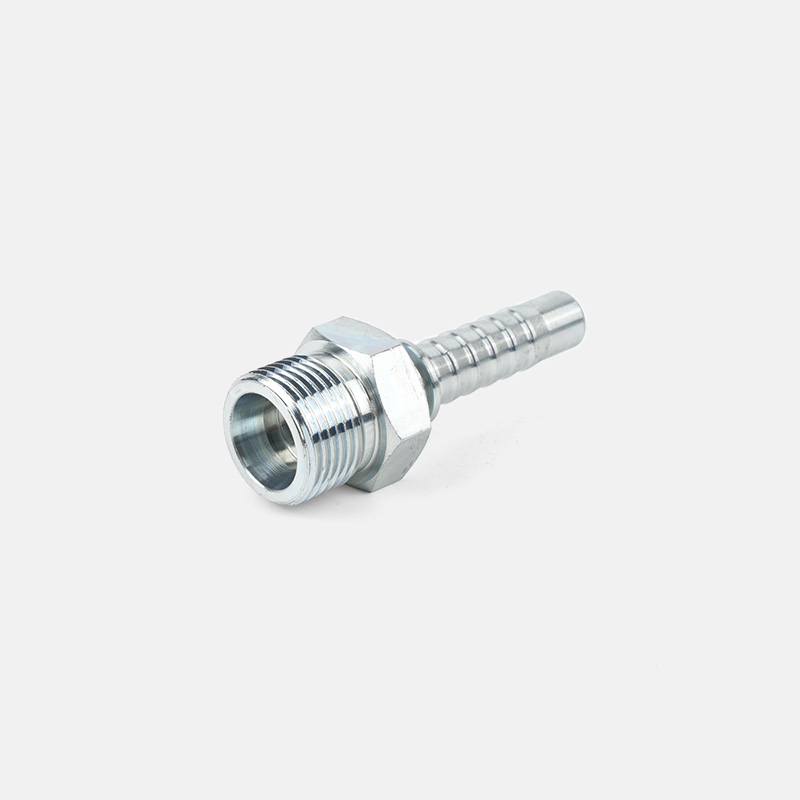
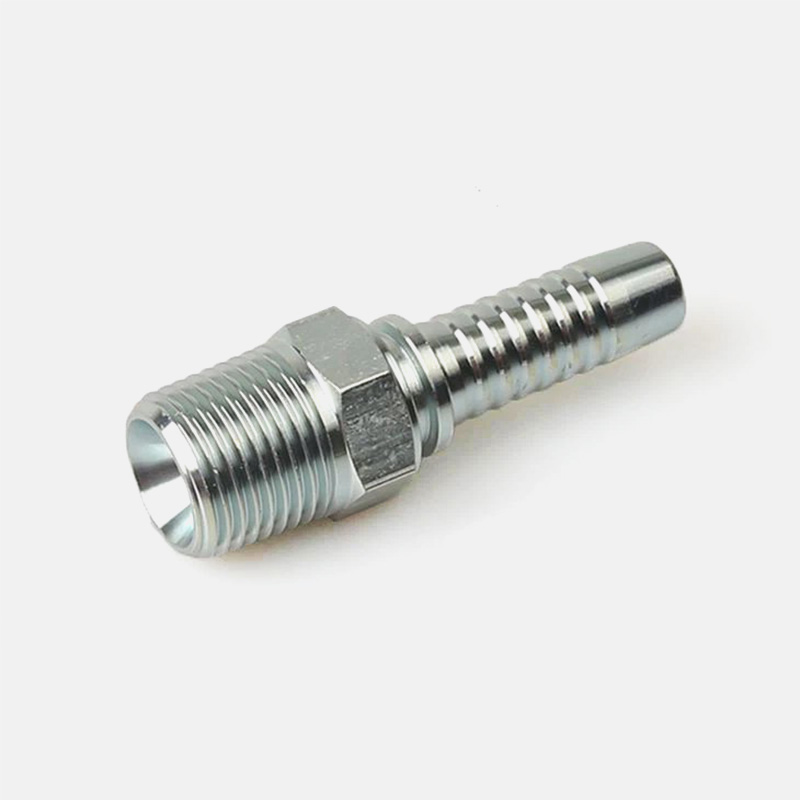
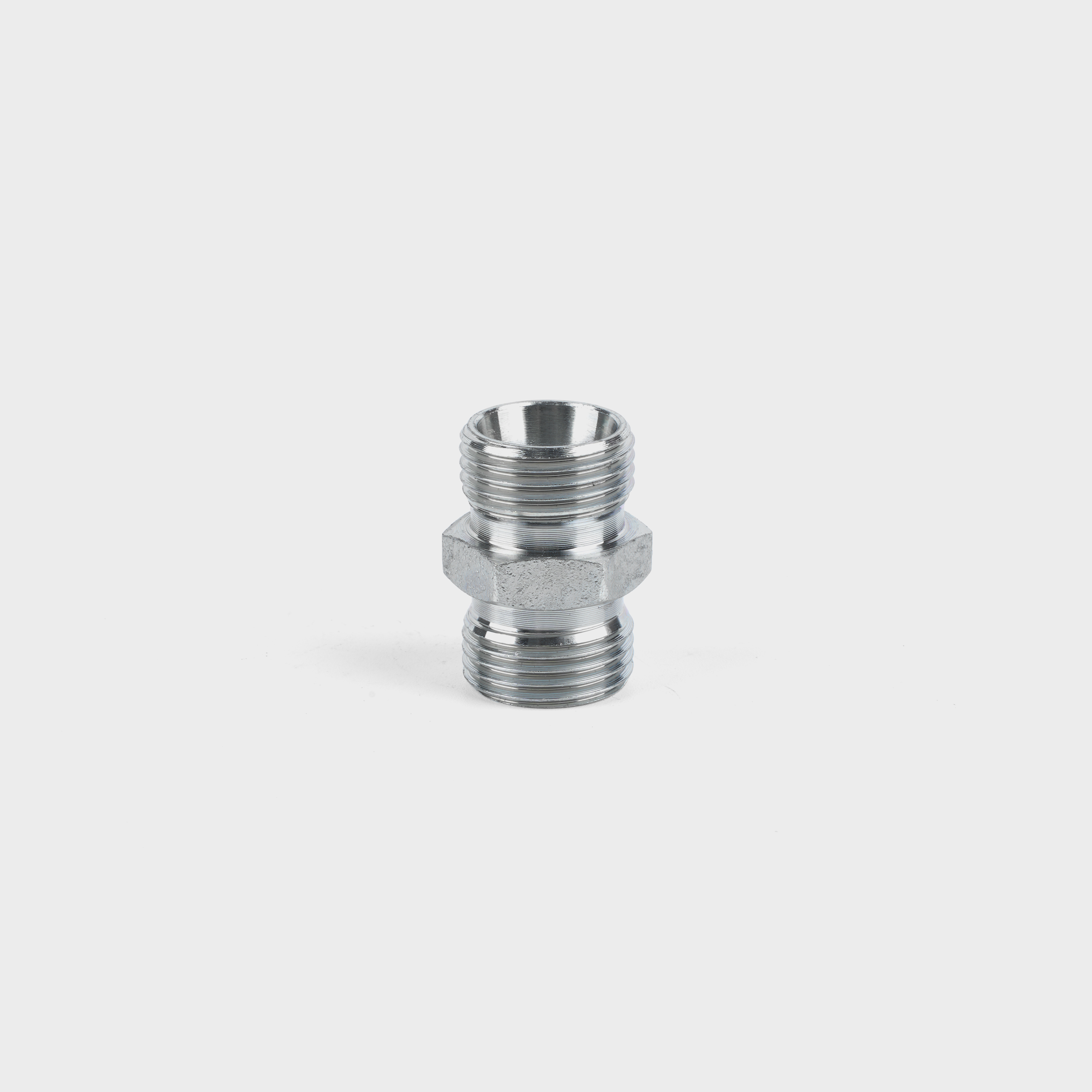
- Thread type and standard: The thread profile used to seal against a port or mating fitting — NPT, BSP, JIC, SAE, ORFS, and others.
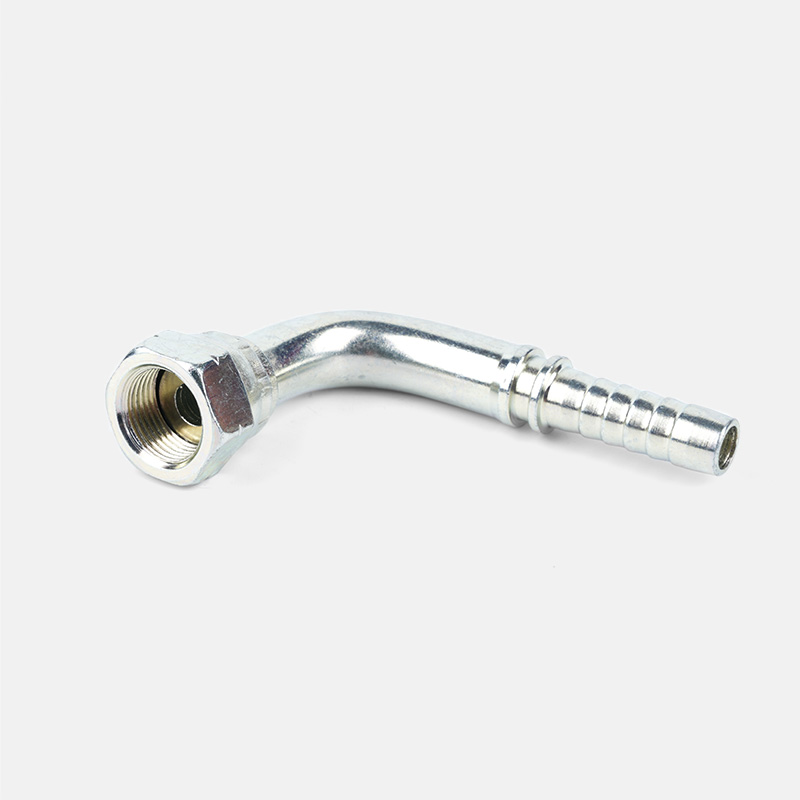
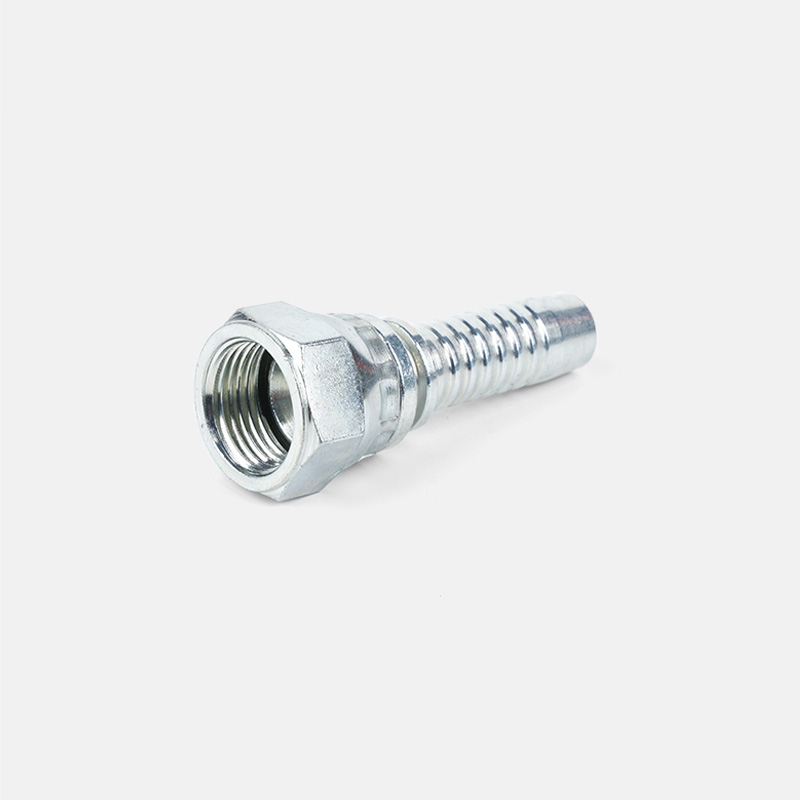
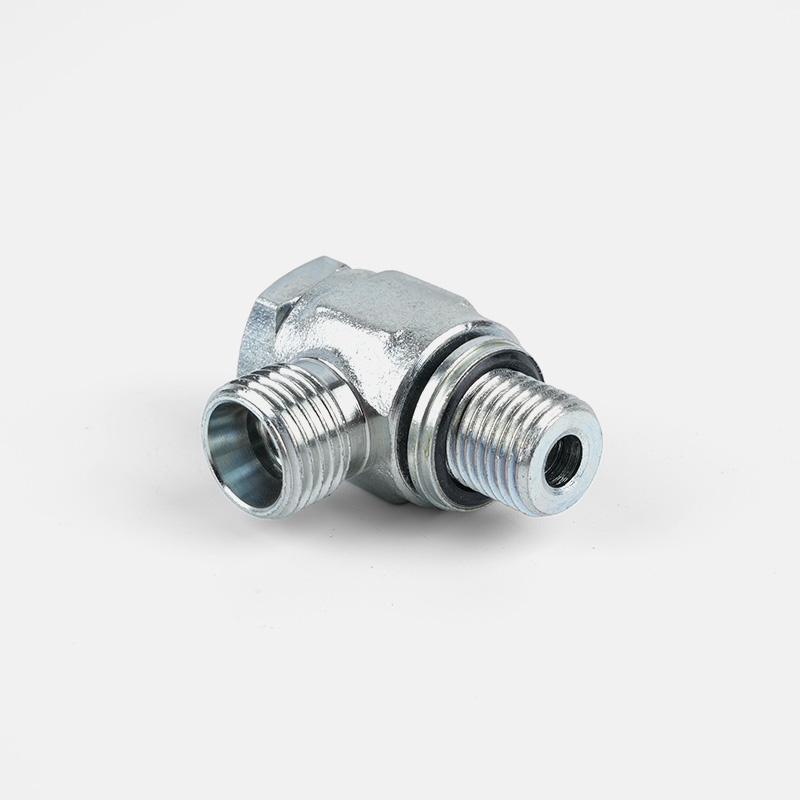
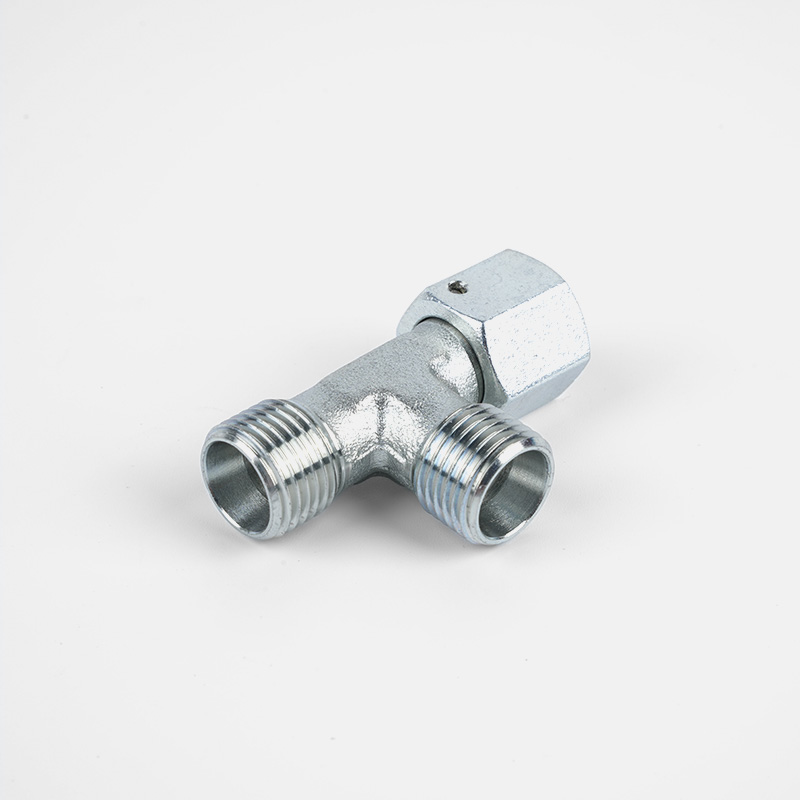
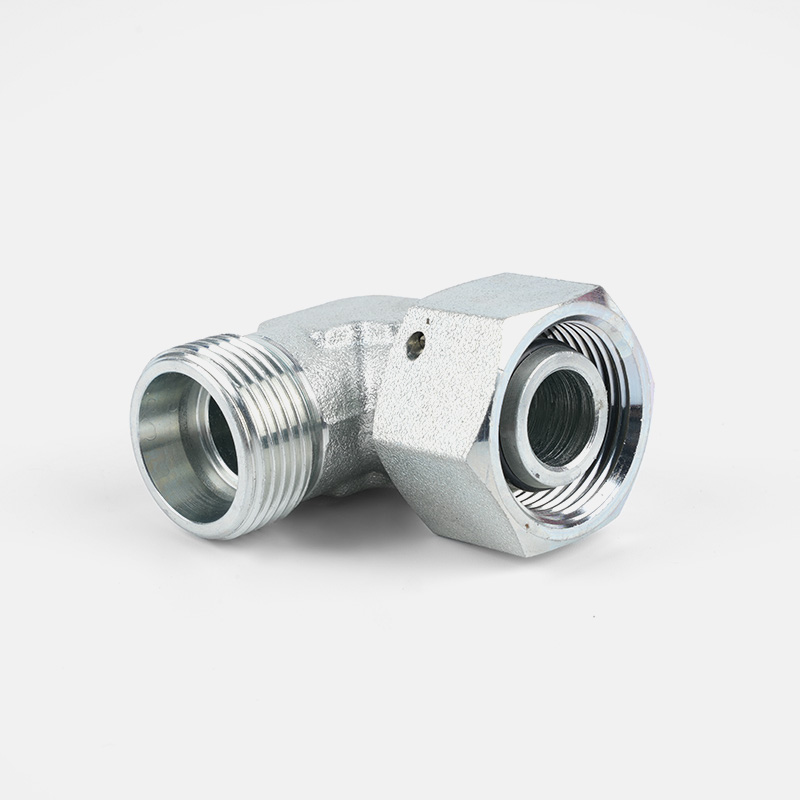
- End configuration: The shape of the connector — straight, 45°, 90°, or swivel — which determines routing flexibility and space efficiency.
Understanding all three dimensions is essential before specifying or sourcing any hydraulic hose connector. A fitting with the correct thread type but wrong end configuration can cause hose stress, premature failure, and system inefficiency.
Crimp Fittings: The Industry Standard for Permanent High-Pressure Connections
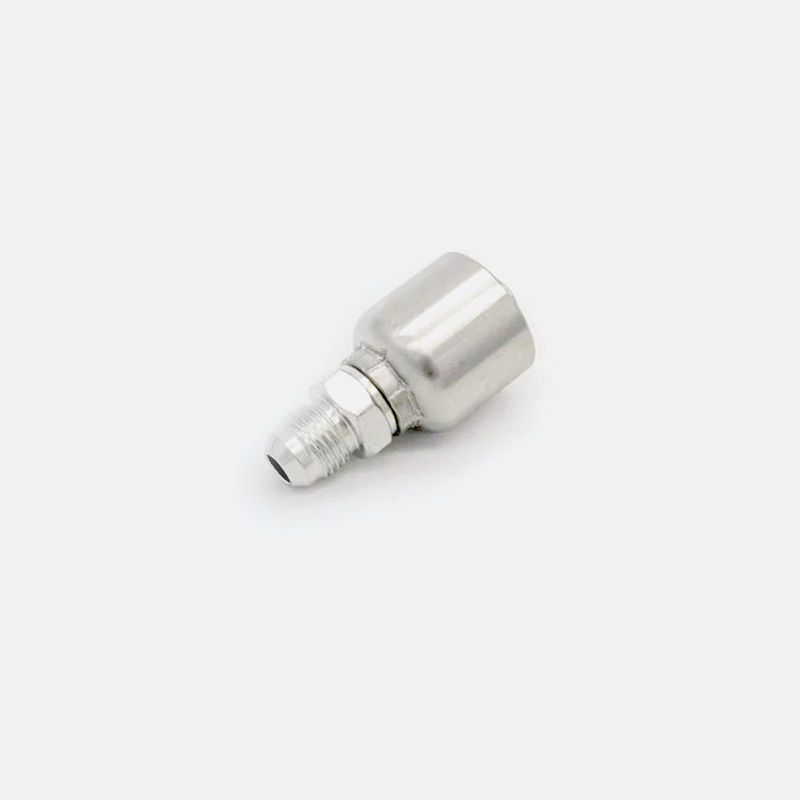
Crimp fittings are the most widely used hydraulic hose connectors in industrial and mobile hydraulic systems. A metal ferrule is permanently deformed around the hose end using a hydraulic crimping machine, creating a leak-free, mechanically locked connection that cannot be disassembled without cutting.
Key Specifications
- Working pressure range: up to 6,000 PSI (414 bar) depending on hose and fitting grade
- Compatible hose types: SAE 100R1, R2, R12, R13, R15 and equivalents
- Materials: Carbon steel, stainless steel, brass
- Standards: SAE J516, DIN 20078, EN 853/856
When to Use Crimp Fittings
- High-pressure hydraulic circuits in excavators, loaders, cranes, and industrial presses
- Any application where the hose assembly will not need to be disconnected during normal operation
- OEM manufacturing where consistent, repeatable assembly quality is required
- Environments with vibration, pressure spikes, or impulse cycles that would stress reusable fittings
Do not use when hoses need to be frequently disconnected for maintenance or equipment reconfiguration — the hose must be cut and re-crimped each time.
Reusable (Field-Attachable) Fittings: Flexibility Without a Crimping Machine
Reusable fittings attach to the hose end mechanically — typically using a socket that threads over the hose exterior and a nipple that inserts into the hose bore. No crimping machine is required, making them ideal for field repairs and remote locations.
Key Specifications
- Working pressure range: up to 3,500 PSI (241 bar) — lower than equivalent crimp fittings
- Compatible hose types: SAE 100R1 and R2 wire-braided hoses primarily
- Materials: Carbon steel, brass
- Can be reused 2–3 times on the same hose before replacement is recommended
When to Use Reusable Fittings
- Emergency field repairs on agricultural, construction, or forestry machinery where crimping equipment is unavailable
- Low-to-medium pressure hydraulic systems (below 3,000 PSI) with infrequent reconnection needs
- Prototype or test bench assemblies where hose configurations change regularly
Do not use on high-pressure spiral hose (SAE R12, R13, R15) or in applications with severe vibration — reusable fittings are not rated for extreme impulse conditions.
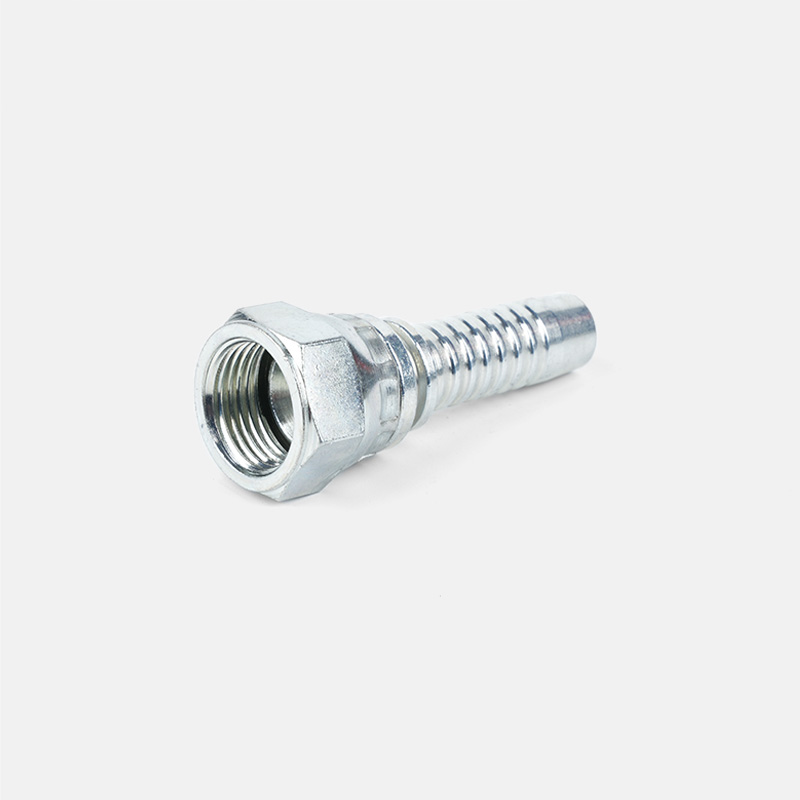
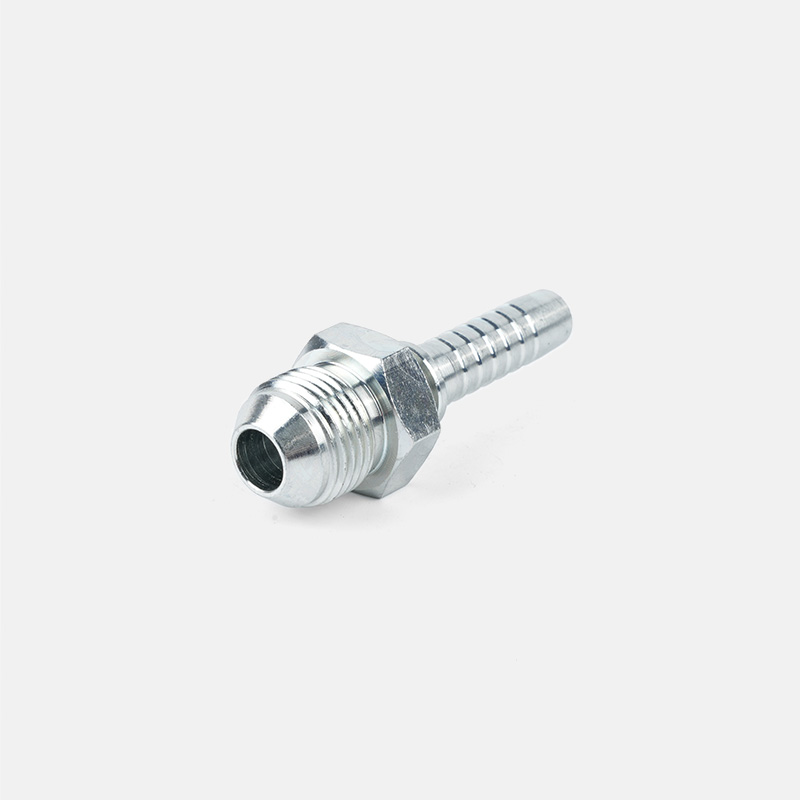
Threaded Connectors by Standard: NPT, BSP, JIC, SAE, and ORFS
The thread profile on a hydraulic connector determines how it seals against a port or mating fitting. Using mismatched thread standards is a common source of leaks — threads may appear similar but have different pitch angles or sealing mechanisms.
| Thread Standard | Sealing Method | Max Pressure | Primary Region / Use |
|---|---|---|---|
| NPT (National Pipe Taper) | Tapered thread interference + PTFE tape | Up to 3,000 PSI | North America; general hydraulics |
| BSP (British Standard Pipe) | Parallel thread + bonded seal or sealant | Up to 5,000 PSI | Europe, Asia, Australia; industrial machinery |
| JIC (SAE 37° Flare) | 37° metal-to-metal flare seat | Up to 5,000 PSI | North America; aerospace, mobile equipment |
| SAE O-Ring Boss (ORB) | O-ring compressed into port face | Up to 6,000 PSI | North America; high-pressure systems |
| ORFS (O-Ring Face Seal) | O-ring on flat face — zero-leak design | Up to 6,000 PSI | Global; leak-critical and high-vibration systems |
| Metric DIN (24° Cone) | 24° metal cone seat | Up to 6,300 PSI | Europe; heavy machinery, hydraulic cylinders |
ORFS fittings are the preferred choice for leak-critical applications — their flat-face O-ring design provides a positive seal that is unaffected by vibration, unlike tapered thread connections which can loosen over time. For high-vibration mobile equipment, ORFS is the safest specification to default to.
Quick-Disconnect Couplings: Fast Connection and Disconnection Under Pressure
Quick-disconnect couplings (also called quick-release or snap couplings) allow hydraulic hoses to be connected and disconnected rapidly — often without tools and sometimes under residual system pressure. They consist of a male plug and female coupler that lock together with a push-and-twist or push-button mechanism.
Key Specifications
- Working pressure range: up to 10,000 PSI (690 bar) for high-pressure flat-face versions
- Flow rates: From 1 GPM (small agricultural couplers) to over 100 GPM (large industrial flat-face types)
- Types: Poppet valve (spill-type), flat-face (non-spill), and dry-break designs
- Standards: ISO 7241 Series A and B, ISO 16028 (flat-face), Parker, Snap-tite interchange series
Quick-Disconnect Types Compared
- Poppet (spill-type): The most common type. Internal valves close on disconnection but allow a small amount of fluid spill. Used on tractors, agricultural implements, and general construction equipment. Not suitable for food, pharmaceutical, or environmentally sensitive applications.
- Flat-face (non-spill / ISO 16028): Seals flush on disconnection with zero fluid spill and minimal air inclusion. Required in environmentally sensitive operations, clean hydraulic systems, and wherever fluid contamination must be avoided. Standard on modern skid steers and compact track loaders.
- Dry-break: Seals both the male and female halves completely on disconnection. Used in chemical transfer, fuel systems, and applications where any fluid loss is unacceptable.
When to Use Quick-Disconnect Couplings
- Tractor and implement connections that are attached and detached multiple times daily
- Hydraulic tools (breakers, augers, compactors) connected to excavator or skid steer auxiliary circuits
- Test and measurement equipment that is regularly connected to different hydraulic circuits
- Any application where zero-tool, rapid connection is operationally essential
Flange Connectors: The Choice for Very High Pressure and Large Bore
Flange connectors use a bolted split-flange clamp design to connect large-bore hoses and tubes to pumps, motors, valves, and cylinders. They distribute clamping force evenly around the full circumference of the port, making them the most reliable connection method at extreme pressures and large flow rates.
Key Specifications
- Working pressure: SAE 3000 PSI series and SAE 6000 PSI series
- Bore sizes: ¾ inch to 3½ inch — significantly larger than threaded fittings allow
- Standard: SAE J518, ISO 6162
- Sealing: O-ring face seal on the port face
When to Use Flange Connectors
- Large hydraulic pump and motor ports on industrial presses, injection molding machines, and mining equipment
- High-flow systems where hose bore exceeds 1 inch — threaded fittings of this size are impractical and unreliable
- Offshore and subsea hydraulic systems where bolt-flange integrity is required under cyclic loading
- Any connection point subject to significant side-loading or bending moment that threaded fittings cannot absorb
Banjo Fittings: Compact Solutions for Tight Spaces
Banjo fittings consist of a hollow bolt passing through a spherical banjo eye at the end of the hose. Fluid flows through the hollow bolt and into the port via cross-drilled holes in the banjo eye. Their low-profile, 360° rotatable design makes them ideal where space is severely restricted.
- Working pressure: Typically up to 3,000 PSI — not suitable for very high pressure circuits
- Sealing: Copper, aluminum, or bonded washers on each side of the banjo eye
- Common applications: Brake systems, fuel injection lines, engine oil circuits, clutch systems in automotive and agricultural machinery
- Always replace the sealing washers when reassembling — reusing compressed washers is a frequent cause of banjo bolt leaks
End Configuration: Straight, 45°, and 90° — Why Angle Matters
Beyond connector type and thread standard, the end angle of the fitting determines how cleanly the hose routes through the machine and how much stress is placed on the hose at the connection point. Incorrect angles force hoses into tight bends that accelerate fatigue and failure.
| End Configuration | Best Use Case | Key Benefit |
|---|---|---|
| Straight | Inline connections with ample routing space | Lowest pressure drop; simplest assembly |
| 45° Elbow | Moderate direction changes in confined spaces | Reduces hose bend stress at connection point |
| 90° Elbow | Ports facing parallel to hose run direction | Eliminates sharp hose bends near the port |
| Swivel | Applications with hose rotation or alignment issues | Allows rotation after installation without hose twist |
A hose that exits a port at 90° and immediately bends back parallel to the machine frame should use a 90° elbow fitting, not a straight fitting with a forced hose bend. Forced bends within one hose diameter of the fitting end reduce hose service life by up to 60%.
Connector Type Selection Guide by Application
| Application | Recommended Connector Type | Reason |
|---|---|---|
| Excavator boom and arm circuits | Crimp + ORFS thread | High pressure, high vibration, zero-leak required |
| Tractor implement attachment | Flat-face quick-disconnect (ISO 16028) | Daily connect/disconnect, no spill required |
| Industrial hydraulic press | SAE flange (6000 PSI series) | Very high pressure, large bore pump ports |
| Field repair, remote location | Reusable (field-attachable) fitting | No crimping machine available |
| Engine oil or brake line | Banjo fitting | Tight space, 360° hose orientation flexibility |
| Test bench / measurement circuit | Poppet quick-disconnect | Frequent reconfiguration, moderate pressure |
Critical Rules When Specifying Any Hydraulic Hose Connector
- Never mix thread standards. NPT and BSP threads appear similar but have different pitch angles — forcing them together damages both fittings and creates a connection that will leak under pressure.
- Always match the fitting to the hose manufacturer's specification. Crimp fittings are engineered to specific hose OD tolerances — using an off-spec fitting can result in blow-off under pressure impulse even if the crimp looks correct.
- Derate fittings for high-temperature applications. A fitting rated at 5,000 PSI at 20°C may only be rated at 3,500 PSI at 100°C — always check the manufacturer's temperature derating curve.
- Use swivel fittings where hose twist is unavoidable. Twisted hoses at the connection point accelerate wire braid fatigue and dramatically shorten service life.
- Replace O-rings whenever a fitting is disassembled. O-rings that have been compressed and released are permanently deformed and cannot provide a reliable seal when reinstalled.

Custom hydraulic accessories
From concept to production, we can create the products you want
Products
Contact Information
-

Tel: +86-159-6851-8588
-

E-mail: [email protected]
-

Add:Zhu Jia Station Village, Diankou Town, Zhuji City , Zhejiang Province, China
