


Language
ENG
Enter Keywords...

NEW
 Home / News / industy news / Why Do Hydraulic Systems Require Quick Couplings Instead of Regular Couplings?
Why Do Hydraulic Systems Require Quick Couplings Instead of Regular Couplings?
 2025.10.20
 industy news
Hydraulic systems are vital components in industries such as construction, agriculture, manufacturing, and even aerospace. These systems rely on the controlled flow of pressurized fluids to transmit power to various mechanical parts. One of the essential components of hydraulic systems is the coupling, which connects hoses and pipes to allow the transfer of fluids. When selecting couplings for hydraulic systems, quick couplings stand out for their numerous advantages over regular couplings.
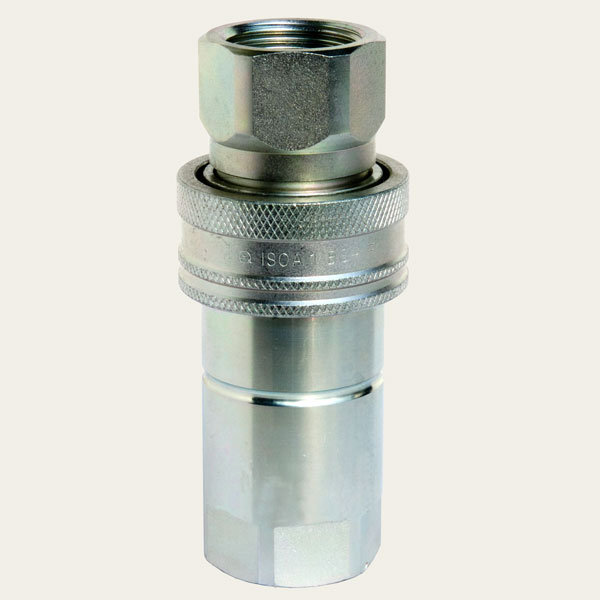
1. Ease of Connection and Disconnection
Quick Couplings: A Fast and Tool-Free Solution
Quick couplings, as their name suggests, are designed for rapid and easy connection and disconnection without the need for any special tools. This feature is especially crucial in industries where downtime is costly. In hydraulic systems, equipment and tools are often changed frequently, requiring an efficient coupling solution that minimizes the time spent on connecting or disconnecting lines.
- Example: In construction and agriculture, operators regularly switch between different attachments on machinery like backhoes, loaders, or tractors. Hydraulic quick couplings allow workers to quickly swap attachments, reducing downtime and ensuring productivity.
Regular Couplings: Time-Consuming Connections
In contrast, regular couplings, such as threaded or flanged couplings, often require more effort to connect and disconnect. These types of couplings involve threading or bolting, which can take considerable time, especially under pressure or in confined spaces.
- Example: In factories with high-paced assembly lines, the need to frequently change hydraulic-powered tools, such as conveyors or presses, makes the use of regular couplings impractical. Manual coupling and uncoupling can delay operations and reduce efficiency.
2. Reduced Risk of Fluid Leaks
Hydraulic Quick Couplings: Secure and Leak-Proof
One of the primary concerns in hydraulic systems is the prevention of fluid leaks. Hydraulic fluids, such as oil or water, are pressurized and often hazardous if spilled. Quick couplings are designed with features that prevent leaks when disconnected. Many quick couplings have an automatic shut-off valve that seals the connection when it’s uncoupled, ensuring the system remains sealed and free from fluid loss.
- Example: In offshore oil drilling, where even a small leak can lead to costly and dangerous situations, using quick couplings that prevent fluid leakage is essential for maintaining operational safety.
Regular Couplings: Higher Risk of Leaks
Regular couplings, particularly older or less advanced models, are often not equipped with leak-prevention features. When these couplings are disconnected, there is a higher chance of fluid leakage due to the manual disconnection process. This can be hazardous in industries where fluid leakage is not only inefficient but also dangerous.
- Example: In chemical processing plants, where hydraulic systems are used to operate machinery, a simple leak from a regular coupling can result in chemical contamination, posing serious risks to both the workforce and the environment.
3. Pressure and Flow Control
Quick Couplings: Enhanced Pressure Control
Hydraulic quick couplings often feature integrated valves that automatically stop the fluid flow when disconnected. This built-in pressure control mechanism ensures that when the coupling is uncoupled, no fluid is lost, and the system’s pressure is maintained. This is particularly important in hydraulic systems where pressure stability is crucial for operational efficiency.
- Example: In high-precision industries like aerospace manufacturing, maintaining consistent pressure throughout the hydraulic system is vital for the proper operation of machinery. Quick couplings help prevent fluctuations in pressure when switching between tools or parts.
Regular Couplings: No Automatic Pressure Regulation
Regular couplings typically do not feature an automatic valve to control the flow of hydraulic fluid when they are disconnected. This can result in the loss of fluid, pressure fluctuations, and a higher risk of contamination entering the system. In high-pressure applications, this can significantly affect the performance of the hydraulic system.
- Example: In industrial systems that operate at high pressures, like hydraulic presses or injection molding machines, regular couplings would be a disadvantage as they don’t provide the same level of control over pressure or fluid loss when disconnected.
4. Durability and Reliability Under Harsh Conditions
Quick Couplings: Built for Extreme Environments
Hydraulic quick couplings are designed with durability in mind. They are typically made from high-grade materials such as stainless steel, which can withstand harsh environmental conditions, including extreme temperatures, corrosive environments, and high-pressure applications. These couplings are built to last, even in the most demanding conditions.
- Example: In heavy machinery used in mining or construction, where hydraulic systems are exposed to dirt, dust, and extreme forces, the durability of quick couplings ensures that the system remains operational with minimal maintenance.
Regular Couplings: Susceptible to Damage
On the other hand, regular couplings, especially those made from cheaper or lower-quality materials, are more likely to wear down or fail under harsh conditions. Regular couplings may be more prone to rust, corrosion, or material fatigue, which can cause leaks or system failures over time.
- Example: In offshore oil rigs, where hydraulic systems are constantly exposed to saltwater and corrosive elements, using regular couplings could result in faster degradation and failure, leading to costly repairs and downtime.
5. Safety Considerations
Hydraulic Quick Couplings: Safety Mechanisms to Prevent Accidents
Safety is a paramount concern in any hydraulic system. Quick couplings often come equipped with safety features such as locking mechanisms or safety valves that ensure the coupling remains securely connected and cannot accidentally disconnect during operation. These safety features minimize the risk of accidents or injuries caused by accidental disconnections.
- Example: In high-speed manufacturing facilities, quick couplings with safety locks prevent operators from inadvertently disconnecting hydraulic lines while machinery is still running, thus avoiding potential hazards.
Regular Couplings: Greater Risk of Accidental Disconnections
Regular couplings, particularly those without any safety features, present a greater risk of accidental disconnection. Without a locking mechanism, the coupling may come loose during operation, causing fluid spills, pressure drops, or even catastrophic failure of the hydraulic system.
- Example: In the automotive industry, if regular couplings are used in hydraulic systems that operate essential machinery, an accidental disconnection could lead to equipment damage and safety hazards for the workers.
6. Compatibility with Different Systems
Quick Couplings: Versatile and Interchangeable
Hydraulic quick couplings are designed to be interchangeable with various sizes and types of hydraulic fittings, offering flexibility and versatility. This is especially important in industries where different hydraulic tools and machines must be connected quickly and efficiently. Quick couplings allow for easy adaptation to different systems without the need for additional adapters or specialized connectors.
- Example: In a fleet of agricultural equipment, quick couplings ensure that different implements, such as plows or harvesters, can be easily connected to a central hydraulic system, improving the efficiency of operations.
Regular Couplings: Limited Compatibility
Regular couplings, especially those that use fixed or threaded connections, can be less versatile and may not be compatible with all systems. In some cases, adapting a regular coupling to a different machine or tool requires purchasing additional components, increasing both the complexity and cost of the operation.
- Example: In a manufacturing facility with several different types of machinery, regular couplings may not provide the same level of flexibility when switching hydraulic tools between machines, leading to increased downtime.
7. Lower Maintenance Costs
Hydraulic Quick Couplings: Reduced Wear and Tear
The ease of connection and disconnection that quick couplings provide translates to lower wear and tear on hydraulic components. By preventing leaks and ensuring secure connections, quick couplings reduce the likelihood of damage to hoses, seals, or other parts of the hydraulic system. This can significantly lower long-term maintenance costs.
Regular Couplings: Increased Maintenance Needs
In contrast, regular couplings require more effort to connect and disconnect, increasing the risk of damage over time. Improper handling can result in wear on the coupling surfaces, leaks, or even complete failure, all of which lead to higher maintenance costs.
8. Enhanced Operational Efficiency
Quick Couplings: Optimized for Maximum Productivity
Quick couplings optimize operational efficiency by minimizing the time spent on connecting and disconnecting hydraulic lines. This speed and ease of operation contribute to a more productive workflow, especially in industries where every minute counts. Whether switching between tools, machines, or attachments, quick couplings ensure that work progresses without unnecessary interruptions.
Regular Couplings: Inefficient for Fast-Paced Environments
Regular couplings, due to their more time-consuming connection process, can slow down operations, particularly in environments that require frequent equipment changes. The additional effort needed for manual coupling and uncoupling can lead to significant delays in workflows, reducing overall productivity.
9. Preventing Contamination
Quick Couplings: Contamination Prevention Features
Many hydraulic quick couplings include features designed to prevent contamination when disconnected. These features include dust caps or automatic seals that block contaminants such as dirt, moisture, or chemicals from entering the hydraulic system. This is crucial in industries where contamination could compromise the performance of the hydraulic system or even the product being manufactured.
Regular Couplings: Higher Risk of Contamination
Regular couplings, especially those that are manually connected, have a higher chance of contamination during disconnection. The lack of seals or protective mechanisms makes the hydraulic system more vulnerable to dirt or other harmful particles entering the lines.
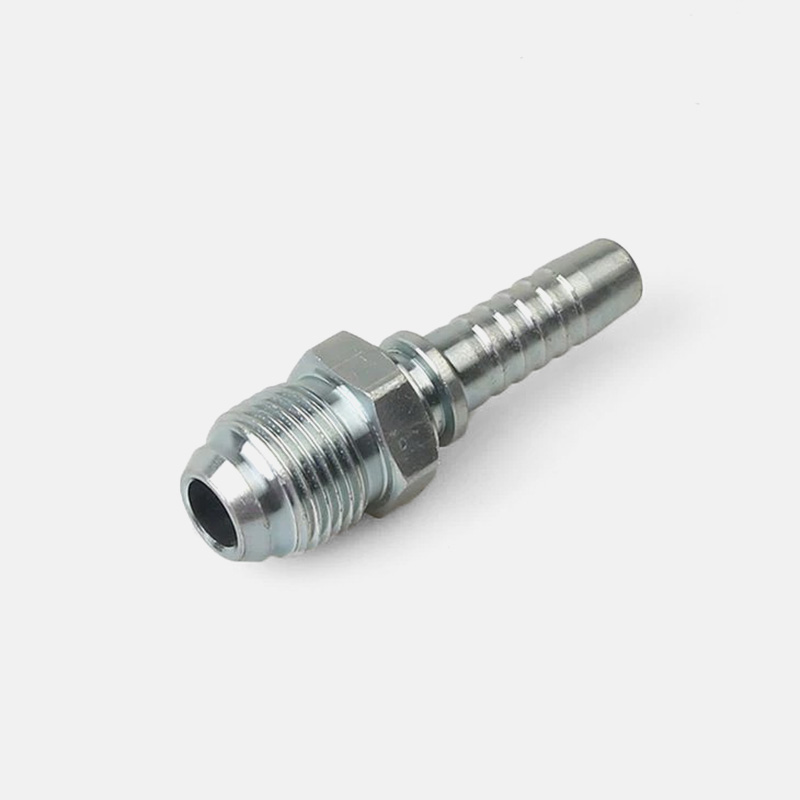
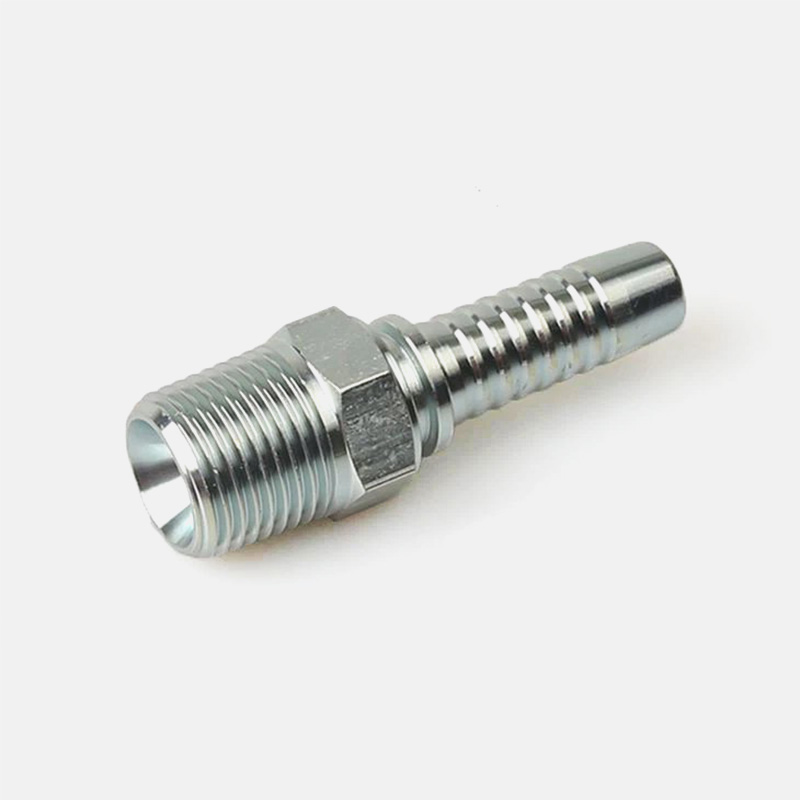
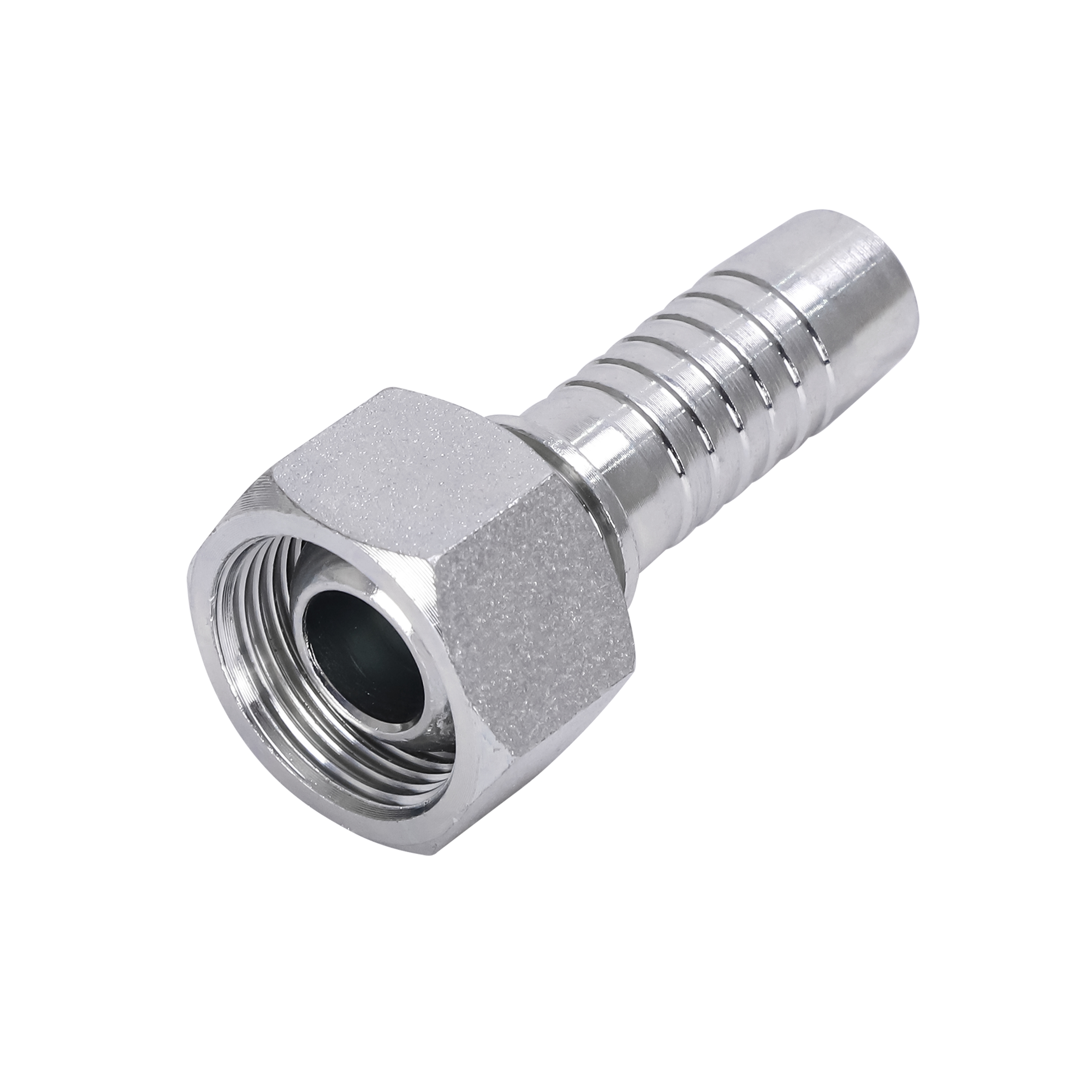
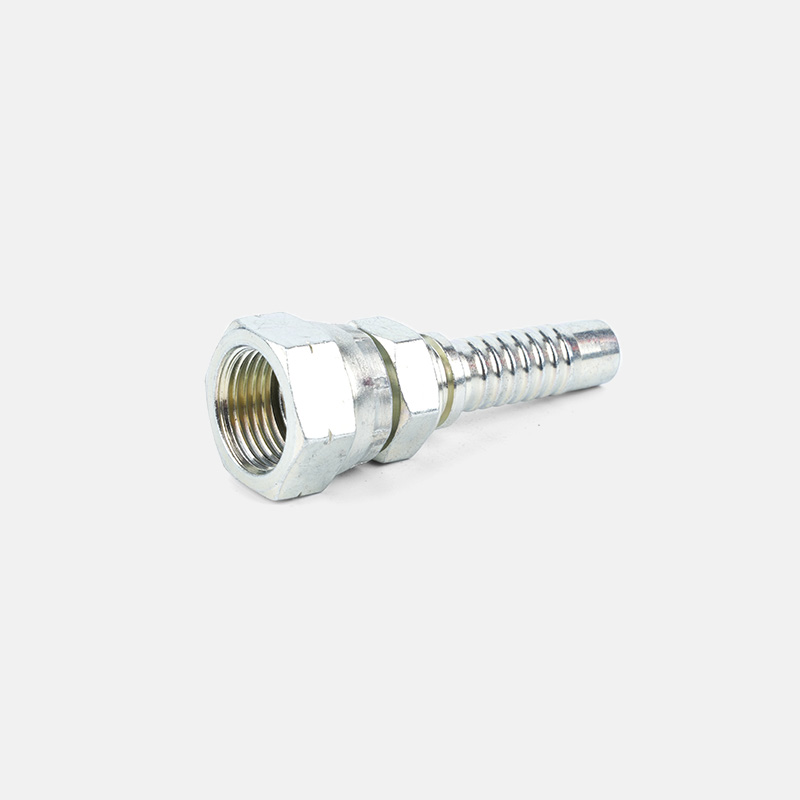
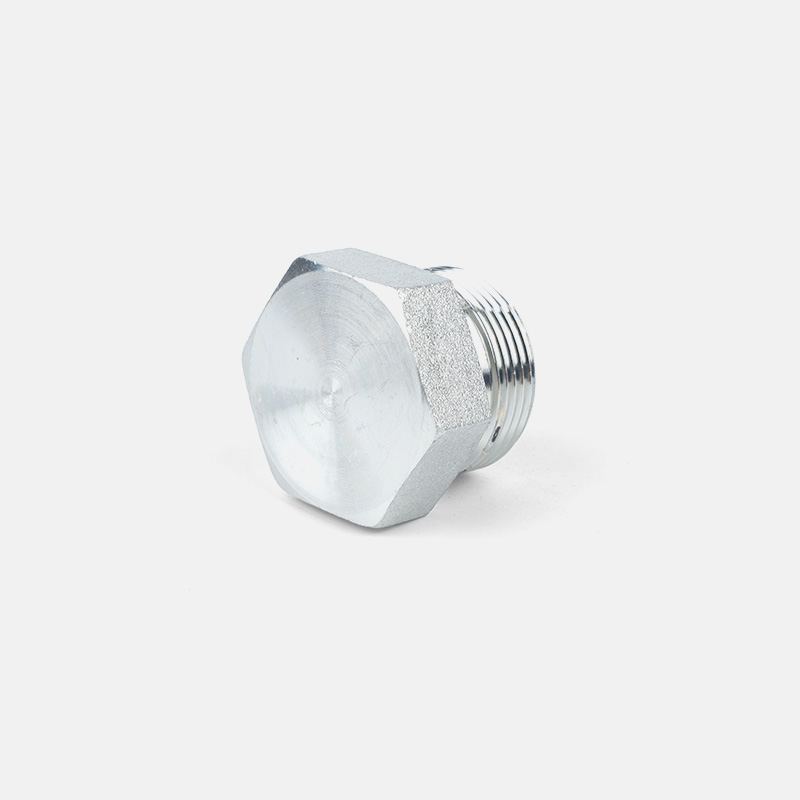

Custom hydraulic accessories
From concept to production, we can create the products you want
Products
Contact Information
-

Tel: +86-159-6851-8588
-

E-mail: [email protected]
-

Add:Zhu Jia Station Village, Diankou Town, Zhuji City , Zhejiang Province, China
