


Language
ENG
Enter Keywords...

NEW
 Home / News / industy news / 8 Key Factors Industrial Buyers Should Check Before Ordering Hydraulic Fittings in Bulk
8 Key Factors Industrial Buyers Should Check Before Ordering Hydraulic Fittings in Bulk
 2026.06.29
 industy news
Ordering hydraulic fittings in bulk without a structured evaluation process is one of the most common — and costly — mistakes in industrial procurement. A single incompatible thread standard, an underrated pressure spec, or a supplier without proper certifications can result in system failures, unplanned downtime, and costly returns. The 8 factors outlined in this guide are the non-negotiables every procurement team must verify before committing to a bulk order. Whether you're sourcing standard fittings, JIC hydraulic fittings, camlock fittings, or hydraulic quick connect fittings, this checklist applies across the board.
Why Bulk Hydraulic Fitting Procurement Demands Extra Diligence
Hydraulic systems operate under high mechanical stress. The average industrial hydraulic system runs at pressures between 1,000 and 5,000 PSI, with specialized equipment reaching 10,000 PSI or higher. Every connection point in that system — every fitting, coupler, and connector — is a potential failure point. When those fittings are sourced in bulk from a new supplier or a new product line, the risk is multiplied across every unit in the order.
The global hydraulic fittings market was valued at approximately $1.8 billion in 2023 and continues to grow, driven by demand from construction, agriculture, mining, and manufacturing sectors. With this growth comes an expanding pool of suppliers — not all of which meet the engineering standards that industrial buyers depend on. A thorough pre-order evaluation process is not just good practice; it's risk management.
The 8 factors below cover the full scope of what matters: technical specifications, material integrity, supplier credentials, logistics, and long-term supply reliability.
Factor 1: Pressure Rating — Match the Fitting to the System's Working Pressure
Never select a fitting based on nominal size alone. Always verify the pressure rating first. A fitting that physically fits the port is not necessarily rated for the system's operating pressure. Using an under-rated fitting is a direct path to catastrophic failure — hydraulic fluid at high pressure escaping through a failed fitting can cause severe injury and equipment damage.
Understanding Pressure Specifications
Hydraulic fittings carry two key pressure ratings you must evaluate:
- Working Pressure (WP): The maximum continuous operating pressure the fitting is designed to handle safely.
- Burst Pressure: The pressure at which the fitting will fail. Industry standard requires burst pressure to be at least 4:1 safety factor above working pressure for most hydraulic applications.
When sourcing high pressure hose connectors or fittings for heavy-duty hydraulic systems, confirm that the stated working pressure accounts for pressure spikes and dynamic loads — not just steady-state operation. Pressure surges in hydraulic circuits can momentarily reach 2–3 times the nominal working pressure.
Pressure Rating by Common Fitting Type
| Fitting Type | Typical Working Pressure | Common Applications |
|---|---|---|
| JIC Hydraulic Fittings (37° flare) | Up to 10,000 PSI | Aerospace, industrial machinery |
| NPT Threaded Fittings | Up to 3,000 PSI | General hydraulic, pneumatic |
| SAE ORB (O-Ring Boss) | Up to 6,000 PSI | Mobile equipment, agriculture |
| BSP (BSPP/BSPT) | Up to 5,000 PSI | European equipment, marine |
| Camlock Fittings | Up to 250 PSI (most types) | Fluid transfer, low-pressure systems |
| Hydraulic Quick Connect Fittings | Up to 10,000 PSI (high-spec) | Construction equipment, attachments |
Before placing a bulk order, request the full pressure test certification for the specific product, not just the product category. Pressure ratings can vary significantly between manufacturers for the same nominal fitting type.
Factor 2: Thread Standard and Compatibility — The Most Common Source of Costly Errors
Thread incompatibility is the leading cause of hydraulic fitting returns and system assembly failures in bulk procurement. There are over a dozen thread standards in active use globally, and many are visually similar but dimensionally incompatible. Mixing standards — even by half a turn — creates leak paths and structural weakness.
The Major Thread Standards You Must Know
- NPT (National Pipe Taper): The most common standard in North America. Tapered thread that creates a seal through thread interference. Requires PTFE tape or thread sealant.
- BSP (British Standard Pipe): Dominant in Europe, Asia, and Australia. BSPP (parallel) requires a bonded seal or O-ring face seal; BSPT (tapered) seals on thread. BSP and NPT are NOT interchangeable despite similar appearance.
- JIC (Joint Industry Council) / SAE 37°: JIC hydraulic fittings use a 37-degree flare seat to create a metal-to-metal seal. Highly reliable for high-pressure hydraulic systems. Common in aerospace and industrial fluid power.
- SAE ORB (O-Ring Boss): Straight thread with an O-ring seal. Preferred in mobile hydraulics because the O-ring provides a reliable, vibration-resistant seal. Used extensively in agricultural and construction equipment.
- ORFS (O-Ring Face Seal): The gold standard for leak-free connections in high-pressure hydraulic systems. The flat face O-ring seal eliminates thread-related leak paths entirely.
- Metric DIN: Common in German and European-manufactured equipment. DIN 2353 compression fittings are widely used in hydraulic pipes and fittings for industrial machinery.
When ordering for a mixed fleet or multi-regional distribution, always specify the exact thread standard — not just the size. A 1/2" BSP fitting and a 1/2" NPT fitting look nearly identical but will not seal properly when mated. This is especially critical for hydraulic hose connectors that interface with equipment from multiple origins.
How to Specify Correctly in Your Purchase Order
Your PO should specify: fitting type + thread standard + thread size + end connection type. Example: "JIC 37° Male, 9/16-18 UNF, to 1/4" BSPP Female, Carbon Steel." Vague POs that list only size lead to supplier interpretation errors in bulk orders.
Factor 3: Material Grade and Corrosion Resistance — Match the Material to the Environment
Material selection directly determines the service life of hydraulic fittings in the field. A fitting material that is correct for one environment can fail prematurely in another. Buyers sourcing hyd hose fittings for diverse end-user applications must understand the performance envelope of each material option.
Common Hydraulic Fitting Materials
- Carbon Steel: The most widely used material for high-pressure hydraulic fittings. Excellent strength-to-cost ratio. Suitable for most industrial applications where the fluid is petroleum-based hydraulic oil. Requires surface treatment (zinc plating, phosphate, or black oxide) to resist corrosion. Not suitable for marine environments or highly corrosive chemicals.
- Stainless Steel (304 / 316): The preferred choice for corrosive environments — marine, food processing, chemical handling, and offshore applications. 316 stainless provides superior chloride resistance compared to 304. Significantly more expensive than carbon steel, but service life in harsh environments justifies the cost. Also compatible with water-based hydraulic fluids.
- Brass: Excellent corrosion resistance and easy machinability. Commonly used in lower-pressure hydraulic and pneumatic systems, water hydraulics, and instrumentation. Not suitable for systems using certain synthetic fluids that react with copper alloys.
- Aluminum: Lightweight and corrosion-resistant. Used in aerospace and mobile hydraulic applications where weight reduction is a priority. Lower pressure ratings than steel counterparts.
- Ductile Iron / Cast Iron: Used in large-diameter hydraulic pipes and fittings for stationary industrial systems. High strength but heavier and less versatile than forged steel fittings.
Surface Treatments That Extend Service Life
For carbon steel fittings, surface treatment is not optional in most environments. Standard options include:
- Zinc plating: Most common; provides protection up to approximately 72–96 hours salt spray resistance per ASTM B117.
- Zinc-nickel plating: Superior corrosion resistance — typically 500–1,000+ hours salt spray resistance. Used in automotive and heavy equipment applications.
- Dacromet / Geomet coating: High-performance coating used in European automotive hydraulics, offering excellent resistance without hydrogen embrittlement risk.
Always request salt spray test reports (ASTM B117 or ISO 9227) when evaluating surface treatment claims from suppliers.
Factor 4: Hose Crimp Compatibility — A Silent Cause of Field Failures
Hydraulic hose fittings that are not properly matched to the hose and crimp specifications are a leading cause of hose assembly failures. This factor is often overlooked by buyers who focus exclusively on the fitting itself, without considering the complete assembly — fitting + hose + crimp.
The hose crimp process involves compressing a metal ferrule (sleeve) around the hose end and fitting stem using a hydraulic crimping machine. The crimp diameter, crimp length, and die profile must be precisely matched to the specific hose and fitting combination. Using a fitting from one manufacturer with a hose from another — without confirmed compatibility data — is risky even when dimensions appear to match.
What to Verify for Crimp Compatibility
- Crimp specifications: Request the manufacturer's crimp spec chart for each fitting SKU. This should specify the correct crimp diameter (in mm or inches) for each compatible hose ID and construction type (1-wire, 2-wire, spiral).
- Hose compatibility list: Reputable suppliers of hydraulic hoses and fittings publish cross-reference tables showing which fittings are validated for use with specific hose brands and part numbers.
- Pull-off and pressure test data: For critical applications, request third-party test data showing the crimp assembly's working pressure and pull-off force. The industry benchmark for a properly crimped hydraulic hose connector is a pull-off force exceeding 4× the working pressure load.
- Skiving vs. no-skive designs: Some fittings require the hose outer cover to be skived (partially removed) before crimping; others are no-skive designs. Verify which your crimping equipment and hose combination requires.
If you're distributing to end users who will assemble hoses themselves, confirm that your fitting supplier's crimp specs are compatible with the crimping machines your customers have — not just in theory, but with validated data.
Factor 5: Supplier Certifications and Quality Standards — Don't Accept Claims Without Documentation
In hydraulic fitting procurement, certifications are not formalities — they are evidence of a quality system that produces consistent, reliable products at scale. When you're ordering thousands of units, consistency is everything. A supplier that passes a sample inspection but has no certified quality system may produce acceptable samples and inconsistent production batches.
Certifications to Require from Hydraulic Hose Suppliers
- ISO 9001: The baseline quality management system certification. Any serious manufacturer of hydraulic hoses and fittings should hold current ISO 9001 certification. Request the certificate and verify its validity date and scope — some certificates are issued for only part of a manufacturer's production range.
- ISO/TS 16949 (IATF 16949): Automotive-sector quality management standard. Suppliers holding this certificate have demonstrated quality systems capable of meeting demanding automotive production requirements — a strong indicator of overall manufacturing rigor.
- SAE Standards compliance: For JIC, ORB, and ORFS fittings sold into North American markets, SAE J514, J1926, and J1453 are the relevant dimensional and performance standards. Request compliance documentation.
- DIN / EN Standards: For European market fittings. DIN 2353, EN 14420, and related standards define dimensional requirements for metric hydraulic fittings and hydraulic pipes and fittings.
- RoHS / REACH compliance: Required for fittings sold into the EU and increasingly required by global OEMs. Ensures the fitting materials don't contain restricted hazardous substances.
- UL / CSA listing: Relevant for fittings used in North American equipment that requires electrical or safety agency listings.
Red Flags in Supplier Documentation
- Certificates with expired validity dates or missing certification body information
- Test reports dated years ago with no recent re-testing evidence
- Pressure ratings stated without reference to the specific test standard used
- Material certifications (mill certs) that don't match the specific batch being ordered
- Suppliers unwilling to provide third-party test reports or factory audit results
Factor 6: Fitting Type Suitability — Matching the Fitting Design to the Application
Each hydraulic fitting design type is engineered for a specific range of applications. Using the wrong fitting type — even at the correct pressure rating — leads to leaks, premature wear, and maintenance problems. Buyers who understand the functional differences between fitting types make better sourcing decisions and reduce post-sale technical support requirements.
Hydraulic Quick Connect Fittings
Hydraulic quick connect fittings (also called quick-disconnect couplings) allow hoses and implements to be connected and disconnected rapidly without tools — and in many designs, without fluid loss. They are essential in construction equipment attachments, agricultural implements, and any application requiring frequent line changes.
Key specifications to verify for quick connects: minimum connection force, maximum flow rate, pressure drop across the coupling, and whether the design is a "flat-face" type (preferred for clean disconnection) or a poppet-style (common but allows small fluid release on disconnect).
Camlock Fittings
Camlock fittings (cam and groove couplings) are quick-connect fittings widely used in fluid transfer applications — including water, petroleum products, chemicals, and dry bulk materials. They are standardized under MIL-C-27487 (US military standard) and EN 14420-7. Camlock fittings are categorized by type (A through F and DC/DP) defining the male/female combination.
Important note for buyers: camlock fittings are typically rated for lower pressures than conventional hydraulic fittings — most aluminum and polypropylene camlocks are rated for 75–250 PSI working pressure. They are not suitable for high-pressure hydraulic circuits but excel in low-pressure fluid transfer, irrigation, tank discharge, and similar applications.
Hydraulic Hose Couplers
Hydraulic hose couplers are the end fittings that connect the flexible hose to rigid ports, manifolds, or other hoses. They must be selected in conjunction with the hose itself — the coupler stem OD must match the hose ID, and the crimp ferrule must be designed for the hose construction. Most hydraulic hose suppliers offer matched sets — hose + coupler + ferrule — validated as a complete assembly, which is the safest approach for critical applications.
JIC Hydraulic Fittings
JIC hydraulic fittings feature a 37° flare angle that creates a metal-to-metal seal — no sealant or O-ring required. This makes them reliable and reusable across multiple assembly-disassembly cycles, a key advantage in maintenance-intensive environments. JIC fittings are available in a wide size range and are compatible with both hydraulic hose assemblies and rigid tubing. They are widely used in military, aerospace, and industrial fluid power systems.
Factor 7: Hydraulic Hose Supplier Evaluation — Assessing Long-Term Reliability
Choosing the right supplier matters as much as choosing the right product. For bulk orders, a supplier that cannot maintain delivery schedules, sustain quality across production batches, or provide responsive technical support creates operational risk that extends well beyond the initial purchase.
Key Supplier Evaluation Criteria
- Production capacity and lead times: Confirm the supplier's actual production capacity for your required quantities. Some manufacturers quote attractive prices but have lead times of 12–16 weeks for production runs — which may be unacceptable for your supply chain. Ask for the standard lead time for both sample orders and production orders, and get it in writing.
- Minimum order quantities (MOQ): Many fitting manufacturers set MOQs per SKU. For buyers sourcing a large product range, high per-SKU MOQs can create significant inventory burden. Negotiate MOQ flexibility, especially for initial orders.
- Batch consistency: Request Certificates of Conformance (CoC) and material test reports (MTRs) for each production batch — not just for the sample. Dimensional tolerances and material properties must be consistent across batches.
- Technical support capability: Can the supplier provide engineering support for non-standard configurations? Do they have English-speaking technical staff if you're sourcing internationally? For complex applications — such as sourcing high pressure hose connectors for specialized equipment — supplier technical expertise is a real differentiator.
- Factory audit or third-party inspection: For significant bulk orders (typically $50,000+ in value), a pre-shipment factory audit or third-party inspection (SGS, Bureau Veritas, Intertek) is a worthwhile investment. Request this option from the supplier and gauge their transparency and willingness to accommodate.
- Track record with comparable buyers: Request references from buyers of similar scale and product requirements. A supplier that serves Fortune 500 OEMs has demonstrated a quality and reliability baseline that a newer or smaller operation may not have.
Single-Source vs. Dual-Source Strategy
For high-volume, high-criticality fitting SKUs, a dual-source strategy — qualifying two suppliers for the same part — provides supply chain resilience. This is especially important for hydraulic hoses and fittings used in mission-critical equipment where a supply disruption would halt production lines or equipment fleets. The dual-source approach requires more qualification work upfront but pays off significantly during supply chain disruptions — as many buyers learned during global supply chain events in 2020–2022.
Factor 8: Packaging, Labeling, and Traceability — Often Overlooked, Always Important
In bulk hydraulic fitting orders, packaging and traceability are not administrative details — they are operational necessities. Poorly labeled, inconsistently packaged fittings create warehouse confusion, increase the risk of wrong-part installations, and complicate warranty and recall management.
Packaging Requirements to Specify
- Individual part bags or caps: Each fitting end should be capped or bagged to prevent contamination. Hydraulic system contamination — even from small particles entering a fitting port before installation — is a leading cause of hydraulic component wear. Contamination control standards like ISO 4406 define cleanliness levels; confirm that your supplier's packaging maintains these standards.
- Part number and specification labeling: Every individual package and master carton should be clearly labeled with the full part number, thread standard, size, material, pressure rating, and batch/lot number. This is essential for warehouse management and for end-user installation accuracy.
- Lot traceability: For quality management and recall capability, each production batch should carry a unique lot number that can be traced back to the raw material supplier, production date, and inspection records. This is a standard requirement in aerospace and automotive supply chains and is becoming increasingly expected in industrial hydraulics procurement.
- Country of origin marking: Required for customs compliance in most markets. Ensure markings are accurate and consistent — mislabeled country of origin can create customs delays and legal liability.
- Export packaging integrity: For long-distance shipping, master cartons must be adequately reinforced. Hydraulic hose couplers and fittings with sharp edges can damage packaging integrity if under-packed, leading to corrosion from moisture ingress during transit.
Barcode and ERP Integration
If your warehouse or distribution operation uses barcode scanning and ERP systems (SAP, Oracle, etc.), specify barcode labeling requirements to your supplier — including barcode format (Code 128, QR, GS1-128), label placement, and data fields required. Many hydraulic hose suppliers can accommodate custom labeling in production if specified in the initial purchase order, but retrofitting labels to an already-shipped bulk order is expensive and error-prone.
Pre-Order Checklist: Consolidating All 8 Factors
Use this consolidated checklist before finalizing any bulk order for hydraulic fittings, hydraulic hose connectors, hyd hose fittings, or related components:
| Factor | Key Verification Points | Documents to Request |
|---|---|---|
| Pressure Rating | WP, burst pressure, safety factor, spike tolerance | Pressure test certificate, product datasheet |
| Thread Standard | Exact standard (NPT/BSP/JIC/SAE/DIN), size, gender | Dimensional drawing, standard compliance statement |
| Material Grade | Base material, grade, surface treatment, salt spray hours | Mill certificate, salt spray test report |
| Crimp Compatibility | Crimp spec chart, compatible hose list, skive/no-skive | Crimp specification sheet, assembly test data |
| Certifications | ISO 9001, SAE/DIN/EN standards, RoHS/REACH | Current certificates with validity dates and scope |
| Fitting Type Suitability | Design type matches application requirements | Application engineering confirmation, product selection guide |
| Supplier Reliability | Capacity, lead time, MOQ, batch consistency, references | Factory audit report, customer references, CoC policy |
| Packaging and Traceability | Labeling completeness, lot traceability, contamination protection | Packaging specification, sample packaging photos |
Special Considerations for High-Pressure and Specialty Applications
Certain application categories require additional evaluation steps beyond the standard 8-factor checklist. Buyers sourcing for these sectors should build in extended qualification timelines and additional documentation requirements.
High Pressure Hose Connectors (Above 5,000 PSI)
Applications such as hydraulic fracturing, industrial presses, and test equipment operating above 5,000 PSI require fittings with enhanced manufacturing controls. For high pressure hose connectors in this range, request:
- 100% hydrostatic pressure testing (not just statistical sampling)
- Ultrasonic or magnetic particle inspection for internal defects in forged fittings
- Documented heat treatment processes and hardness testing results
- Thread gauge inspection records (go/no-go gauging on 100% of parts)
Hydraulic Pipes and Fittings for Fixed Industrial Systems
Large-scale hydraulic pipes and fittings installations in manufacturing plants, offshore platforms, or power generation facilities require compliance with additional regulatory frameworks depending on the country of installation. In the EU, hydraulic piping systems may fall under the Pressure Equipment Directive (PED 2014/68/EU). In the US, ASME B31.3 Process Piping or ASME B31.1 Power Piping standards may apply.
Confirm the applicable standard with the end-user's engineering team before sourcing, and verify that your supplier can provide the documentation trail required for regulatory compliance — including material traceability back to the steel mill, weld procedure qualifications if applicable, and pressure test records for assembled piping systems.
Fluid Compatibility in Specialty Systems
Not all hydraulic systems use standard petroleum-based hydraulic oil. Fire-resistant fluids (HFD, HFC types), biodegradable hydraulic fluids (HEES type), and water-glycol mixtures have different material compatibility requirements than mineral oil. For example:
- Zinc-plated carbon steel fittings are generally not compatible with water-glycol hydraulic fluids — the fluid attacks zinc plating and generates sludge that contaminates the system.
- Certain synthetic esters (HEES) attack some rubber seal compounds. Verify O-ring material (FKM/Viton vs. NBR/Buna-N) compatibility with the fluid type.
- Phosphate ester fire-resistant fluids require stainless steel or specific alloy fittings — they are highly aggressive toward standard carbon steel and brass.
Always request a fluid compatibility statement from the supplier when ordering for non-mineral-oil hydraulic systems. A compatibility error in a specialty fluid system can destroy an entire hydraulic circuit within hours of commissioning.
Cost Optimization Without Compromising Quality
Industrial buyers are expected to optimize procurement costs, but in hydraulic fittings, the lowest-price option is frequently the highest total-cost option when field failures, warranty returns, and system downtime are factored in. Here are legitimate strategies to reduce cost without accepting unacceptable quality risk:
Consolidate SKUs Where Technically Justifiable
Many hydraulic systems are over-specified with multiple fitting types that could be rationalized to a smaller set. For example, an operation using five different thread adapters to interface two different standards might be better served by standardizing the equipment ports at the OEM specification level. SKU rationalization reduces per-unit cost by increasing volume per SKU and simplifies inventory management.
Negotiate Volume Pricing Tiers, Not Just Unit Price
Rather than negotiating a fixed unit price on a one-time bulk order, structure agreements with tiered pricing based on annual volume commitments. This gives the supplier production planning certainty — which they value — in exchange for lower unit prices at volume thresholds. Well-structured agreements with hydraulic hose suppliers can yield 10–25% savings compared to spot order pricing at equivalent volumes.
Match Quality Level to Application Criticality
Not every fitting in a hydraulic system carries the same criticality. A drain port fitting in a low-pressure return line does not need the same specification level as a high-pressure line fitting operating near the pump outlet. Apply the highest specification — and highest cost — where it matters, and use commercially appropriate (lower-cost) fittings for non-critical connections. This requires an engineering review of the system but can deliver meaningful procurement savings without increasing system risk.
Summary: The 8 Factors That Define a Safe Bulk Order
Ordering hydraulic fittings, hydraulic hose couplers, camlock fittings, or any component in the hydraulic fluid power chain requires a disciplined evaluation process. The 8 factors covered in this guide — pressure rating, thread standard, material grade, hose crimp compatibility, supplier certifications, fitting type suitability, supplier reliability, and packaging/traceability — collectively define whether a bulk order will perform as expected in the field or generate costly problems down the line.
The procurement teams and distributors that consistently source reliable hydraulic hoses and fittings are the ones that treat these 8 factors as a systematic checklist — not an optional deep dive. They request documentation proactively, qualify suppliers before placing large orders, and specify requirements in enough detail that suppliers cannot make costly assumptions on their behalf.
The additional time invested in pre-order evaluation consistently returns value many times over — in reduced field failures, cleaner inventory, stronger supplier relationships, and the kind of sourcing reputation that makes manufacturers prioritize your orders when supply is constrained.
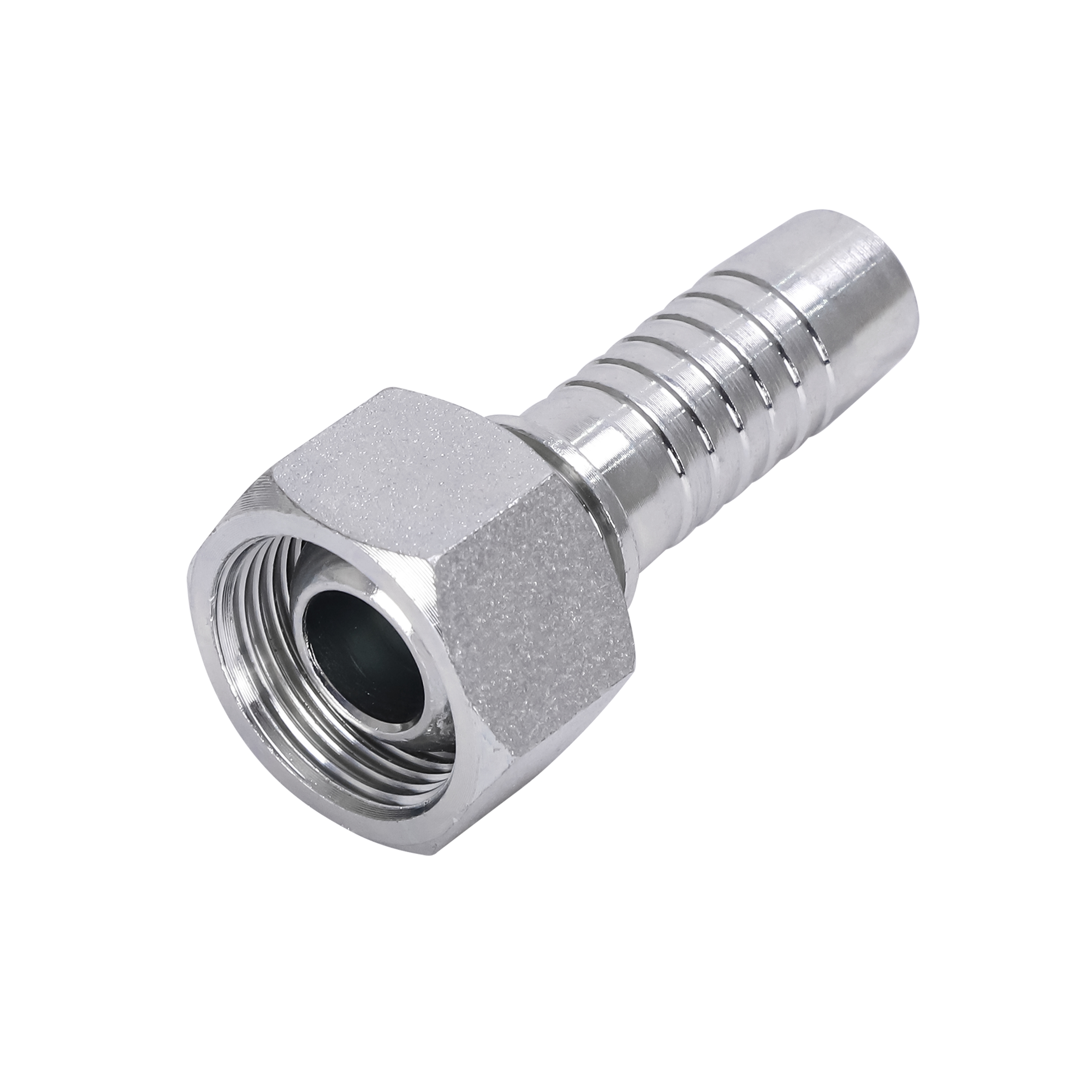
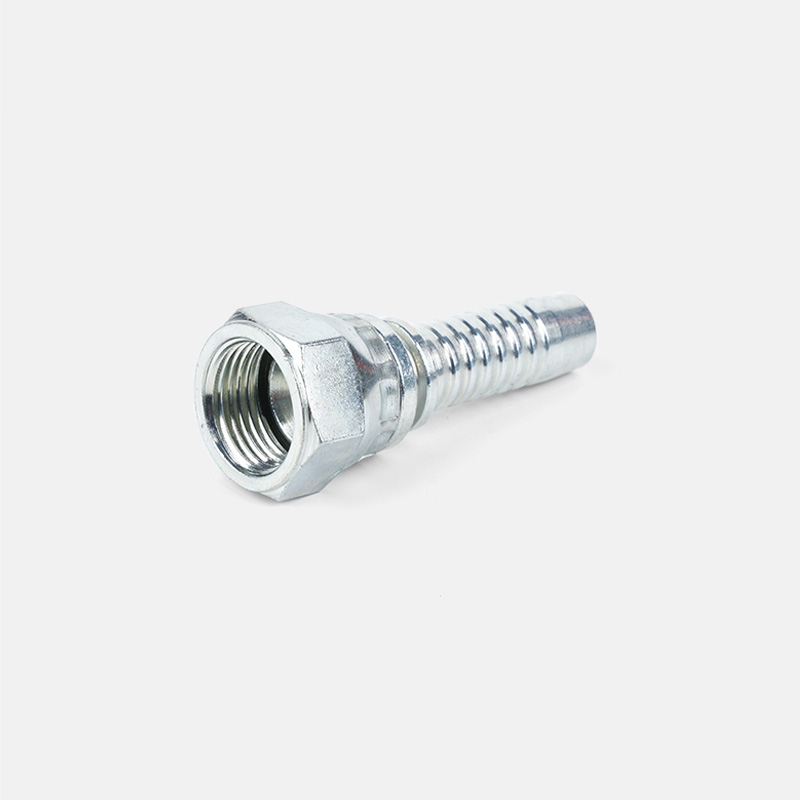
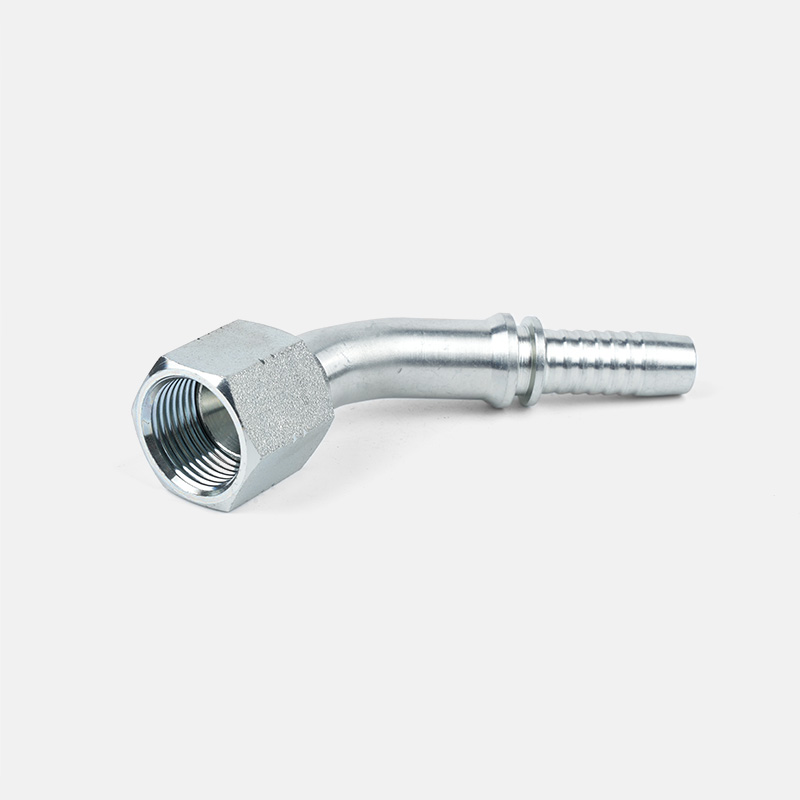
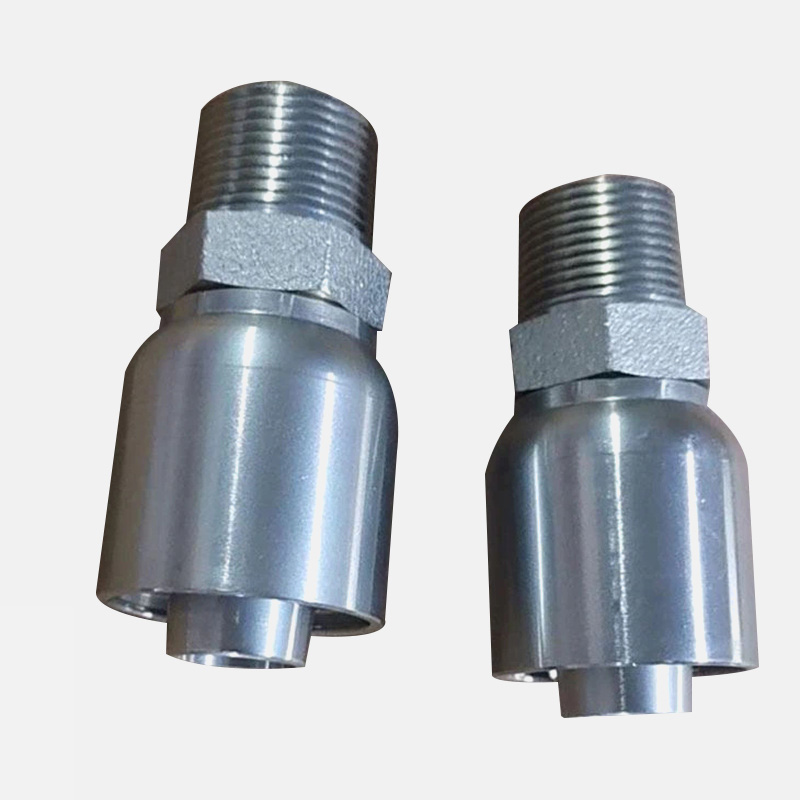

Custom hydraulic accessories
From concept to production, we can create the products you want
Products
Contact Information
-

Tel: +86-159-6851-8588
-

E-mail: [email protected]
-

Add:Zhu Jia Station Village, Diankou Town, Zhuji City , Zhejiang Province, China
