


Language
ENG
Enter Keywords...

NEW
 Home / News / industy news / DIN 2353 Explained: 24° Tube Fitting Series, Pressure Classes & Selection
DIN 2353 Explained: 24° Tube Fitting Series, Pressure Classes & Selection
 2026.11.16
 industy news
If you work with metric hydraulic tubing, you have almost certainly handled a DIN 2353 connection without calling it that name. It is the 24° cone compression fitting system — a nut, a cutting ring and a stud with a conical seat — that shows up on everything from a small power unit to a forty-tonne excavator. The standard was first published in Germany, and its content now lives on in ISO 8434-1 and EN ISO 8434-1, which is why the same components are bought and specified worldwide under the DIN 2353 label.
What follows is a practical look at what the standard actually defines, how the LL, L and S series differ, how sizes and part codes are put together, and where most assembly problems begin.
What DIN 2353 Actually Defines
DIN 2353 is a dimensional and performance standard for compression tube fittings that seal on a 24° cone. The tube is not flared. A hardened cutting ring is pushed onto the tube outside diameter by the nut, the ring bites into the tube surface, and its 24° face seats against the matching cone machined into the fitting body. The seal is metal to metal, which is why these joints tolerate vibration, pressure cycling and moderate heat far better than a simple compression olive.
The standard family covers several groups of parts:
- Studs, elbows, tees, crosses, bulkhead fittings and reducers with a 24° cone seat.
- Nuts and cutting rings matched to one tube outside diameter and one series.
- Stud ends with metric fine-pitch thread to DIN 3852-1 and DIN 3852-2, including the familiar forms with an elastomer seal or an O-ring.
- Cutting rings made to DIN 3861, which fixes their hardness, geometry and bite profile.
Because every dimension is fixed, a 12 mm L body from one batch accepts a 12 mm L nut and ring from another, as long as both are made to the standard. That interchangeability is why the system moved into ISO 8434-1 with so few changes.
The Three DIN 2353 Series: LL, L and S
The series letters come from the German words for light and heavy, leicht and schwer, and they are the first thing to get right. LL, L and S share the same sealing principle but use different tube wall thicknesses, nut sizes and threads for the same nominal tube diameter.
| Series | Common tube OD | Typical working pressure | Character | Where it is used |
|---|---|---|---|---|
| LL | 4 to 18 mm | Up to about 100 bar | Very light, thin wall | Instrumentation, pilot and control lines, lubrication circuits |
| L | 6 to 42 mm | Up to about 250 bar, higher in some sizes | Light series | General machinery, mobile equipment, medium-pressure circuits |
| S | 6 to 38 mm | Up to about 400 bar, up to 630 bar in some sizes | Heavy series, thicker wall | High-pressure main lines, mining equipment, presses, hydrostatic drives |
Two practical points follow. First, those pressure figures are not a property of the fitting alone; they depend on tube wall thickness, material and operating temperature, so the final number always comes from the tube supplier's pressure table. Second, LL, L and S parts look alike but are not interchangeable. A ring for 12 mm L tube will not seal correctly on 12 mm S tube, and the stud threads differ. Mixing the two is one of the most common reasons a joint passes a static test and then weeps under load.
Reading a DIN 2353 Size and Part Code
Most catalogs identify a DIN 2353 part with a short code that combines the fitting shape, the tube size and the series letter — GEL 12 L for a light-series male stud elbow on 12 mm tube, for example. Letters vary between manufacturers, but the logic behind them rarely does:
- The tube outside diameter in millimetres is the primary size. It is not the thread size and not the bore.
- The series letter, LL, L or S, sets the tube wall class and therefore the nut and ring group.
- The stud end is a thread, normally metric fine pitch to DIN 3852, with BSP and NPT versions for export machines.
- Suffixes cover material, plating and shape variants such as 45° or 90° elbows.
Identifying an unknown fitting on a machine usually takes three measurements: tube outside diameter, thread size, and distance across the nut flats. Those three normally settle the series within a minute.
Pressure, Temperature and Material Choices
A DIN 2353 connection is rated as a system: body, nut, ring and tube together. Rings are case-hardened steel, bodies and nuts are usually carbon steel with zinc or zinc-nickel plating, and stainless versions appear where washdown, coastal air or aggressive fluids make plated steel a poor choice. The 24° seat has no soft seal, so it handles heat well, but the tube wall still carries the hoop stress.
Temperature matters in a quieter way. Standard elastomer seals in the stud end are typically rated to around 100°C, and plating performance changes with the environment the machine works in. On equipment that sees steam cleaning, salt spray or wide temperature swings, material and surface treatment belong in the specification stage rather than in the warranty conversation three months later.
How a DIN 2353 Joint Is Assembled
Assembly is where most DIN 2353 problems are created or avoided. The cutting ring is effectively a single-use part: once it has bitten into the tube, replace it if the joint is opened rather than trying to reuse it.
- Cut the tube square and deburr inside and outside. A burr pushes the ring off axis.
- Slide the nut on first, then the ring with its tapered face toward the fitting body, checking that both match the tube diameter and series.
- Push the tube fully into the body until it seats on the 24° cone, and mark the insertion depth so you can confirm it afterwards.
- Pre-set the ring with a manual tool or a hydraulic pre-setting machine until it grips the tube and the shoulder sits close to the tube end.
- Inspect the bite: the ring should be pressed visibly into the tube wall, with no cracks and no rotation on the tube.
- Reassemble the pre-set unit and torque the nut to the figure in the manufacturer's table.
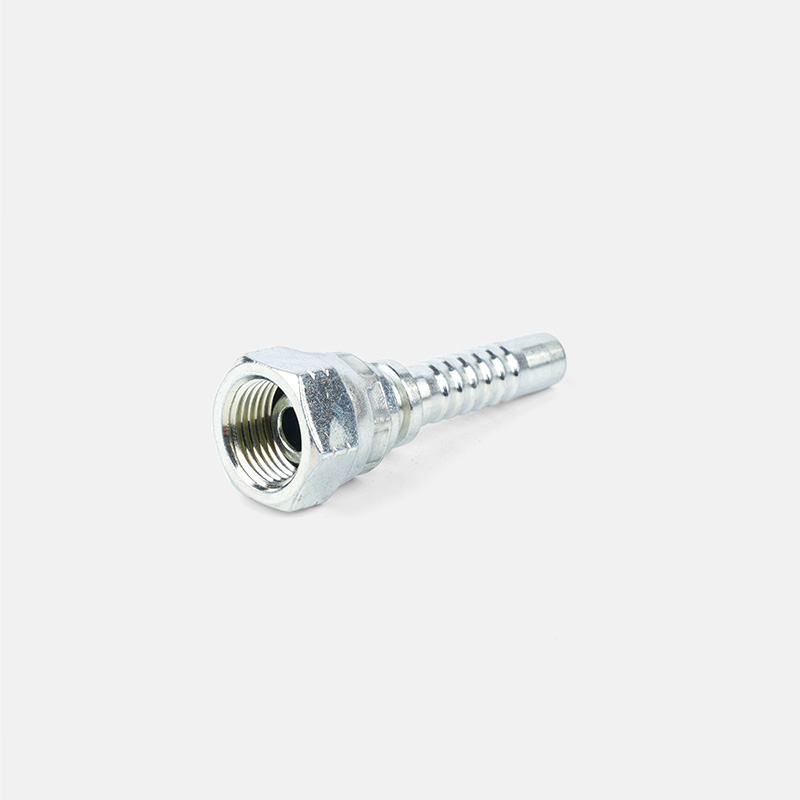
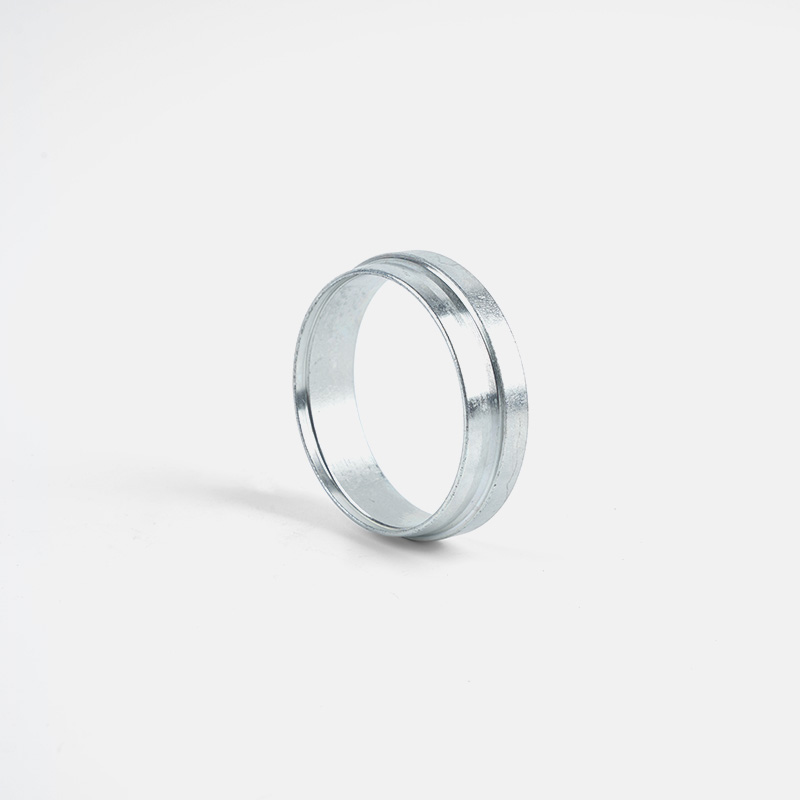 DIN 2353 Cutting Rings for 24° Tube ConnectorsSingle-use cutting rings in RL and RS series for flareless metric tube assemblies; check here for correct replacement when joints are opened.View Product →
Pre-setting is worth the extra minute, especially on S-series fittings, where the torque needed to form the bite cold can distort thin-wall tube. We keep general installation and maintenance guidance on hand if you are training a new assembly team.
The DIN 2353 Parts Ordered Most Often
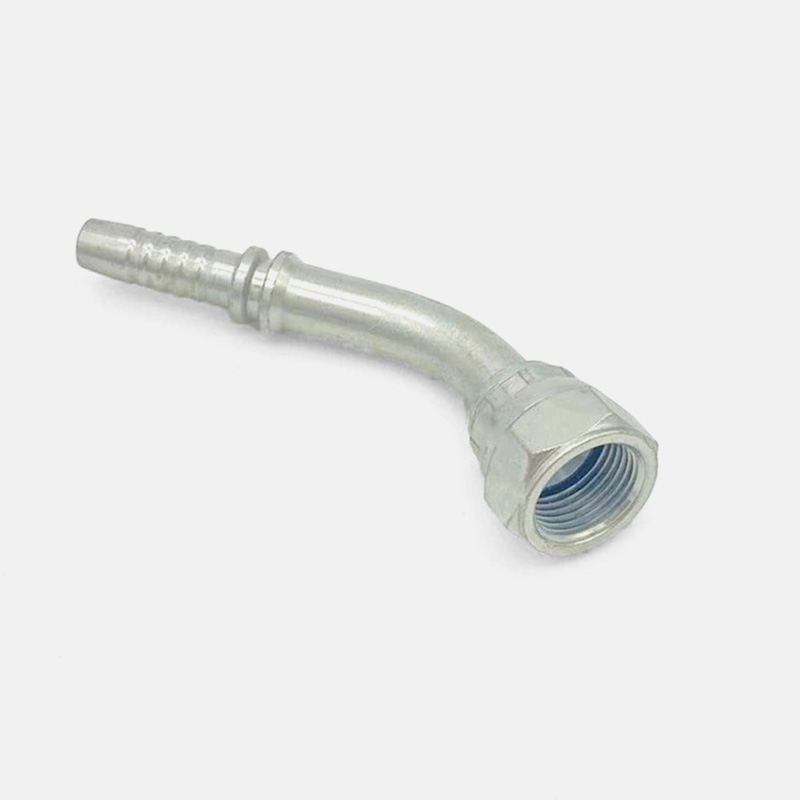
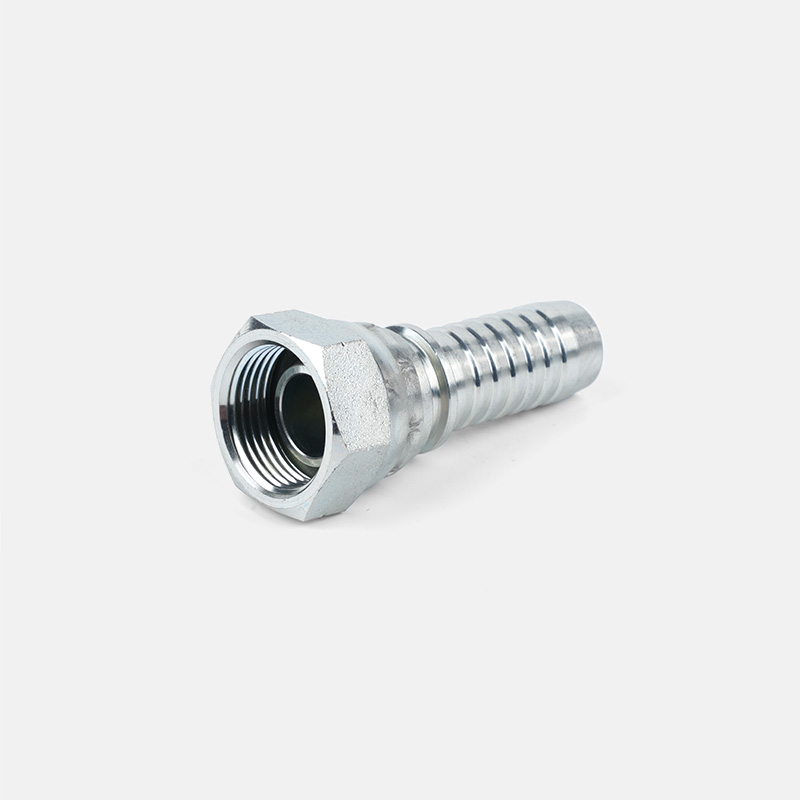
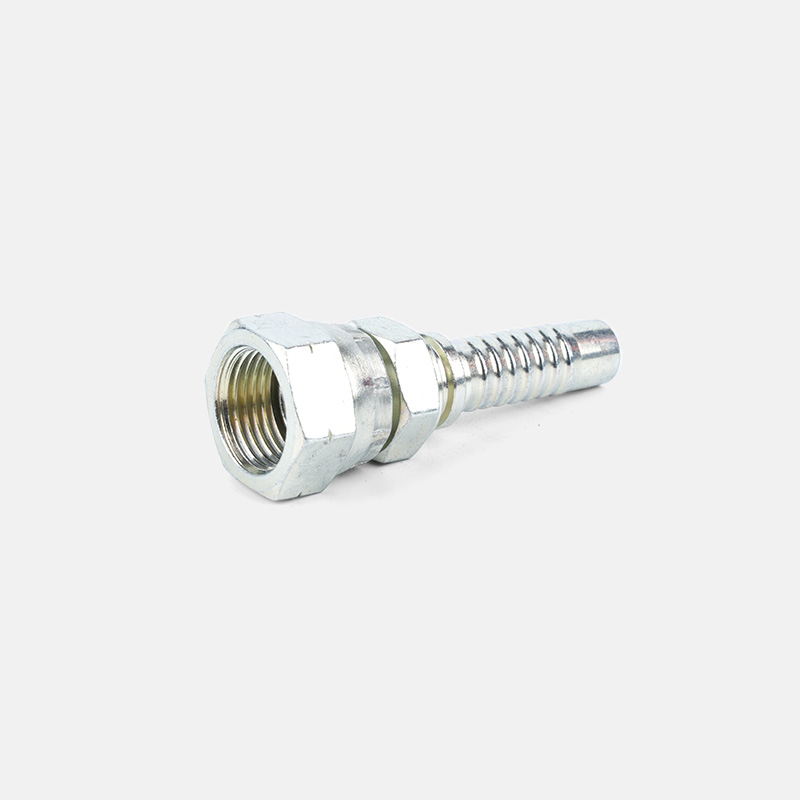
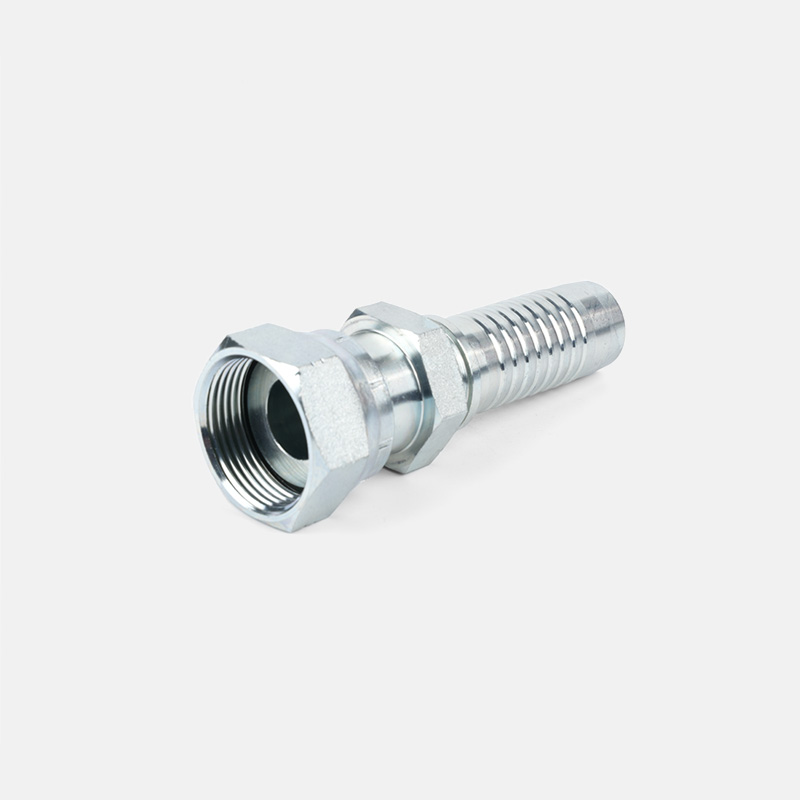
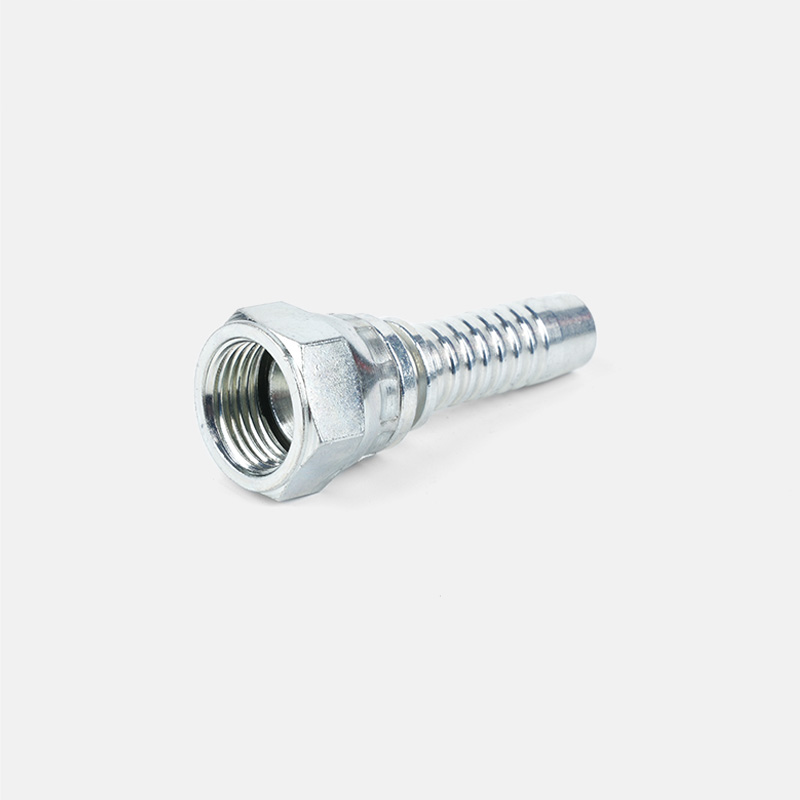
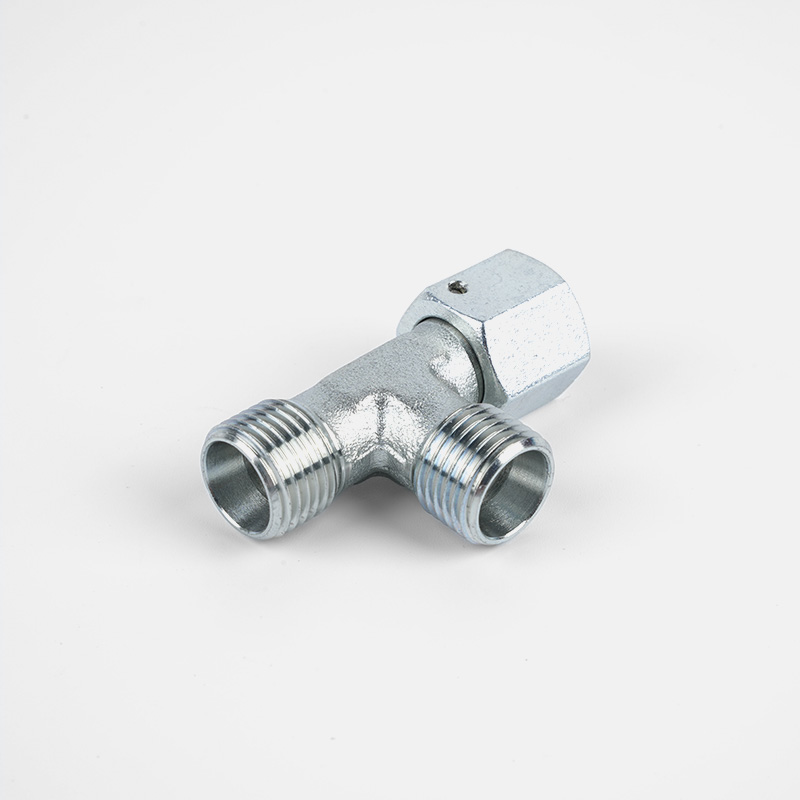
Demand across the L and S ranges is fairly predictable. Straight male studs and stud elbows make up the bulk of any order, followed by tees, bulkhead fittings for panel mounting, reducers and plugs. The same 24° cone also appears on hose ends, which is how one sealing geometry bridges rigid tube and flexible hose on the same machine.
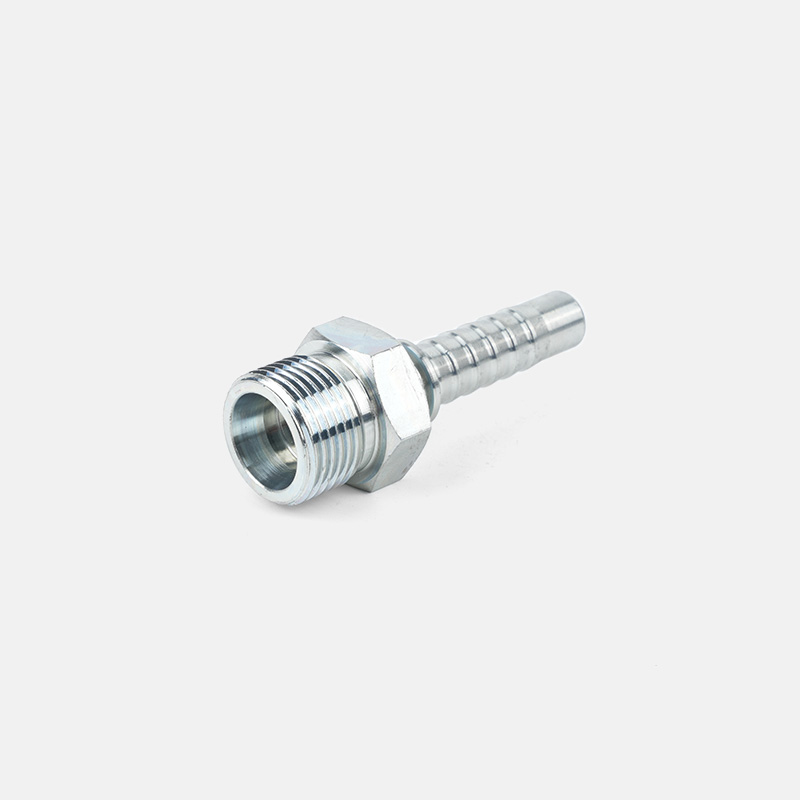
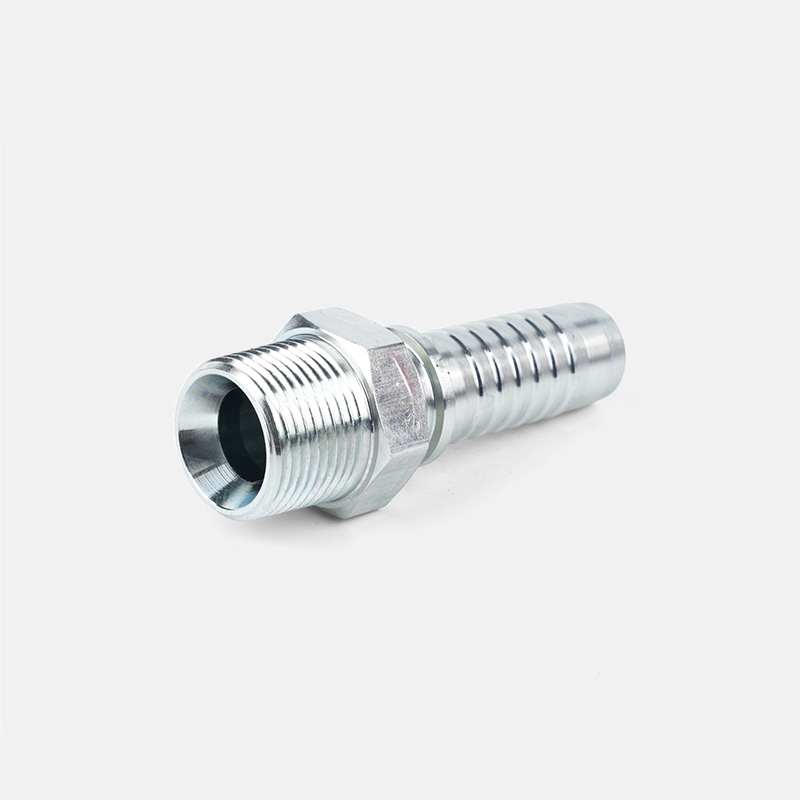
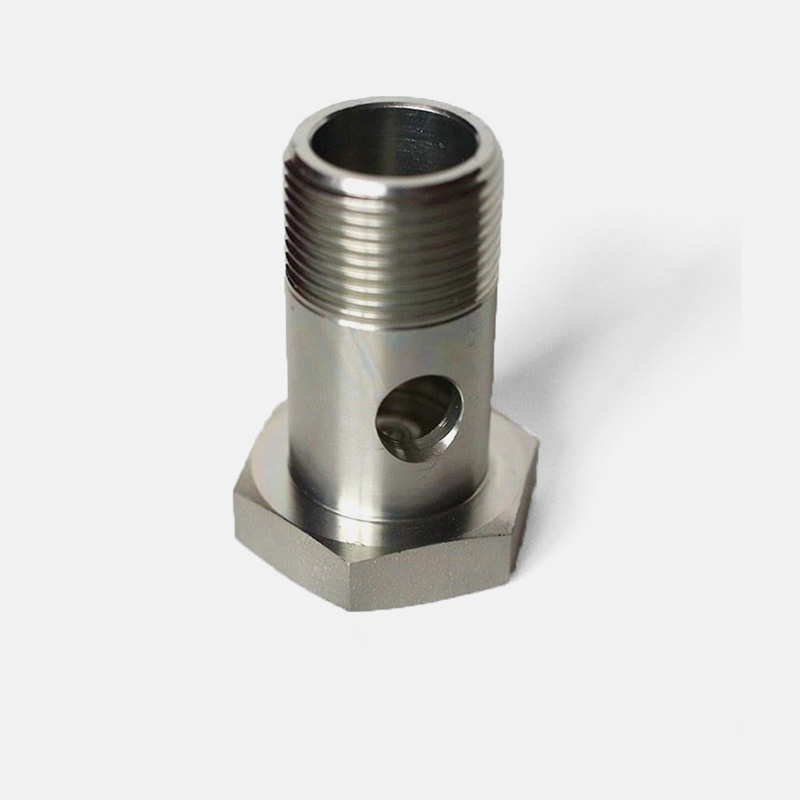
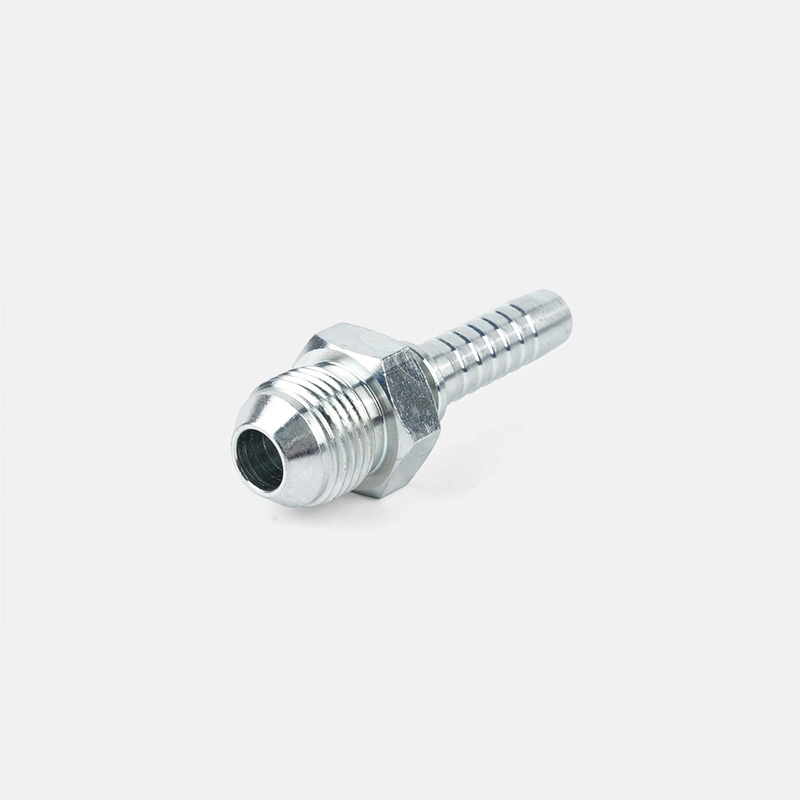
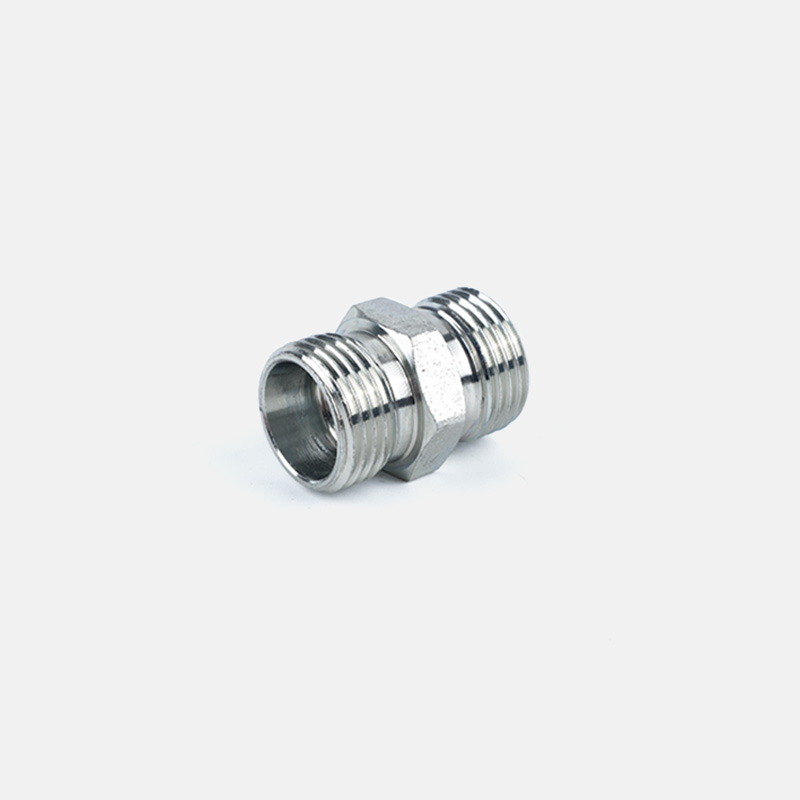 DIN Hex Nipple Adapters, 1C and 1D SeriesTIANXIANG DIN hex nipples in carbon or stainless steel; ideal for straight male stud and stud elbow orders across L and S ranges.View Product →
Nuts and rings are normally bought as matched sets with the bodies, and it pays to keep the series and tube size together in the part description so nobody has to guess at the goods-inwards stage. The 24° cone seat also carries over into hose fittings, which is why metric hose ends and tube adapters so often appear on the same order as the tube connectors themselves.
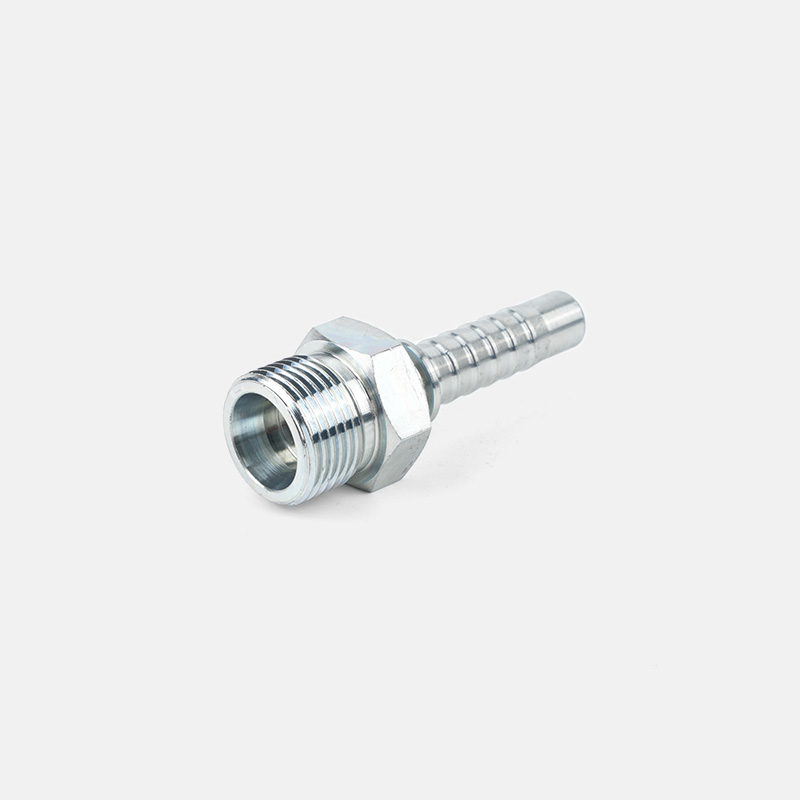 Metric Male 24° Cone Seat FittingsMetric male 24° cone seat fittings in carbon steel or stainless SS316/316L/304 for hydraulic hose and tube connections; useful when consolidating part numbers.View Product →
When you consolidate part numbers, sort the list by series first, then by tube diameter, and only then by shape. That order matches how the fittings are stored and how a picking error is most likely to be spotted.
Common Mistakes and How to Avoid Them
| Check | Why it matters | What goes wrong if ignored |
|---|---|---|
| Series matches the tube wall | LL, L and S rings and nuts are not interchangeable | The ring never bites properly and the joint weeps under pressure |
| Tube end cut square and deburred | The ring must sit concentric to the 24° seat | Off-axis sealing and a slow leak at the cone |
| Full insertion depth confirmed | The tube has to reach the cone inside the body | Restricted flow or a connection that blows out |
| Ring pre-set before final torque | The bite forms in a controlled operation | Damaged tube and a ring that cannot be reused |
| Torque taken from the data table | Over-tightening cracks nuts and splits rings | Cracked nut or a split tube end |
| Material and plating suited to the site | Moisture, salt and washdown attack bare steel | Rust and corrosion at the port within a season |
What to Include in a Quote Request
DIN 2353 enquiries move fastest when the basic data is on the page, because there is rarely a need for a back-and-forth:
- Series and tube outside diameter, for example "S 20 mm".
- Fitting shape and angle: straight, 45° elbow, 90° elbow, tee, bulkhead.
- Stud end thread and seal form, including whether DIN 3852, BSP or NPT is required.
- Material and surface treatment, plus any fluid or environment notes.
- Quantity, and whether nuts and cutting rings should be supplied as sets.
- Marking, packaging or labeling requirements for your warehouse.
DIN 2353 has lasted as long as it has because the geometry is simple and the tolerances are tight. Once the series is right and the ring is pre-set properly, the joint behaves predictably for years, which is exactly what a maintenance team wants from a connection buried behind a machine guard.
If you are matching an old part number, working from a photograph or measuring a thread you cannot identify, send it over. We have been making and exporting this family of fittings since 1999, and our hydraulic fittings range covers the 24° cone parts, adapters, flanges and ferrules that usually travel with them. Where a lighter, cheaper series will do the job, we will say so.
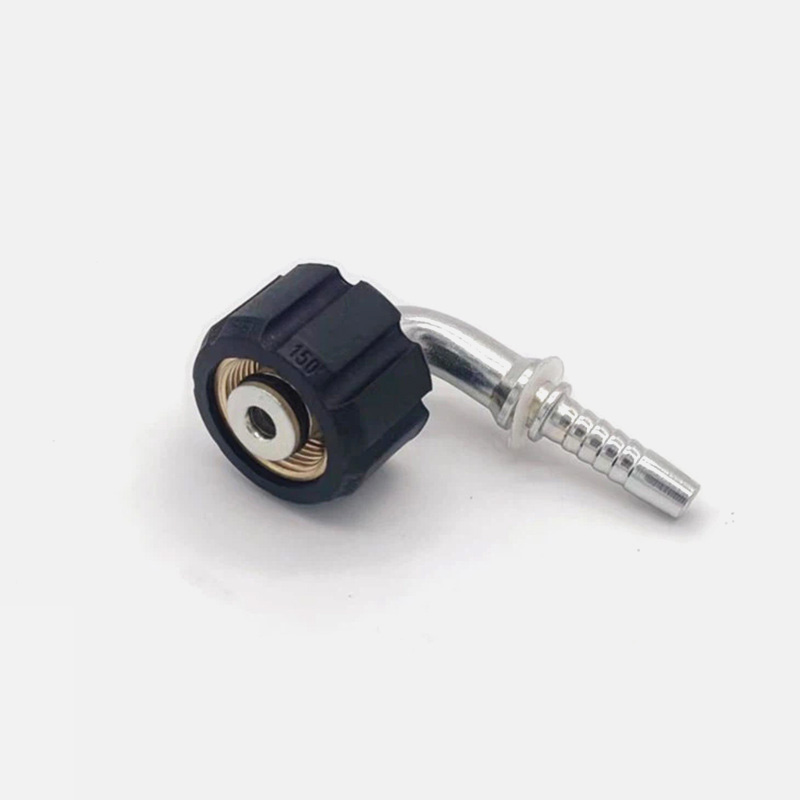

Custom hydraulic accessories
From concept to production, we can create the products you want
Products
Contact Information
-

Tel: +86-159-6851-8588
-

E-mail: [email protected]
-

Add:Zhu Jia Station Village, Diankou Town, Zhuji City , Zhejiang Province, China
