


Language
ENG
Enter Keywords...

NEW
 Home / News / industy news / Why Is a High Pressure Hydraulic Ball Valve Essential in High-Load Hydraulic Systems?
Why Is a High Pressure Hydraulic Ball Valve Essential in High-Load Hydraulic Systems?
 2025.12.15
 industy news
1. Superior Pressure Handling Capability
High-load hydraulic systems typically operate under extreme pressure conditions, often exceeding several thousand PSI. In such environments, standard valves may suffer from deformation, leakage, or even catastrophic failure. A High Pressure Hydraulic Ball Valve is specifically designed to handle these demanding pressure levels, making it an essential component in heavy-duty hydraulic applications.
These valves are manufactured using high-strength materials such as forged carbon steel, alloy steel, or stainless steel, which provide superior resistance to internal stress. The ball and valve body are precision-machined to maintain structural integrity even when exposed to continuous high pressure. This ensures that the valve does not crack, warp, or lose its sealing capability over time.
High pressure hydraulic ball valves are often tested according to strict international standards, such as API, ISO, or ANSI pressure ratings. This guarantees consistent performance in real-world applications where pressure fluctuations are common. In high-load hydraulic systems—such as hydraulic presses, offshore drilling rigs, or heavy construction equipment—pressure spikes can occur suddenly. The robust design of these valves allows them to absorb and manage such spikes safely.
Without a valve capable of handling extreme pressure, the entire hydraulic system becomes vulnerable. This is why superior pressure handling capability is one of the most critical reasons high pressure hydraulic ball valves are indispensable in high-load hydraulic systems.
2. Fast and Reliable Shut-Off Performance
In high-load hydraulic systems, response time is critical. A delayed shut-off can lead to pressure overload, fluid leakage, or damage to downstream components. High pressure hydraulic ball valves are widely valued for their fast and reliable shut-off performance, which is essential for maintaining system safety and operational control.
The quarter-turn operation mechanism of a ball valve allows it to move from fully open to fully closed with minimal rotation. This rapid response is particularly important in emergency situations where immediate isolation of hydraulic flow is required. Compared to other valve types, ball valves offer significantly faster actuation, reducing the risk of system failure during sudden pressure surges.
Reliability is another key advantage. High pressure hydraulic ball valves are designed with fewer internal moving parts, which reduces mechanical wear and the likelihood of malfunction. Whether manually operated or automated with hydraulic or pneumatic actuators, these valves provide consistent and repeatable shut-off performance.
In high-load systems that operate continuously or under cyclic pressure conditions, dependable shut-off capability helps prevent internal erosion and prolongs system lifespan. As a result, fast and reliable shut-off performance makes high pressure hydraulic ball valves a preferred choice for engineers and system designers working with demanding hydraulic environments.
3. Excellent Sealing Performance Under Extreme Conditions
One of the most critical requirements in any high-load hydraulic system is leak prevention. Even minor leakage under high pressure can result in significant energy loss, contamination, or safety hazards. High pressure hydraulic ball valves are engineered to deliver excellent sealing performance, even under extreme pressure and temperature conditions.
The sealing system typically consists of high-performance materials such as PTFE, reinforced polymers, metal-to-metal seals, or elastomers designed for high pressure resistance. These materials are carefully selected based on operating temperature, fluid compatibility, and pressure requirements. The precision-fit ball and seat design ensures tight contact, minimizing the risk of internal or external leakage.
Another important factor is the valve’s ability to maintain sealing integrity during pressure fluctuations. High-load hydraulic systems often experience frequent changes in load and flow rate. High pressure hydraulic ball valves are designed to adapt to these changes without compromising their sealing function.
Effective sealing not only improves system efficiency but also protects surrounding components from hydraulic fluid exposure. In industries such as oil and gas, mining, and heavy manufacturing, this level of sealing reliability is essential for both operational efficiency and environmental compliance.
Comparison of Valve Types in High-Load Hydraulic Systems
| Valve Type | Pressure Resistance | Sealing Performance | Response Speed | Maintenance Requirement |
|---|---|---|---|---|
| High Pressure Hydraulic Ball Valve | Excellent | Very High | Fast | Low |
| Gate Valve | High | Moderate | Slow | Medium |
| Globe Valve | Moderate | High | Medium | High |
| Needle Valve | High | Very High | Slow | High |
4. High Flow Capacity and Low Pressure Drop
High-load hydraulic systems often require large volumes of fluid to move quickly and efficiently. A high pressure hydraulic ball valve offers high flow capacity with minimal pressure drop, which is a significant advantage in demanding applications.
The straight-through flow path of a ball valve allows hydraulic fluid to pass with minimal obstruction. This design reduces turbulence and energy loss, ensuring that the system operates efficiently even under heavy load conditions. Compared to more restrictive valve designs, ball valves help maintain consistent flow rates while minimizing pressure reduction across the valve.
Low pressure drop is especially important in high-load systems because excessive pressure loss can lead to increased pump workload, higher energy consumption, and elevated operating temperatures. By optimizing flow efficiency, high pressure hydraulic ball valves contribute to overall system stability and reduced operational costs.
In applications such as hydraulic presses, marine systems, and industrial automation, maintaining flow efficiency is essential for precision and repeatability. The combination of high flow capacity and low pressure drop makes high pressure hydraulic ball valves an ideal solution for systems where performance and efficiency are critical.
5. Enhanced System Safety and Operational Reliability
Safety is a top priority in any high-load hydraulic system. High pressure hydraulic ball valves play a vital role in enhancing system safety and operational reliability by preventing uncontrolled fluid release and maintaining pressure integrity.
A well-designed ball valve provides a positive shut-off, ensuring that hydraulic pressure can be safely isolated during maintenance or emergency situations. This reduces the risk of injury to operators and damage to equipment. Many high pressure hydraulic ball valves also support locking mechanisms or position indicators, further improving safety control.
Operational reliability is equally important. High-load systems often run continuously under harsh conditions. The durable construction and robust sealing of high pressure hydraulic ball valves ensure consistent performance over extended service life. This reliability reduces the likelihood of unexpected downtime and costly repairs.
By maintaining stable pressure and flow control, these valves contribute to predictable system behavior, which is essential for critical applications such as aerospace hydraulics, offshore platforms, and heavy industrial machinery.
6. Durability in Harsh and Demanding Environments
High-load hydraulic systems are frequently exposed to harsh operating conditions, including extreme temperatures, corrosive fluids, vibration, and mechanical shock. High pressure hydraulic ball valves are designed to deliver exceptional durability in such environments.
The use of corrosion-resistant materials and protective surface treatments allows these valves to withstand aggressive media and environmental exposure. Additionally, their compact and robust design minimizes the risk of damage from external forces or vibration.
Durability directly impacts long-term system performance. A valve that fails prematurely can compromise the entire hydraulic system. High pressure hydraulic ball valves are built to meet demanding industrial standards, ensuring reliable operation even in the most challenging conditions.
This durability makes them suitable for industries such as mining, marine engineering, oil and gas, and heavy manufacturing, where equipment must perform reliably despite constant stress.
7. Reduced Maintenance Costs and System Downtime
Maintenance efficiency is a critical consideration in high-load hydraulic systems. High pressure hydraulic ball valves are known for their low maintenance requirements, which help reduce system downtime and overall operating costs.
The simple internal structure of a ball valve means fewer components are subject to wear. This reduces the frequency of inspections and replacements compared to more complex valve types. When maintenance is required, ball valves are generally easier to service, saving time and labor.
Reduced downtime is particularly valuable in industrial environments where system interruptions can lead to significant financial losses. By choosing high pressure hydraulic ball valves, operators can achieve higher system availability and long-term cost savings.
Over the lifespan of a hydraulic system, the reliability and ease of maintenance provided by these valves result in a strong return on investment.
Frequently Asked Questions (FAQ)
Q1: What pressure range qualifies as “high pressure” for hydraulic ball valves?
High pressure typically refers to operating pressures above 3,000 PSI, though some applications exceed 10,000 PSI.
Q2: Can high pressure hydraulic ball valves be automated?
Yes, they can be equipped with hydraulic, pneumatic, or electric actuators for automated control.
Q3: Are these valves suitable for corrosive hydraulic fluids?
Yes, when manufactured with appropriate materials such as stainless steel and compatible seals.
Q4: How long is the service life of a high pressure hydraulic ball valve?
With proper selection and maintenance, service life can exceed several years even under heavy load conditions.
References
- ISO 5208 – Industrial valves: Pressure testing
- API 6D – Specification for Pipeline Valves
- Hydraulic Systems Design Handbook, Elsevier
- Industrial Valve Technology Guide, McGraw-Hill
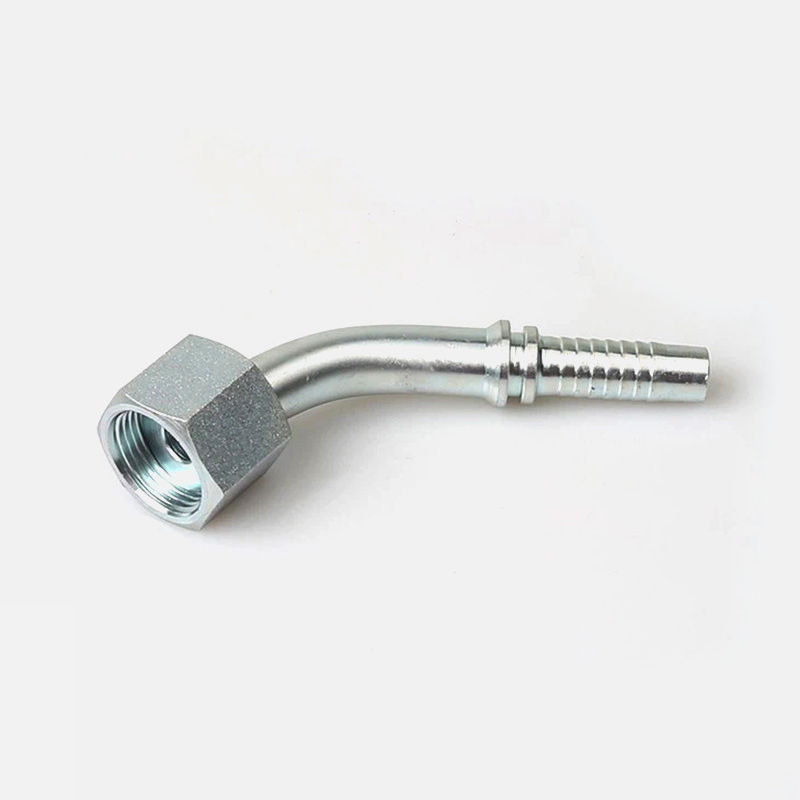
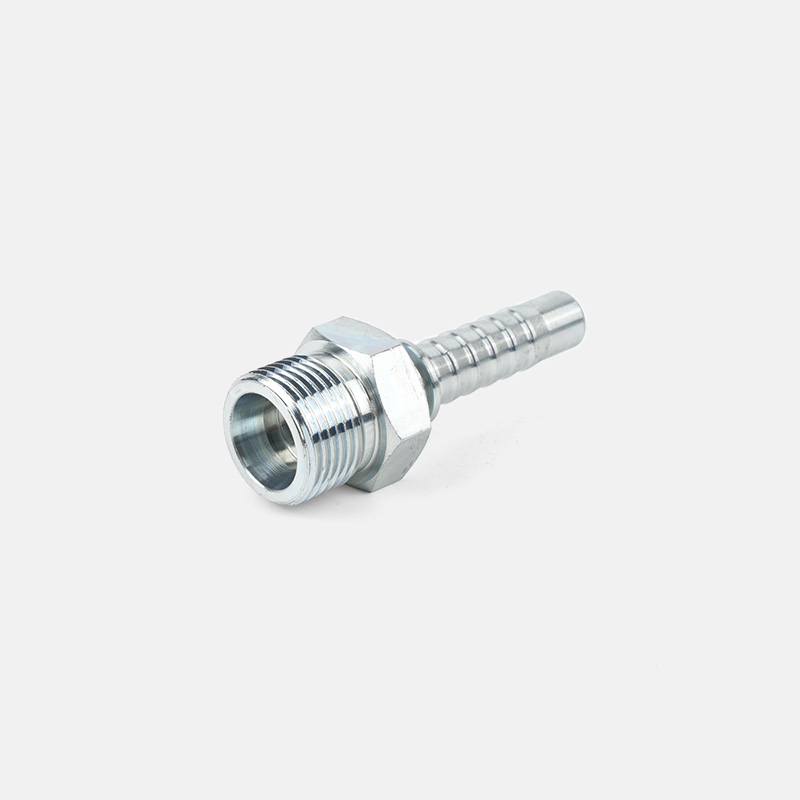
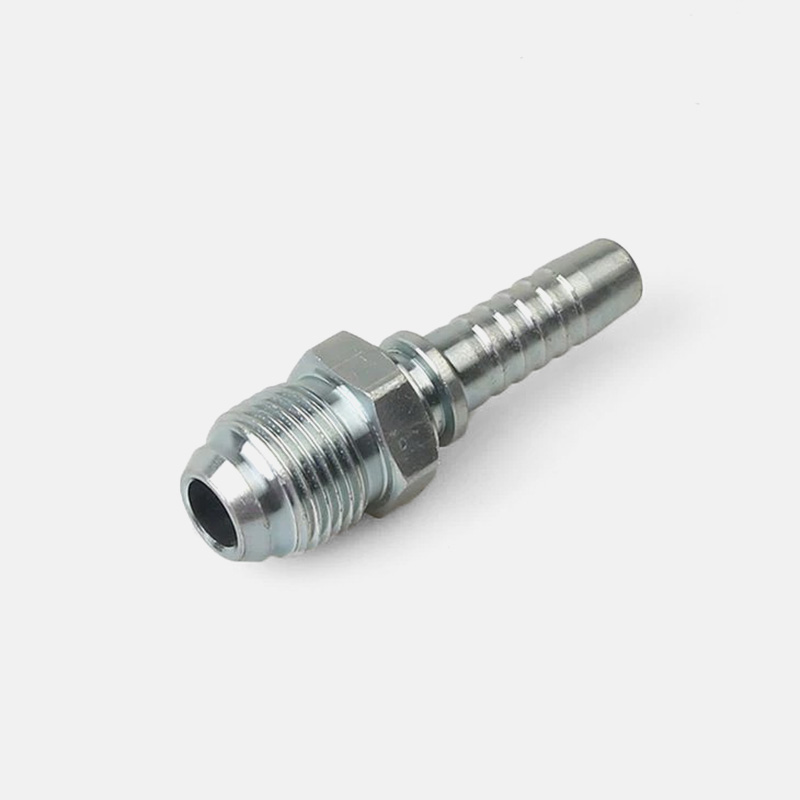
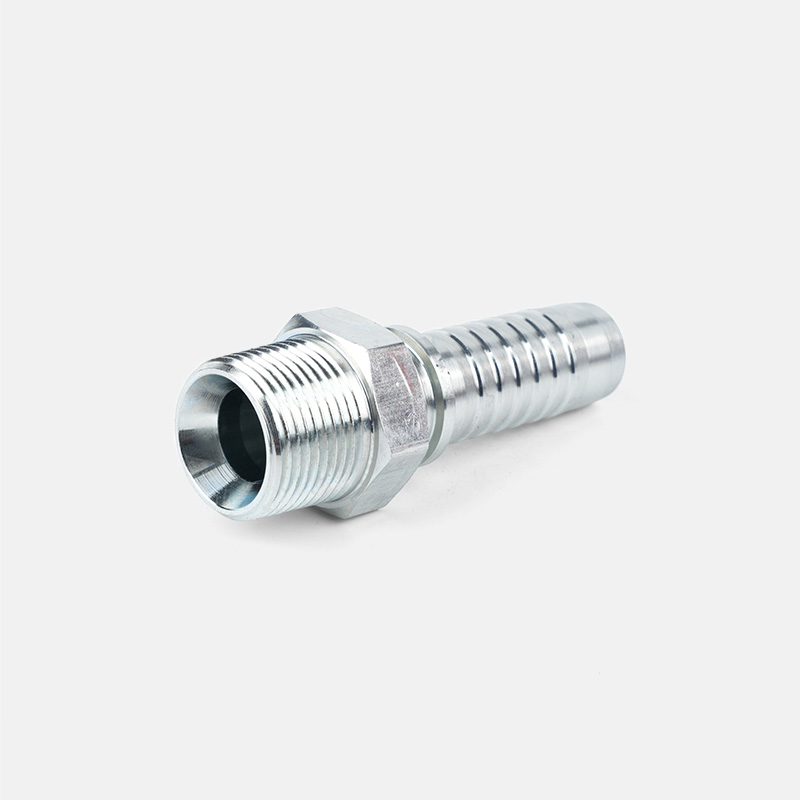
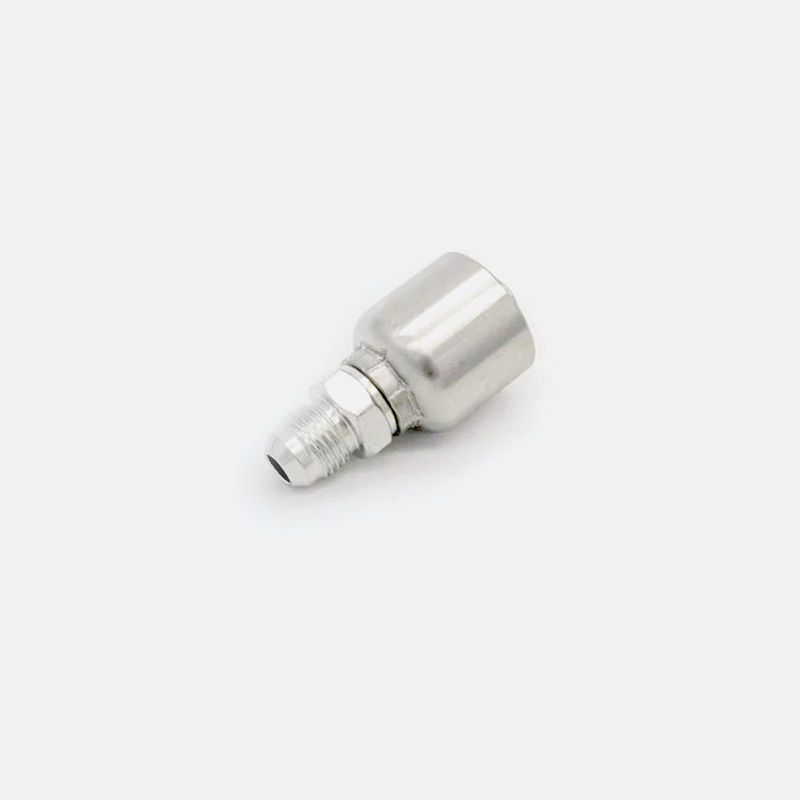
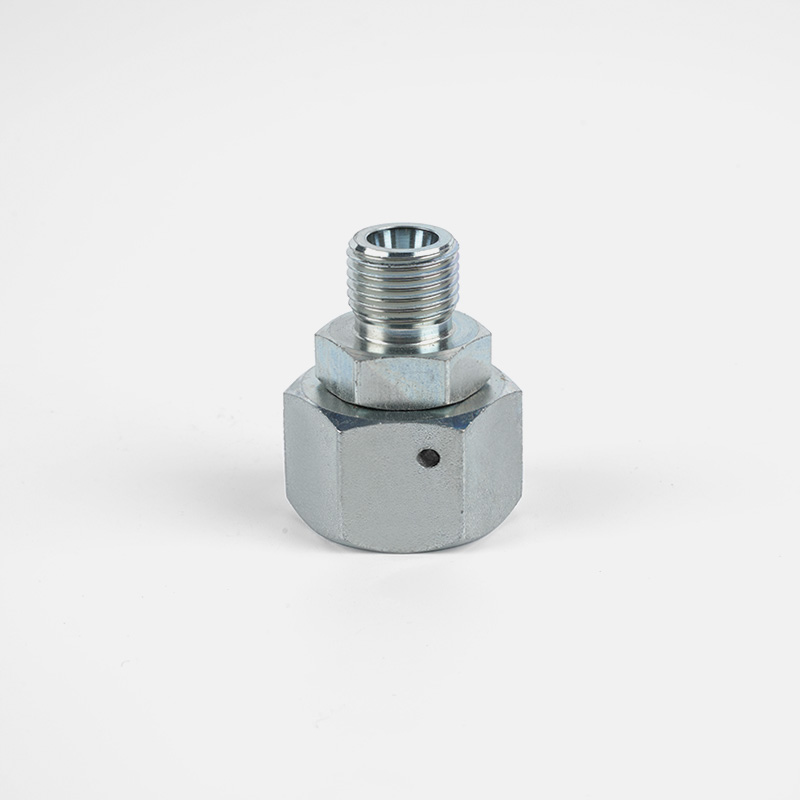
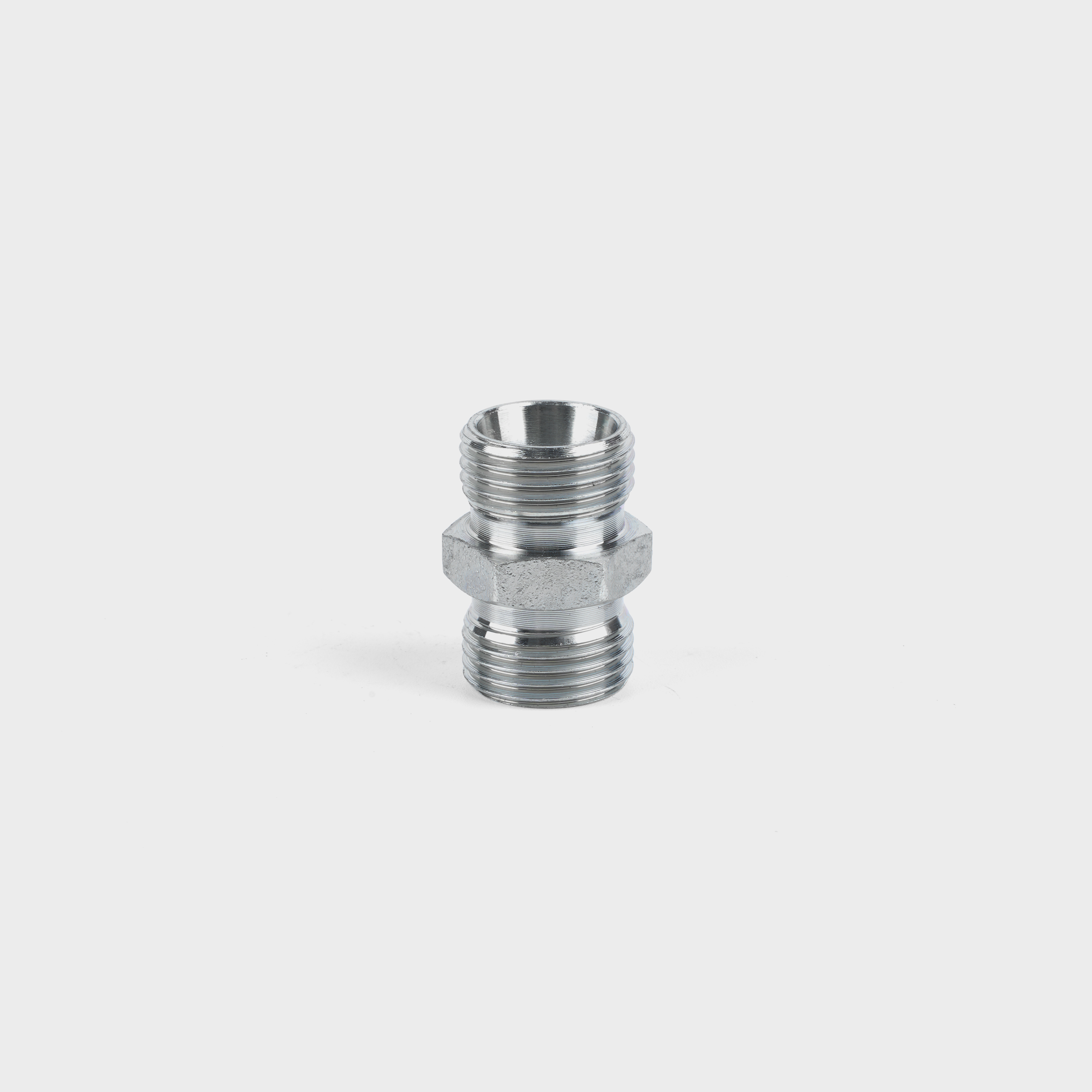
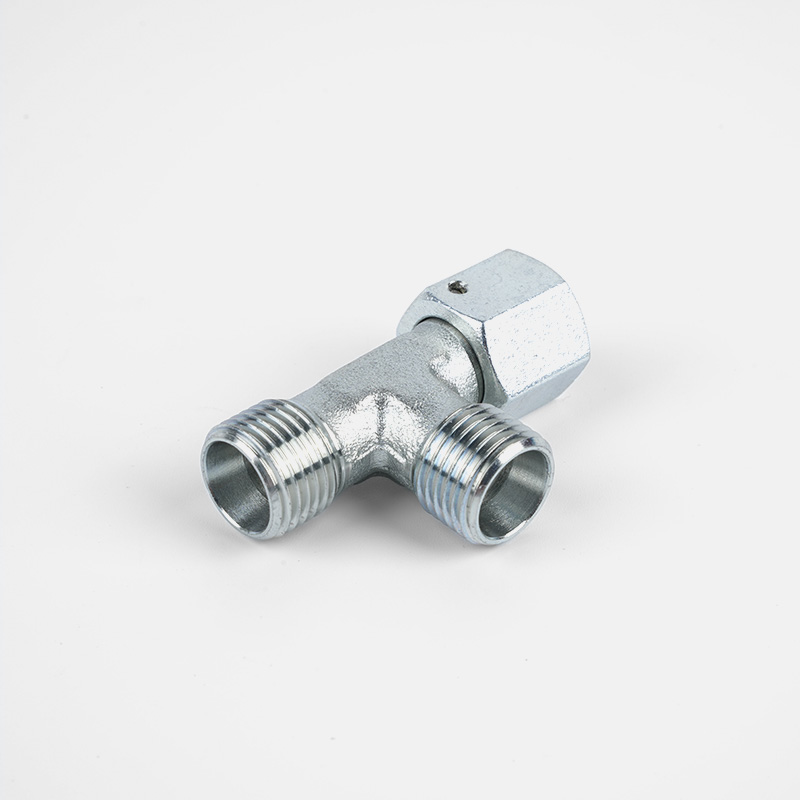

Custom hydraulic accessories
From concept to production, we can create the products you want
Products
Contact Information
-

Tel: +86-159-6851-8588
-

E-mail: [email protected]
-

Add:Zhu Jia Station Village, Diankou Town, Zhuji City , Zhejiang Province, China
