


Language
ENG
Enter Keywords...

NEW
 Home / News / industy news / Double Ferrule Fittings: How Twin Ferrules Seal and Endure in Tube Lines
Double Ferrule Fittings: How Twin Ferrules Seal and Endure in Tube Lines
 2026.11.23
 industy news
Double ferrule fittings are mechanical tube connections built around two separate ferrules — a front one and a back one — that grip and seal a tube inside a fitting body. Nothing is welded, brazed or crimped; the joint is made simply by tightening a nut. That simple idea is why twin ferrule fittings became the default choice for instrumentation, analyser, sampling and hydraulic pilot lines, where vibration, pressure cycling and temperature swings punish weaker connections.
If you specify, install or replace this kind of tube fitting, the practical questions are always the same: how do the two ferrules divide the work, which materials and pressure ratings suit the fluid, how far should the nut be turned, and when is a single ferrule the smarter option? This guide answers those questions from a manufacturer's point of view, and links them back to the hydraulic fittings, adapters and ferrules we produce every day.
What Exactly Are Double Ferrule Fittings?
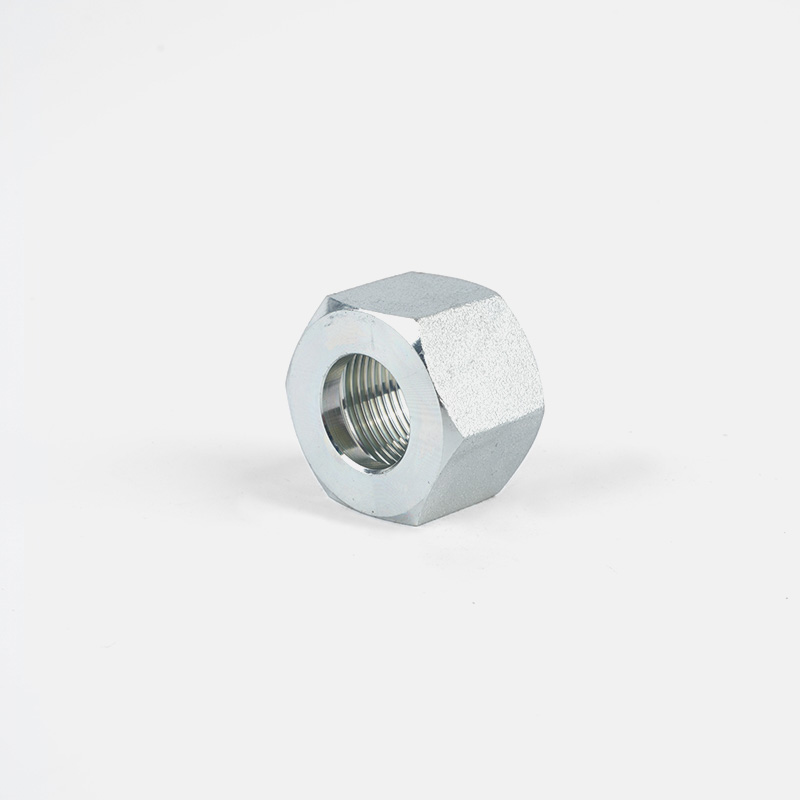
A double ferrule fitting — also written twin ferrule or two-ferrule fitting — consists of four parts: the body, the nut, the front ferrule and the back ferrule. The body carries a machined cone, the nut provides the tightening force, and the two ferrules sit between them and deform in sequence as the nut advances.
Sizes normally start at 1/16 in (1.6 mm) tube OD and run to 2 in (50 mm), with metric equivalents from 2 mm to 50 mm. Fractional sizes follow imperial tube dimensions, metric sizes follow ISO tube dimensions, and the two are not interchangeable — a 6 mm tube will not seal correctly in a 1/4 in fitting, even though the numbers look close.
Because the ferrules are separate parts, the joint can be opened, inspected and re-made without cutting the tube. That serviceability is a large part of the design's popularity: calibration lines, analyser racks and test benches are opened far more often than process piping.
How the Front and Back Ferrule Share the Load
As the nut is turned, the back ferrule moves first. Its rear edge hinges inward and contracts onto the tube, gripping it firmly; its front edge then pushes the front ferrule forward into the body cone. The front ferrule is swaged inward during that travel, biting lightly into the tube surface and forming a metal-to-metal seal against the cone.
The two parts therefore carry two different duties:
- Sealing — the front ferrule closes the pressure path at the body cone and along the tube.
- Holding — the back ferrule provides the mechanical grip that resists vibration, pull-out and thermal movement.
Because the seal and the grip are handled separately, neither has to be over-tightened to compensate for the other. The practical benefits are better fatigue resistance under vibration, steadier behaviour when pressure pulses, and the ability to re-make the joint several times on the same tube, provided the ferrules were not over-swaged during the first installation.
Double Ferrule vs Single Ferrule: What Changes in Practice
Single ferrule fittings use one ferrule to do both jobs — it seals against the body and grips the tube in a single action. They are simpler, cheaper and quicker to install, which is why they remain common on general hydraulic and utility lines. The difference only becomes decisive in tougher service.
| Feature | Single ferrule | Double ferrule |
|---|---|---|
| Sealing and gripping | One ferrule does both | Front ferrule seals, back ferrule grips |
| Vibration and pressure cycling | Adequate in moderate service | Two contact points resist fatigue better |
| Remakes on the same tube | Limited | Generally several remakes possible |
| Component count and cost | Fewer parts, lower cost | More parts, higher cost |
| Installation tolerance | More forgiving | Needs the correct turn count and a gap check |
| Typical applications | Utility and general hydraulic lines | Instrumentation, analyser and high-vibration lines |
Materials, Pressure Ratings and Standards Worth Checking
Most double ferrule fittings are machined from 316 or 316L stainless steel. Brass, carbon steel, alloy 400, alloy 625, 6Mo and titanium versions exist for specific fluids, temperatures and corrosion duties, and stainless nuts are often silver-plated or coated to limit galling when a joint is opened repeatedly.
Pressure capability depends on size, wall thickness and material rather than on the ferrule alone. Small stainless fittings routinely handle 3,000 to 6,000 psi, while larger sizes are derated; confirm the rating for your exact combination instead of assuming a single figure. Before approving a supplier, check that fitting and tube materials meet the piping code for the installation, that tubing is supplied to a specification such as ASTM A269 or A213 with a hardness below the ferrule (usually 90 HRB maximum for stainless), that sour service is covered by NACE MR0175 / ISO 15156 compliant material, and that material certificates and heat-lot traceability travel with the shipment.
Where Double Ferrule Fittings Earn Their Keep
You will find this design wherever a small-bore line has to stay tight for years:
- Instrumentation and control tubing on process plants
- Analyser, sampling and metering systems
- Oil and gas wellhead, gathering and metering skids
- Chemical, petrochemical and pharmaceutical process lines
- Hydrogen, nitrogen and specialty gas panels
- Power generation, steam sampling and turbine controls
- Hydraulic pilot lines, test benches and mobile equipment controls
In most of these cases the fluid is expensive, hazardous or both, so the cost of a leak is far higher than the price difference between a good fitting and a cheap one.
Installation Habits That Decide Whether It Leaks
Most reported leaks trace back to installation rather than to the fitting itself. The sequence that works:
- Cut the tube square with a proper tube cutter, then deburr inside and outside; a burr or an angled cut stops the ferrules from seating evenly.
- Check the tube OD for scratches or ovality, because damaged tube cannot be sealed reliably.
- Insert the tube fully into the body until it bottoms against the shoulder.
- Finger-tighten the nut, then apply the manufacturer's specified number of turns; over-tightening swages the ferrules too far and ruins the joint.
- Where a gap gauge is supplied, use it to confirm the nut has been pulled up the correct amount.
- Support the tubing with clamps so the fitting does not carry vibration or weight.
- Never mix ferrules, nuts and bodies from different manufacturers, because the geometry is not interchangeable.
The same discipline applies further downstream. If your circuit also includes flexible hose, our notes on how to properly install and maintain hydraulic hose fittings cover the hose side of the system.
Tube Ferrules and Hose Ferrules Are Not the Same Thing
The word "ferrule" does two different jobs in fluid power. In a tube fitting, a ferrule is a machined ring that bites into metal tubing and creates the seal. In a hose assembly, a ferrule — often called a sleeve — is the crimped shell that locks the hose onto its insert. Same name, different component, different installation method, and no interchangeability between them.
Tube-side hardware also comes in single-piece bite designs. European DIN 2353-style connections, for example, use a cutting ring that bites into the tube as the nut is tightened, together with a retaining nut. It is a different concept from a twin ferrule joint, but it serves many of the same medium-pressure tube applications.
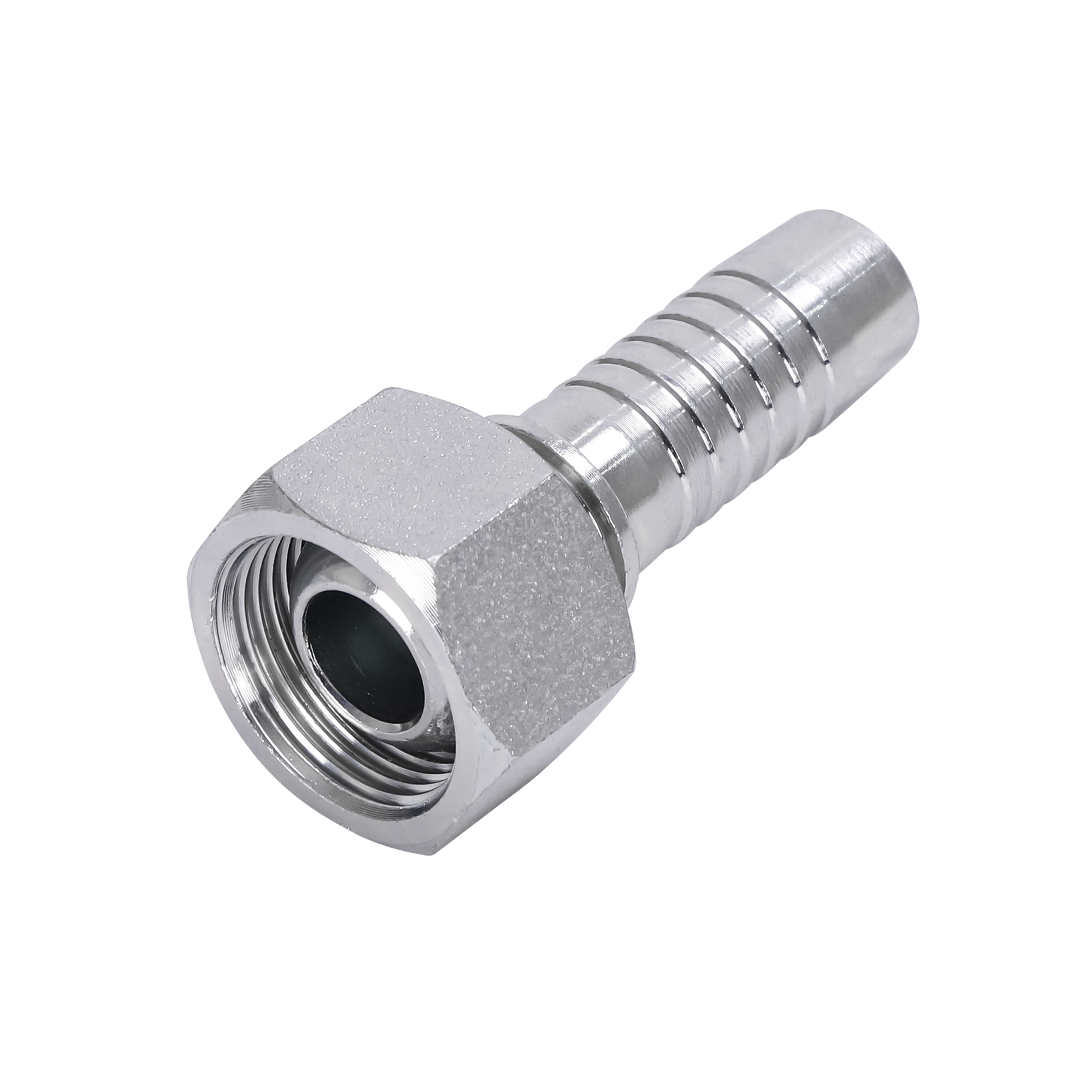
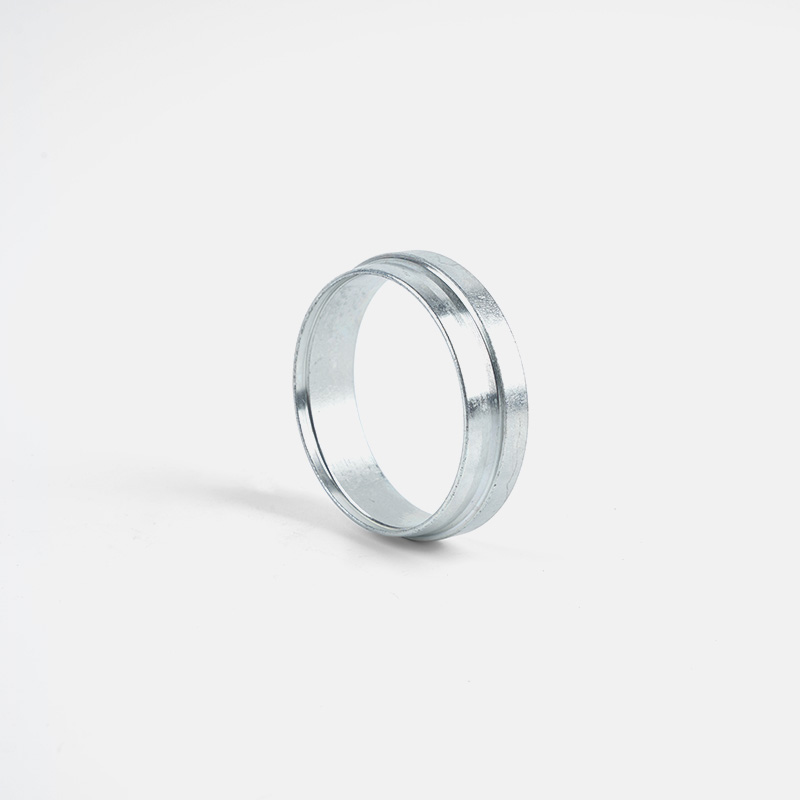 Cutting Ring RL/RS Series for Metric Tube ConnectionsFlareless DIN 2353-style cutting ring components for metric tube OD sizes, shown here as the tube-side bite connection before hose ferrule selection.View Product →
Choosing Ferrules for Hose Assemblies
On the hose side, ferrule selection follows the hose construction, not the thread. A two-wire braid hose needs a different sleeve from a four- or six-spiral hose, and skive versus no-skive designs change the preparation step at the crimper. Matching the ferrule to the hose standard and to the crimping die set is what keeps an assembly from weeping at the crimp collar.
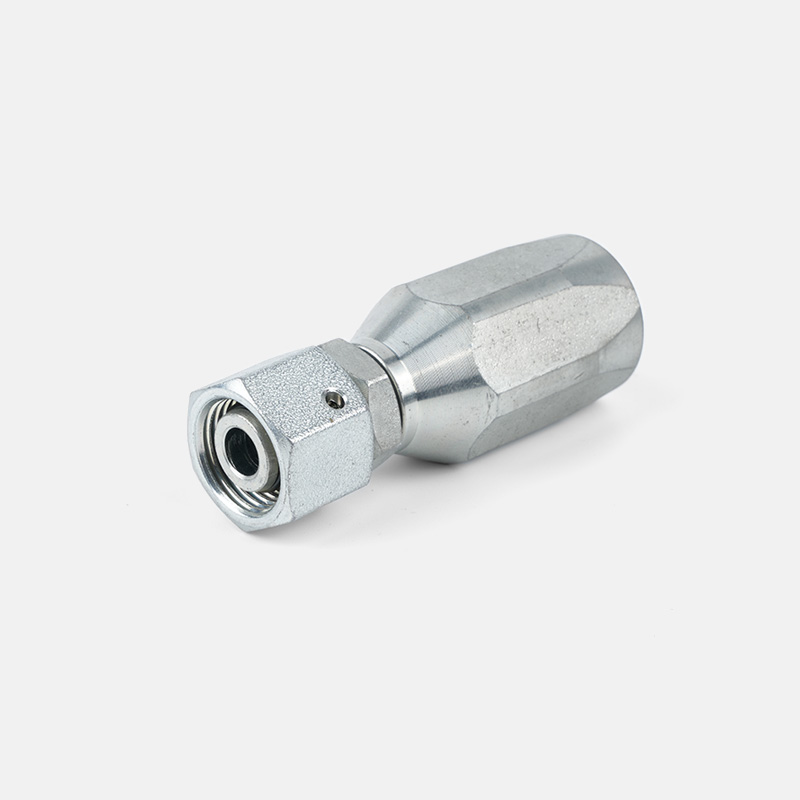
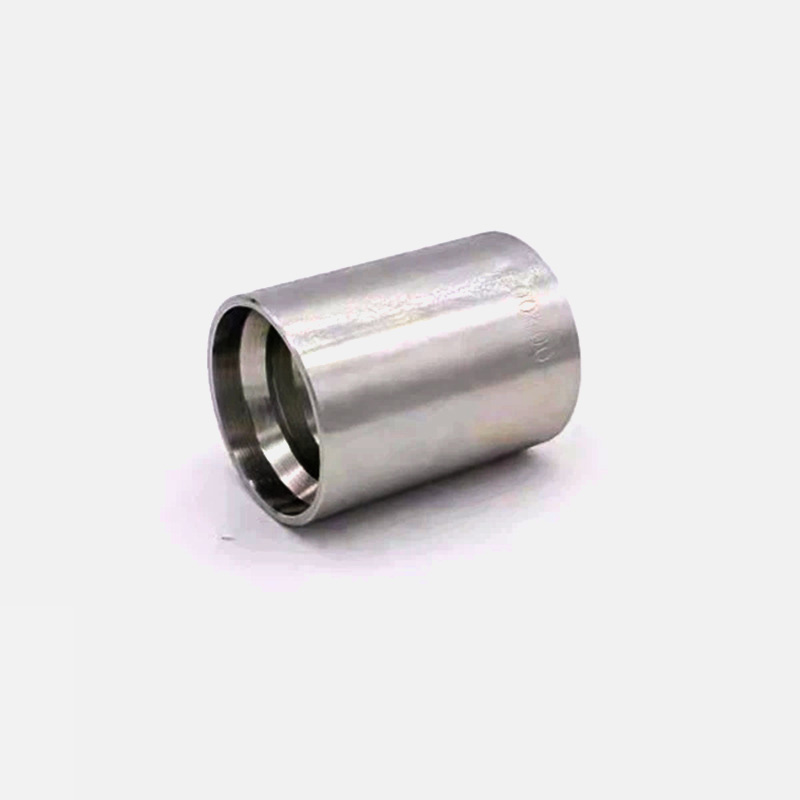 4SP/4SH Hydraulic Hose Ferrule 00400 SeriesCrimp-style ferrule for 4SP, 4SH and R12 hose assemblies, matched to hose construction and crimping setup to help secure a leak-free connection.View Product →
We supply ferrules for common hose families including 4SP/4SH spiral hose, R13/R15 interlock hose, and SAE 100R1AT/100R2AT no-skive braided hose, so an assembly shop can source the sleeve and the fitting from one place.
Sourcing Double Ferrule Fittings and Related Tube Hardware
Zhuji City Jiangru Import and Export Co., Ltd. is the global trading arm of Zhejiang Tianxiang Machine Fittings Co., Ltd., a hydraulic fitting manufacturer established in 1999. Our production focuses on hydraulic connection hardware: hose fittings, adapters, SAE flanges, banjo fittings, quick couplings, pipe clamps and ferrules.
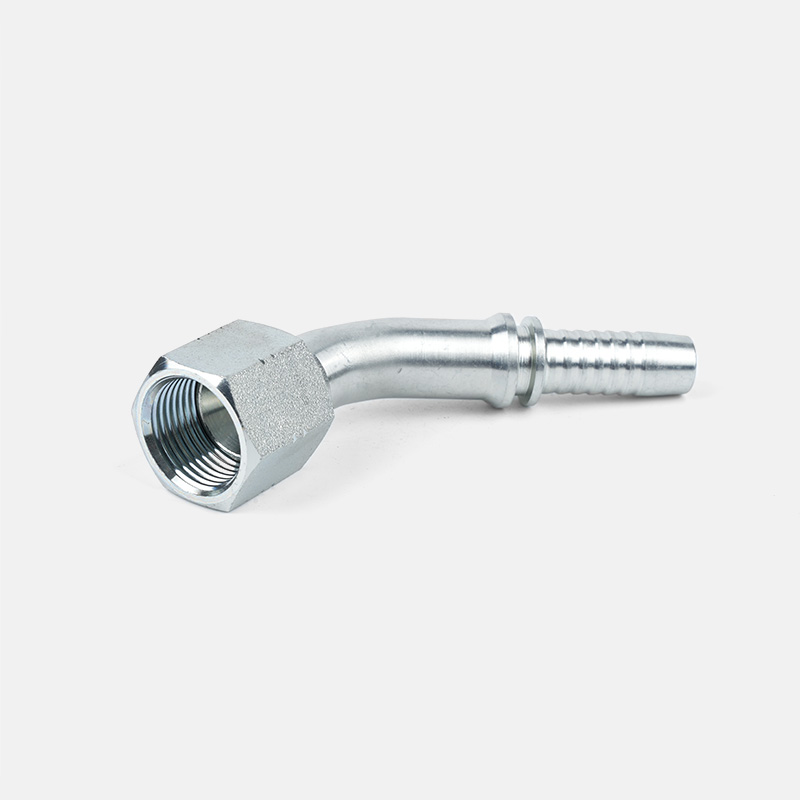
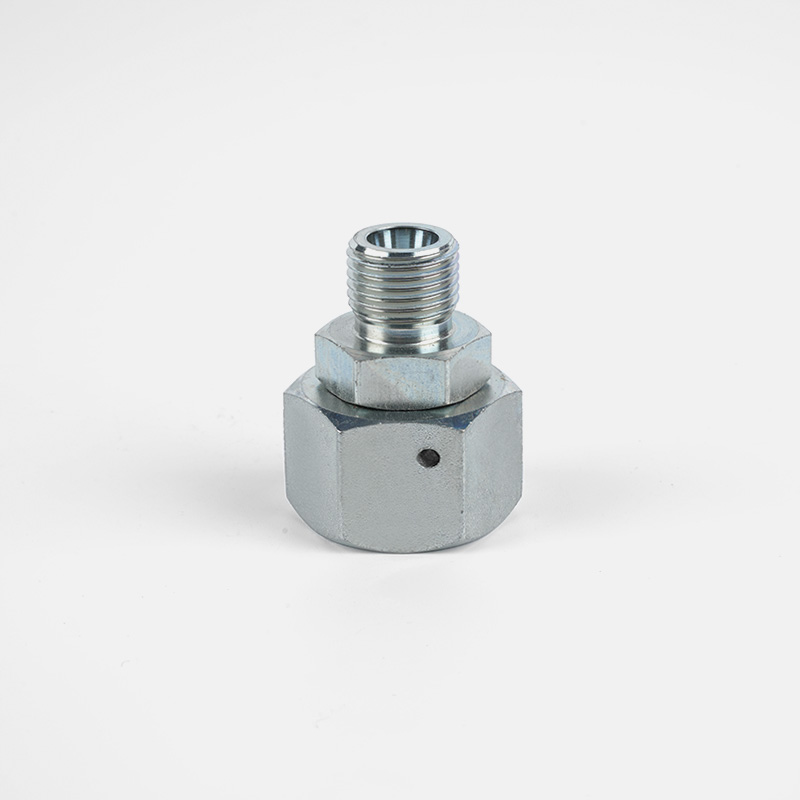
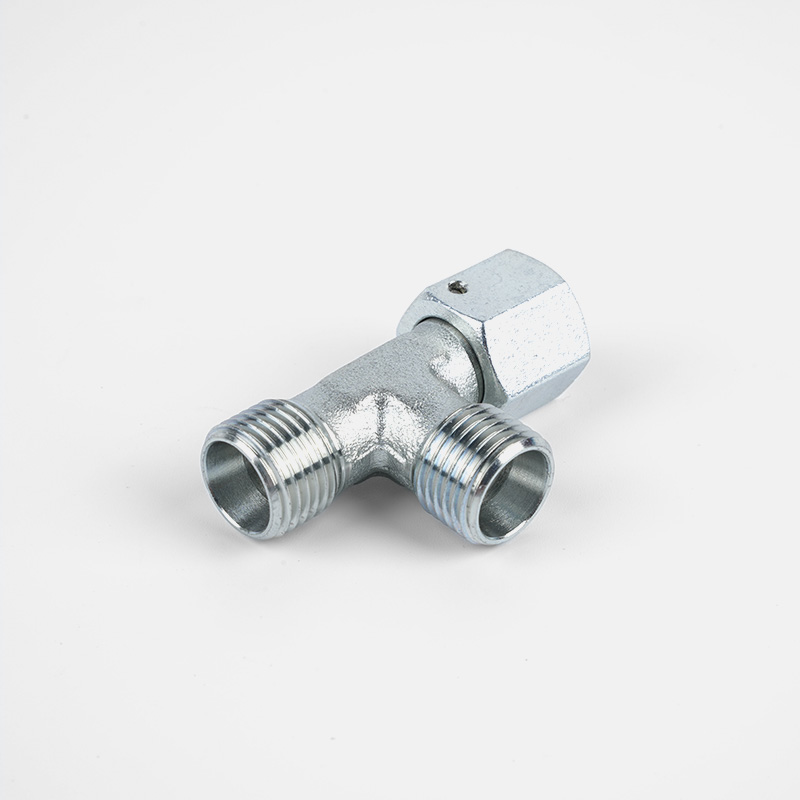
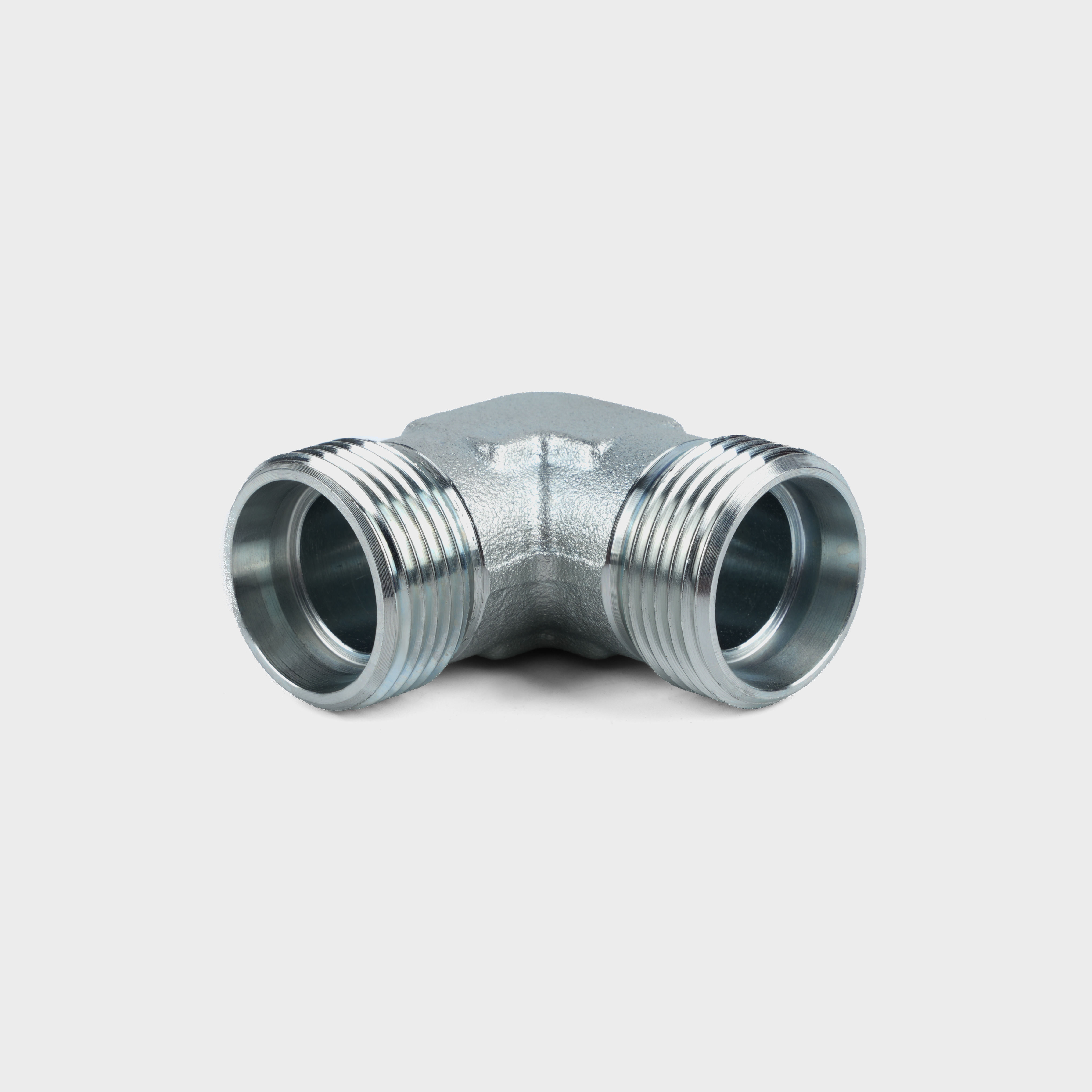
On the tube side, our 24° tube connector range covers straight adapters, elbows, tees, bulkhead fittings, lock nuts and cutting rings, with metric, BSP and NPT thread ends. If you are building or repairing a system that mixes tube and hose connections, this is usually where the two families meet.
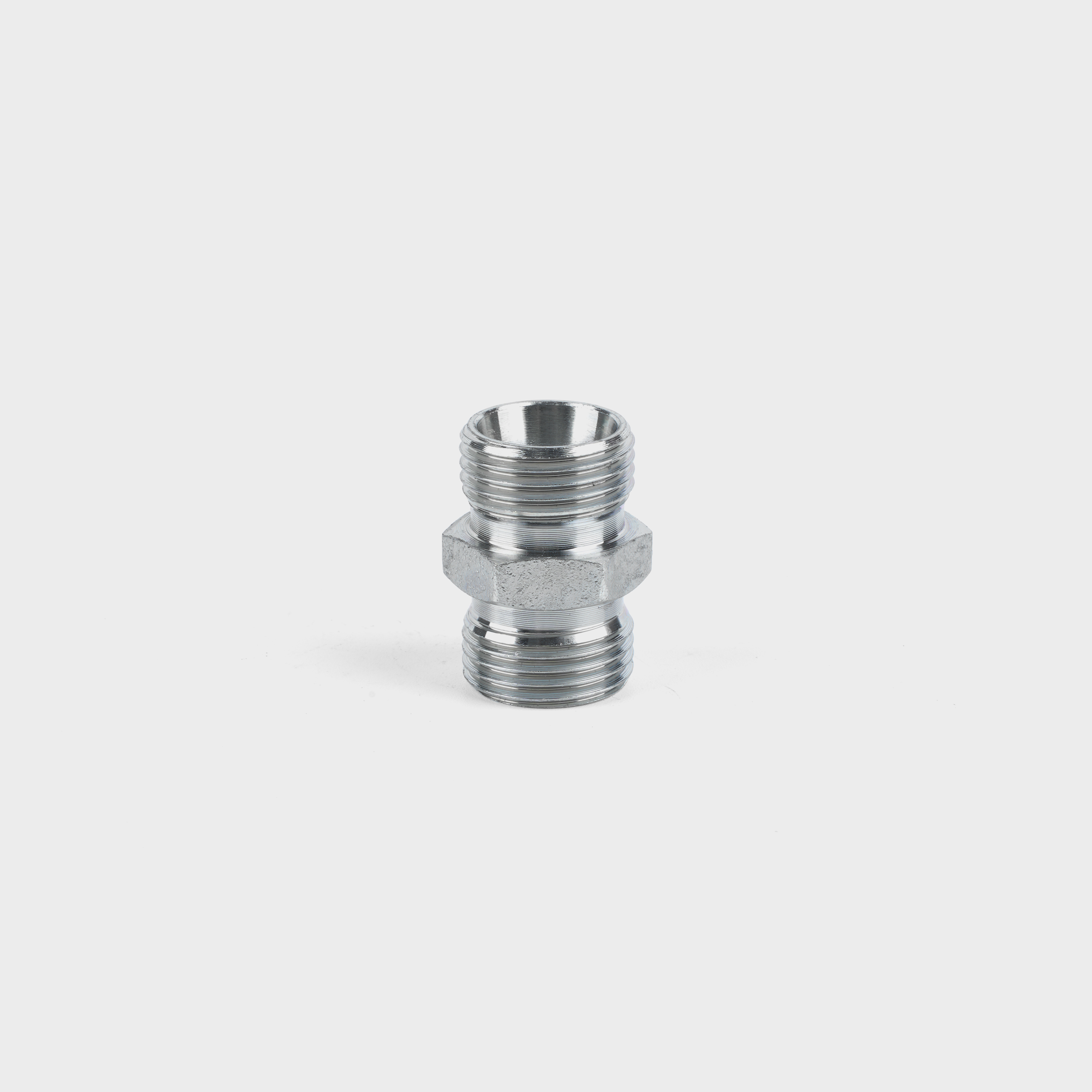 Metric Male 24° Cone Seat Tube AdapterDIN 2353 / ISO 8434-1-style 1C adapter for connecting metric tube ends, part of a broader 24° tube connector range with straight and angled options.View Product →
What that means in practice: four modern workshops, more than 300 CNC machines and over 120 technical and production staff, with 5,000 m² of warehousing to keep standard items moving. Our products ship to Italy, Spain, Brazil and more than 20 other countries, and we handle non-standard drawings and tailored solutions alongside catalogue parts. Send us your drawing, standard and quantity, and we will come back with a quote.
Questions Buyers Ask Before Specifying
Are double ferrule fittings reusable?
Yes, on the same tube and within limits. The joint can be taken apart and re-made a number of times as long as the ferrules were correctly swaged the first time. Once a ferrule has been over-tightened or pulled off a tube, replace it rather than reusing it.
Can ferrules from different manufacturers be mixed?
No. Ferrules, nuts and bodies are matched sets, and interchangeability is not guaranteed even between fittings of the same size and material.
Does the tubing have to be a special grade?
The tube must be round, clean and softer than the ferrule — typically seamless or annealed stainless with a maximum hardness around 90 HRB. Hard-drawn tube can resist the bite and leak.
Double ferrule fittings are not complicated, but they are precise. Get the tube preparation, the turn count and the component matching right, and the joint will outlast the equipment around it. If you need help choosing between a twin ferrule tube connection and a hydraulic hose or adapter solution, tell us the fluid, the working pressure and the tube size, and we will point you to the parts that fit.
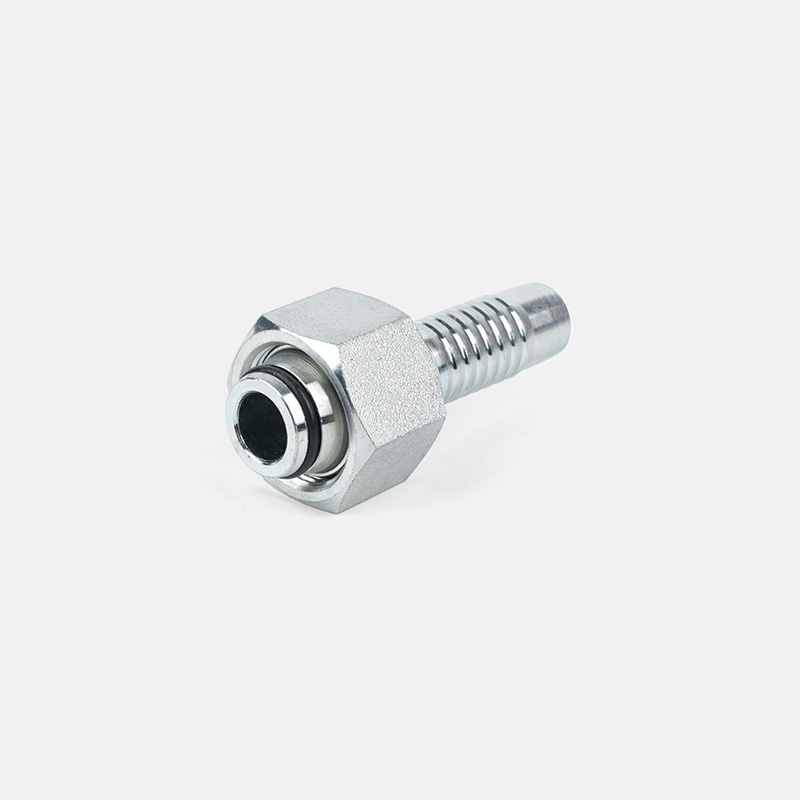

Custom hydraulic accessories
From concept to production, we can create the products you want
Products
Contact Information
-

Tel: +86-159-6851-8588
-

E-mail: [email protected]
-

Add:Zhu Jia Station Village, Diankou Town, Zhuji City , Zhejiang Province, China
