


Language
ENG
Enter Keywords...

NEW
 Home / News / industy news / How to Ensure Proper Installation of Hydraulic Pipe Clamps to Prevent Vibration?
How to Ensure Proper Installation of Hydraulic Pipe Clamps to Prevent Vibration?
 2026.02.23
 industy news
In modern industrial fluid power systems, vibration is the “silent killer” responsible for equipment failure, pipe leakage, and unexpected downtime. A Hydraulic Pipe Clamp does more than just support the piping; its core function is to reduce harmful oscillations by absorbing mechanical energy. For enterprises like CN-FPDQ, which specialize in precision electrical and heating components, ensuring the stable installation of hydraulic lines is critical to protecting nearby sensitive parts, such as Heating Elements or Power Strips. If a clamp is installed incorrectly, it fails to dampen vibration and may even accelerate fatigue failure in the pipeline due to resonance effects.
The Foundation of Stability: Layout and Spacing Strategy
The first step in installing hydraulic pipe clamps is not tightening the bolts, but scientific layout planning. According to the globally recognized DIN 3015 standard, the spacing of the clamps directly determines the natural frequency of the pipeline. If the spacing is too large, the pipe will produce low-frequency swaying similar to a guitar string; if the layout is irrational, fluid pulsations will generate massive impact forces at bends.
Determining Optimal Clamp Spacing
Proper spacing ensures that the pipeline remains neutral when subjected to high-pressure pulsations. Generally, the larger the pipe diameter, the longer the required spacing. For example, for a light-duty steel pipe with an outside diameter (OD) of 10mm, the clamp spacing should not exceed 1.2 meters. When the pipe diameter reaches 38mm, the spacing can be extended to 2.7 meters. In pump station outlets involving high-frequency pulsations, it is recommended to reduce this spacing by a further 20% to enhance rigidity.
Critical Placement Near Bends and Valves
Elbows (bends) and valve connections are the areas where hydraulic shocks are most concentrated. Professional Recommendation: On both sides of every 90-degree bend, a clamp must be installed within a range of 150mm to 300mm from the bending point. This layout effectively offsets the reaction force generated when the fluid changes direction, preventing mechanical tension on nearby Power Cords or sensitive electrical lines.
The Science of Torque: Mastering the Tightening Process
During the installation of a Hydraulic Pipe Clamp, tightening torque is a frequently overlooked yet vital parameter. Many installers tend to believe “the tighter, the better,” but in hydraulic engineering, this is a dangerous misconception.
Avoiding the Pitfalls of Over-Tightening
The inserts of hydraulic pipe clamps are usually made of Polypropylene (PP) or Polyamide (PA). These materials feature a microporous structure designed to absorb tiny high-frequency vibrations. If over-tightened, the insert is crushed and loses its elasticity, turning the clamp into a rigid connector. At this point, vibrations are transmitted through the clamp base plate directly to the machine frame, and the hard plastic edges may even scratch the pipe surface, triggering stress corrosion.
Using the Correct Torque Values
To achieve optimal vibration dampening, a torque wrench must be used for standardized operations. For the commonly used Light Series clamps, the recommended torque is usually around 8Nm; the Heavy Series may require 20Nm or higher. The correct tightening state is as follows: after the bolts are secured, a tiny gap should remain between the upper and lower cover plates of the clamp, ensuring the insert envelops and supports the pipe rather than “locking” it into a solid state.
Material Selection and Performance Comparison
Choosing the wrong clamp material can lead to protection failure in specific environments. As a manufacturer of Immersion Water Heaters, you must consider the impact of environmental temperature on clamp longevity.
Polypropylene vs. Aluminum: When to Switch?
- Polypropylene (PP): This is the most widely used material globally, offering excellent noise reduction and vibration dampening properties while resisting most hydraulic oils. Its upper operating temperature limit is approximately 90°C.
- Aluminum: When pipelines are located near high-heat sources (such as high-power Heating Elements), PP material will undergo thermal softening, leading to a loss of clamping force. Aluminum clamps offer extremely high mechanical strength and temperature resistance (up to 300°C+), making them the only choice for extreme heat environments.
Comparison Table of Clamp Insert Materials
The following table shows the performance differences of various materials in industrial environments, helping procurement managers make choices based on ROI (Return on Investment).
| Feature | Polypropylene (PP) | Polyamide (PA) | Aluminum (AL) |
|---|---|---|---|
| Vibration Dampening | Excellent | Good | Moderate |
| Max Operating Temp | 90°C | 120°C | 300°C+ |
| Chemical Resistance | High | Very High | Exceptional |
| Relative Cost | Economy | Mid-range | Premium |
Integrating Hydraulic Security with Electrical Safety
In complex industrial systems, hydraulic lines often run parallel to electrical circuits. Stable Hydraulic Pipe Clamps are not just for hydraulic performance; they are for the safety of the entire electrical environment.
Preventing Leakage-Induced Electrical Failures
Untreated pipeline vibration leads to microscopic cracks at joints. Oil leakage under high pressure often occurs as a fine mist. If this conductive or flammable oil mist comes into contact with nearby Power Strips, Extension Cords, or unprotected Electrical Water Heater Stem connections, it can trigger devastating fires or short-circuit failures. Standardized clamp installation essentially builds a second safety barrier for the electrical system.
FAQ: Frequently Asked Questions
Q: Can I install two pipes of different diameters in one clamp?
A: This is not recommended. Unless you use a specifically designed “Twin Series” clamp, forcing two pipes into one hole will cause uneven force distribution, which fails to dampen vibration and can damage the pipe walls through friction.
Q: Which is better: weld plates or rail-mounted plates?
A: Weld plates are the most stable and suitable for permanent installation. Rail-mounted plates offer more flexibility, allowing for easy adjustment of positions during multi-pipe layouts.
Q: Why did my clamp loosen shortly after installation?
A: This may be due to the “Creep” phenomenon. A torque re-check should be performed 50 hours after the initial installation, especially when the system operates under alternating thermal loads.
Q: Do the colors of the clamp inserts have specific meanings?
A: Usually, green represents PP, black represents PA (reinforced nylon), and silver-grey represents aluminum. However, this depends on the manufacturer; always confirm the specifications before purchasing.
References & Further Reading
- ISO 12100:2026 - Safety of machinery — General principles for design.
- DIN 3015-1: Standard for Light range pipe clamps in fluid power systems.
- Journal of Mechanical Engineering: The Impact of Vibration Dampening on Hydraulic Component Longevity.
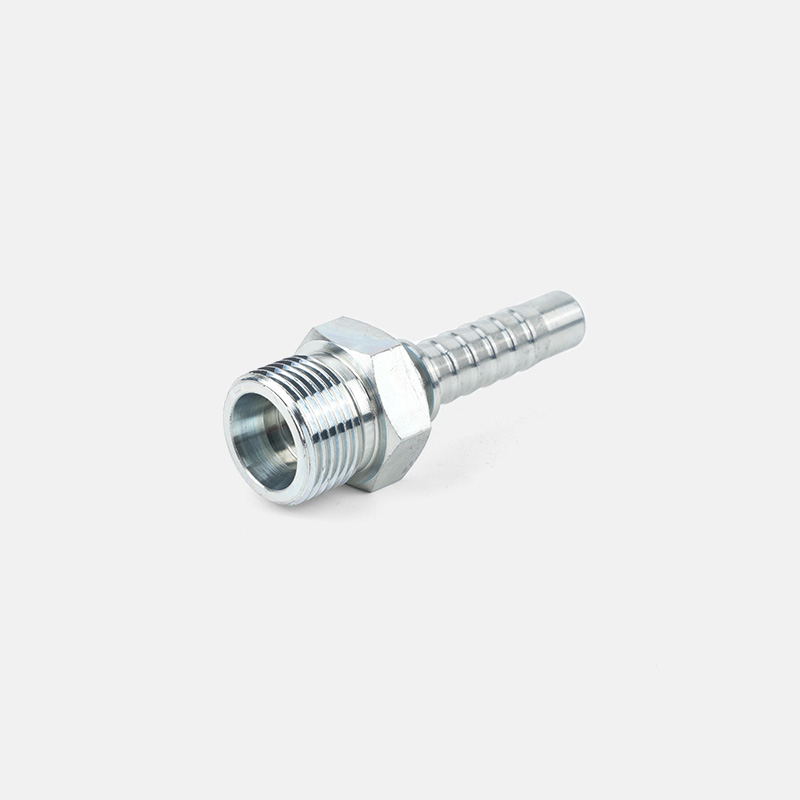
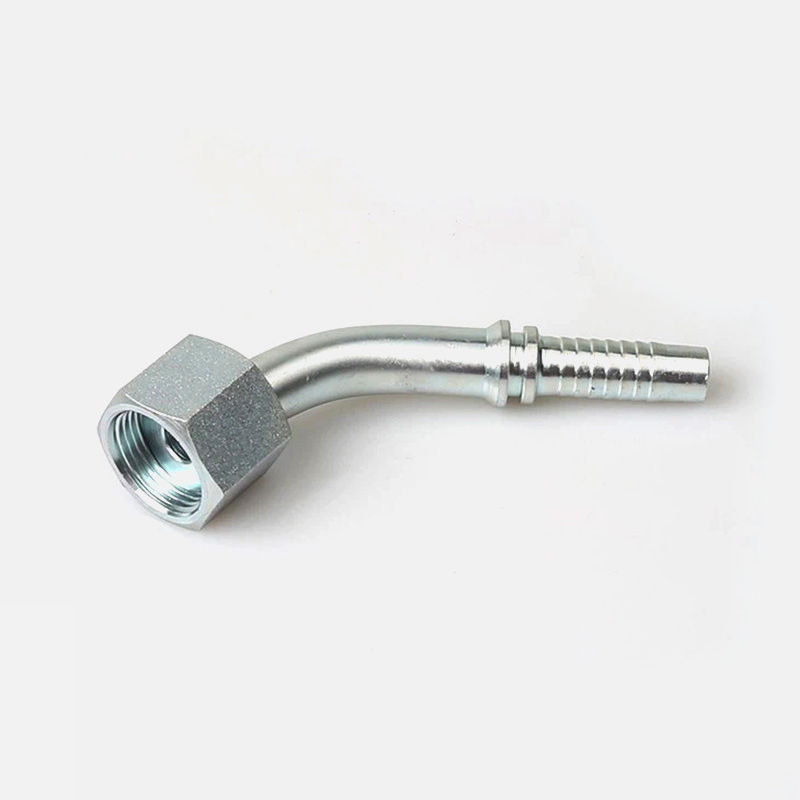
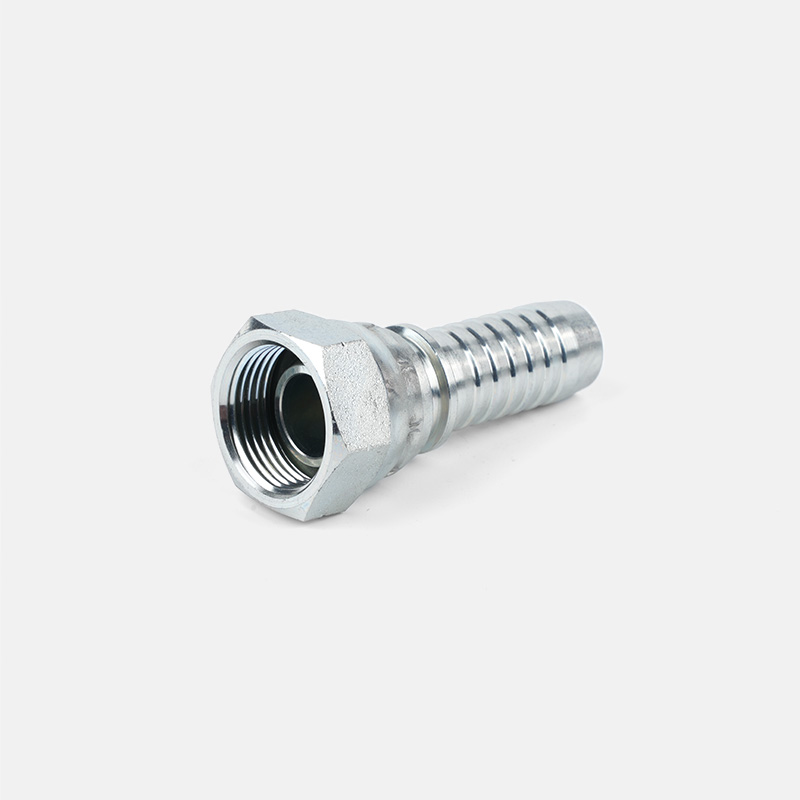
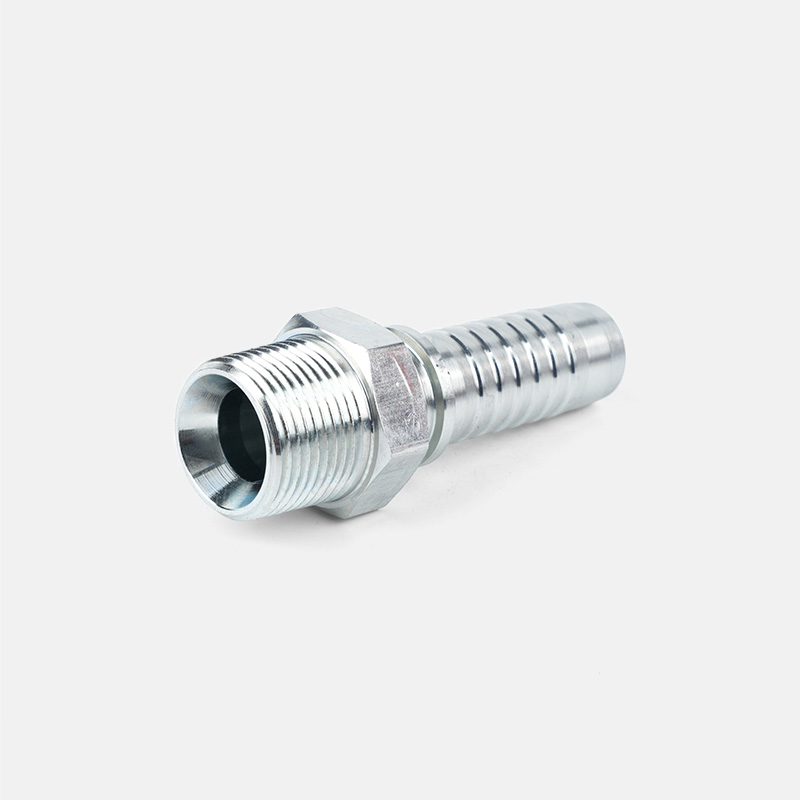
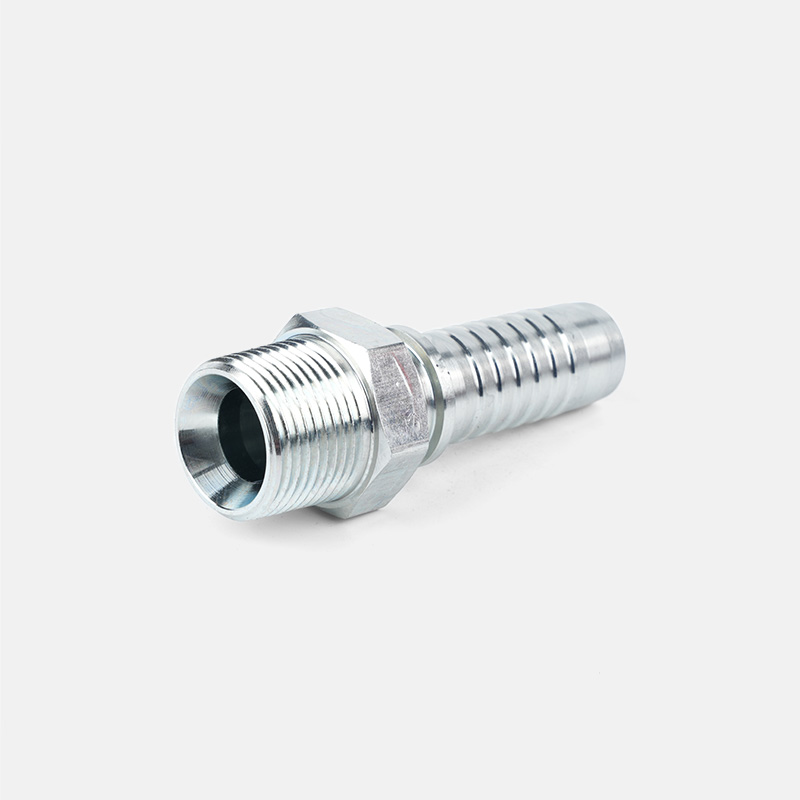
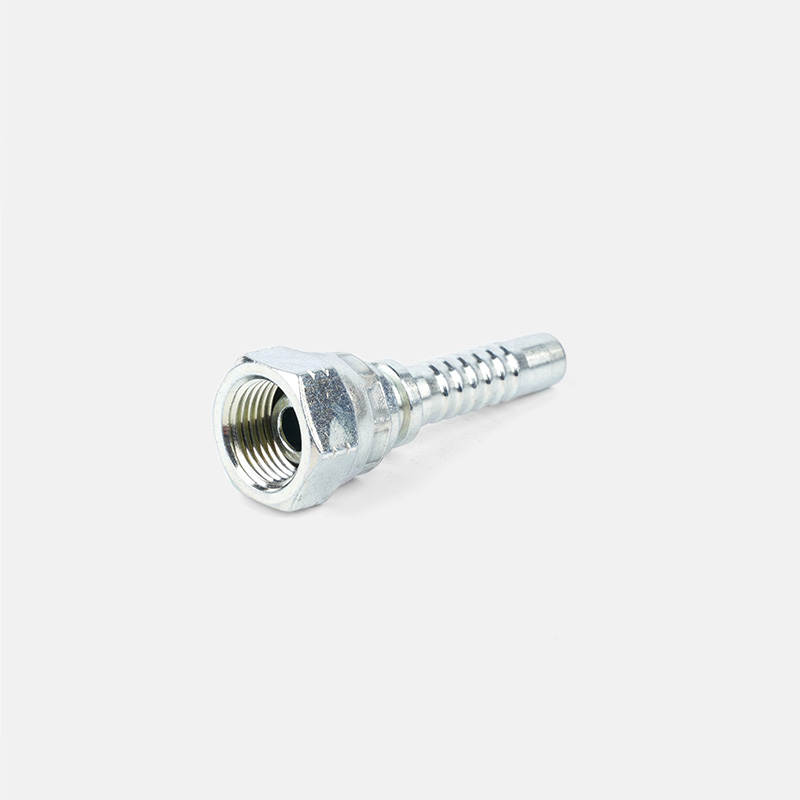
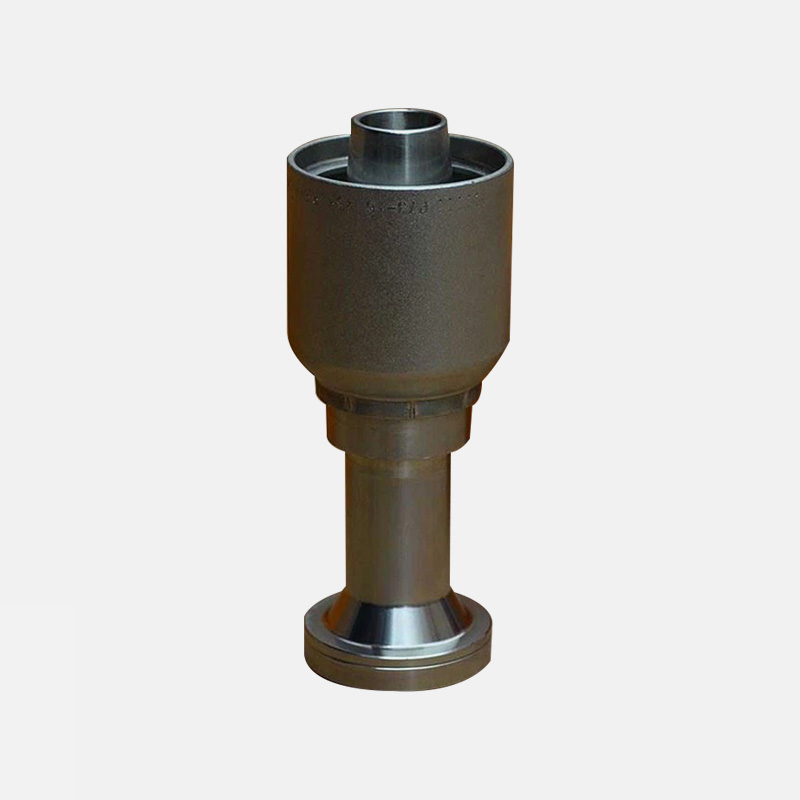

Custom hydraulic accessories
From concept to production, we can create the products you want
Products
Contact Information
-

Tel: +86-159-6851-8588
-

E-mail: [email protected]
-

Add:Zhu Jia Station Village, Diankou Town, Zhuji City , Zhejiang Province, China
