


Language
ENG
Enter Keywords...

NEW

How To Put Fittings On Hydraulic Hose
 2026.05.18
 industy news
For friends who do-it-yourself maintenance engineering equipment, when installing hydraulic hose joints, the core has only one word: quasi. You must accurately measure the length of the hose, properly perform stripping if necessary to expose the wire reinforcement, and use a calibrated hydraulic crimping machine with a suitable die and mandrel to ensure accurate insertion depth. In order to avoid oil leakage and ensure that the hose assembly can not go wrong under the rated pressure, the secret is: check the specification compatibility of the joint and the hose, apply a layer of industrial lubricant to the joint core, and carefully check after buckling-the sleeve must be compressed evenly and cannot damage the hose wall. As long as you follow these industrial standards, the connectors you make can fully achieve the performance of the original factory level.
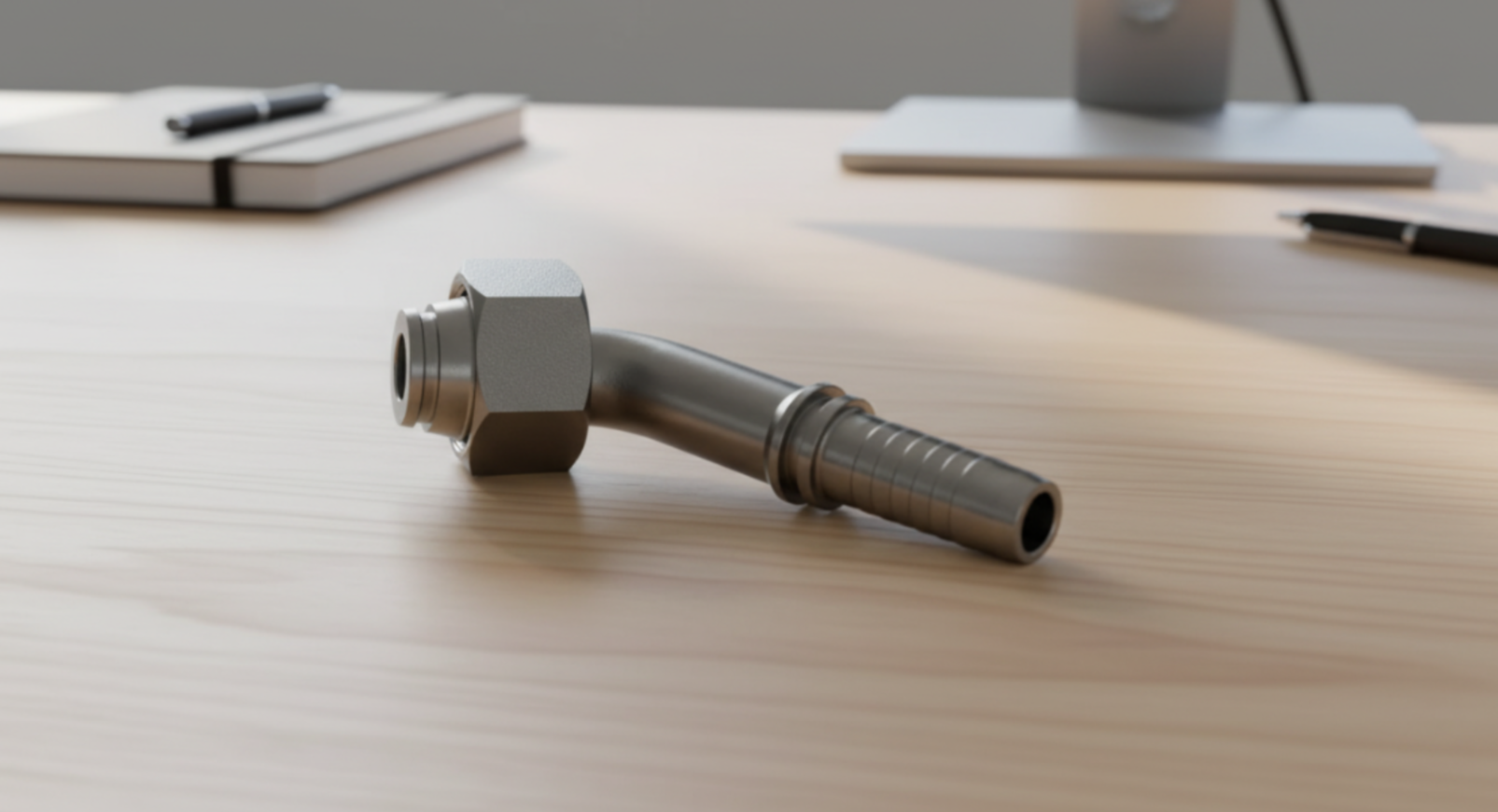
The Cornerstone Of Accuracy: Measurement And Compatibility
Don’t worry about things, preparation is the big head. The structural strength of the hose assembly depends entirely on whether the accessories you choose are suitable or not. Before starting work, confirm whether the pressure rating and technical specifications of the joints and hoses are right. When measuring the length, be sure to include the “cut-off margin”, that is, the length to be extended into the joint. The premature failure of many hydraulic systems can be traced back to the fact that the measurement is not accurate, resulting in sleeve alignment deviation, which is a big taboo.
Hose Pretreatment: The Necessity Of Peeling
How well the preparation is done determines whether the job is emergency or long-lasting. Peeling is to peel off the rubber on the outer layer of the hose to expose the steel wire inside. This step is crucial because only then can the joint sleeve be in direct contact with the wire. This metal-to-metal bite force is the key to ensuring that the joint does not collapse under high-pressure cycles. Don’t be too troublesome, be sure to peel off the skin according to the manufacturer’s requirements and firmly fix the connector on the reinforcement layer.
Operation Link: Calibration Equipment And Insertion Depth
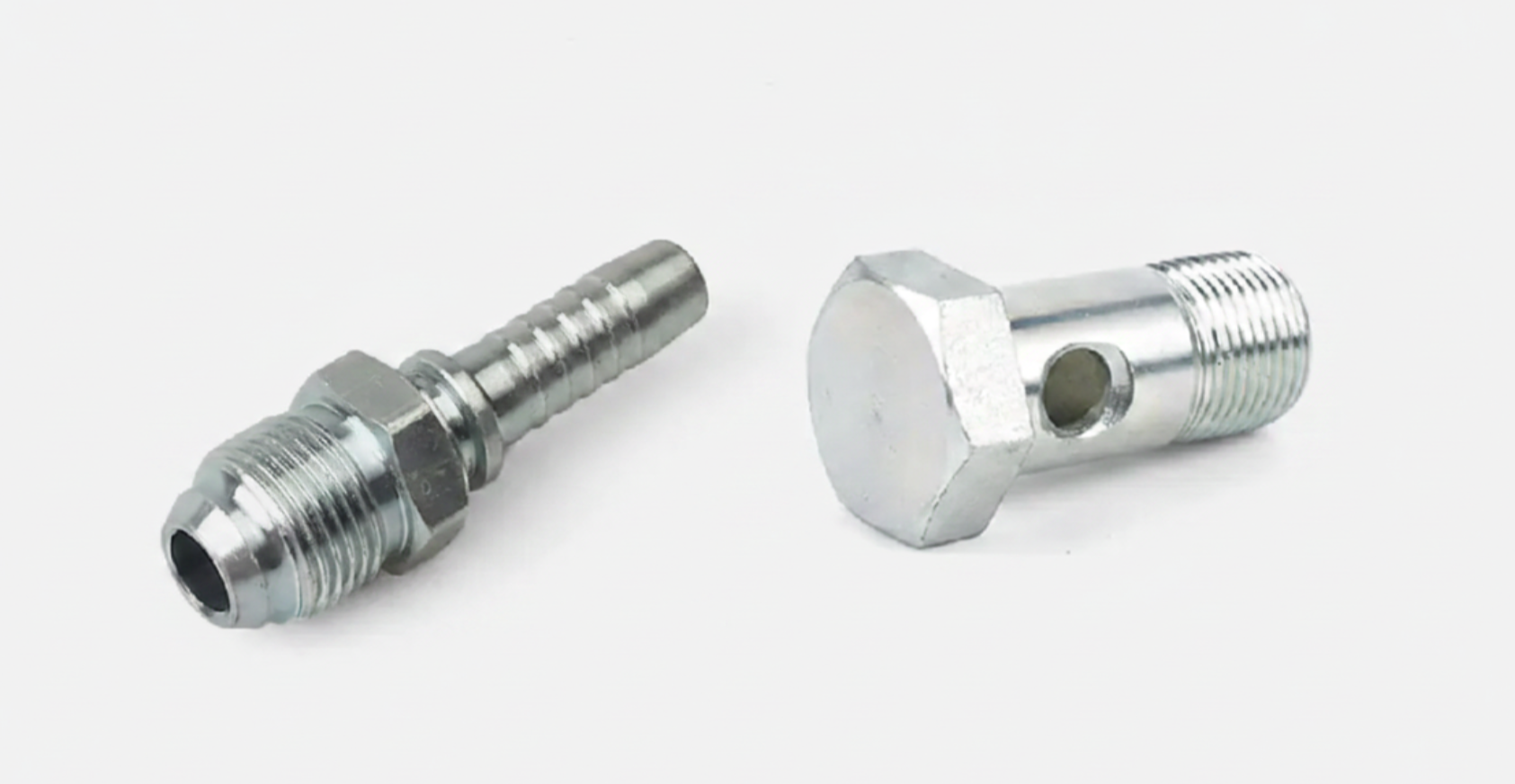
The success or failure of mechanical connection depends on how the press is adjusted. Is the mold and mandrel selected wrong? It is basically useless at the back, because it directly determines the final buckling pressure.
Insertion process: Before inserting the joint core, remember to apply a thin layer of industrial grade lubricant. This reduces friction and prevents the joint from tearing the inner rubber layer.
Depth control: The joint must be pushed to the exact depth required by the design. In JIANGRU technical specifications, we have always emphasized that the consistency of the insertion depth is the most basic guarantee to prevent internal fluid obstruction and pressure surge.
Quality Control: Inspection After Buckling
This last inspection process can best see if it is an insider. After the withholding process is completed, be sure to take a hand test. The standard compression sleeve should be a uniform circumferential force. Focus on checking: whether the hose wall is damaged due to overpressure, or the sealing is not tight due to insufficient pressure. After all, the hydraulic system leaks oil, who meets who has a headache.
According to these industrial standards, from the measurement to the final quality inspection, don’t save a step, so that your equipment can play to its full potential. This job really takes a lot of effort, but after controlling every detail, the final connection is stable and resistant to high pressure, and the effect is no different from that of the original factory assembly. What JIANGRU have been doing is to share these standards of efficient operation with everyone to ensure that the mechanical energy at hand is kept in the best condition. After all, we are tossing about these things, and the figure shows that the connection can be used.
Author: David Miller
Having spent his career solving complex system failures in the field, David is dedicated to helping technicians and equipment owners achieve maximum machine uptime through precision assembly techniques and rigorous maintenance standards. His expert insights help JIANGRU bridge the gap between industrial-grade specifications and everyday operational reliability.
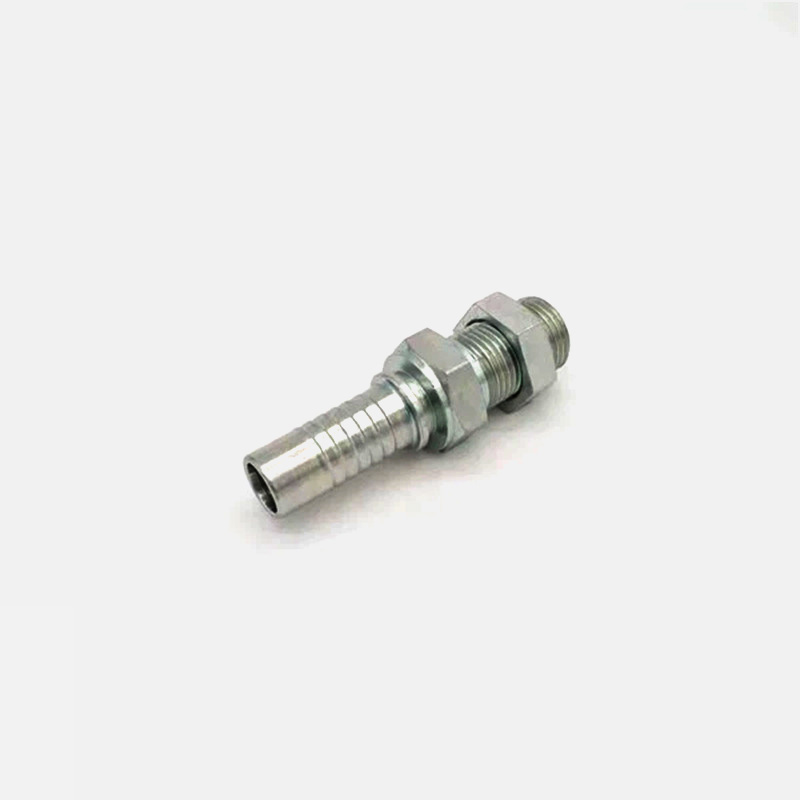
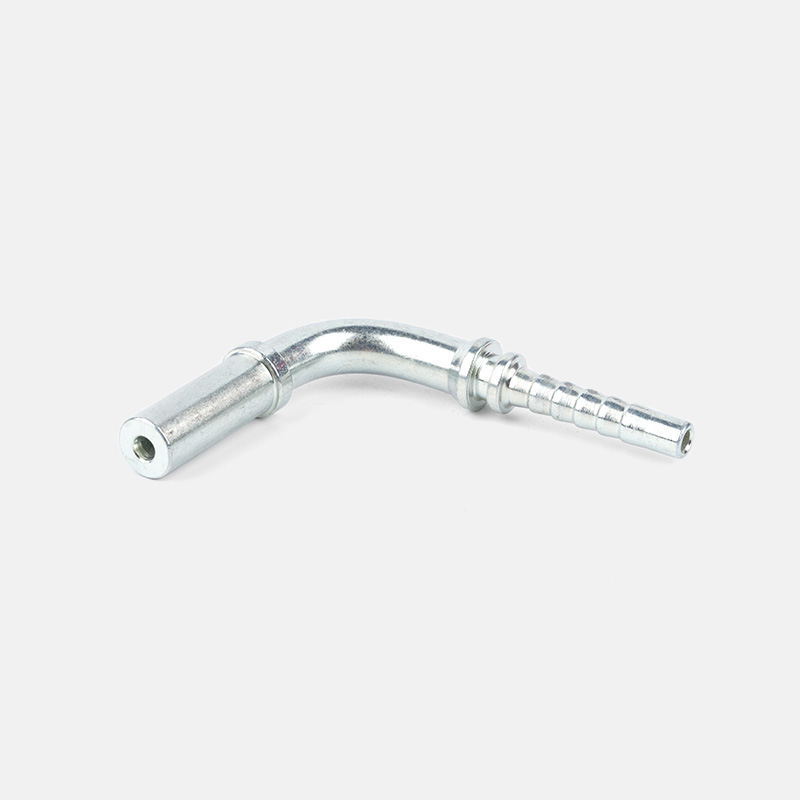
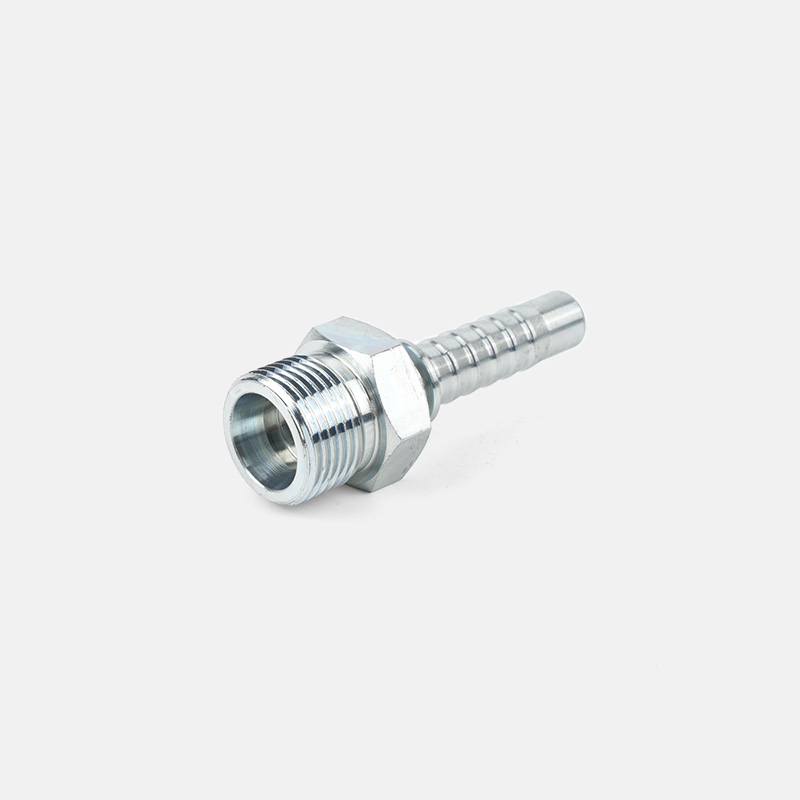
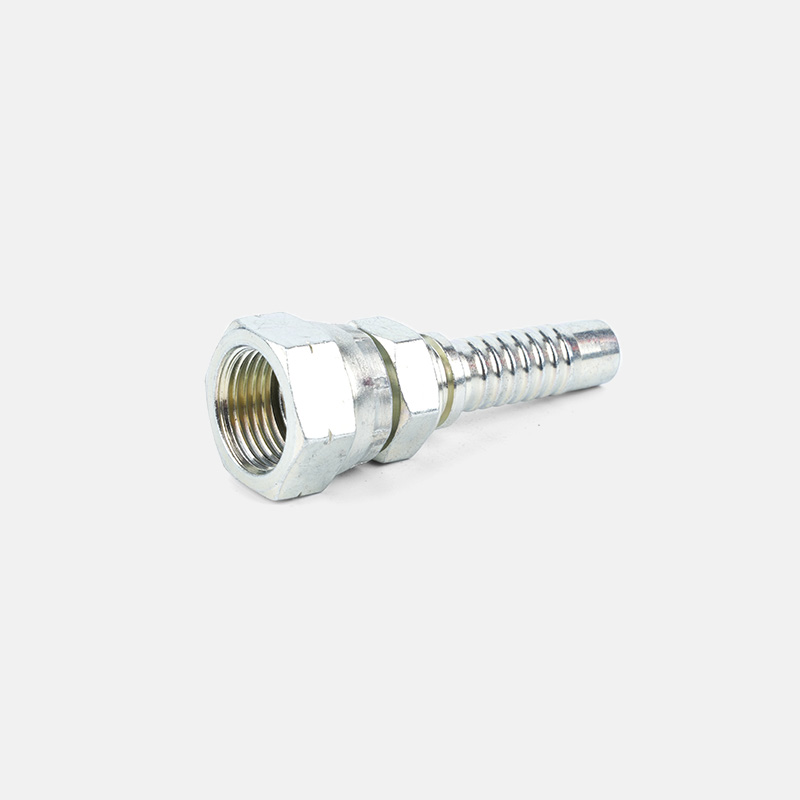
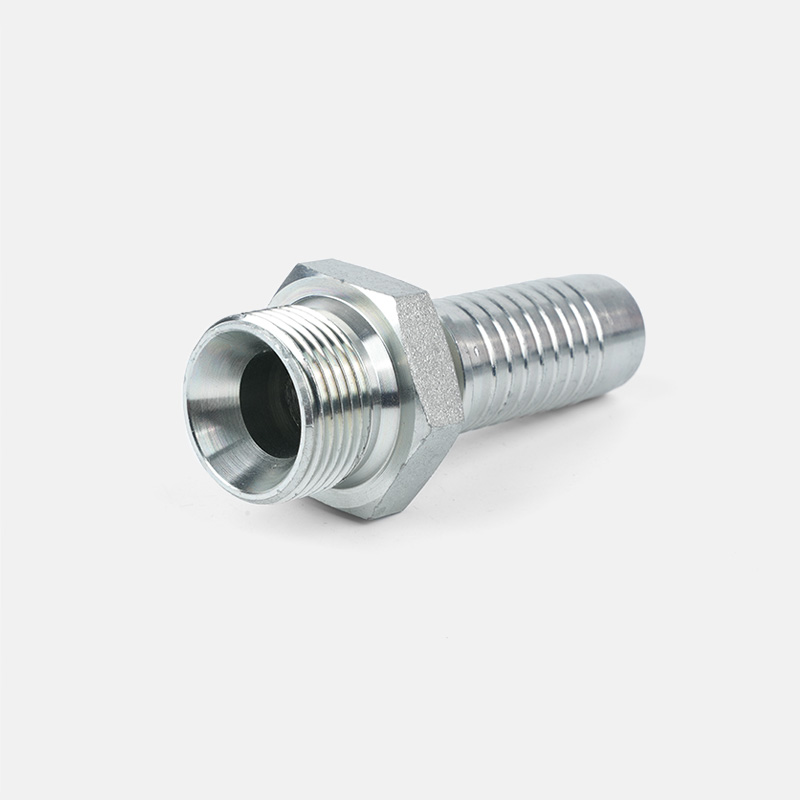
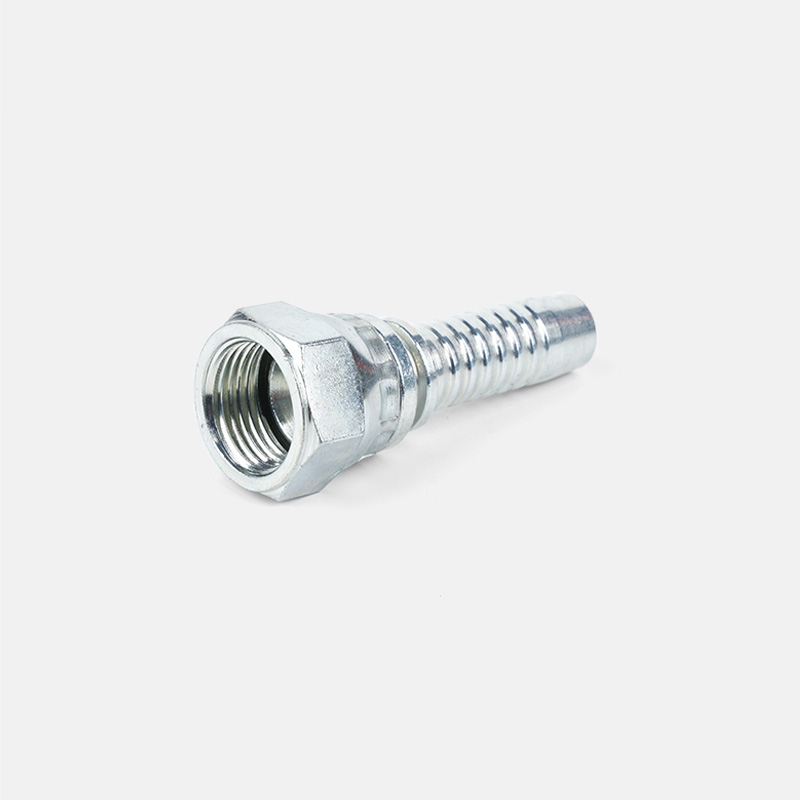
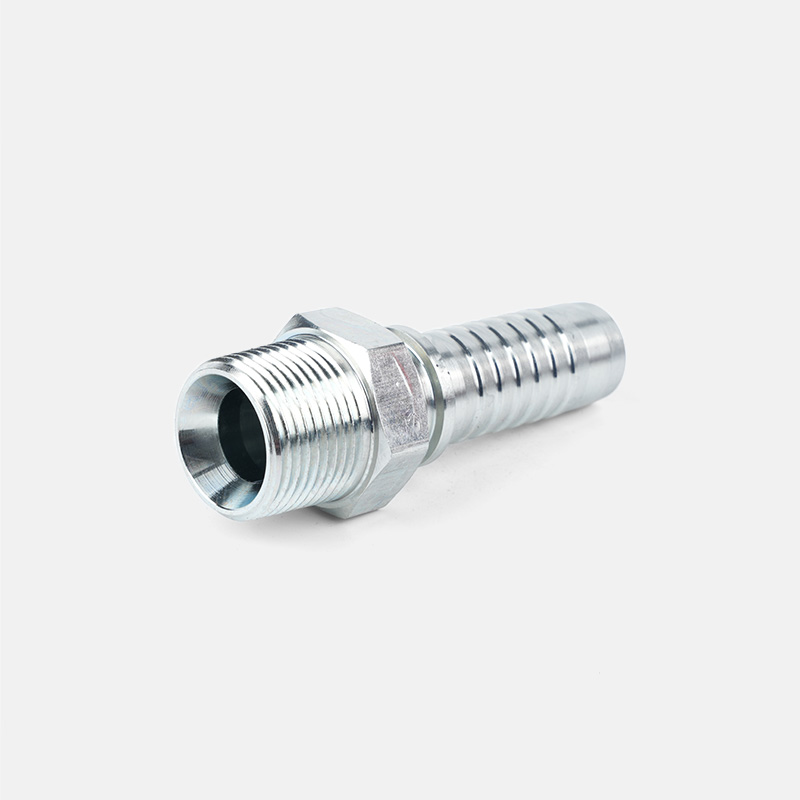
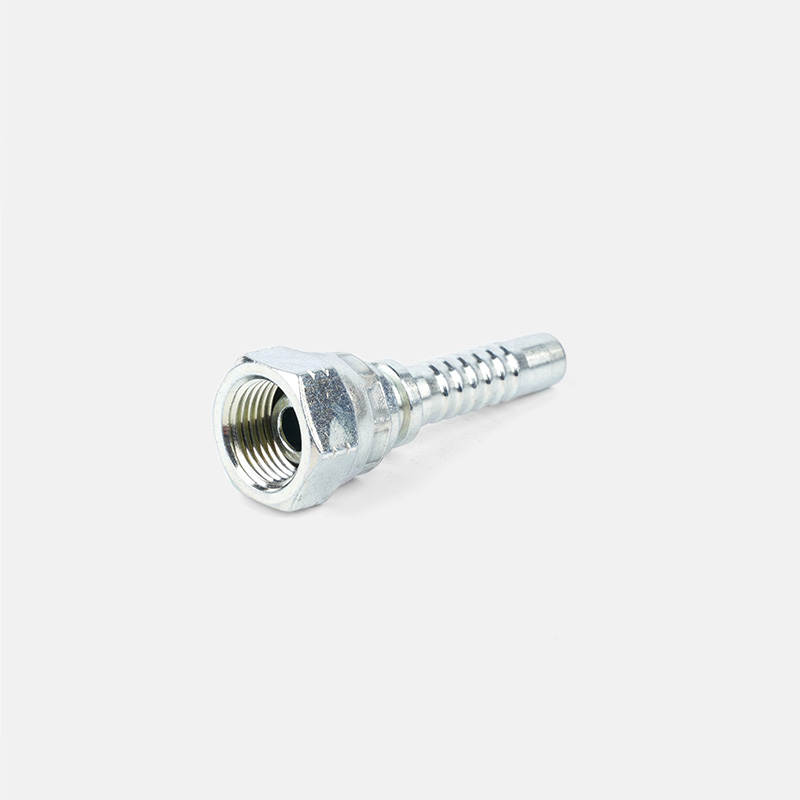
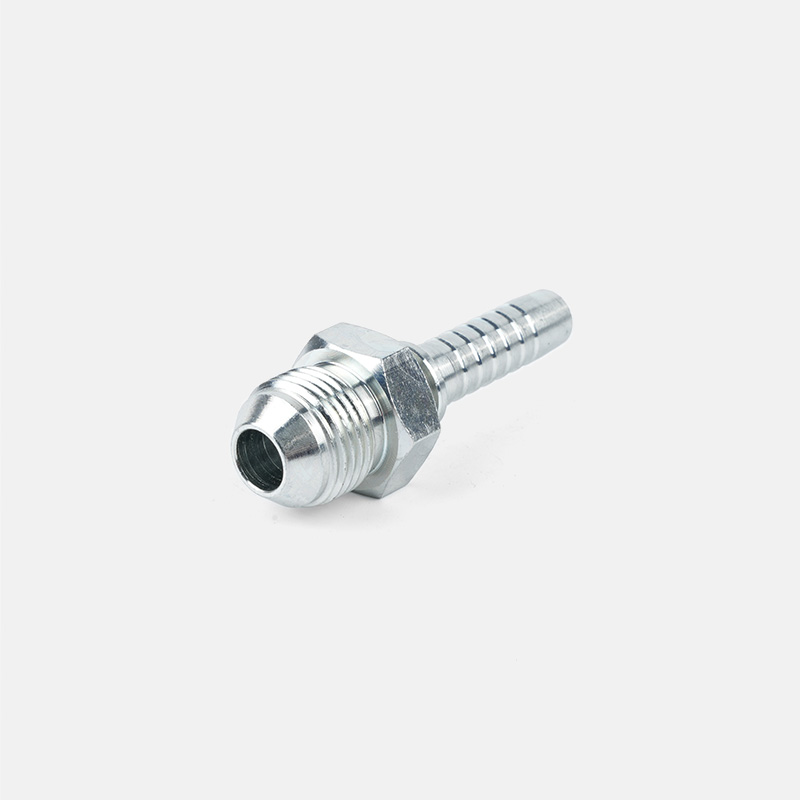
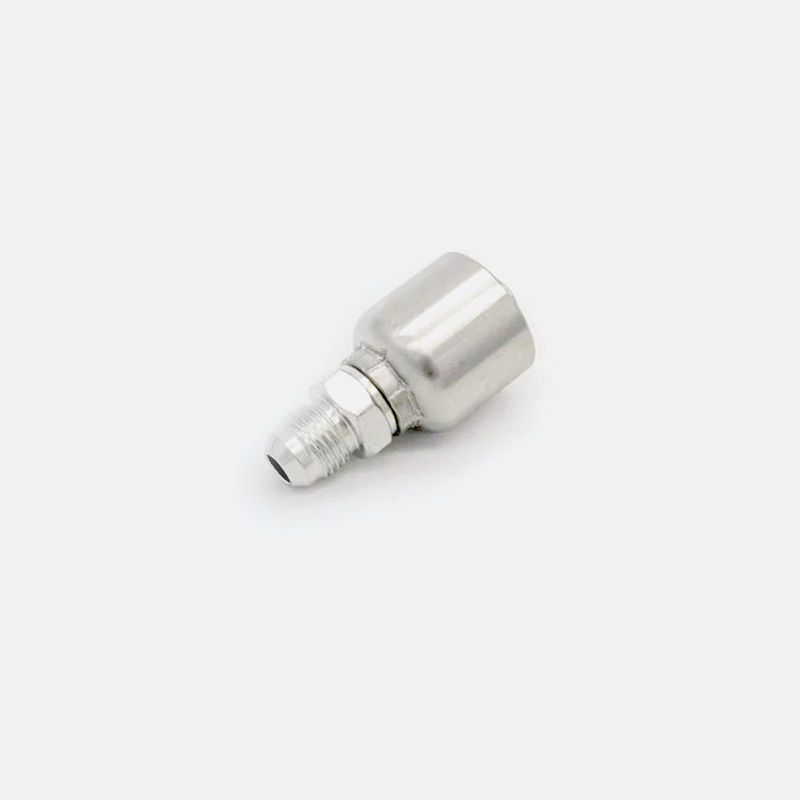
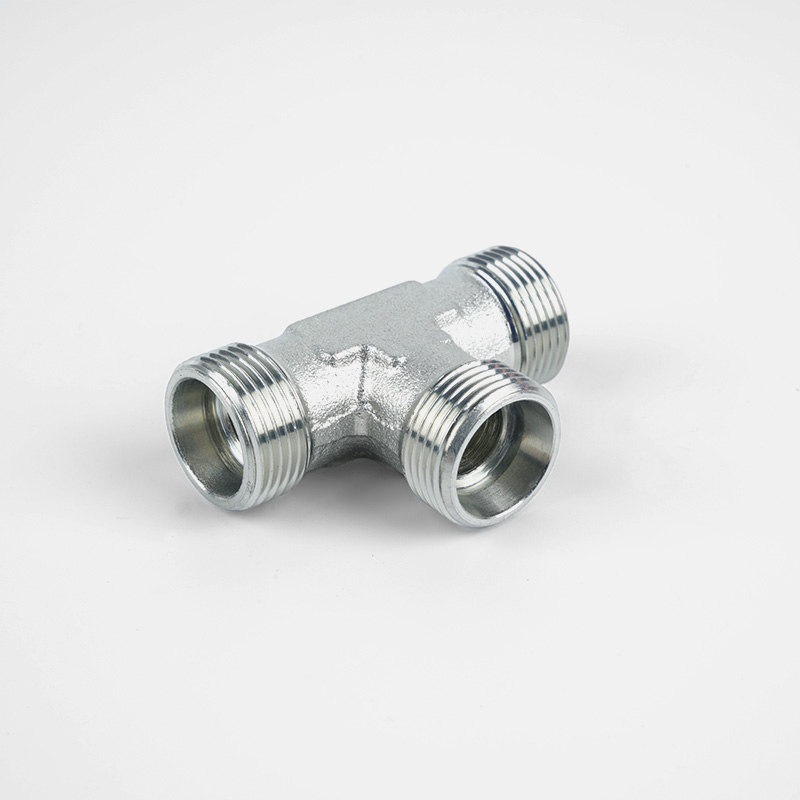
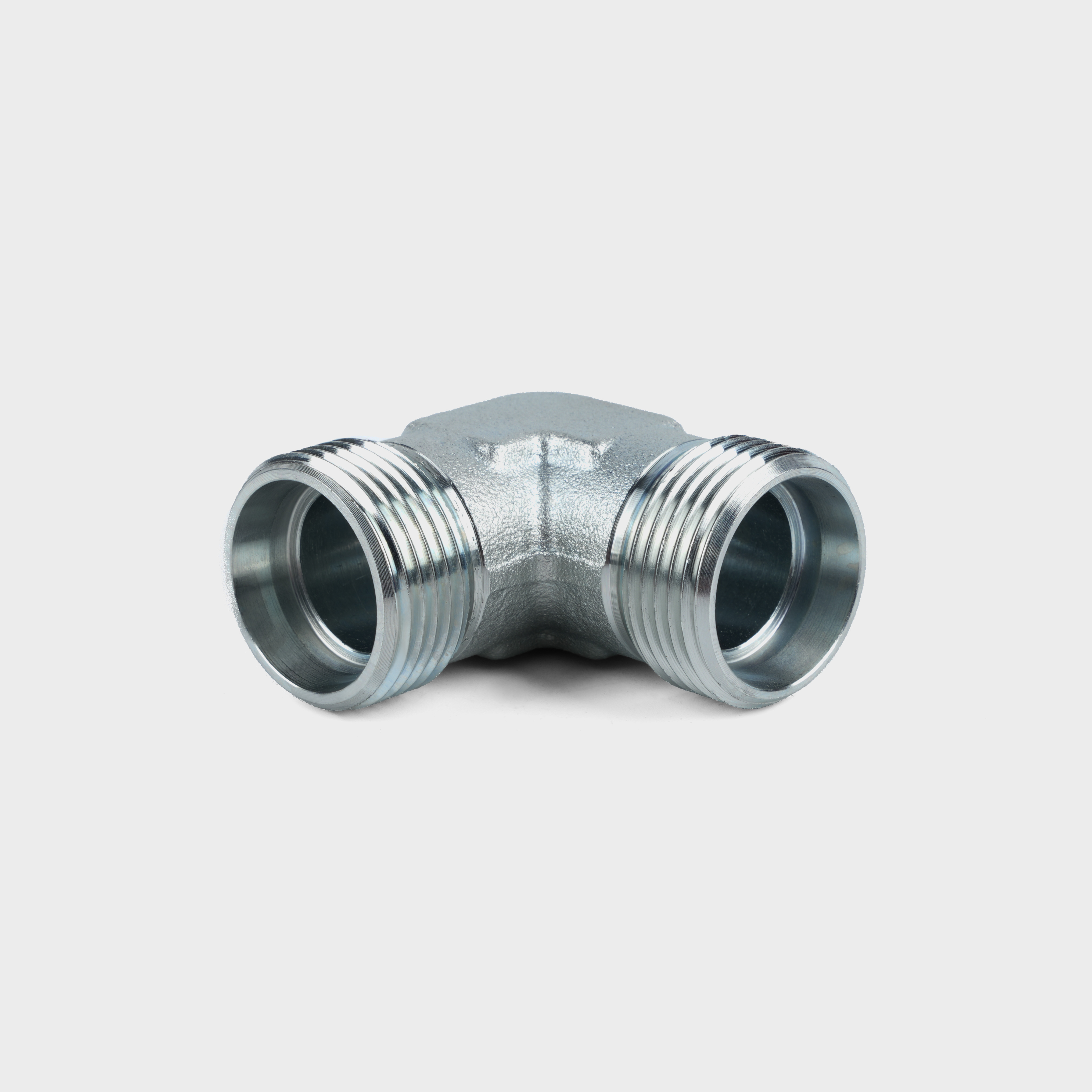

Custom hydraulic accessories
From concept to production, we can create the products you want
Products
Contact Information
-

Tel: +86-159-6851-8588
-

E-mail: [email protected]
-

Add:Zhu Jia Station Village, Diankou Town, Zhuji City , Zhejiang Province, China
