


Language
ENG
Enter Keywords...

NEW
 Home / News / industy news / What are the Critical Differences Between 2-Way and 3-Way High Pressure Hydraulic Ball Valves?
What are the Critical Differences Between 2-Way and 3-Way High Pressure Hydraulic Ball Valves?
 2026.03.02
 industy news
In complex hydraulic system design, selecting the right control components is the cornerstone of ensuring safety and efficiency. As the “gatekeepers” of hydraulic lines, High Pressure Hydraulic Ball Valves directly impact the reliability of pressure compensation, flow distribution, and emergency shutdown systems. For engineers and procurement managers, the most common selection dilemma is: Should I choose a 2-way or a 3-way valve?
While both utilize a rotating ball core to control fluid, their internal structures, sealing logic, and application purposes differ fundamentally under extreme pressures of 500 Bar (7250 PSI) or higher.
The Mechanics of Flow: Directional Control Differences
Flow path design is the most intuitive feature distinguishing 2-way and 3-way ball valves. When handling high-pressure media, the kinetic energy of the fluid is immense; any slight deviation in the flow path can result in significant pressure drops and heat accumulation.
2-Way High Pressure Hydraulic Ball Valves: The Precision Shut-off
A 2-way valve, commonly referred to as a shut-off or isolation valve, features one inlet and one outlet. Its primary function is a simple “Open/Close” operation.
- Ball Structure: These valves typically utilize a Full Bore design, meaning the ball’s internal diameter matches the pipe’s internal diameter, allowing for extremely low flow resistance and minimal pressure drop.
- Sealing Mechanism: Under high pressure, 2-way valves employ “floating ball” technology. The fluid pressure pushes the ball tightly against the downstream seat, achieving a zero-leakage seal.
- Application Scenarios: Frequently used for isolating hydraulic pump station outlets, maintenance shutdowns of system branches, and safety venting for accumulator systems.
3-Way High Pressure Hydraulic Ball Valves: The Versatile Diverter
3-way valves are considerably more complex, featuring three ports designed to achieve flow diversion, mixing, or direction switching. This allows a single 3-way valve to replace two interconnected 2-way valves, significantly simplifying piping layouts.
-
L-Bore vs. T-Bore Cores: * L-Bore: Primarily used for diverting, directing inlet pressure to either the left or right outlet, though it cannot connect all three ports at once.
-
T-Bore: Offers greater flexibility, capable of connecting all three ports simultaneously or switching between different outlets, commonly used for mixing or bypass configurations.
-
Fluid Shock Management: 3-way valves must handle more complex fluid hammer effects during the switching moment, and as such, their bodies are often designed with a thicker, more robust profile.
Pressure Ratings, Material Selection, and Sealing Technology
In the high-pressure hydraulic sector, the tensile strength of the material and the hardness of the seals determine the valve’s rated pressure capacity.
Material Integrity: Carbon Steel vs. Stainless Steel
Since hydraulic systems often operate between 315 Bar and 500 Bar, valve bodies are typically constructed from forged carbon steel or Stainless Steel (Stainless Steel High Pressure Hydraulic Ball Valve).
- The Stainless Steel Advantage: If your system is used in offshore platforms, chemical processing, or food machinery, stainless steel is the mandatory choice. It not only resists external environmental corrosion but also prevents pitting on the ball surface caused by hydraulic oil additives under long-term high-temperature and high-pressure conditions.
- Carbon Steel Cost-Effectiveness: For indoor standard hydraulic power units (HPUs), carbon steel valves treated with zinc plating or phosphating offer excellent cost-efficiency and are capable of withstanding significant mechanical shock.
High-Performance Sealing Technology
Traditional PTFE (Teflon) undergoes “cold flow” (material deformation) under high pressure. Therefore, high-performance ball valves typically utilize POM (Polyoxymethylene) or PEEK (Polyetheretherketone) reinforced seats.
- Wear Resistance: POM seats provide an extremely low friction coefficient, ensuring that manual levers can be operated easily even under 500 Bar of pressure.
- Dynamic Loading: Because 3-way valves are subjected to pressure fluctuations from three directions, their sealing structures often incorporate a combination of support rings and O-rings to prevent the seals from “flipping” or being washed out during high-pressure switching.
Technical Comparison: Selection Data Matrix
To assist engineers in quickly identifying key parameters for SEMrush optimization and technical procurement, the following table compares core technical data.
| Feature | 2-Way High Pressure Ball Valve | 3-Way High Pressure Ball Valve |
|---|---|---|
| Primary Function | Isolation / Emergency Shut-off | Diverting / Mixing / Switching |
| Standard Pressure Rating | PN315, PN420, PN500 | PN315, PN400 (Up to 500 Bar) |
| Seat Material | POM, PEEK, Metal-to-Metal | POM, PEEK (Enhanced Support) |
| Connection Types | BSP, NPT, SAE Flange, DIN 2353 | BSP, NPT, SAE Flange |
| Pressure Drop | Extremely Low (Full Bore) | Moderate (Due to internal angles) |
| Operating Torque | Relatively Lower | Higher (Multi-directional pressure) |
Key Selection Factors for Complex Hydraulic Systems
When browsing a High Pressure Hydraulic Ball Valve catalog, beyond determining 2-way or 3-way, you must consider these three critical factors that can directly lead to system failure.
Flow Bypass During Switching
For 3-way valves, you must confirm whether the design is “positive overlap” or “negative overlap.” In some applications, if all ports close momentarily during switching, it can cause a pressure spike in the upstream pump, damaging the pump body. Conversely, some designs allow a brief, slight bypass during the mid-position to buffer pressure shocks.
Mounting and Connection Security
High-pressure systems involve intense pulses and vibrations.
- Threaded Connections: Suitable for compact mobile machinery.
- Flange Connections (SAE Flange): Ideal for large industrial presses, providing superior vibration resistance and allowing for valve replacement without dismantling the entire piping system.
Frequently Asked Questions (FAQ)
Q1: Can a 3-way high pressure ball valve handle pressure from any port?
It depends. Not all 3-way ball valves are fully pressure-balanced. Many standard models require pressure to enter from a specific center port. If the pressure direction is reversed, internal seals may fail. Always verify the manufacturer’s “Pressure Flow Diagram” before purchasing.
Q2: Why does my valve handle become difficult to turn at high pressure?
This occurs because the high-pressure hydraulic oil pushes the ball core forcefully against the seat, creating immense friction. In such cases, consider valves with “pressure compensation” features or switch to electric/pneumatic actuators.
Q3: How often should the seals be replaced in a High Pressure Hydraulic Ball Valve?
This depends on switching frequency and oil cleanliness. In typical heavy industrial applications, a preventative inspection is recommended every 24 months. Tiny metal shavings in the oil are the “number one killer” of high-pressure valve seats.
References and Industry Standards
- ISO 1219-1: Fluid power systems and components — Graphic symbols and circuit diagrams.
- DIN 2353 / ISO 8434-1: Metallic tube connections for fluid power and general use.
- ASME B16.34: Valves — Flanged, Threaded, and Welding End (The definitive standard for pressure ratings).
- SAE J517: Hydraulic Hose and Fitting Pressure Ratings.
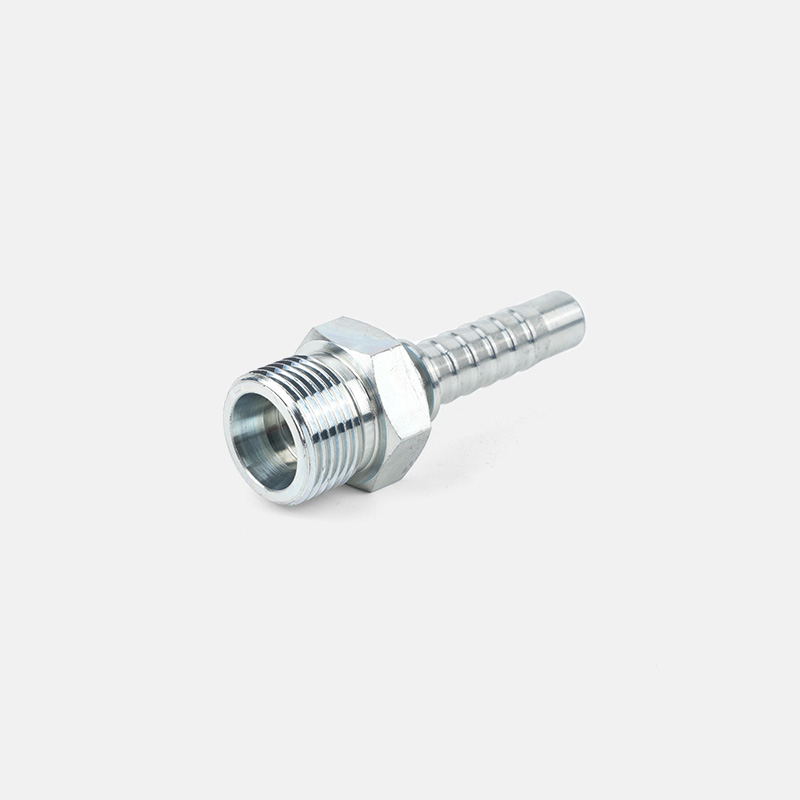
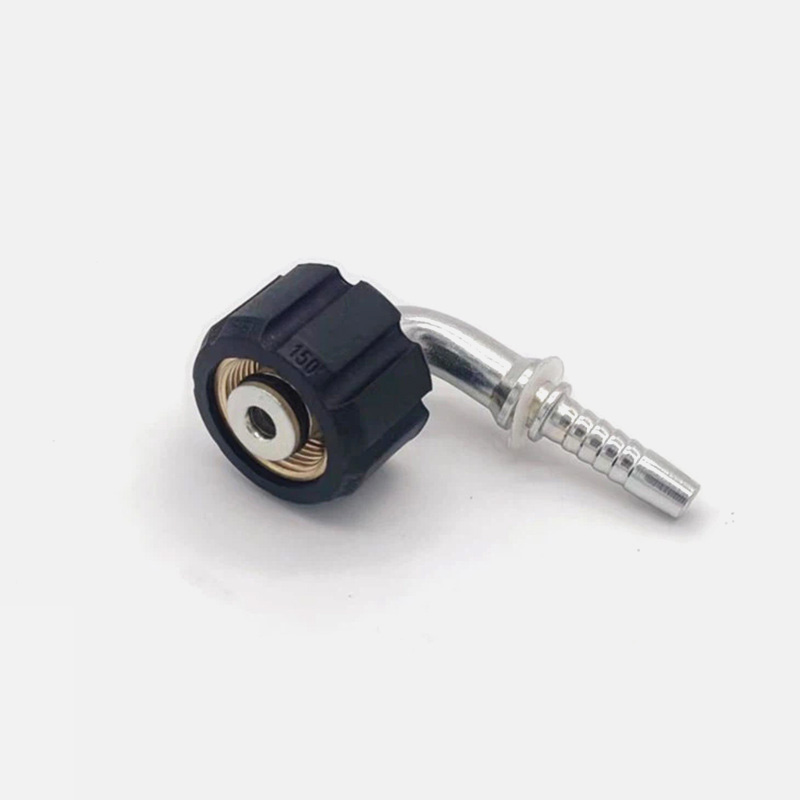
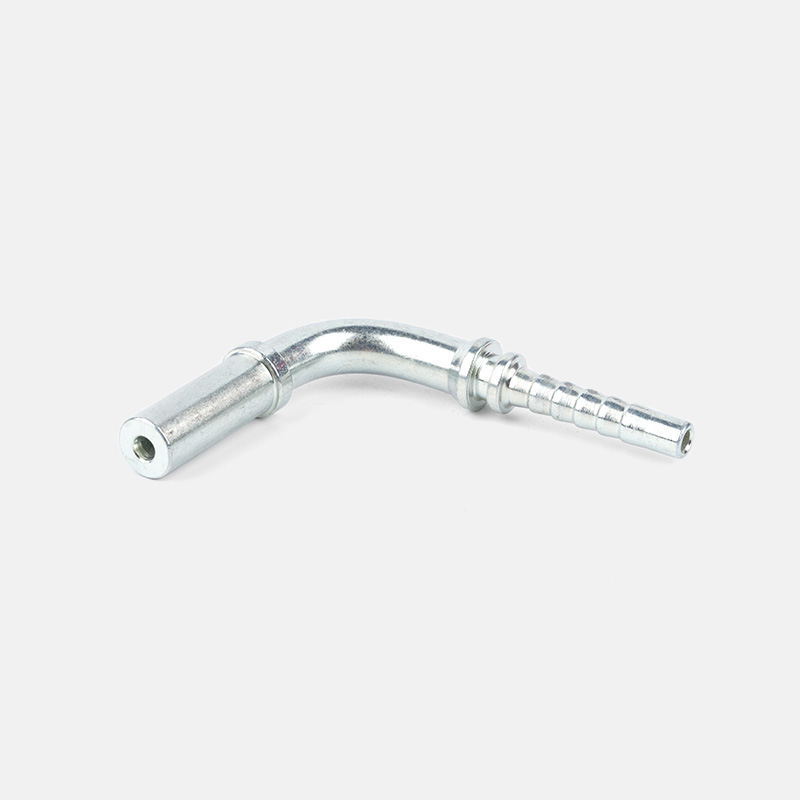
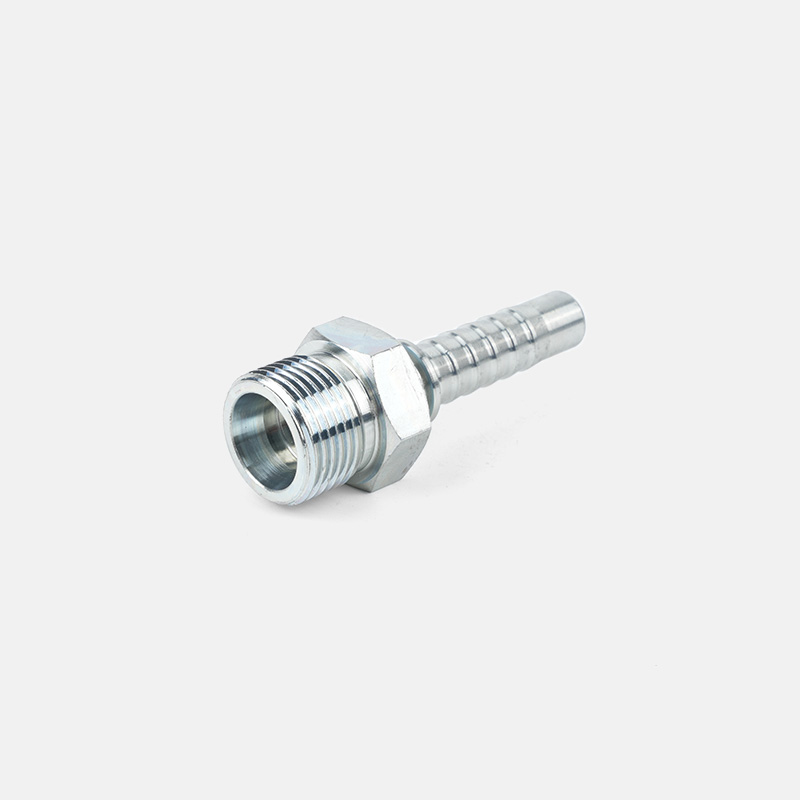

Custom hydraulic accessories
From concept to production, we can create the products you want
Products
Contact Information
-

Tel: +86-159-6851-8588
-

E-mail: [email protected]
-

Add:Zhu Jia Station Village, Diankou Town, Zhuji City , Zhejiang Province, China
