


Language
ENG
Enter Keywords...

NEW

Why Are Hydraulic Pipe Clamps Essential in Hydraulic Systems?
 2026.01.05
 industy news
1. They Secure and Support Hydraulic Pipes
In hydraulic systems, pipes and tubes are responsible for transporting pressurized fluid between components such as pumps, valves, and cylinders. Without proper support, these pipes are vulnerable to movement, sagging, or misalignment, especially under dynamic operating conditions. Hydraulic pipe clamps are specifically designed to secure pipes firmly to machinery frames, mounting rails, or structural surfaces, ensuring consistent positioning throughout system operation.
Proper pipe support is essential because hydraulic systems often experience fluctuating pressure, temperature changes, and external mechanical loads. These forces can cause unsupported pipes to shift, bend, or rub against adjacent components. Over time, this movement may result in deformation, wear, or even structural failure of the piping. Hydraulic pipe clamps distribute the load evenly along the pipe, reducing localized stress points and maintaining structural integrity.
Pipe clamps help maintain accurate pipe routing and spacing. In complex hydraulic installations, multiple pipes often run in parallel. Without clamps, pipes may cross, collide, or interfere with one another, making maintenance more difficult and increasing the risk of damage. By providing orderly and reliable support, hydraulic pipe clamps contribute to a clean, efficient, and professional system layout.
2. They Reduce Vibration and Noise
Vibration is an unavoidable byproduct of hydraulic system operation. Pressure pulsations from pumps, fluid turbulence, and machine motion all generate continuous vibration within hydraulic lines. If left unmanaged, this vibration can cause excessive noise, accelerate fatigue, and significantly shorten the lifespan of pipes and fittings. Hydraulic pipe clamps play a vital role in controlling these issues.
Many hydraulic pipe clamps are manufactured with vibration-damping materials such as polypropylene, polyamide, rubber, or elastomer inserts. These materials absorb and isolate vibration energy before it can transfer to surrounding structures. By reducing vibration amplitude, pipe clamps help prevent resonance effects that can amplify noise and mechanical stress.
Noise reduction is another important benefit. In industrial environments, excessive noise from vibrating pipes can affect worker comfort and even violate occupational safety regulations. Properly selected hydraulic pipe clamps reduce pipe movement and metal-to-metal contact, leading to quieter system operation.
Moreover, vibration-induced fatigue is one of the most common causes of hydraulic pipe failure. Repeated micro-movements at connection points can loosen fittings, crack tubes, or cause leaks. By stabilizing pipes and minimizing vibration, hydraulic pipe clamps significantly reduce fatigue-related damage, helping systems operate more reliably over long periods.
3. They Prevent Leakage and System Failure
Leakage is one of the most costly and dangerous problems in hydraulic systems. Even minor leaks can result in fluid loss, pressure drops, contamination, environmental hazards, and safety risks. One of the primary causes of leakage is excessive pipe movement, which places continuous stress on fittings, seals, and connection points. Hydraulic pipe clamps are essential in preventing these issues.
By firmly securing pipes in place, hydraulic pipe clamps maintain correct alignment between pipes and fittings. This alignment reduces bending forces and torsional stress that can compromise seals. When pipes are allowed to move freely, even slightly, fittings may loosen over time, leading to gradual leakage or sudden failure under high pressure.
In high-pressure hydraulic systems, uncontrolled pipe movement can be catastrophic. A sudden pipe rupture or fitting failure may cause rapid fluid discharge, posing serious safety risks to personnel and equipment. Hydraulic pipe clamps provide the mechanical stability necessary to withstand these extreme operating conditions.
Additionally, pipe clamps help prevent abrasion-related damage. Pipes that vibrate or move may rub against machine frames, other pipes, or sharp edges. Over time, this friction can wear through pipe walls. Properly placed clamps eliminate this movement, reducing wear and extending component life.
By preventing leakage and minimizing failure risks, hydraulic pipe clamps directly contribute to system reliability, safety, and operational efficiency.
Hydraulic Pipe Clamp Functions and Benefits Overview
| Function | Problem Without Clamps | Benefit Provided by Pipe Clamps |
|---|---|---|
| Pipe fixation | Pipe movement and misalignment | Stable and secure positioning |
| Vibration control | Noise and fatigue damage | Reduced vibration and noise |
| Leak prevention | Loose fittings and seal failure | Improved sealing reliability |
| Abrasion protection | Pipe surface wear | Extended pipe lifespan |
| System safety | Sudden pipe failure | Safer operation |
4. They Enhance Safety
Safety is a critical concern in any hydraulic system, particularly those operating under high pressure. Hydraulic fluid leaks, pipe bursts, or sudden system failures can cause serious injuries, including burns, slips, or fluid injection injuries. Hydraulic pipe clamps significantly enhance safety by minimizing these risks.
When pipes are securely clamped, the likelihood of sudden movement or rupture is greatly reduced. Pipe clamps prevent hoses and tubes from whipping or snapping in the event of pressure spikes or component failure. This mechanical restraint is especially important in mobile equipment, construction machinery, and industrial automation systems where vibration and movement are constant.
Additionally, organized and well-supported piping reduces workplace hazards. Loose or dangling pipes can obstruct walkways, interfere with machine operation, or complicate emergency repairs. Hydraulic pipe clamps help maintain clean and predictable pipe routing, improving overall workplace safety.
From a regulatory perspective, many safety standards and engineering guidelines recommend or require proper pipe support. Using hydraulic pipe clamps helps ensure compliance with industry standards and reduces liability risks for equipment manufacturers and operators.
5. They Extend System Service Life
Hydraulic systems are long-term investments, and maximizing service life is a key objective for system designers and operators. Hydraulic pipe clamps contribute directly to longevity by reducing mechanical stress, wear, and fatigue throughout the system.
Repeated vibration, bending, and pressure cycling can significantly shorten the lifespan of hydraulic pipes and fittings. By stabilizing pipes and distributing loads evenly, pipe clamps reduce stress concentrations that lead to cracks and failures. This protection is especially important in systems operating continuously or under heavy loads.
Additionally, reduced wear means fewer maintenance interventions. Systems with properly installed hydraulic pipe clamps experience fewer leaks, less downtime, and lower replacement costs. Over time, this results in substantial cost savings and improved operational efficiency.
By preserving the integrity of pipes and connections, hydraulic pipe clamps help hydraulic systems perform reliably over many years of service.
6. They Improve System Organization and Appearance
Beyond functional benefits, hydraulic pipe clamps also improve system organization and visual clarity. In industrial settings, a clean and well-organized hydraulic layout is not just aesthetic—it directly affects efficiency and maintainability.
Properly clamped pipes are neatly aligned, evenly spaced, and clearly routed. This organization makes inspection and troubleshooting easier, allowing technicians to quickly identify leaks, damage, or required adjustments. Clear pipe routing also reduces the risk of accidental disconnection or incorrect maintenance.
From a manufacturing and customer perspective, a well-organized hydraulic system reflects high engineering standards and attention to detail. For OEMs and system integrators, hydraulic pipe clamps help deliver professional, high-quality equipment that meets customer expectations.
7. They Support High-Pressure Applications
Hydraulic pipe clamps are specifically engineered to handle the demands of high-pressure applications. Available in various materials, sizes, and configurations, they can support pipes operating under extreme pressure, temperature, and environmental conditions.
Heavy-duty hydraulic pipe clamps are designed with reinforced bodies, high-strength bolts, and robust mounting systems. These clamps provide exceptional holding force, ensuring pipe stability even under intense pressure fluctuations.
By offering reliable support in demanding conditions, hydraulic pipe clamps are indispensable components in industries such as construction, mining, offshore, manufacturing, and energy.
FAQ – Frequently Asked Questions
Q1: What materials are hydraulic pipe clamps made from?
A: Common materials include polypropylene, polyamide, aluminum, steel, stainless steel, and rubber inserts for vibration damping.
Q2: How do I choose the right hydraulic pipe clamp?
A: Selection depends on pipe diameter, pressure rating, operating temperature, vibration level, and environmental conditions.
Q3: Are hydraulic pipe clamps reusable?
A: Yes, most hydraulic pipe clamps are reusable if they remain undamaged and properly maintained.
Q4: How often should pipe clamps be inspected?
A: Regular inspections should be performed during routine system maintenance, especially in high-vibration environments.
References
- ISO 15649: Petroleum and natural gas industries — Piping
- Parker Hannifin Corporation – Hydraulic System Design Guidelines
- Eaton Hydraulics – Industrial Hydraulic Piping Best Practices
- DIN 3015 – Pipe Clamps for Hydraulic Systems
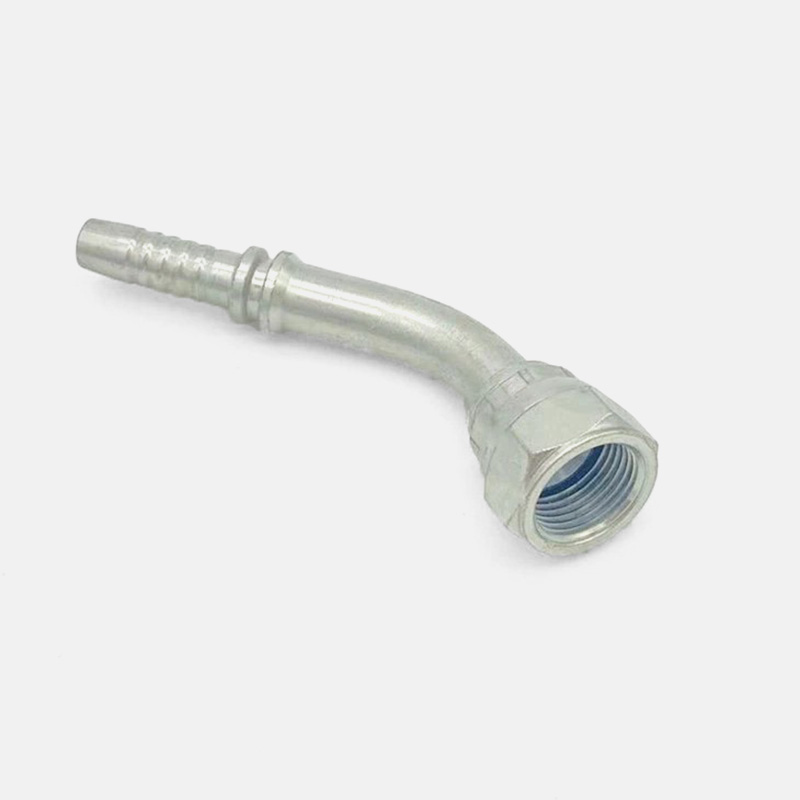
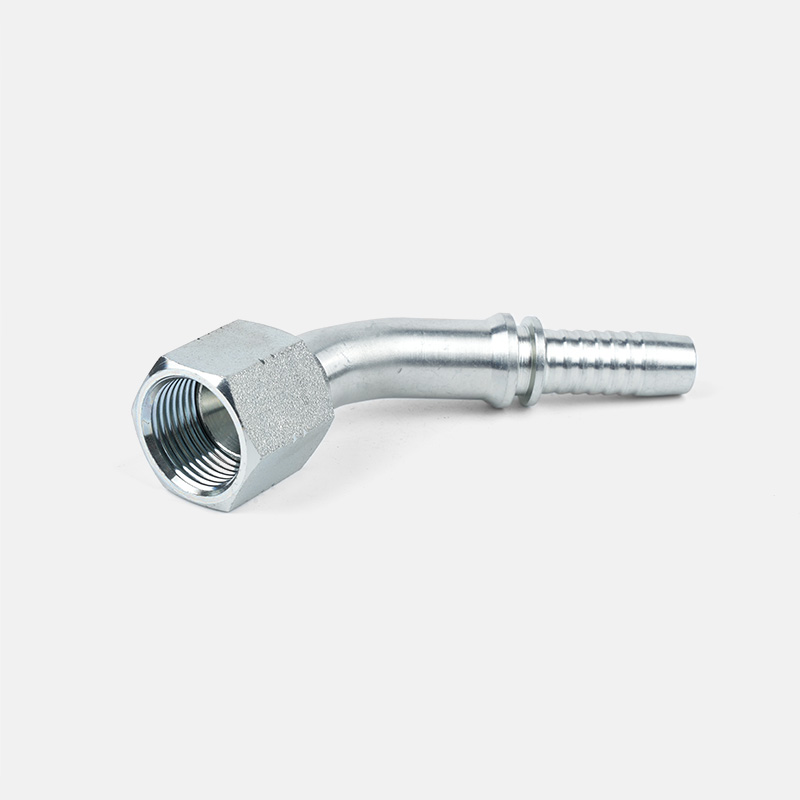
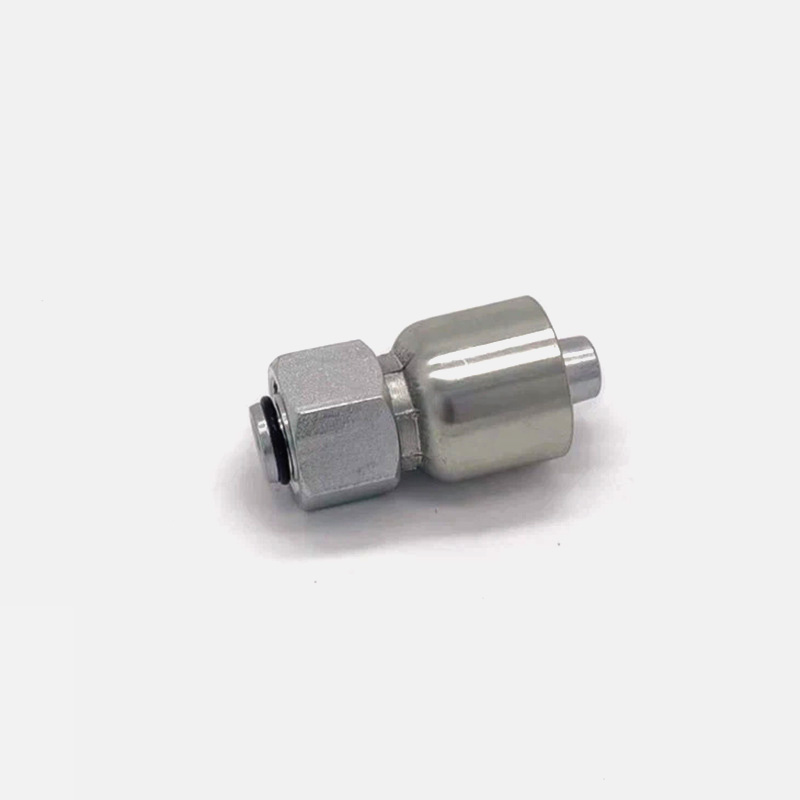
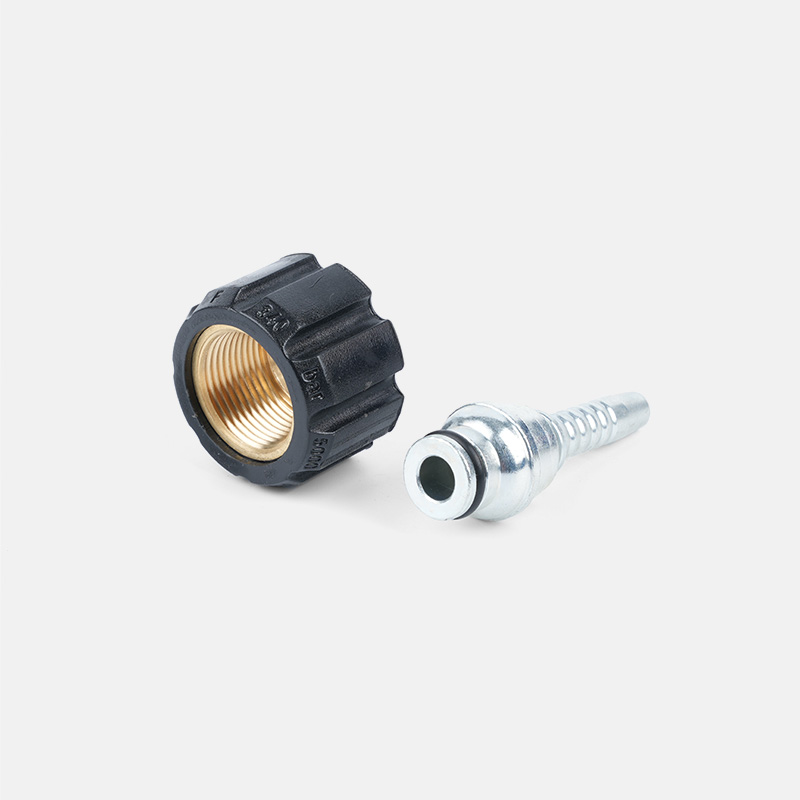

Custom hydraulic accessories
From concept to production, we can create the products you want
Products
Contact Information
-

Tel: +86-159-6851-8588
-

E-mail: [email protected]
-

Add:Zhu Jia Station Village, Diankou Town, Zhuji City , Zhejiang Province, China
