


Language
ENG
Enter Keywords...

NEW
 Home / News / industy news / What Are the Key Applications of Hydraulic Pipe Clamps in Hydraulic Equipment?
What Are the Key Applications of Hydraulic Pipe Clamps in Hydraulic Equipment?
 2026.01.12
 industy news
Hydraulic pipe clamps are essential components in modern hydraulic systems, designed to securely hold and support pipes, tubes, and hoses that carry hydraulic fluids under high pressure. Proper clamping ensures that pipelines remain stable during operation, reducing the risks of leaks, vibrations, and mechanical failures. For industries that rely heavily on hydraulic machinery—such as construction, manufacturing, and energy—hydraulic pipe clamps are indispensable for maintaining both operational efficiency and equipment longevity.
In hydraulic equipment, pipes are subjected to high pressure, constant fluid flow, and vibrations caused by pumps, motors, and other machinery. Without proper clamping, these forces can lead to pipe displacement, joint fatigue, and even catastrophic failure. Hydraulic pipe clamps prevent these issues by firmly securing pipes in place, allowing systems to operate smoothly and safely. They are also crucial for maintaining the alignment of piping networks, which is vital in complex hydraulic machinery where precision and reliability are paramount.
| Application Area | Function of Hydraulic Pipe Clamp | Benefits |
|---|---|---|
| Industrial Machinery | Secures hydraulic lines in presses, injection molding machines, and CNC equipment | Reduces vibration, prevents leakage, ensures smooth operation |
| Construction Equipment | Holds hydraulic hoses in excavators, loaders, and cranes | Prevents hose wear, improves safety, extends service life |
| Oil & Gas Industry | Stabilizes pipelines in hydraulic drilling and pumping systems | Enhances reliability, prevents accidents, reduces maintenance costs |
| Automotive Hydraulics | Supports brake lines and hydraulic steering systems | Ensures proper fluid flow, reduces noise and vibration |
| Renewable Energy | Secures pipes in hydraulic turbines and solar tracking systems | Improves system efficiency, minimizes downtime |
Hydraulic pipe clamps also play a significant role in maintenance and system upgrades. By using modular and adjustable clamps, technicians can quickly replace sections of piping without dismantling the entire system. This flexibility not only reduces downtime but also increases the overall efficiency of hydraulic systems. Furthermore, high-quality clamps made from durable materials like stainless steel or reinforced polymers are resistant to corrosion, heat, and chemical exposure, which further prolongs the service life of both the clamp and the pipeline.
In addition to supporting pipelines, hydraulic pipe clamps can also help reduce noise and vibration. Many clamps are equipped with rubber or polymer inserts that absorb vibrations and prevent metal-to-metal contact. This is particularly important in precision hydraulic machinery and sensitive equipment where even minor vibrations can affect performance. Overall, hydraulic pipe clamps are a simple yet critical component that enhances the safety, reliability, and efficiency of hydraulic equipment across various industries.
FAQ
Q1: Can hydraulic pipe clamps be used with both metal and plastic pipes?
Yes, clamps are available for different materials. For plastic pipes, clamps with softer inserts are recommended to prevent deformation.
Q2: How do I choose the right size of a hydraulic pipe clamp?
Measure the outer diameter of your pipe or hose and select a clamp rated for that size. Consider pressure levels, vibration, and environmental conditions.
Q3: Are hydraulic pipe clamps resistant to corrosion?
High-quality clamps are often made of stainless steel or coated materials to resist corrosion, heat, and chemical exposure.
Q4: Can hydraulic pipe clamps reduce maintenance costs?
Absolutely. By preventing leaks, misalignment, and vibration-related wear, these clamps can significantly extend pipeline life and reduce maintenance frequency.
References:
- Smith, J. Hydraulic Systems Handbook, 2022.
- Brown, R. Industrial Pipe Clamping Solutions, 2021.
- ISO 6162: Hydraulic fluid power – Pipe installation and clamps.
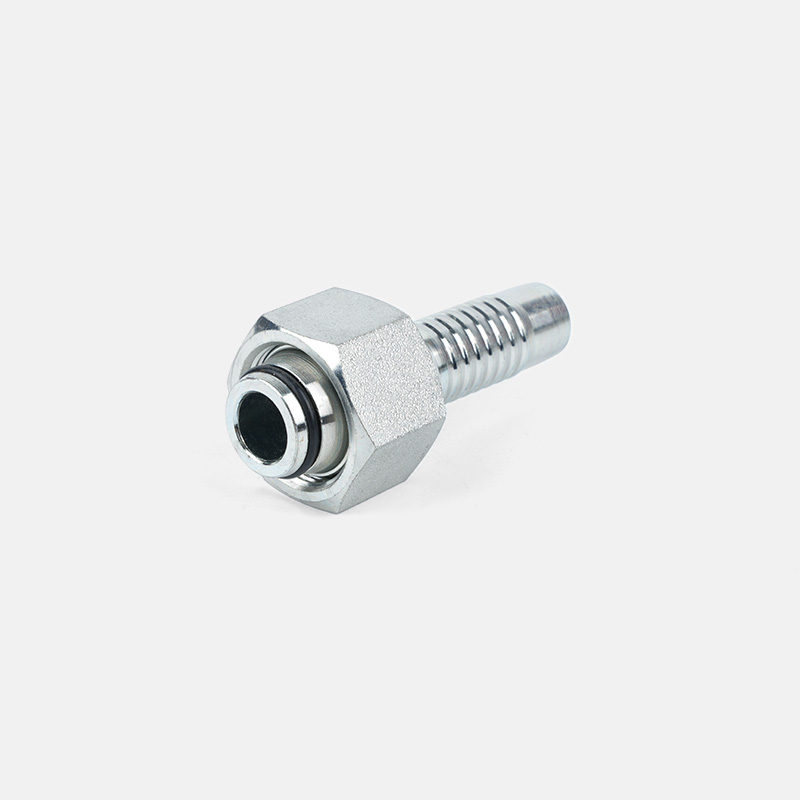
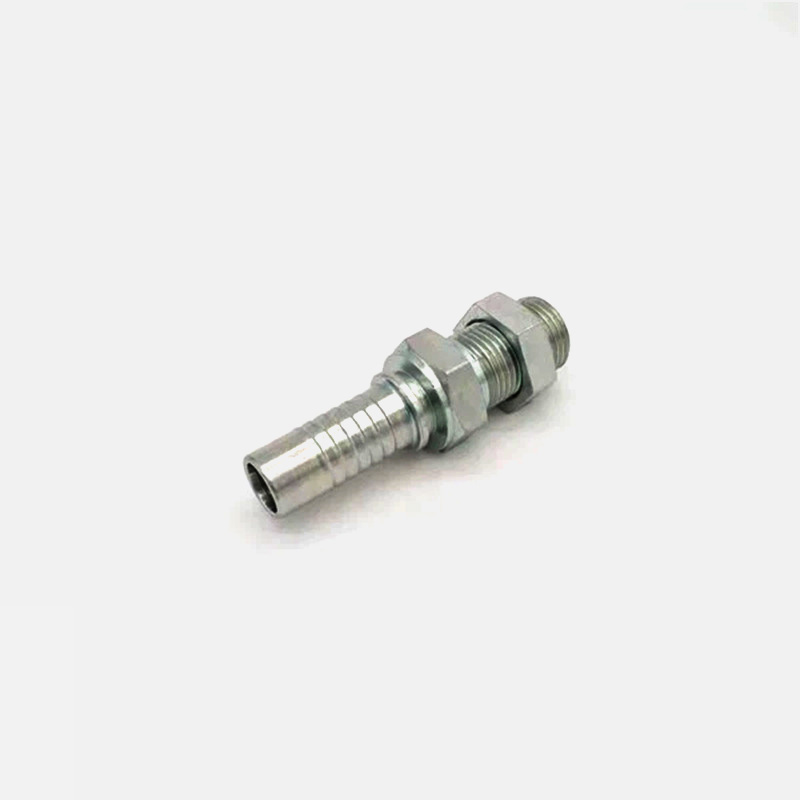
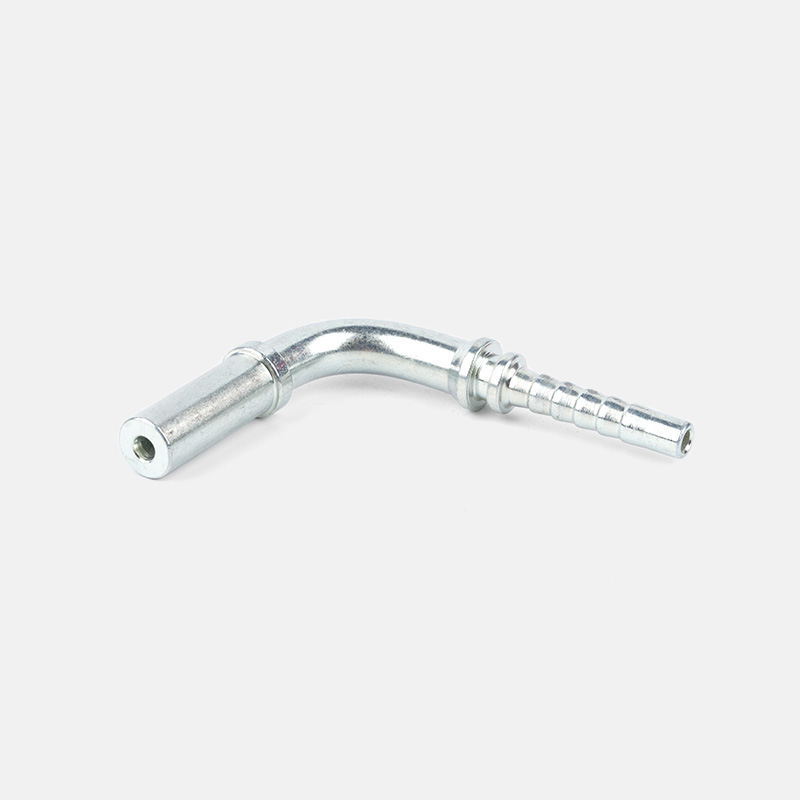
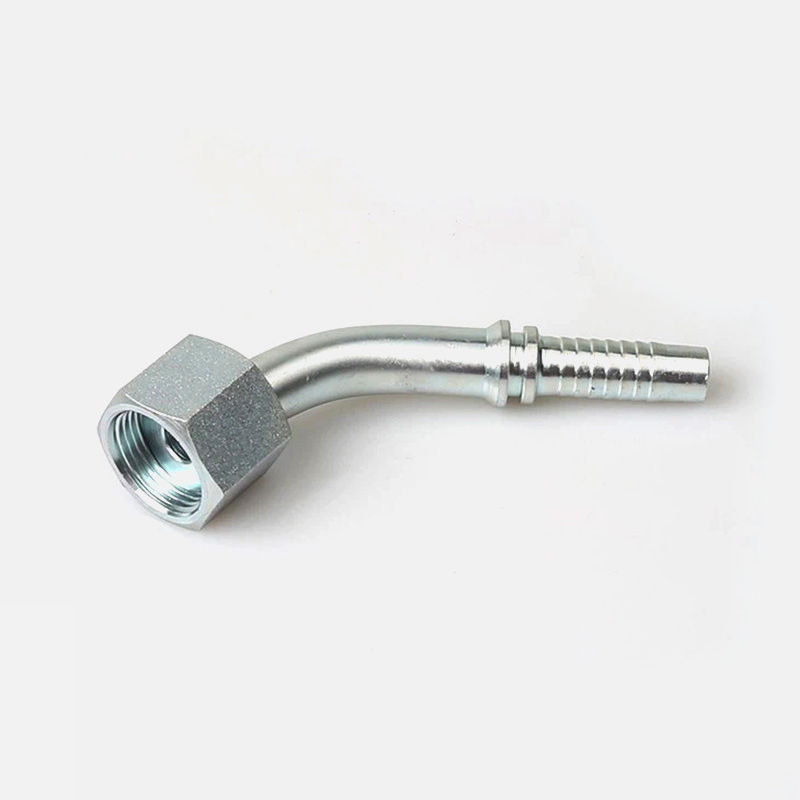
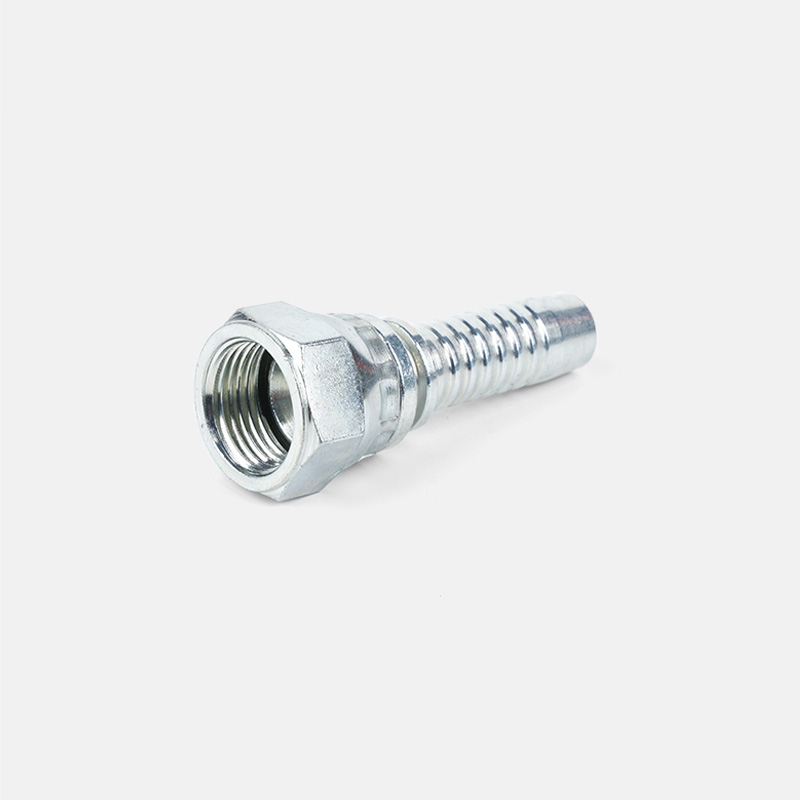
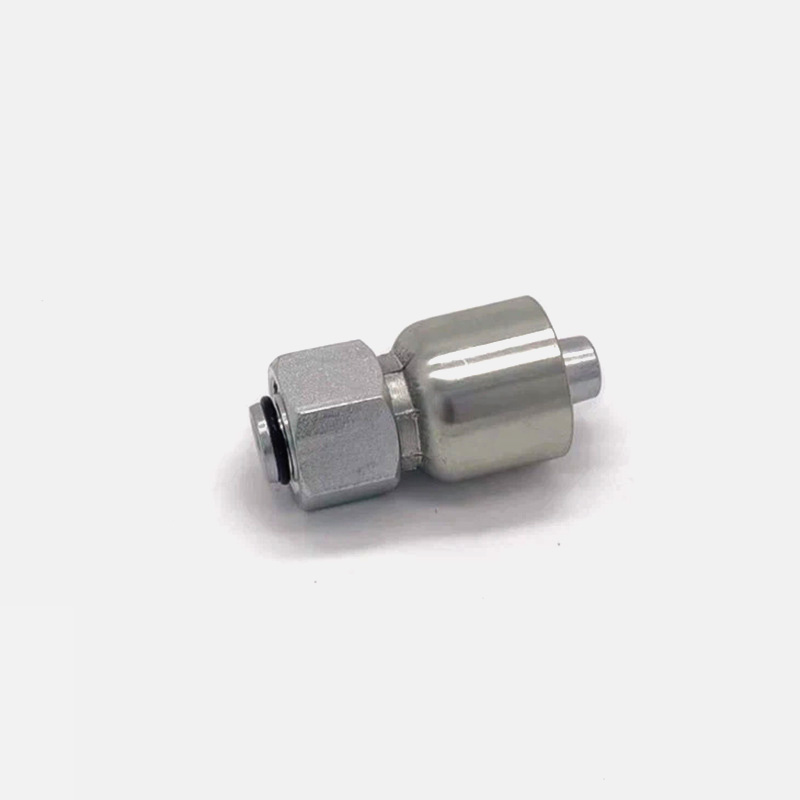
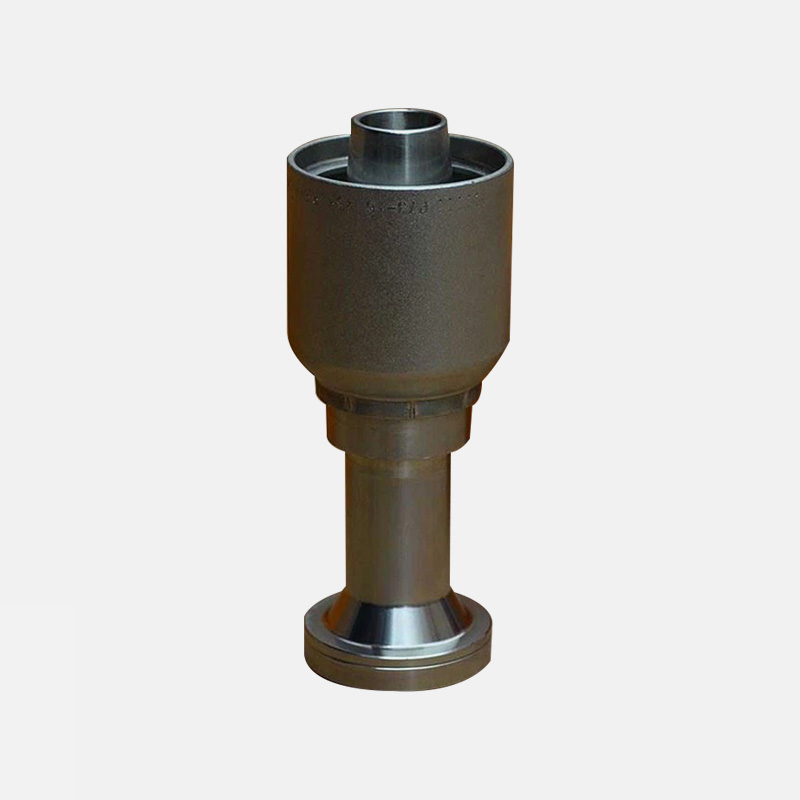
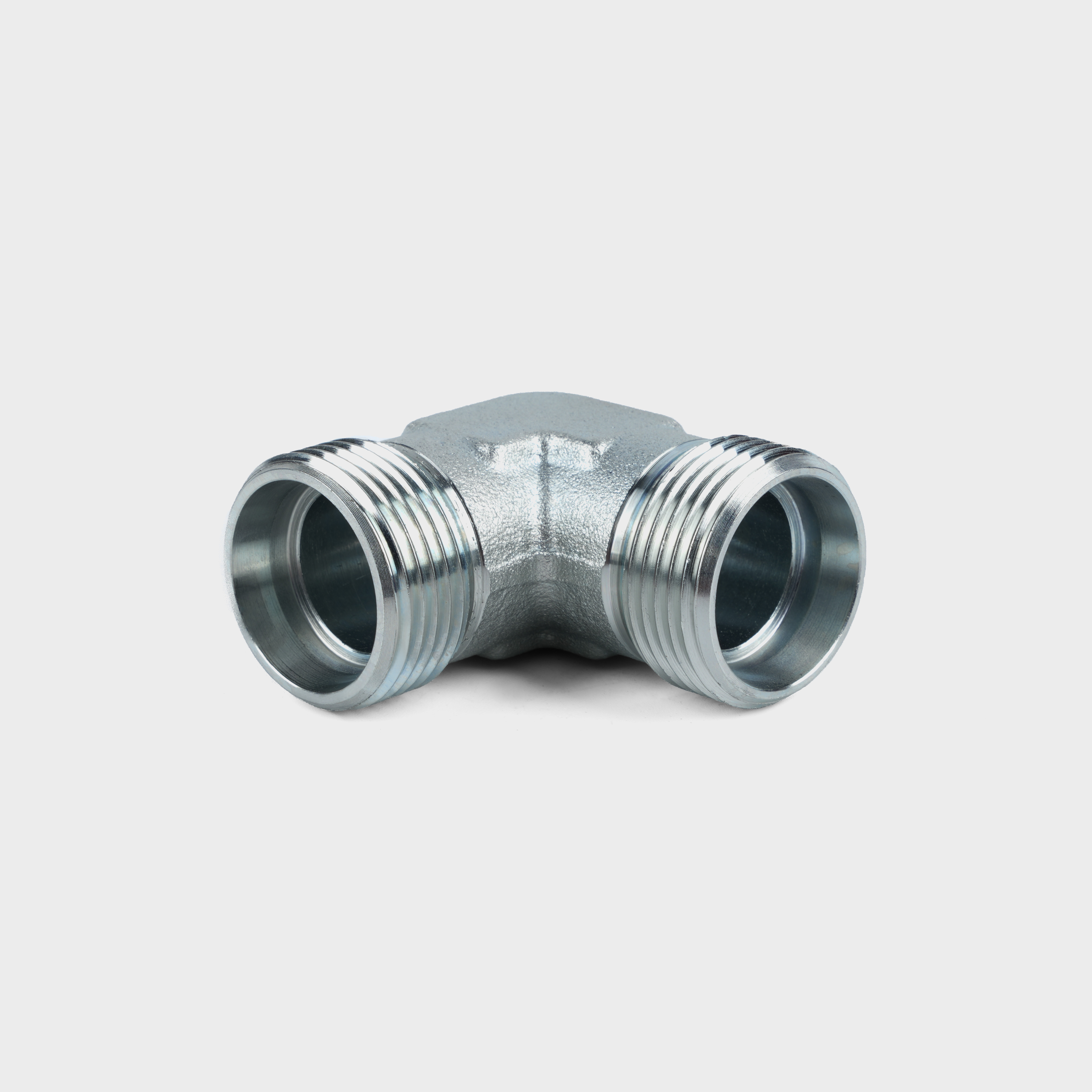

Custom hydraulic accessories
From concept to production, we can create the products you want
Products
Contact Information
-

Tel: +86-159-6851-8588
-

E-mail: [email protected]
-

Add:Zhu Jia Station Village, Diankou Town, Zhuji City , Zhejiang Province, China
