


Language
ENG
Enter Keywords...

NEW
 Home / News / industy news / Hydraulic Pipe Clamps vs. U-Bolts: Which is Better for High-Pressure Systems?
Hydraulic Pipe Clamps vs. U-Bolts: Which is Better for High-Pressure Systems?
 2026.04.13
 industy news
In the engineering of high-pressure hydraulic systems, the methodology used to secure piping and tubing is just as critical as the selection of pumps, valves, or actuators. The debate between Hydraulic Pipe Clamps (specifically those engineered to the DIN 3015 standard) and traditional U-Bolts is a common one in industrial design. While U-bolts are a staple in general structural fastening and low-pressure plumbing, high-pressure environments—characterized by intense vibration, thermal expansion, and hydraulic shock—demand the sophisticated engineering of a dedicated hydraulic clamp.
1. Vibration Dampening and Shock Absorption: Managing System Harmonics
The primary functional difference between these two fastening methods lies in how they interact with system harmonics and hydraulic shock. High-pressure systems are dynamic environments where “water hammer” effects or rapid pressure pulsations cause pipes to vibrate at high frequencies. If these vibrations are not managed, they lead to fatigue failure in joints and fittings.
1.1 The Hydraulic Pipe Clamp Advantage: Polymeric Isolation
Hydraulic pipe clamps are not merely metal brackets; they are engineered isolation systems. Typically manufactured from thermoplastic materials such as Polypropylene (PP) or Polyamide (PA/Nylon), these materials possess inherent dampening properties. The internal surface of the clamp is often designed with “ribs” (serrations) that grip the pipe securely while maintaining a microscopic gap for material expansion.
When the system experiences high-frequency vibration, the plastic body of the clamp acts as a shock absorber. It dissipates the kinetic energy within the polymer structure rather than transferring it to the mounting rail or the machine’s chassis. This significantly reduces the overall decibel level of the machinery and, more importantly, prevents the vibration from reaching critical resonance, which is the leading cause of weld-point cracks in hydraulic lines.
1.2 The Rigidity Problem with U-Bolts
In contrast, U-bolts are metal-to-metal fasteners that create a rigid, unforgiving connection. Because there is no dampening medium between the pipe and the bolt, every vibration pulse is transmitted directly through the fastener to the supporting structure. In a high-pressure scenario, this lack of isolation is catastrophic.
Metal-on-metal friction under vibration leads to a phenomenon known as fretting corrosion. The U-bolt essentially acts as a saw, microscopic at first, gradually cutting into the wall of the hydraulic pipe. This reduces the wall thickness of the pipe precisely where the stress is highest, creating a failure point that can lead to a high-pressure burst. Furthermore, the rigid nature of U-bolts means they often loosen over time due to the very vibrations they fail to dampen, requiring constant retightening.
2. Structural Integrity and Stress Distribution: Protecting the Pipe Wall
High-pressure tubing is highly susceptible to stress concentration. The manner in which a fastener “holds” the pipe determines the ultimate lifespan of the metal tubing, especially in systems operating at 3000 PSI or higher.
2.1 Uniform Radial Compression vs. Point Loading
A hydraulic pipe clamp consists of two symmetrical halves and a heavy-duty cover plate. When the bolts are tightened, the clamp applies uniform radial pressure around the entire 360-degree circumference of the pipe. This design ensures that the pipe remains perfectly round and that the clamping force is distributed evenly across a wide surface area of the tubing.
This even distribution is vital for maintaining the mechanical integrity of the pipe. It prevents the localized deformation that can occur when a pipe is subjected to high internal pressure while being squeezed externally. By spreading the load, the clamp ensures that the “hoop stress” within the pipe remains within the calculated safety margins of the material.
2.2 The Risks of Point Loading in U-Bolts
U-bolts, by their geometric design, apply force at specific “points”—primarily at the apex of the “U” and at the two points where the nuts pull the pipe against a base plate. This creates intense point loading. Under high pressure, these stress points become weak spots.
If a technician over-tightens a U-bolt to stop it from vibrating, they risk slightly deforming the pipe into an oval shape (ovality). This deformation changes the flow dynamics of the hydraulic fluid, creating turbulence and heat. More dangerously, it compromises the structural strength of the tubing. In high-pressure cycles, the pipe “breathes” (expands and contracts). A U-bolt constricts this breathing at two or three points, leading to localized fatigue and eventual rupture.
3. Installation Efficiency and Modular Maintenance
In modern industrial settings, the ease of installation and the ability to perform maintenance without total system disassembly are vital for reducing operational costs and downtime.
3.1 Modular Stacking and Space Optimization
One of the premier features of the DIN 3015 hydraulic pipe clamp is its modular design. These clamps can be mounted on weld plates, mounting rails, or stacked vertically using stacking bolts and safety plates. Stacking allows engineers to run multiple high-pressure lines in an extremely small footprint while ensuring each line is independently supported and isolated.
This modularity is essential for complex machinery where space is a premium. It also simplifies the “plumbing” of a machine, as lines can be organized neatly in banks. If a system needs to be expanded, the technician simply adds another layer to the stack without needing to drill new holes or modify the existing mounting structure.
3.2 Maintenance Challenges with Traditional Fasteners
U-bolts generally require significantly more space and cannot be stacked effectively. If you need to access a pipe located at the bottom of a run secured by U-bolts, you often have to remove several surrounding components and fasteners to reach it.
Furthermore, because U-bolts require through-holes in the mounting structure, they are less flexible during the assembly phase. Hydraulic clamps, when used with mounting rails (C-rails), can be slid into the exact position needed, allowing for “on-the-fly” adjustments during the installation of rigid tubing. This flexibility reduces the labor hours required for system assembly and ensures that the pipes are not forced into alignment, which would introduce “pre-stress” into the system.
4. Technical Comparison Matrix: Hydraulic Clamps vs. U-Bolts
The following table summarizes the key technical differences that engineers must consider when designing high-pressure circuits.
| Feature | Hydraulic Pipe Clamp (DIN 3015) | Traditional U-Bolt |
|---|---|---|
| Primary Material | Polypropylene (PP) / Polyamide (PA) | Carbon Steel / Stainless Steel |
| Vibration Control | Excellent: Absorbed by polymer body | Poor: Transmitted to structure |
| Pipe Protection | High: Ribbed design prevents abrasion | Low: Metal-on-metal friction |
| Installation Method | Rail-mounted, Weld-plate, or Stacked | Drill-through or Bracket mounted |
| Stress Distribution | Uniform Radial Compression | Point Loading (Top and bottom) |
| Noise Reduction | Significant (Noise dampening) | None (May amplify harmonics) |
| Scalability | High (Modular stacking) | Low (Single-layer only) |
| Temperature Range | -30°C to +120°C (Material dependent) | High (But lacks thermal expansion support) |
FAQ: Frequently Asked Questions
Q1: Is it acceptable to use U-bolts with a rubber insert for high-pressure lines?
A: While a rubber sleeve (cushion) provides some vibration dampening, it does not solve the fundamental issue of point loading inherent in the U-bolt’s shape. Additionally, in high-pressure environments, the rubber can perish, harden, or be squeezed out over time due to the intense pressure, leaving the pipe loose and unprotected.
Q2: When should I choose Aluminum clamp bodies over Polypropylene?
A: Aluminum clamps are reserved for extremely high-temperature environments (exceeding 120°C) or applications where the pipe is subjected to massive external mechanical loads that would crush or deform a plastic clamp body. They provide higher strength but offer less vibration dampening than PP or PA.
Q3: Why are DIN 3015 clamps more expensive, and is it worth the cost?
A: While the unit price of a hydraulic clamp is higher than a U-bolt, the Total Cost of Ownership (TCO) is significantly lower. By preventing pipe bursts, reducing leak points caused by vibration, and speeding up installation time, hydraulic clamps save thousands of dollars in potential downtime and repairs.
References
- DIN 3015 Part 1-3: Components for the support of pipes, tubes, and hoses - Standard, Heavy, and Twin series. The international benchmark for hydraulic fastening.
- ISO 4413: Hydraulic fluid power - General rules and safety requirements for systems and their components.
- Journal of Fluid Power Engineering: The Impact of Vibration Isolation on the Longevity of High-Pressure Hydraulic Circuits, 2025.
- Wuxi Qida Engineering Group: Technical Handbook: Optimizing Industrial Pipe Support Systems, 2026 Edition.
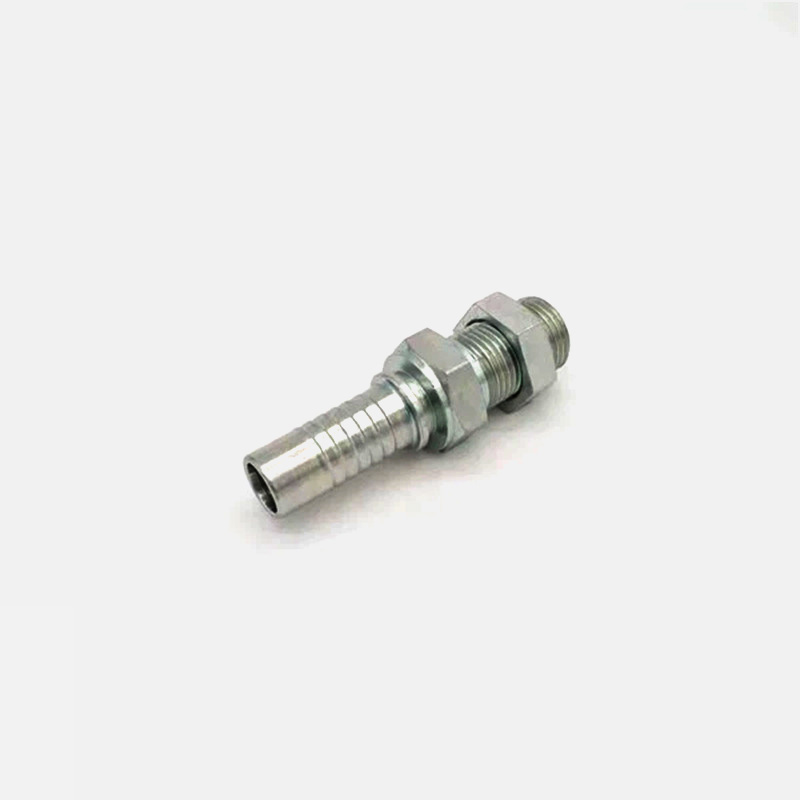
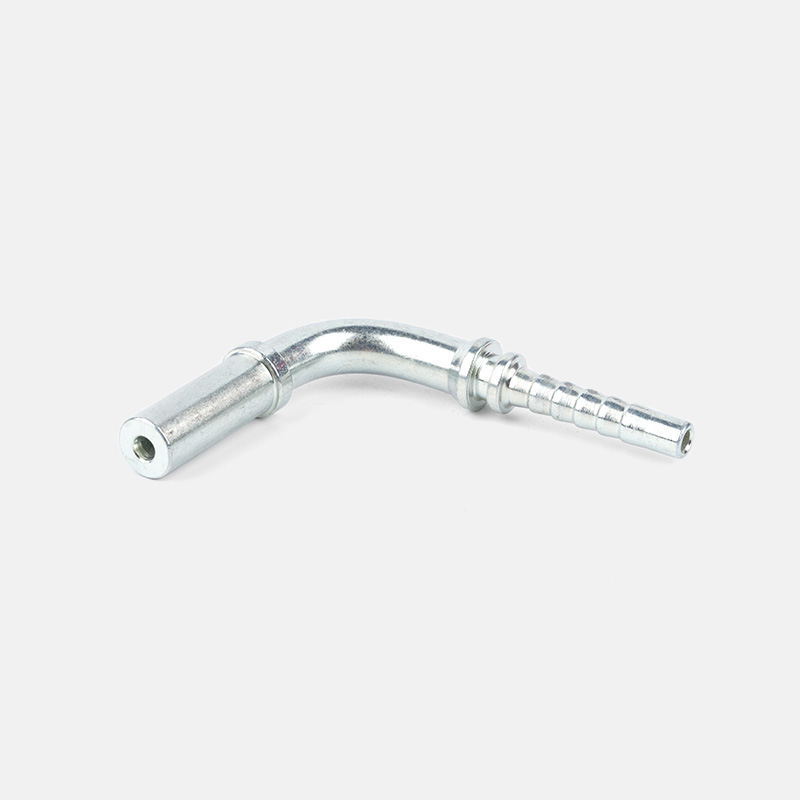
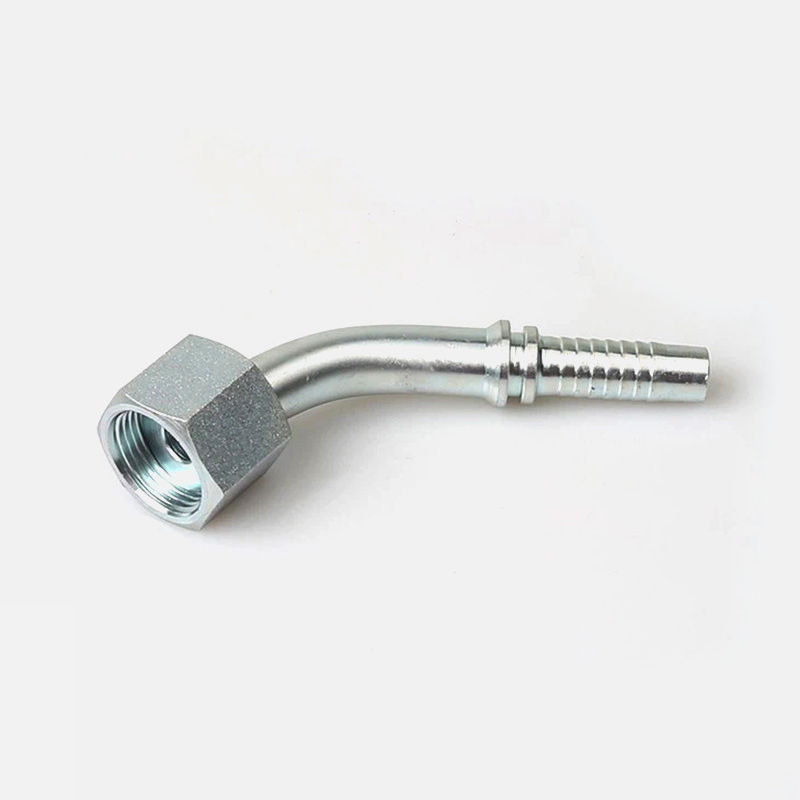
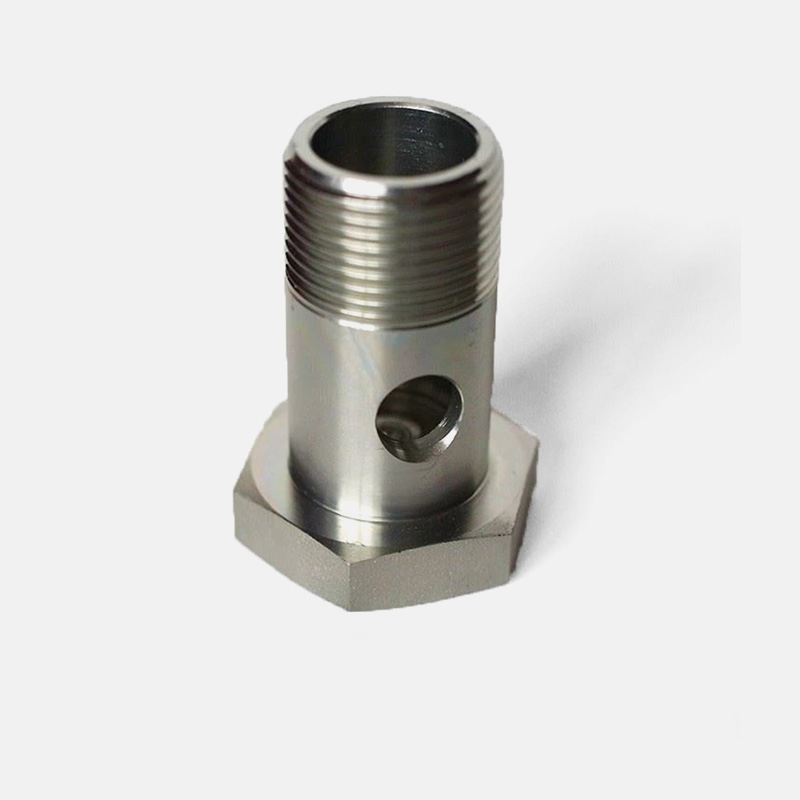

Custom hydraulic accessories
From concept to production, we can create the products you want
Products
Contact Information
-

Tel: +86-159-6851-8588
-

E-mail: [email protected]
-

Add:Zhu Jia Station Village, Diankou Town, Zhuji City , Zhejiang Province, China
